By Global Gaming Desk
Published: October 2023
Main Facts
The landscape of real-time strategy (RTS) gaming was recently shaken by a massive update from Blizzard Entertainment. Warcraft 3: Reforged—the heavily criticized 2020 remaster of the genre-defining 2002 classic—received its most ambitious update to date: the Version 3.0 patch, launched alongside a brand-new official campaign expansion titled The Forsaken Kingdom.
While the new content and technical updates represent the first major single-player campaign addition to the franchise in 23 years, the update has simultaneously sparked a severe backlash from the community. Buried beneath celebratory patch notes detailing long-awaited graphical upgrades and quality-of-life adjustments were two deeply unpopular structural changes:
- Mandatory Constant Internet Connection: Warcraft 3: Reforged now requires a permanent internet connection, even when players are attempting to enjoy solo, offline single-player modes.
- Removal of LAN Functionality: The built-in Local Area Network (LAN) multiplayer feature has been completely stripped from the modern client.
Blizzard Entertainment omitted any explanation or justification for these changes within the official patch notes. However, the company noted that players seeking offline play and LAN capabilities can still access them through the legacy Warcraft 3 client, which is bundled with the purchase of Reforged. Despite positive additions—such as a modernized graphics engine and an increased unit selection cap from 12 to 24—the mandatory online requirement and the elimination of local multiplayer have overshadowed what was meant to be a triumphant redemption arc for a troubled title.
Chronology
To understand the weight of the 3.0 patch, it is essential to examine the tumultuous timeline of Warcraft 3: Reforged and its ongoing relationship with its player base:
- July 2002: Blizzard Entertainment releases Warcraft III: Reign of Chaos, followed shortly by the critically acclaimed expansion The Frozen Throne in 2003. Together, they revolutionize the RTS genre, pioneer the Hero unit mechanic, and lay the creative groundwork for the modern MOBA (Multiplayer Online Battle Arena) and Tower Defense genres.
- November 2018: At BlizzCon, Blizzard announces Warcraft 3: Reforged, promising completely overhauled character models, remastered environments, rewritten campaign cutscenes, and modern matchmaking integration through Battle.net.
- January 2020: Warcraft 3: Reforged launches to widespread critical panning and historic user backlash. Fans cite broken promises regarding cutscene overhauls, performance bugs, poor user interface design, and controversial terms of service updates that granted Blizzard ownership of all custom user-generated maps (crucial for custom games like Defense of the Ancients). Metacritic scores plummet to historic lows for a first-party publisher title.
- 2020–2023: Blizzard enters a prolonged period of damage control, issuing a series of patches intended to restore foundational features stripped from the original game, such as automated tournaments, player profiles, and ladder boards. However, public enthusiasm remains lukewarm.
- Late 2023: Blizzard drops The Forsaken Kingdom expansion alongside the expansive 3.0 patch. Hailed as the first new Warcraft 3 campaign in over two decades, it is viewed by many as the definitive turning point for the remaster.
- The Post-Patch Backlash: Almost immediately upon downloading the 3.0 update, players discover that offline single-player access has been revoked and LAN support has vanished, reigniting friction between the studio and its dedicated community.
Supporting Data & Technical Details
The rollout of Patch 3.0 introduced a mixture of deeply welcomed upgrades alongside regressive technical restrictions. Analyzing the dual nature of the update highlights why the community reaction has been so polarized.
The Positive Additions
- The Forsaken Kingdom Campaign: The crown jewel of the update, offering fresh narrative content, custom voice acting, and meticulously designed missions that tap into the nostalgic roots of the 2002 engine while utilizing modernized assets.
- Graphics Mode Refinements: Patch 3.0 includes an alternative graphics rendering mode designed to bridge the aesthetic gap between the hyper-realistic Reforged models and the clean, stylized look of the 2002 original, addressing one of the community’s earliest complaints.
- Quality-of-Life Enhancements: Most notably, the unit selection cap has been doubled from 12 units to 24 units, modernizing micro-management mechanics to better align with contemporary RTS standards and fan-made mods.
The Regressive Restrictions
- Always-Online Requirement: Players attempting to load up the single-player campaign or skirmish modes against AI bots are now blocked by login checkpoints. If the Battle.net servers experience downtime, maintenance, or if the user’s home internet drops, the single-player game becomes entirely unplayable.
- LAN Eviction: Local Area Network (LAN) play—historically the heartbeat of classic RTS culture, dorm-room matches, and community grassroots tournaments—has been excised from the primary Reforged executable.
- The Legacy Workaround: Blizzard’s official stance directs users to a Battle.net support article detailing how to download and install the legacy Warcraft 3 client. While this preserves offline and LAN functionality in theory, critics point out that forcing players to juggle two separate clients—one for modern updates and one for basic functionality—is an inefficient and cumbersome user experience.
Official Responses and Developer Stance
As of publication, Blizzard Entertainment has not issued a formal press release or developer diary addressing the specific technical rationale behind the removal of LAN support and the implementation of the always-online requirement in Warcraft 3: Reforged.
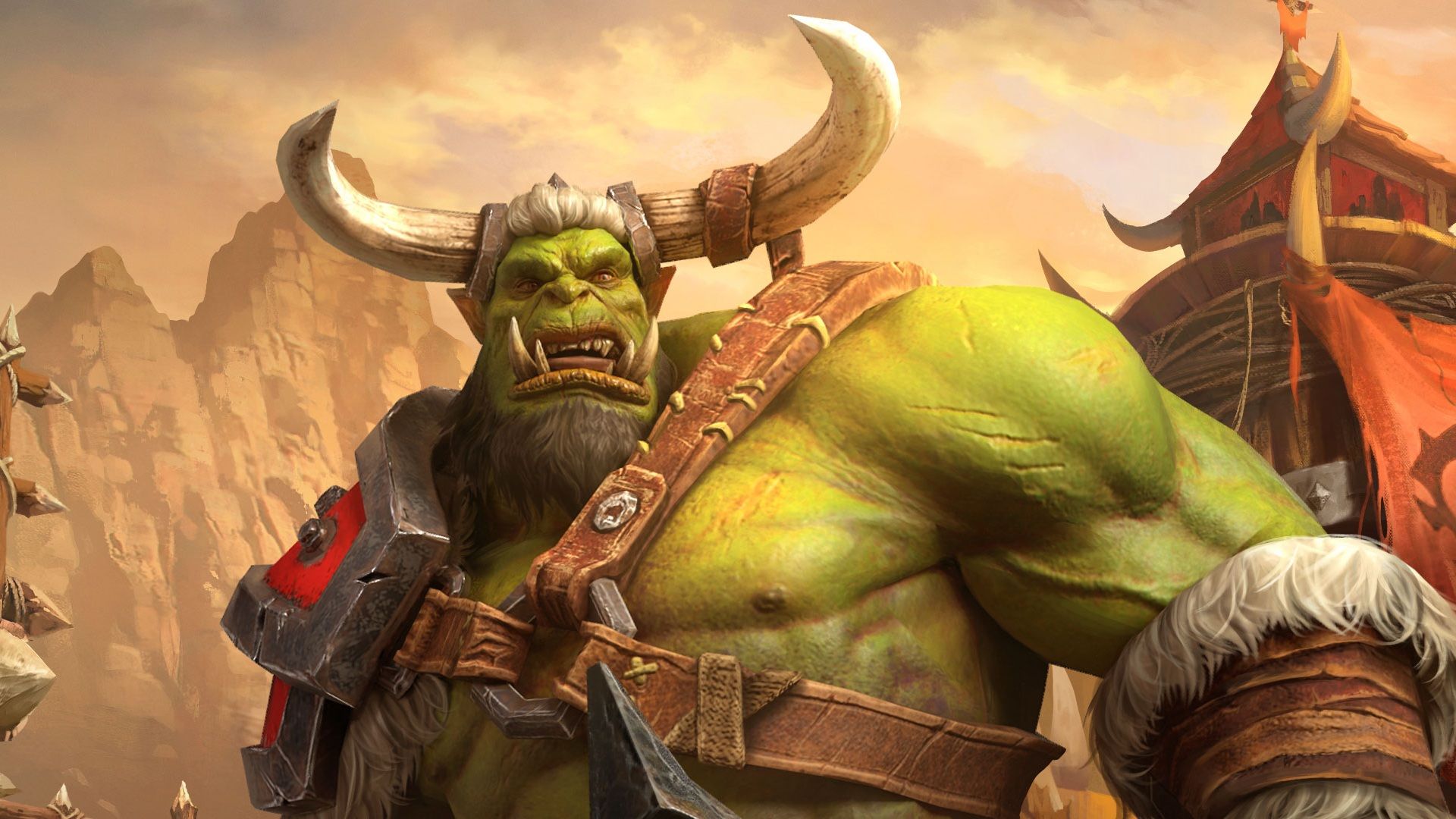
The only official acknowledgement exists within the technical documentation and customer support channels. By pointing players toward instructions for installing the legacy client, Blizzard tacitly acknowledges that the modern Reforged architecture is now inextricably linked to online verification systems. Industry analysts suggest this move is likely driven by digital rights management (DRM) protocols, antipiracy measures, and unified telemetry tracking across Blizzard’s ecosystem via the Battle.net launcher.
However, silence from the development team has only amplified frustration. Without transparent communication explaining why these features were altered or removed, consumers are left to assume that server centralization and anti-cheat enforcement took precedence over player convenience and historical preservation.
Implications for the Industry and the Warcraft Franchise
The controversy surrounding Patch 3.0 extends far beyond the borders of a single strategy game; it touches upon vital, ongoing debates within the modern video game industry regarding preservation, consumer rights, and the nature of digital ownership.
1. The Perils of Always-Online Single-Player Games
The mandate that a single-player game require a continuous internet connection has been a persistent sore spot for gamers since the early 2010s. Proponents of digital preservation argue that always-online requirements turn software into ticking time bombs. When publishers eventually shut down authentication servers—a fate that has befell countless live-service and modernized legacy titles—the game ceases to function entirely. Forcing this model onto a remastered version of a 2002 offline classic alienates rural players, travelers, and anyone living with unstable broadband connections.
2. The Erasure of Grassroots LAN Culture
LAN parties are woven into the DNA of the PC gaming boom of the late 1990s and 2000s. The ability to link computers together in a basement, a local internet cafe, or a convention hall without relying on an external server was paramount to Warcraft 3’s enduring legacy, particularly in regions like South Korea and Eastern Europe. Stripping LAN support from the definitive modern client feels, to many veterans, like a betrayal of the game’s community-driven history.
3. A Stifled Redemption Arc
Perhaps the most significant casualty of Patch 3.0 is the psychological momentum of the game’s public relations narrative. Warcraft 3: Reforged needed a flawless victory lap. Releasing a brand-new campaign after 23 years showed genuine dedication on the part of the developers who remained passionate about the IP. Yet, by introducing heavy-handed restrictions that nobody asked for, Blizzard snatched defeat from the jaws of victory, converting a moment of celebration into another cautionary tale about modern publisher policies.
As the dust settles on Patch 3.0, the future of Warcraft 3: Reforged remains bittersweet. While fans can dive into The Forsaken Kingdom and enjoy expanded unit caps and graphical tweaks, they do so under the watchful eye of a mandatory server connection—a stark reminder that in modern gaming, you rarely get to truly keep what you buy.