Clones, spiritual successors, and thematic bandwagons have been a fixture of the video games industry since its infancy. For every Super Mario Bros., there was a The Great Giana Sisters; for every cozy farming breakout like Stardew Valley, a wave of pastoral simulators follows close behind. Yet, the current ecosystem of the Steam storefront has descended into a uniquely surreal brand of self-parody. The latest micro-genre capturing the collective imagination of PC gamers is not a sprawling RPG or an intricate factory-building sim—it is the literal, unapologetic simulation of finding a needle in a haystack.
What began as a joke or a conceptual art piece has quickly metastasized into a minor gold rush of shovelware and incremental simulators. As Steam continues to grapple with an unprecedented volume of releases—colloquially referred to by critics and players alike as "slopification"—the emergence of these haystack games offers a fascinating, if depressing, window into contemporary digital consumption habits, viral marketing dynamics, and the relentless pursuit of quick profits by opportunistic developers.
Main Facts: The Genesis of a Micro-Genre
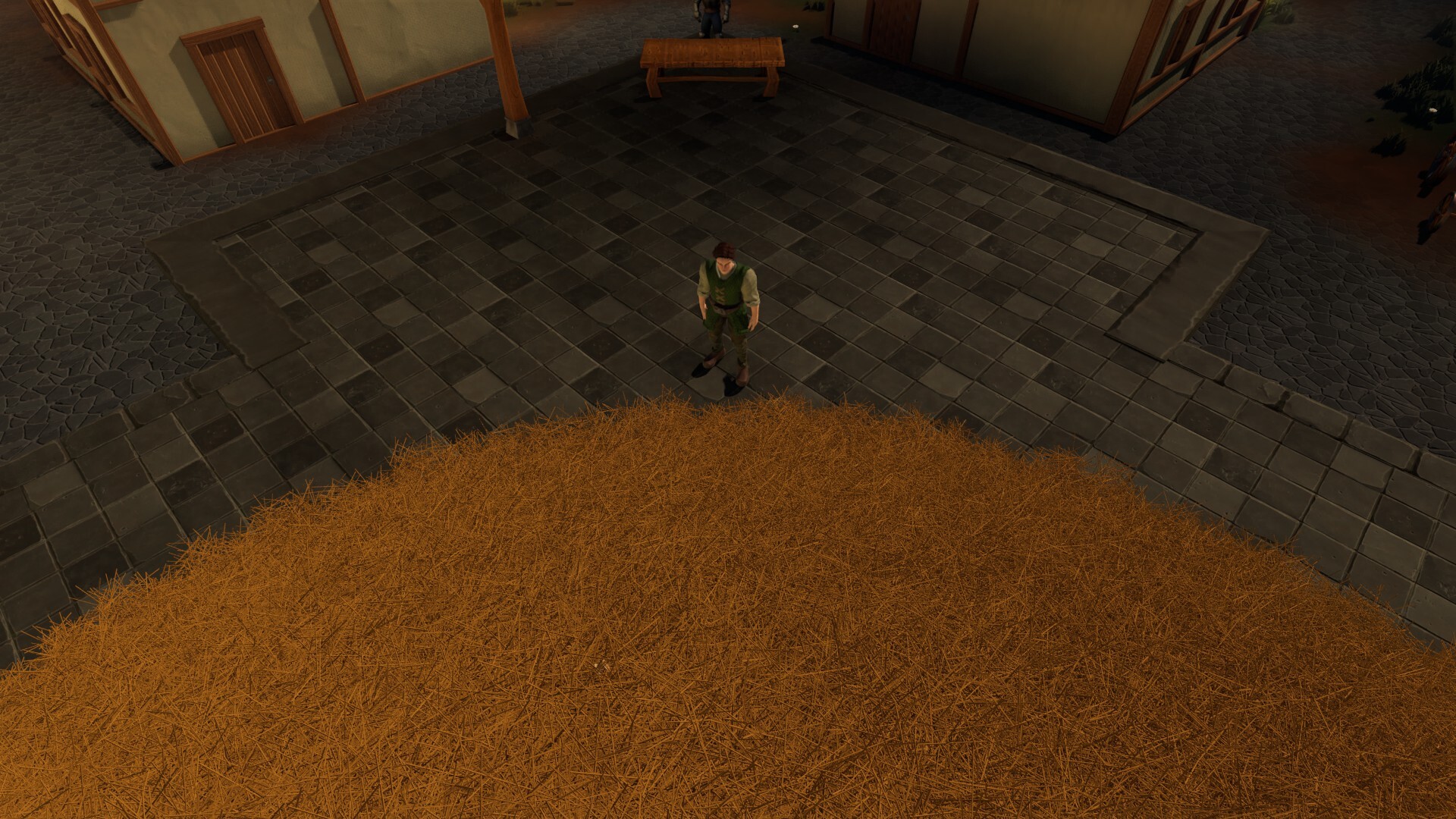
The phenomenon centers on a slate of games sharing identical, hyper-specific premises: sorting through massive piles of dried grass to locate a tiny metallic sewing implement.
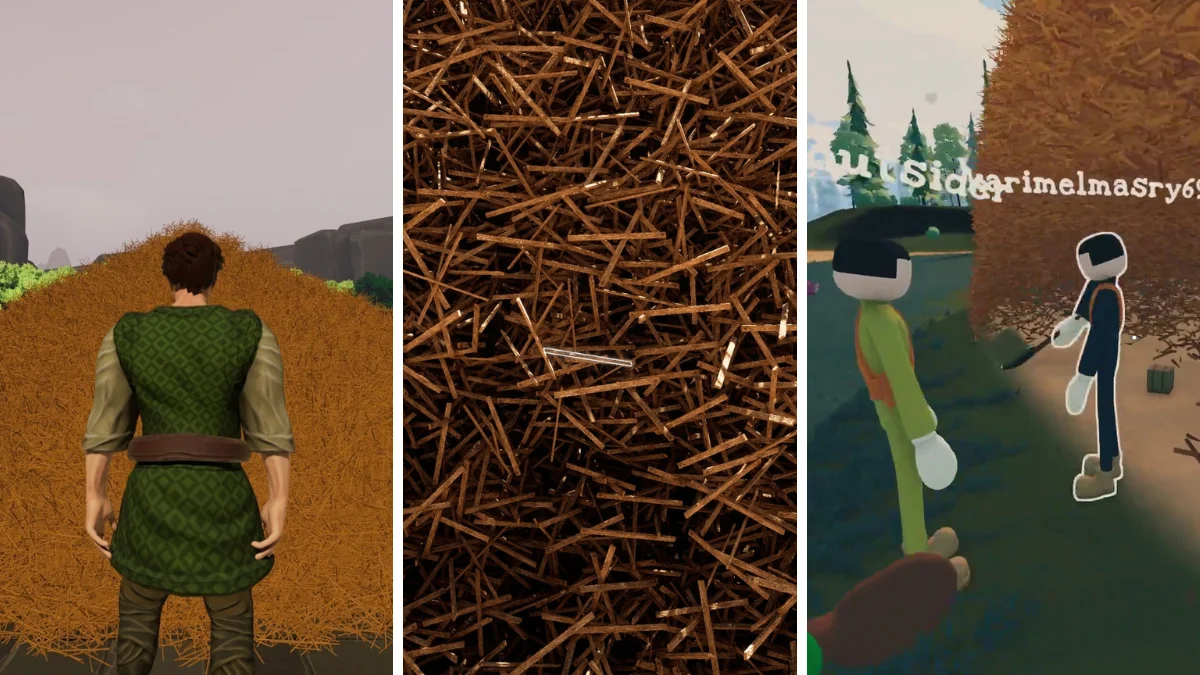
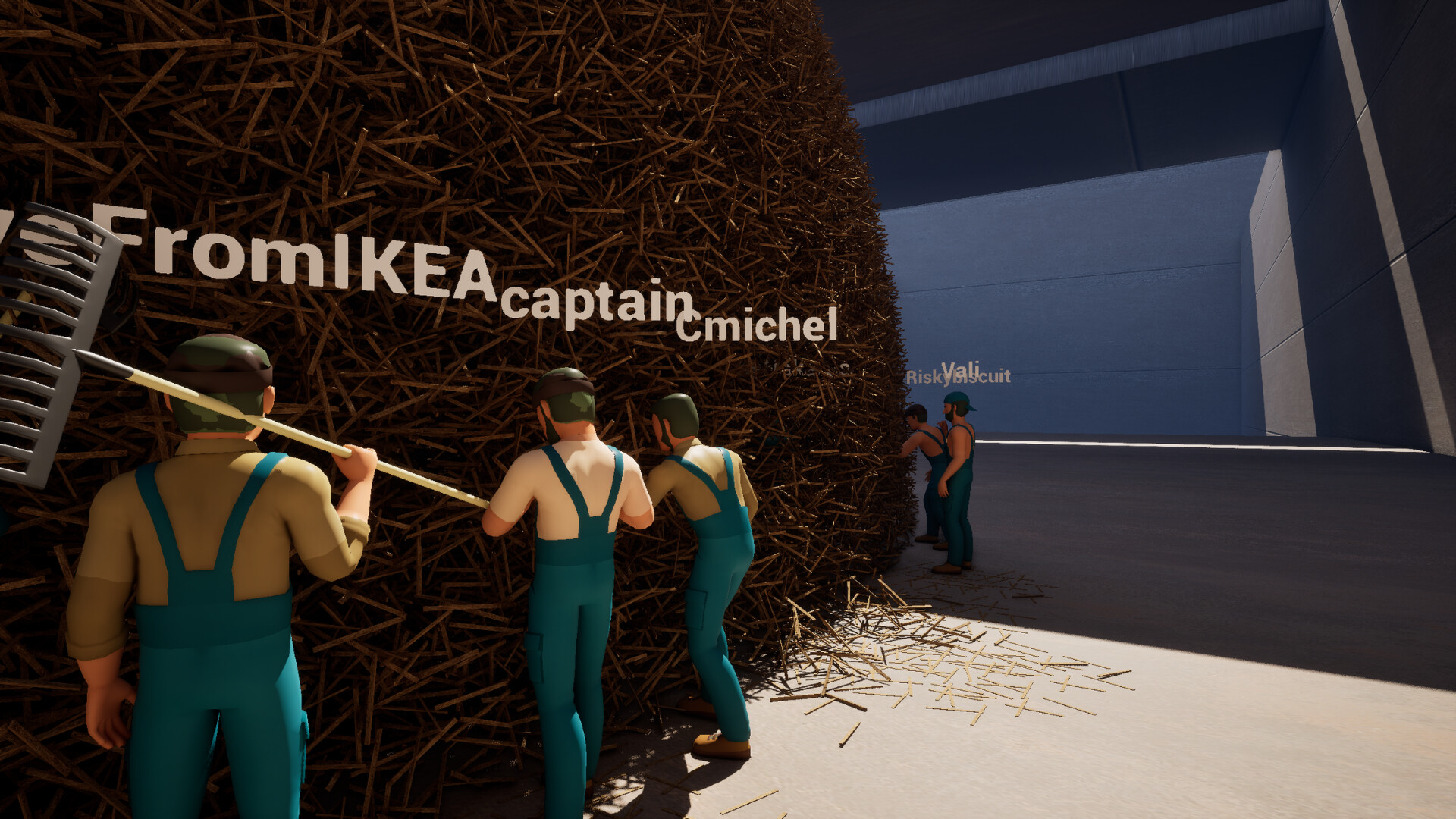
The undisputed catalyst for this bizarre trend was Needle In A Haystack Simulator, developed by Studio Bitdot and scheduled for a full release in the fourth quarter of 2026. Despite its aggressively mundane concept, the game’s August playtest managed to draw an astonishing 23,000 concurrent or participating players.
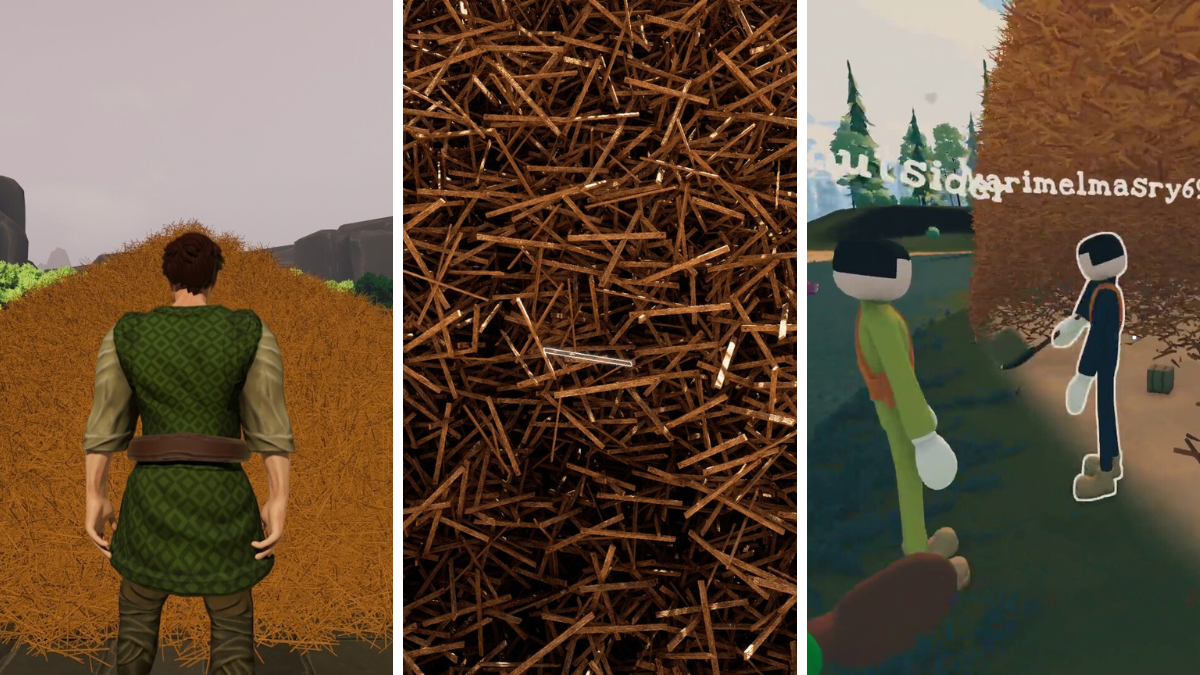
The title successfully hybridizes two popular modern gaming fetishes: tedious manual labor simulators and incremental upgrade games. Players must sift through hay manually to find the elusive needle, unearthing various randomized junk items along the way that can be sold for profit. These funds are then reinvested into automated or more efficient hay-sorting technology. While it sounds profoundly arduous, the market has proven that a significant subset of PC gamers possesses an appetite for meaningless, repetitive digital busywork.
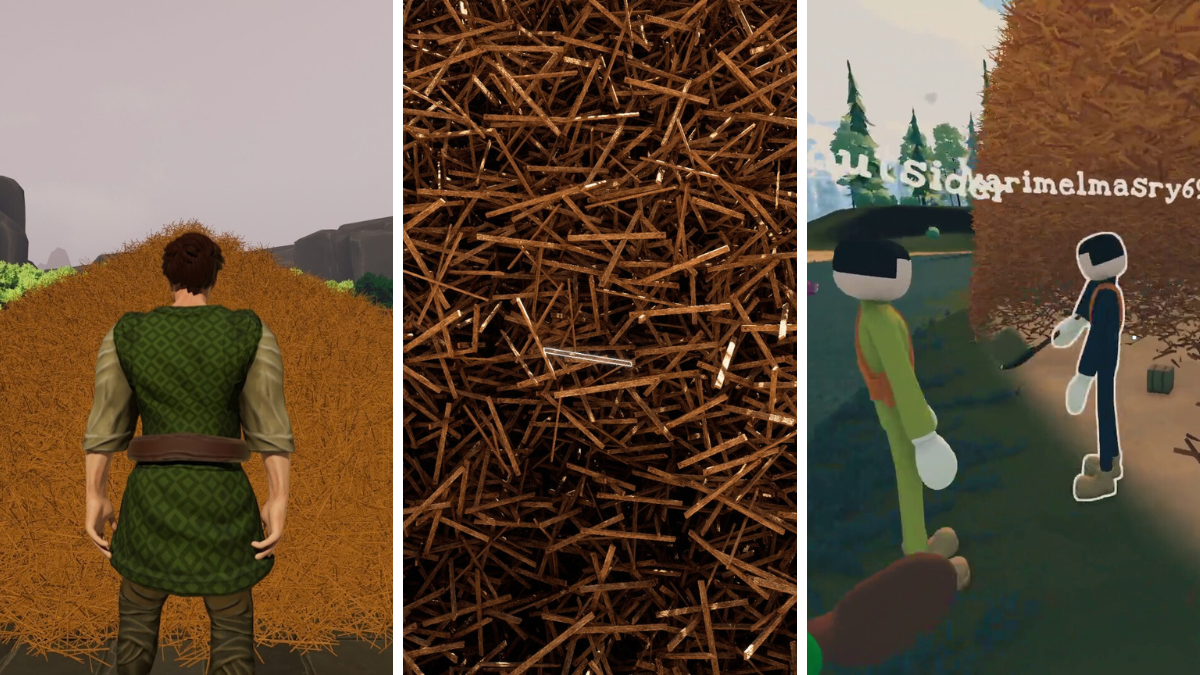
Following the viral traction of Studio Bitdot’s announcement, the digital floodgates opened. Multiple studios rushed to capitalize on the meme, resulting in a sudden, crowded marketplace populated by titles with confusingly similar nomenclature:
A Needle In A Haystack
Needle in a Haystack
Needle In A Haystack – A Time For Goats
Story of The Needle In a Haystack
A Needle In A Haystack: Sorting Game
Chronology of the Craze: From Viral Tweet to Storefront Flooding
The timeline of the haystack phenomenon moves at the hyper-accelerated pace characteristic of internet culture.
Late August 2026: Studio Bitdot hosts a playtest for Needle In A Haystack Simulator, catching the industry off guard by pulling in roughly 23,000 players. The concept goes viral across social media platforms like X (formerly Twitter), spawning jokes and spawning an immediate rush of copycats.
September 19, 2026: Red Key Games beats the originators to market, launching Needle In A Haystack – A Time For Goats. According to the developers, the game crosses the 1,000-sales milestone by September 26.
September 25, 2026: Another competitor enters the ring with the bluntly titled A Needle In A Haystack: Sorting Game. User reviews quickly brand it as a substandard piece of software, validating fears regarding the quality control of fast-tracked asset flips.
September 30, 2026: The demo-driven wave continues as Needle In A Haystack prepares for its full release following a successful demo phase that also reportedly attracted around 20,000 players.
Late September 2026: Red Key Games drops a bizarre, free "first-person shooter endgame" expansion into A Time For Goats in a frantic attempt to differentiate itself from the growing pack of agricultural simulators—a move that alienates a portion of their player base who bought the game strictly for tranquil, mindless sorting.
November 28, 2026 (Upcoming):Story of The Needle In a Haystack is scheduled to launch, complete with a currently active public demo.
Supporting Data: Steam Revenue and Market Metrics
While the haystack phenomenon dominates social media discourse, the broader Steam charts for late September 2026 reveal a diverse commercial landscape balancing runaway multiplayer successes with surprising single-player hits.
Top Steam Games by Revenue (September 15–22)
Rank
Game
1
Wardogs
2
EA Sports FC 27 (Pre-orders)
3
Counter-Strike 2
4
PUBG: Battlegrounds
5
Dota 2
6
Apex Legends
7
Marvel Rivals
8
Aniimo
9
Diablo 4
10
Trails in the Sky 2nd Chapter
Examining the top-earning titles provides critical context to the haystack craze. Wardogs, developed by Bulkhead, continued its absolute dominance of the charts, moving three million copies since pre-orders opened on August 11—a massive victory for a UK studio in an era where launching a viable live-service multiplayer game is notoriously perilous.
Meanwhile, EA Sports FC 27 captured the number two spot purely on pre-order revenue ahead of its September 25 release. Notably, EA’s development disclosures revealed that generative AI may have been utilized in creating pre-rendered or live-generated content, though the publisher stressed that all such material ultimately stemmed from a human-led creative process.
Perhaps the most heartening data point for traditional gamers was the strong performance of Trails in the Sky 2nd Chapter. Defying expectations for a niche JRPG remaster, the title secured over a thousand "overwhelmingly positive" reviews on PC, proving that genuine passion projects still carve out massive financial success alongside internet meme games.
Official Responses and Developer Statements
The creators caught at the center of the haystack phenomenon have expressed a mixture of humor, exhaustion, and bemusement.
Nas, the developer behind the original Needle In A Haystack Simulator, took to social media to offer a tongue-in-cheek public apology to the entire Steam storefront after their concept went viral. When well-meaning users expressed sympathy over the rampant cloning of their idea, Nas rejected the sentiment, writing: "Don’t feel bad, it’s the ultimate slop game. I have no complaints." While Nas has leaned into the absurdity—even using the game to spoof characters like Wolverine—it is clear that the subsequent waves of copycats are chasing easy monetization.
Other developers have rushed to defend the legitimacy of their development timelines amid accusations of blatant asset-flipping and bandwagon-jumping. Upon releasing Needle In A Haystack – A Time For Goats, Red Key Games published a defensive update addressing the sudden saturation of the market:
"We decided to set out and make this game and are very aware that since then, multiple hay games have surfaced and tweets have gotten super popular. We want to let everyone know that this is a crazy coincidence and not us copying ideas. We were already months into production when this all happened."
To prove their timeline, Red Key shared proprietary SteamDB data. However, their desperate pivot to add an unexpected first-person shooter endgame to separate their game from competitors resulted in immediate community backlash. Players flooded review boards and discussion threads expressing confusion, with user djcassar writing: "Dude, what are you thinking?? It is a completely different play style to what people are buying the game to experience. Get rid of it!"
Implications: The Risks of Going Viral in Modern Indie Development
The sudden explosion and commercial viability of haystack games carry profound implications for independent game developers navigating the modern digital marketplace.
For years, indie developers have relied on social media platforms like X and TikTok to secure that golden ticket: a viral post that catapults their game into the public consciousness. However, the haystack phenomenon highlights a dark side to this visibility. In an era dominated by automated asset pipelines, AI assistance, and rapid-deployment shovelware, showing off a unique, quirky concept early in development acts as a dinner bell for opportunistic churn merchants.
If a creator showcases a novel, low-fidelity mechanic that captures the internet’s fleeting attention span, they run the very real risk of being beaten to market by half a dozen low-effort clones before their own project can even exit early access.
Furthermore, these micro-trends accelerate the ongoing "slopification" of digital storefronts. With over 100,000 games currently residing on Steam, platforms are increasingly forced to grapple with discoverability crises. When thousands of players unironically pour their time into simulator games about searching for invisible metallic items in agricultural waste—and when those games turn a tidy profit for copycats—it sends a disheartening signal to the industry: sophisticated design, deep storytelling, and technical innovation are entirely optional when pure, unfiltered absurdity can capture the algorithm’s attention.
Ultimately, the haystack craze may fade as quickly as past phenomena like Banana or A Game About Digging A Hole. Yet, it serves as a permanent cautionary tale for indie creators: in the modern internet economy, your best ideas can and will be weaponized against you almost overnight.