In the fast-paced landscape of modern digital marketing, creators and small business owners face an unrelenting demand for consistency. Maintaining an active presence across multiple platforms—such as X (formerly Twitter), Substack, LinkedIn, Instagram, and YouTube—typically requires a dedicated creative team, significant capital, and exhaustive hours.
However, a new paradigm in digital creation is emerging. Co-created by AI strategist Nicky Saunders and digital marketing expert Michael Stelzner, a blueprint has been established for building a personalized "AI Creative Director" using Claude. This system transforms raw, unscripted voice journals into polished, multi-platform content assets that strictly maintain the creator’s unique voice and aesthetic style.
Main Facts: The AI Creative Director Blueprint
The core thesis of the Saunders-Stelzner framework is that artificial intelligence should function as an integration layer within existing workflows rather than an all-or-nothing replacement for human creativity.
- The Core Tool: Anthropic’s Claude acts as the central processor, utilizing persistent project memory, custom "skills," and advanced model routing.
- The Input Source: Raw, unstructured voice journals (recorded via tools like Notion AI or voice memos) serve as the foundation, echoing Julia Cameron’s "Morning Pages" exercise from The Artist’s Way.
- The Output Pipeline: A single spoken reflection is automatically parsed and expanded into social media threads, newsletters, video scripts, quote carousels, and visual assets via connected integrations (such as Apify, Higgsfield, and HeyGen).
- The Human-in-the-Loop Safeguard: While the AI ideates, drafts, and designs, human judgment retains absolute control over final approval, editing, and publishing. Direct API publishing access is intentionally denied to the AI to prevent security vulnerabilities or platform violations.
Chronology of the System: From Ideation to Multi-Platform Execution
Building an automated content engine requires a methodical, step-by-step approach. According to the workflow outlined by Saunders, creators must lay proper groundwork before turning on automation.
Phase 1: Establishing Creative Vision and Style
Before deploying AI tools, creators must define their content’s underlying purpose and visual language. Without clear parameters, AI defaults to generic, recognizable templates often criticized as "AI slop."
To build a style library, creators collect visual inspiration—ranging from Pinterest boards and magazine covers to existing website assets and past social media posts—and upload them to a Claude project. Claude analyzes these assets, identifying technical specifications like saturation levels and typography, thereby developing a cohesive brand guide.

Phase 2: Developing Core Claude Skills
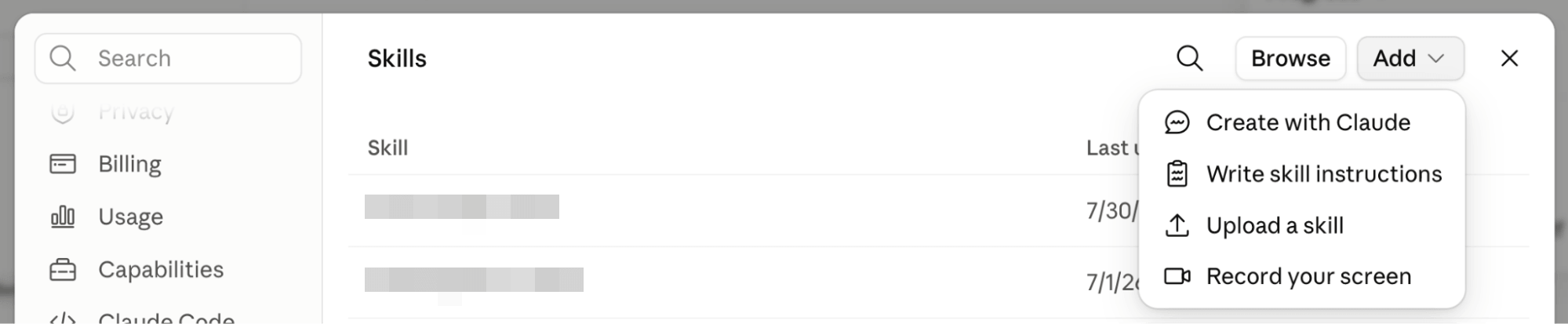
Once the visual and thematic vision is locked in, creators build persistent "Claude skills." These are reusable instruction sets stored within the AI’s memory, eliminating the need to re-explain brand guidelines in every new chat session:
- The Brand Voice Skill: Trained on extensive source material—including video transcripts, Zoom recordings, newsletters, and social posts—this skill allows Claude to generate copy that aligns roughly 80% to 85% with the creator’s natural phrasing and cadence.
- The Content Style Skill: This component adapts the brand voice to the specific formatting conventions and algorithmic expectations of individual platforms (e.g., punchy hooks for X versus long-form narrative for Substack).
Phase 3: Implementing the "DraftLoop" Workflow
Using an automated daily pipeline—referred to by Saunders as DraftLoop—the workflow operates on a predictable daily schedule:
- 8:00 AM (Automation): A scheduled background task checks the creator’s digital journal for new entries. Claude reads the raw transcript, extracting viable topics and drafting initial content pieces (threads, newsletters, quote graphics).
- 11:00 AM (Human Review): The creator reviews the generated batches, selects winning concepts, and instructs Claude on which directions to pursue further (e.g., turning a specific idea into a YouTube script or an Instagram Reel storyboard).
- Production Integration: Approved concepts trigger connected tools like Higgsfield (for imagery and character animations) and HeyGen (for generating avatar video previews to test audio delivery).
Supporting Data and Technical Architecture
The operational efficiency of the AI Creative Director relies on a specialized tech stack designed to bridge unstructured human thought with structured digital execution.
- Model Selection: Saunders highlights the utility of specialized models within Claude’s ecosystem. For instance, advanced resource-intensive models like Claude Fable 5 Low excel disproportionately at writing tight hooks, carousel headlines, and high-impact email subject lines compared to broader foundational models.
- Data Scraping via Apify: To build robust brand voice and competitive analysis skills, creators leverage Apify, a data extraction tool with an MCP (Model Context Protocol) connector for Claude. Apify pulls public metrics, comments, and transcripts from platforms like YouTube and Instagram, feeding historical data directly into cloud storage locations like Google Drive or Notion for Claude to analyze. Pricing for such data pipelines generally starts around $29 per month.
- Alignment Metrics: Creators utilizing this multi-tier skill training report that initial AI outputs require only a 15% to 20% human polish, drastically reducing the time spent staring at a blank page.
Official Perspectives and Expert Insights
Industry experts emphasize that the greatest asset of an AI creative partner is its ability to overcome creative fatigue and provide psychological momentum during content droughts.
"AI works best as an integration layer within existing creative workflows," notes Nicky Saunders. She describes Claude as a "twenty-four-seven brain-warming buddy" capable of preserving fleeting 2 a.m. ideas and providing early validation that an idea holds market potential.
Furthermore, the system acts as an analytical counterbalance to human restlessness. Content creators frequently grow bored of discussing core topics they have covered repeatedly. However, Claude can cross-reference historical engagement data, reminding the creator that a specific theme historically drives high comment volume and community engagement, thereby steering them back toward proven strategies.

Implications for the Future of Content Creation
The mainstream adoption of AI-driven creative directors carries profound implications for solo entrepreneurs, small marketing teams, and the broader media landscape.
- Democratization of Content Production: Small businesses that previously lacked the budget to hire copywriters, graphic designers, and video editors can now maintain a sophisticated, multi-channel media presence equivalent to large-scale publishing houses.
- Redefining Authenticity: By anchoring every piece of content in unscripted voice journals and personal reflections, creators ensure that the final output remains fundamentally human. The AI does not invent opinions; it simply formats, distributes, and optimizes authentic human experiences.
- The Evolution of the Creator’s Role: As routine drafting and scheduling automation mature, the role of the creator shifts from a tactical "doer" to an executive "creative director." Success in the digital economy will increasingly depend on a creator’s clarity of vision, editorial judgment, and ability to curate authentic source material.