In the modern digital age, the smartphone has transitioned from a tool of convenience to an extension of the self. From the moment we wake to the final scroll before sleep, these devices serve as our primary windows into the world. Yet, as our reliance on mobile technology deepens, a growing number of Americans are beginning to view this tether as a burden.
According to a comprehensive new study conducted by the Pew Research Center between May 26 and June 1, 2026, the relationship between Americans and their smartphones has reached a critical inflection point. The data reveals a clear consensus: over half of U.S. adults believe they spend too much time on their phones. As society continues to grapple with the mental and physical health implications of constant connectivity, the findings highlight a generational divide in how we perceive—and attempt to control—our digital consumption.
The Magnitude of the Problem: Too Much Screen Time
The survey, which captured the perspectives of 9,750 U.S. adults, paints a portrait of a nation wrestling with digital over-reliance. When asked to evaluate their daily habits, 53% of American adults admitted that their screen time is excessive. By contrast, roughly one-third of the population (36%) feels their usage is "about right," and a negligible 3% believe they aren’t using their devices enough.
This sentiment is not distributed equally across the population. The data reveals a sharp contrast based on age. Among adults aged 18 to 29, a staggering 70% report that they spend too much time on their phones. This figure remains high for the 30-to-49 demographic, where 64% express the same concern. As we look toward older demographics, the sense of urgency diminishes; only 25% of adults aged 65 and older categorize their smartphone usage as excessive.
Chronology of Connection: The Rise of "Almost Constant" Use
To understand why so many Americans feel they are overusing their devices, one must look at the frequency of engagement. The smartphone is no longer just a communication tool; it is an omnipresent companion.
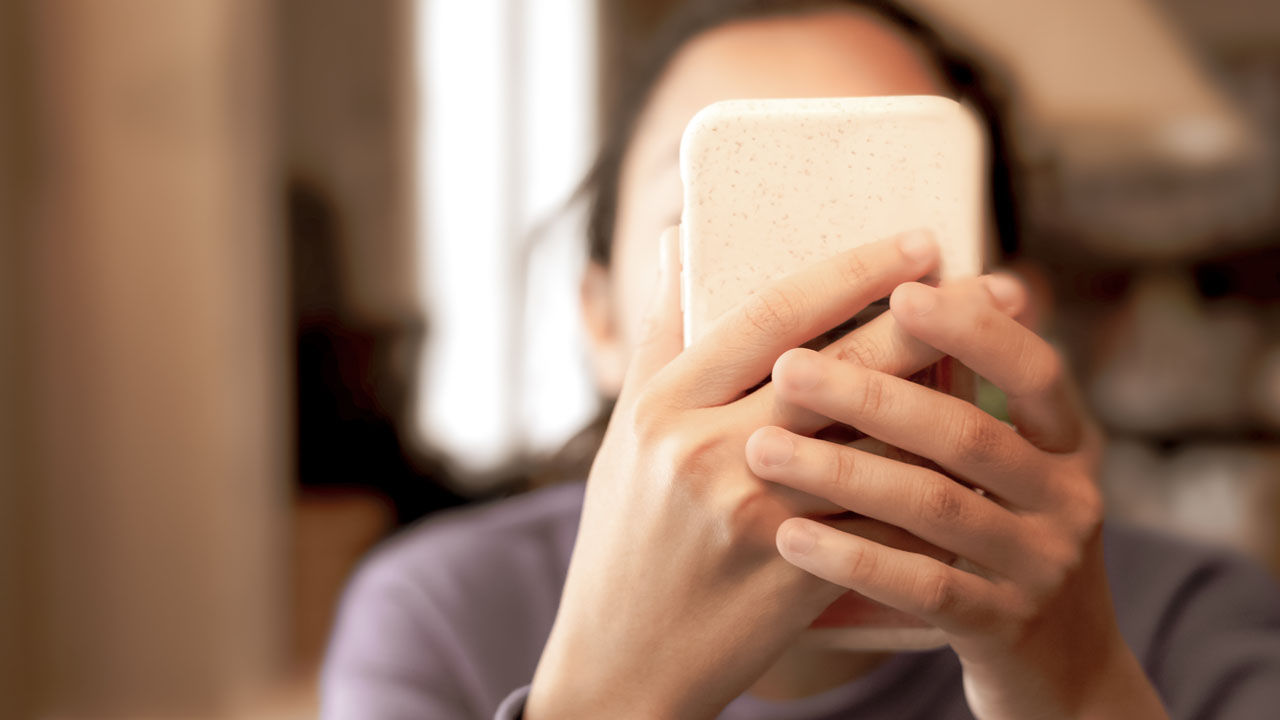
The Pew study found that approximately one-in-four U.S. adults now describe their smartphone use as "almost constant." This persistent level of engagement is most pronounced among the youngest adults. Among the 18-to-29 age bracket, 42% report being on their phones almost constantly. This represents a fundamental shift in daily behavior, where the boundary between "online" and "offline" has effectively evaporated.
Even among those who do not fall into the "almost constant" category, the majority of Americans (60%) report using their smartphones "several times a day." This creates a psychological feedback loop where the device is always within reach, ready to deliver notifications, news, or social interaction, effectively making the smartphone an inescapable part of the modern human experience.
The Battle to Disconnect: Can We Put the Phones Down?
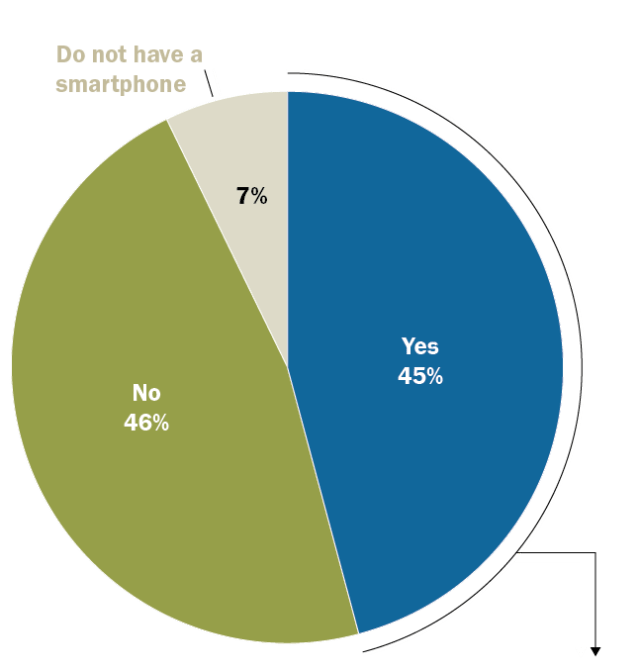
Recognizing the problem is often the first step toward change, but acting on that realization is a different challenge entirely. The survey results show that 45% of U.S. adults have made a conscious effort to cut back on their smartphone usage within the past 12 months.
However, the efficacy of these attempts varies significantly. Among those who have tried to reduce their screen time, only 25% characterize their efforts as "extremely" or "very successful." The majority (52%) describe themselves as "somewhat successful," while 23% admit their attempts were largely unsuccessful.
The motivation to disconnect is strongly correlated with the feeling of over-usage. Among those who believe they spend too much time on their phones, 62% have actively tried to implement limits. Interestingly, while younger adults are far more likely to attempt to cut back—with 58% of adults under 50 trying to reduce their time compared to only 23% of those 65 and older—their success rates in doing so remain relatively consistent with other age groups. This suggests that while younger generations are more self-aware of their digital habits, the structural and social pressures to remain connected may make "digital detoxing" equally difficult regardless of age.
Supporting Data: The Cost of Connectivity
The impact of this pervasive connectivity is felt across several dimensions of life, from productivity to emotional well-being. The survey reveals a nuanced view of the smartphone’s role in our lives.
The Benefits
There is broad agreement that smartphones serve a vital function in keeping the populace informed. 73% of Americans agree that their phone helps them stay informed "a lot" or "a little." Similarly, 51% feel the device is an asset in maintaining social connections. In this regard, the smartphone is viewed as a net positive—an essential bridge to the world.
The Downsides
The story changes when the conversation shifts to health and productivity. The most significant perceived negative impact is on sleep. 41% of respondents report that their smartphone usage hurts the amount of sleep they get, a sentiment that drastically outweighs the 5% who say the device helps them sleep better.
Productivity is another area of contention. While 30% of adults feel their phone helps them be productive, 34% feel it hinders their ability to get things done. This "productivity paradox" suggests that the same device used to organize a professional life is often the primary source of distraction from it.
The Generational Toll: A Deep Dive into Sleep and Stress
The most alarming data points center on the youngest demographic. When asked about the negative impacts of smartphone usage, adults under 30 are significantly more likely to report harm to their quality of life.

A majority of adults under 30 (62%) state that their smartphone usage "hurts" their sleep. This stands in stark contrast to adults aged 65 and older, where only 14% report the same issue. The trend follows for productivity as well: 49% of the youngest cohort feel their phone harms their productivity, compared to just 15% of the oldest age group.
This data suggests that while the smartphone is a ubiquitous tool, it is not an equalizer. Younger generations, who have grown up with these devices as a primary interface for socialization and information, appear to be experiencing the negative externalities of the "always-on" culture more acutely than their older counterparts.
Implications for Public Health and Policy
The findings from this 2026 survey carry significant implications for researchers, policymakers, and tech companies. As the public sentiment regarding screen time shifts toward a desire for reduction, the "Attention Economy"—the business model that relies on maximizing user engagement—faces a potential reckoning.
The Role of Technology Providers
Tech companies have begun to introduce "digital wellbeing" features, such as app timers and "do not disturb" modes. However, the fact that nearly half of the population still struggles with their usage suggests that these software-based solutions may be insufficient to counteract the psychological pull of modern applications.
Mental Health and Workplace Policy
The correlation between smartphone use and sleep deprivation is particularly concerning for public health officials. Chronic sleep loss is linked to a host of long-term health issues, including heart disease and cognitive decline. If a large segment of the population is sacrificing sleep for screen time, it represents a significant societal health challenge that may require more than individual willpower to solve.

Furthermore, the impact on productivity has implications for the modern workplace. Employers are increasingly forced to manage the distraction of the smartphone in the office, with some organizations implementing "no-phone" policies to encourage focus and mental clarity.
Conclusion: The Path Forward
The Pew Research Center survey confirms what many have felt anecdotally: we are in a struggle for our own attention. While smartphones have undeniably made us more informed and connected, the cost—measured in sleep, focus, and peace of mind—is becoming harder to ignore.
As we look toward the future, the challenge for society will be to redefine our relationship with these devices. It is clear that a one-size-fits-all approach to digital consumption is not working. Whether through individual lifestyle changes, shifts in workplace culture, or more robust design changes from technology developers, the data suggests that Americans are ready for a new chapter—one where the smartphone remains a useful tool, but ceases to be an all-consuming master.
The journey toward a healthier digital life is just beginning, and for many, it starts with the simple, yet difficult, act of setting the phone down.
About the Research
This Pew Research Center analysis was conducted to inform the public, journalists, and decision-makers about the evolving landscape of mobile technology. The data is based on a survey of 9,750 U.S. adults who are members of the Center’s American Trends Panel. The survey was conducted from May 26 to June 1, 2026, and is representative of the full U.S. adult population. For further details on the methodology, questionnaire, and topline results, readers are encouraged to consult the full report available through the Pew Research Center archives.