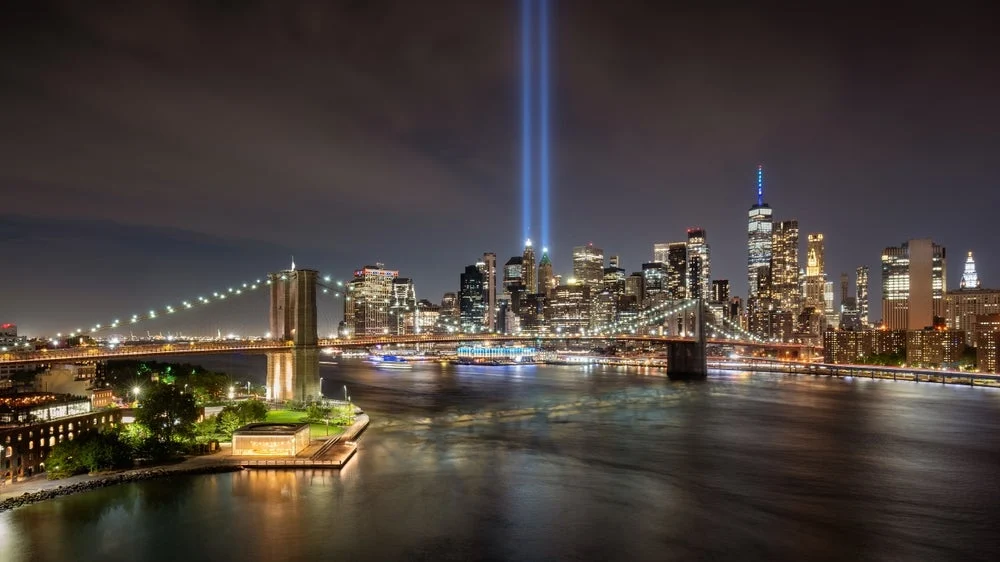
Twenty-five years ago, the morning of September 11, 2001, began as a standard Tuesday for the global communications industry. Across New York City, Washington, D.C., and beyond, public relations professionals were finalizing press releases, prepping for executive meetings, and managing routine media cycles. By mid-morning, that reality had been shattered.
For those in the business of information, September 11 was more than a national tragedy; it was a professional crucible. It was a day that forced communicators to navigate a landscape where established protocols vanished, replaced by a desperate, immediate need for clarity, empathy, and truth in the face of an unprecedented crisis.
The Morning That Changed Everything: A Chronology
The transformation of the media and communications landscape began at 8:46 a.m. ET, when American Airlines Flight 11 struck the North Tower of the World Trade Center.
For many PR pros, the initial reaction was one of professional confusion. "I remember the clear blue Tuesday sky, my pager going off, walking to the Crisis Center and hearing buzz about a small airplane hitting one of the towers," recalls Susana Leyva, who was stationed at the United Airlines Crisis Center.
As the second plane hit the South Tower at 9:03 a.m., the gravity of the situation shifted from a localized disaster to a national emergency. By 9:37 a.m., when American Airlines Flight 77 struck the Pentagon, the professional world had entered a state of complete lockdown. Communications offices in D.C. and New York—some located only blocks from the targets—faced the immediate, existential task of accounting for employees, ensuring the safety of clients, and attempting to disseminate accurate information while the world descended into chaos.
The Human Element: When Strategy Meets Tragedy
For the communications industry, the fallout of 9/11 was not just about logistics; it was about the profound human cost. The industry lost some of its brightest minds, and for those who survived, the day became a moral and professional dividing line.
Crisis Comms in the Wake of Ruin
The burden of communication often fell on those who were themselves traumatized. Neal Gorman, then working for the American Red Cross, spent weeks conducting non-stop interviews. "I somehow knew how to speak without causing more panic," he recalls. His work took him to the Pentagon, the Brooklyn Red Cross headquarters, and family resource centers, where he witnessed the "wall of teddy bears" and the visceral, lingering smell of the burning pile.
Similarly, Filomena Fanelli, a young executive at Rubenstein Associates, remembers the shift from routine real estate PR to an immediate, adrenaline-fueled focus on human life. After evacuating the office and navigating the streets of Lower Manhattan, she returned to her desk. "It taught me a powerful, poignant lesson: What we do in PR matters, but it matters even more when it’s hard," Fanelli notes. "When a crisis hits, your title doesn’t matter. Humans do."
The Pivot: Internal Communications and Employee Safety
As the dust settled, the focus of the industry shifted inward. For communicators, the priority became internal guidance. Employees across the nation were looking to their leadership for direction, reassurance, and survival instructions.
Joseph Caldwell, managing editor for a national insurer in Manhattan, recalls the silence of the office after the towers fell. He spent the evening publishing messages to a terrified workforce. "It wasn’t until I got to Grand Central Station that night… that the magnitude of the situation set in. I saw a completely empty station… I sat on the stairs and waited in the thick silence of an unspeakable tragedy."
The consensus among those who managed employee communications is clear: the crisis mandated a shift toward radical transparency and empathy. Meghan Holston, who lived near the site, notes that her subsequent career as a chief of staff was built on the failures she saw in internal communication during those weeks. "My commitment to clear and thoughtful internal comms is on display every day… I live by the motto: Put yourself in the audience’s shoes."
Professional Implications: The Evolution of Crisis Management
The aftermath of 9/11 permanently altered how organizations approach disaster preparedness. Prior to 2001, many corporate communications plans were theoretical documents; post-9/11, they became vital survival tools.
The Rise of Disaster Preparedness
Kimberly Myers, a PR specialist in New York at the time, notes that the tragedy amplified the necessity of having corporate positioning statements ready for national emergencies. "9/11 amplified the importance of public-facing organizations having a communications strategy when national disasters happen," she explains.
Ethical Storytelling and Public Service
The events also forced a reckoning regarding the role of PR in national discourse. Debra Silimeo, working with the U.S. Fire Administration, saw an opportunity to turn a moment of immense grief into a life-saving campaign. By pivoting to a "Tribute to Heroes" campaign, she utilized the newfound public reverence for first responders to promote home fire safety, generating over $10 million in airplay and saving lives.
For others, the lesson was one of restraint. Laura Gross, working at NPR, initially resisted promoting programming so soon after the attacks. Her realization that news was a vital public service solidified her understanding of the communicator’s role as an advocate for truth and public access, rather than just a promoter of brands.
The Long-Term Impact: Lessons for the Next Generation
Twenty-five years later, the lessons learned by the communicators of 2001 remain a cornerstone of the industry’s ethical framework.
Empathy as a Strategy
The most persistent theme among survivors is the necessity of empathy. Whether it is advising C-suite executives on how to handle sensitive milestones or managing the optics of a corporate response, the industry has adopted a more human-centric approach. "I advise brands and C-suite to be sensitive and empathetic when communicating sensitive milestones and news," says Monique Kelley Gigliotti, who experienced the trauma from the perspective of a student whose father narrowly missed being in the towers.
The Privilege of Storytelling
For many, the tragedy served as an entry point into the profession. Blair Huddy, only 13 at the time, cites the news coverage as the primary motivator for her entry into journalism and communications. Others, like Jeff Cronin, view their role with a heightened sense of duty. "We are the storytellers documenting history as it’s happening," he reflects. "Don’t take it lightly."
Conclusion: A Legacy of Resilience
The stories shared by the PR community are a testament to the resilience of those who bridge the gap between events and public understanding. From the radio reporter in Buffalo who found herself covering a national catastrophe to the agency head who realized her true calling in the shadow of the Pentagon, these professionals were transformed by the fire of 9/11.
Today, as the communications industry navigates an era of digital misinformation and global instability, the "playbook" for crises—which many noted didn’t exist in 2001—is now written in the ink of those who lived through that day. The primary takeaway remains unchanged: behind every headline, every press release, and every corporate statement is a human story. To communicate effectively, one must never lose sight of the people on the other side of the message.
As we look back 25 years later, the "quiet blue skies" remembered by those like Chris Goddard serve as a permanent reminder of the fragility of the world—and the enduring responsibility of those tasked with finding the right words when the world falls silent.