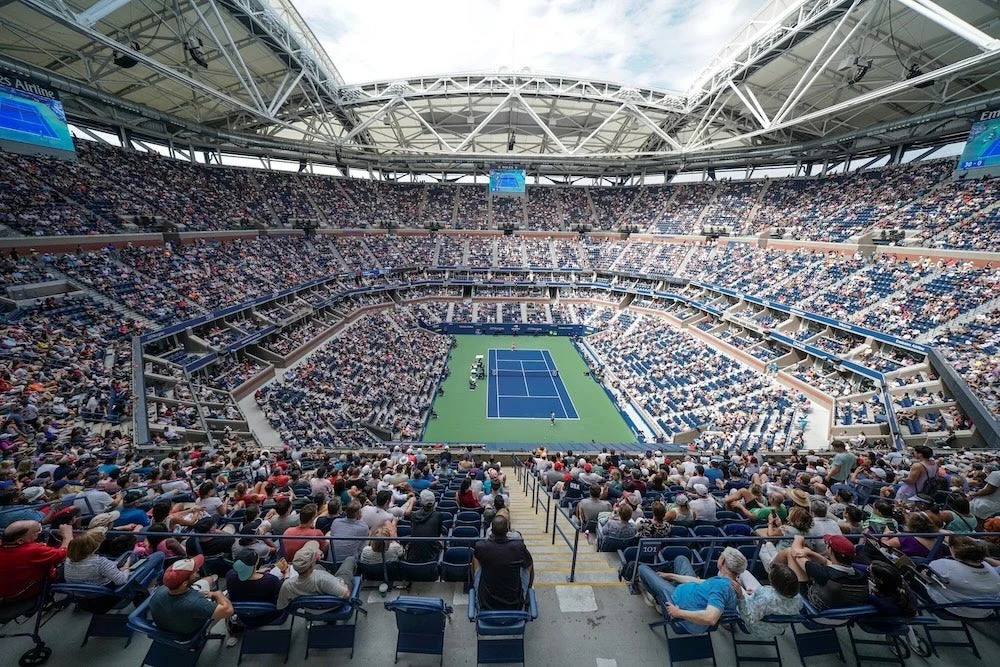
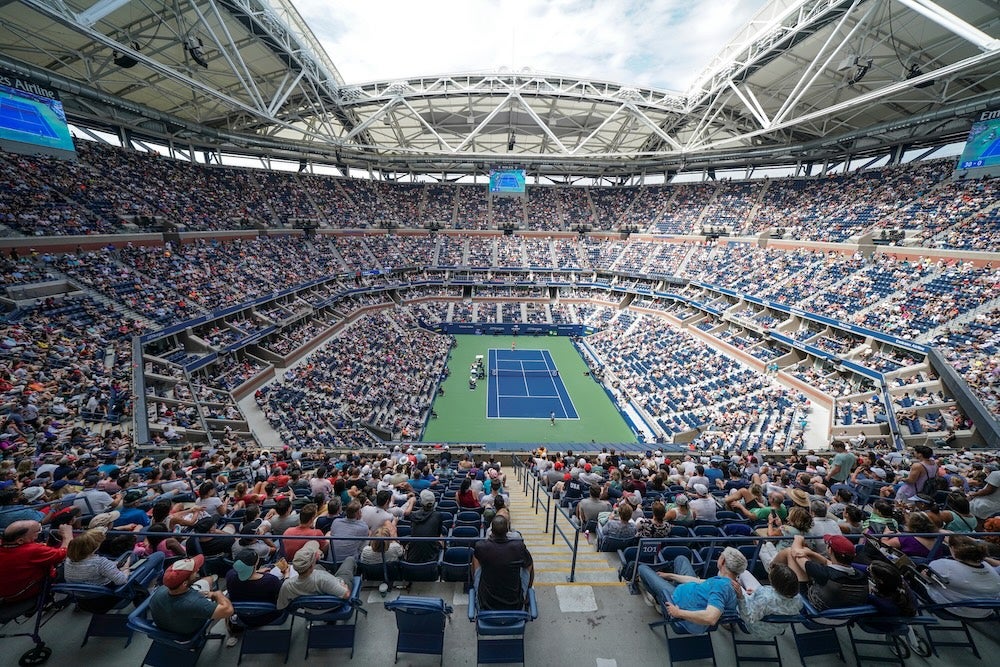
The 2026 U.S. Open was meant to be a showcase of athletic excellence and a masterclass in modern experiential marketing. Instead, it became the epicenter of a heated cultural debate. When a group of high-profile creators and influencers were captured on camera acting "rowdy" during a first-round match between Naomi Osaka and Anastasia Zakharova at the USTA Billie Jean King National Tennis Center, the fallout was swift and unforgiving.
National media outlets and tennis purists alike descended upon the group, characterizing their behavior as a lack of decorum in one of sport’s most prestigious cathedrals. Yet, as the dust settles, the incident has catalyzed a much deeper, more uncomfortable conversation within the marketing and public relations industries. Are brands inviting creators to events for the right reasons, and are they providing the necessary framework for them to succeed?
The Anatomy of the U.S. Open Controversy: A Chronology
To understand the scope of the problem, one must look at the timeline of the 2026 event. The U.S. Open has spent years pivoting from a purely athletic competition to a "lifestyle" event—a melting pot of high fashion, celebrity culture, and high-end hospitality.
- Pre-Event Phase: Brands and corporate partners aggressively courted influencers and content creators, offering premium suite access to ensure the event remained "cool" and relevant to younger demographics.
- The Match (Day One): During the Osaka-Zakharova match, a group of invited creators, distracted by the social nature of the suite and the pressure to capture "Instagram-worthy" content, failed to observe the traditional quiet etiquette required during professional tennis play.
- The Backlash (48 Hours Post-Event): Clips of the group went viral. Critics argued that the influencers were disrespectful to the athletes and the sport. The backlash dominated social media feeds and eventually bled into mainstream news cycles.
- The Aftermath: Brands faced a "guilt by association" dilemma. Public perception shifted from viewing the influencers as savvy marketing assets to seeing them as liabilities, forcing companies to re-evaluate their guest lists for future Grand Slam appearances.
The Expectations Gap: Why Creators Are Not Journalists
The core of the issue lies in a fundamental misalignment of expectations. For decades, the public relations industry has relied on the press to cover events. Reporters operate under a strict code of ethics, a professional "beat" culture, and a tacit understanding of event etiquette.
However, when brands pivot to influencers, they are often treating them like journalists without providing the corresponding onboarding.
The Onboarding Deficit
In the professional media world, an invitation to a high-profile event is usually preceded by briefings, media kits, and expectations of decorum. By contrast, influencers are often invited based on their reach and aesthetic appeal. Rarely are they coached on the specific culture of the venue they are attending.
If a brand invites a creator to a tennis match, they are effectively asking that person to bridge the gap between their brand and a specific subculture. If the creator has never been to a tennis match, they may not intuitively know that "quiet on court" is a sacred rule. When brands fail to communicate these nuances, they are effectively setting the creators up for failure.
Implications for the Creator Economy
The U.S. Open incident is a symptom of a larger, systemic issue in modern marketing: the "distribution channel" trap. Many brands view influencers simply as a way to distribute content to a younger audience. They want the reach of a pop star but the behavior of a press pool member.
The Professionalization of Influencer Marketing
For brands to move forward, they must adopt a more rigorous approach to creator partnerships. This requires a shift in three specific areas:
- Niche Alignment over Vanity Metrics: Brands often chase creators with massive follower counts regardless of their actual interest in the brand’s niche. A creator who focuses on high-end fashion might not be the right fit for a high-stakes, quiet-intensive sporting event. Brands should prioritize creators who have an authentic connection to the sport or activity, even if their following is smaller.
- The "Reporter" Model: Communicators must begin treating creators as partners who need context. A simple pre-event phone call can do more than a dozen emails. By discussing the assignment, the sensitivity of the environment, and the audience’s expectations, brands can build a bridge between the creator’s style and the event’s requirements.
- Redefining the "Activation": The friction at the U.S. Open was exacerbated by the dual pressure to watch the game and create content. If a brand wants content, they should provide dedicated spaces for it—away from the court. By creating "red carpet" or "studio" moments pre-match, creators can capture their content without becoming a distraction during the actual competition.
The Strategy Shift: Advocacy Over Influence
The PR industry is currently navigating a pivot where "influencers" (who are often transient) are being replaced by "advocates" (who are long-term partners). Advocates understand the brand’s values, the event’s history, and the expectations of the community.
Brands that continue to treat creators as disposable distribution channels will continue to face public relations disasters. The solution is not to stop inviting creators, but to stop treating them like background props. If an organization wants to integrate new, diverse voices into legacy spaces, it must accept the responsibility of guiding those voices.
Assessing Future Strategy: The Bottom Line
As we look toward the 2027 season and beyond, the "U.S. Open Incident" should be viewed as a mandatory training module for PR professionals. The questions that every CMO and PR lead should be asking include:
- Is our creator strategy tied to our business goals, or is it merely performative?
- Are we inviting people who understand the space, or are we just chasing the highest engagement numbers?
- Have we provided a clear, documented set of guidelines and expectations for our invited guests?
- Can we create a "content-first" environment that doesn’t disrupt the "experience-first" environment of the fans?
The backlash against the creators at the U.S. Open was not, at its heart, a condemnation of the creators themselves. It was a manifestation of the public’s frustration with a commercialized experience that felt disconnected from the sport it claimed to celebrate.
Brands, leagues, and institutions must decide: do they truly want new voices in these spaces, or do they simply want to utilize new distribution channels that mirror the decorum and behavior of traditional media? You cannot have it both ways. If you invite the culture of the internet into the cathedral of tennis, you must be prepared to manage the collision of those two worlds.
The industry is at a crossroads. The future of influencer marketing will not be defined by who has the most followers, but by which brands possess the organizational maturity to turn those creators into respectful, informed, and authentic participants in the experiences they host. Failure to evolve will only lead to more "rowdy" headlines—and more damaged brand reputations.