Main Facts
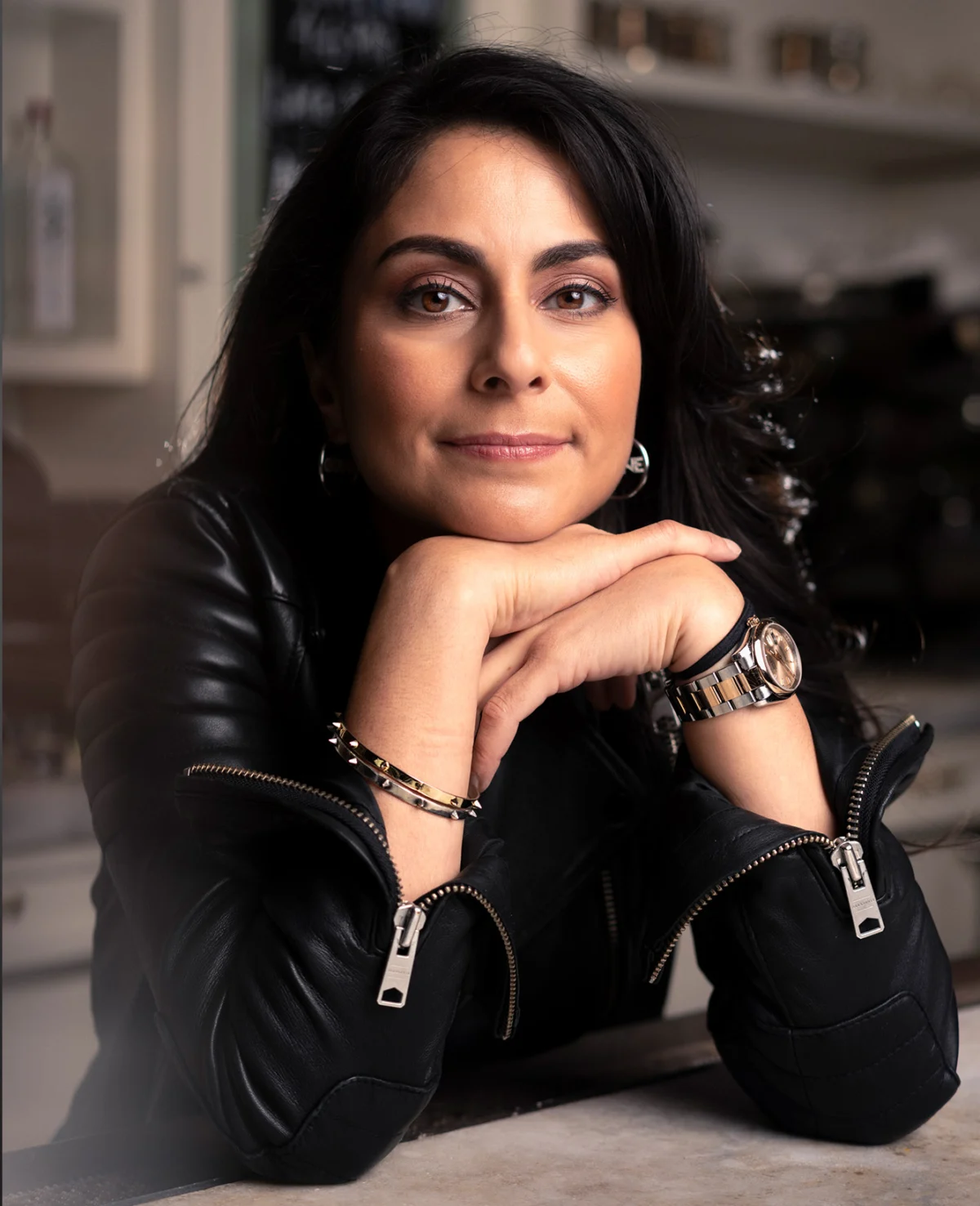
In her new book, The Power of No (Crown), veteran journalist, author, and Jezebel founder Anna Holmes tackles a concept that has occupied her thoughts for nearly a decade: the profound difficulty women and girls face when attempting to set boundaries. Described by Holmes as a "subtle manifesto," the book explores the cultural, psychological, and linguistic implications of refusal, framing the word "no" as an essential tool for self-preservation, autonomy, and emotional health.
The publication of The Power of No follows a long, arduous writing process that nearly derailed before Holmes and her editor hit upon a streamlined approach. Drawing on an eclectic mix of research—from sociologists, linguists, and social psychologists to cultural touchstones like Jane Austen and Harriet the Spy—Holmes examines why society conditions females to be obliging and how economic anxiety, class, and gender intersect to make saying "no" a high-stakes proposition.
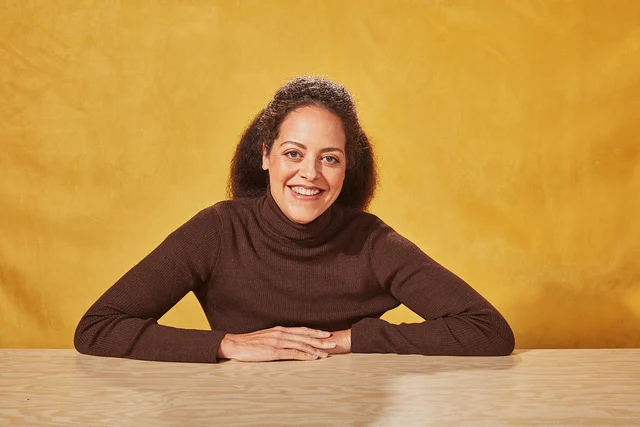
In an interview with Emmy-winning journalist Susie Banikarim, Holmes discusses the painful birth of her latest book, her upcoming sex memoir, the shifting landscape of modern feminism, and what she believes journalists must start saying "no" to in the current political climate.
Chronology: From a 2015 Commencement Speech to a "Subtle Manifesto"
The intellectual journey of The Power of No began nearly a decade ago, rooted in a moment of personal terror for Holmes.
- 2015: Asked to deliver the commencement address at Emma Willard—an all-girls boarding school in Troy, New York—Holmes panicked. Having never given a commencement speech before, she deliberated over what to tell a group of privileged young women who had spent their lives being encouraged to say "yes" and told they could be anything they wanted. She decided to center her speech on the word "no," hoping to complicate how they interacted with a world that expected them to be endlessly obliging.
- 2021: Fascinated by the enduring problem of refusal, Holmes used an essay in The Atlantic as a test case to gauge whether the topic could sustain a book-length exploration. Encouraged by the response, she secured a book deal with Crown.
- 2023–2024: Holmes plunged into extensive reporting, interviewing experts across various disciplines—including children’s language acquisition specialists and self-defense historians. However, the project hit a wall. Overwhelmed by the scope of her research, including a 20,000-word tangent on the history of women’s self-defense, Holmes fell into a cycle of self-loathing and writer’s block, hiding her struggles out of shame.
- Late 2024: Following a "come-to-Jesus" moment with her editor and a collaborative brainstorming session with an editorial colleague, the book was radically truncated. Freed from the weight of an unwieldy, exhaustive manuscript, Holmes completed the final version of The Power of No in roughly two months.
- Present: The Power of No hits shelves this week, and Holmes is already putting the finishing touches on a forthcoming sex memoir detailing her midlife sexual "Rumspringa" following a divorce and the death of her ex-husband.
Supporting Data and Insights: The Anatomy of Saying No
Writing The Power of No required Holmes to confront her own psychological barriers, tracing her relationship with boundaries from early childhood into professional life.
- The Preadolescent Shift: Reflecting on her own life, Holmes noted that she felt the most self-possessed and confident in her ability to say "no" between the ages of six and nine. Upon entering preadolescence and adolescence, she—like many girls—collapsed inward due to insecurity and trepidation, spending the rest of her life trying to claw her way back to that initial unbothered state.
- The Intersection of Class and Gender: Holmes is careful to emphasize that saying "no" is not merely an individual psychological hurdle; it is deeply tied to socio-economic realities. Growing up without significant financial security instilled in her a persistent fear of economic punishment—the anxiety that saying "no" might mean missing out on an opportunity that will never return.
- The Freelance Trap: Now operating as an independent journalist, Holmes finds that the financial precarity of freelance work makes refusal even harder. Yet, her primary professional struggle has shifted inward: she frequently finds herself unable to say "no" to her own creative impulses, pitching and accepting new projects until she becomes overwhelmed. By pivoting between different items in her writing pipeline, she manages to maintain productivity without burning out completely.
Perspectives and Official Commentary: Navigating the Cultural Landscape
Holmes’s career gives her a unique vantage point on the evolution of feminist media and the state of contemporary journalism. Having founded Jezebel in 2007—a platform that unapologetically injected feminist perspectives into mainstream media—she observes a mixed landscape today.
- On the Legacy of Jezebel: Holmes acknowledges that while a generation of women internalized the unapologetic spirit of early feminist digital media, much of that discourse has migrated away from traditional mainstream outlets and onto social media platforms.
- On Political Backlash: Confronted with the current political climate—characterized by active hostility toward feminism and racial justice—Holmes admits to moments of despair. However, she finds heart in the resilient, unyielding voices addressing race and gender online, noting that they carry the spiritual DNA of early feminist web projects.
Implications: What Journalists Must Say "No" To
When asked what the media industry should be refusing in the current political climate, Holmes offered a sharp, urgent directive for reporters and editors facing unprecedented pressure.
"They should say no to what their editors or their parent companies are doing to kowtow to the Trump administration and to gloss over the utterly unprecedented nature of the assault on journalism and journalists that is happening," Holmes stated.
She warned against the numbing effect of continuous outrage—the "shock and awe" strategy that wears down public and institutional resistance—and urged journalists to resist succumbing to institutional self-censorship and appeasement.
As The Power of No arrives in bookstores, Holmes’s message resonates far beyond personal self-care. Whether applied to setting boundaries in a personal relationship, managing freelance output, or confronting institutional cowardice in the press, her manifesto argues that the ability to say "no" is nothing less than a defense of autonomy and democratic truth.