By Betsy Morais
Editor in Chief, Columbia Journalism Review
Main Facts
The United States has entered an unprecedented constitutional and informational standoff between the executive branch and the American news media. In an aggressive escalation of tensions, the Trump administration has barred reporters from CNN, MS Now, and Politico from setting foot on White House grounds, while issuing explicit threats of similar punitive measures against the New York Times and the Washington Post.
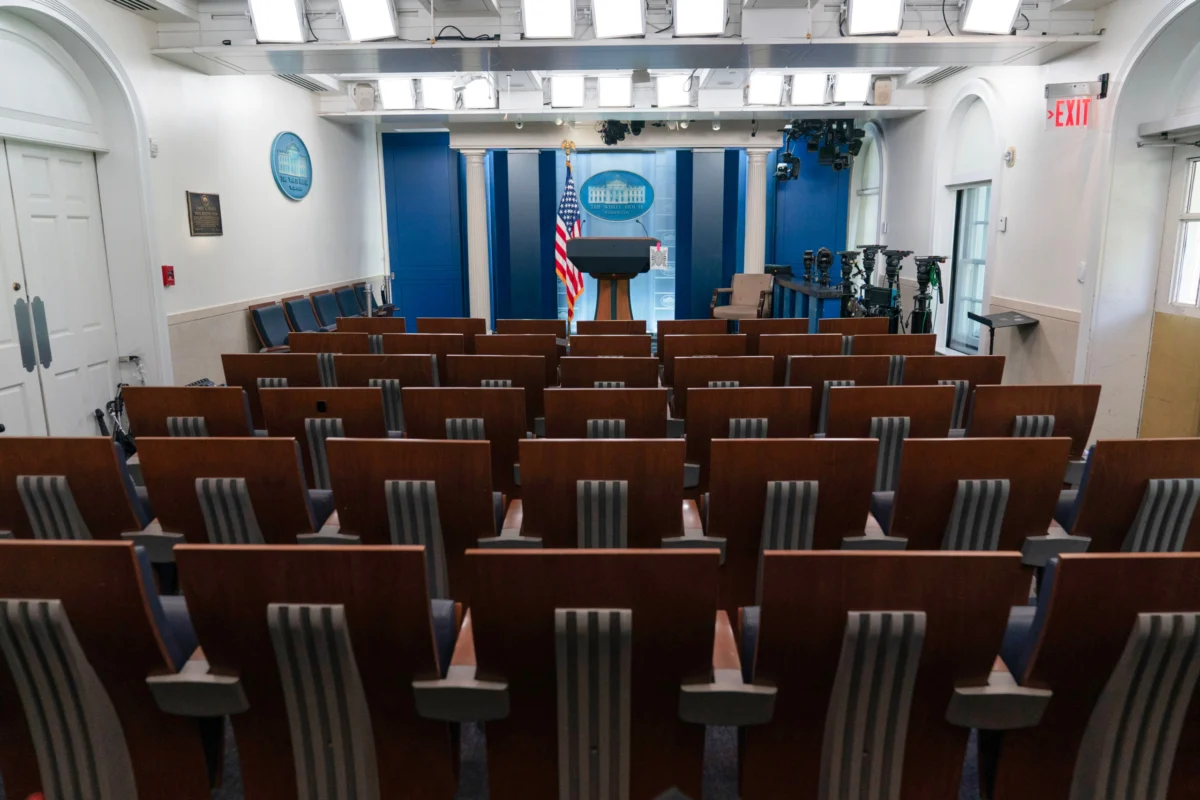
This sweeping ban on designated news organizations was enacted over the weekend, immediately upending the decades-old operations of the White House press pool system. In response to the exclusion, the remaining major networks and leading print publications enacted a unified, temporary suspension of pool coverage to protest what legal scholars and journalism advocates have condemned as textbook viewpoint discrimination and a direct violation of the First Amendment.
Simultaneously, the administration launched an official digital broadcasting initiative—colloquially dubbed "Trump TV"—hosted directly on White House web domains and streaming platforms. Featuring curated highlight reels, major remarks, and high-production-value political clips set to pop music, the platform operates as a 24/7 state-sanctioned alternative to independent journalism. Excluded outlets, alongside individual reporters locked out of the compound, have filed an emergency federal lawsuit in the U.S. District Court for the District of Columbia, setting the stage for a high-stakes judicial showdown over executive authority, physical access, and constitutional protections for the press.
Chronology of Events
The unfolding crisis developed rapidly over a single weekend and the subsequent business week, marking one of the most volatile periods in modern executive-press relations.
Friday: The Ultimatum and the Ban
The crisis began with administration briefings that signaled an impending crackdown on outlets whose coverage the president deemed unfavorable. By late Friday, the directive was issued: security guards at the White House gates were instructed to deny entry to accredited journalists representing CNN, MS Now, and Politico. Additional verbal warnings were directed toward reporters from the New York Times and the Washington Post.
Saturday and Sunday: Solidarity and Retreat
As news of the ban reverberated through journalistic circles, the White House press pool faced an immediate operational crisis. CNN is one of five networks in a rotating pool that shares reporting, video feeds, and logistical access with NBC, ABC, CBS, and Fox News. Recognizing the existential threat posed by the targeted exclusion of a partner network, the remaining pool members faced a choice: acquiesce to a fractured press corps or stand together.
Over the weekend, joint statements were drafted. Network executives and individual bureaus declared that an injury to one was an injury to all. In an extraordinary display of professional solidarity, the broader press corps—including outlets not directly targeted by the initial ban—vowed to suspend the dissemination of White House pool photographs and shared coverage until midnight on Monday.
Monday: The Blackout and the Launch
On Monday morning, the effects of the boycott were immediately felt. At a scheduled presidential ribbon-cutting ceremony, the traditional press pen stood largely empty of independent cameras and boom mics. Not even C-SPAN viewers—dependent on the pooled feeds to monitor public official engagements—were able to receive a comprehensive, independent broadcast of the event.
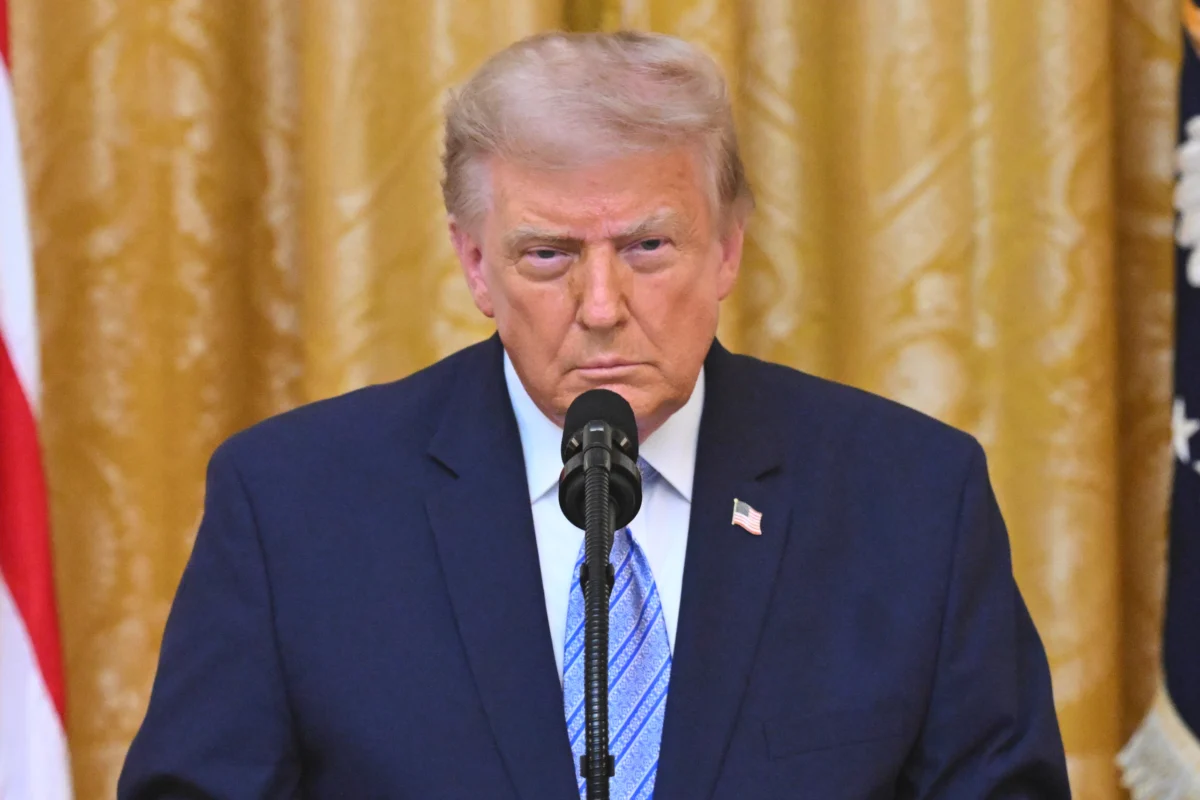
Later that day, however, President Trump appeared publicly in New York alongside city officials, addressing the boycott with characteristic bravado. Standing next to Mayor Zohran Mamdani, Trump gestured toward a gathered throng of local and national reporters, remarking, "It’s interesting because they said they were going to boycott me, but they never boycott me, so I wasn’t very worried about that."
Concurrently, while independent reporters were locked outside the gates—with MS Now’s Akayla Gardner reporting from across the street as the U.S. military color guard prepared for upcoming state visits—the official White House website went live with its new streaming venture. "Trump TV" debuted with a montage set to pop music, effectively bypassing traditional media gatekeepers to beam executive-approved content directly to the public.
Tuesday and Wednesday: The Legal Battle Begins
Legal maneuvers commenced swiftly. Attorneys representing the spurned journalists, alongside CNN, MS Now, and Politico, filed a federal lawsuit in the U.S. District Court for the District of Columbia. The defendants named in the suit include President Trump, Communications Director Steven Cheung, Chief of Staff Susie Wiles, and Secret Service Director Sean M. Curran.
U.S. District Judge Timothy Kelly, a 2017 Trump appointee, ordered the administration’s legal counsel to submit a formal response by Tuesday, scheduling further hearings and filings for Wednesday. Legal observers immediately drew parallels to Judge Kelly’s 2018 ruling in favor of then-CNN reporter Jim Acosta, whose press credentials were successfully restored after being revoked by the administration.
Supporting Data and Legal Framework
The constitutional gravity of the White House press ban has drawn sweeping condemnation from legal scholars, constitutional experts, and press freedom organizations.
- The Plaintiffs: The lawsuit filed in the District of Columbia argues that barring specific news organizations based on the content of their reporting constitutes an unconstitutional "viewpoint discrimination" strategy. The legal filing demands that the ban be "immediately restrained" and that accredited reporters be granted immediate, unimpeded access back onto White House grounds.
- Constitutional Consensus: Bruce D. Brown, president of the Reporters Committee for Freedom of the Press, labeled the administration’s actions as "flatly unconstitutional." Constitutional scholars point out that while the executive branch maintains discretion over certain types of access, operating the people’s house in a manner that selectively punishes critical reporting violates foundational First Amendment principles.
- The Judicial Precedent: In Acosta v. Trump (2018), the courts established that the revocation of White House press credentials implicates the Fifth Amendment’s Due Process Clause, requiring clear standards and fair procedures rather than arbitrary political retaliation. Judge Kelly’s prior involvement in that landmark case provides a significant precedent for the current proceedings.
- Global Implications: Journalism advocates have highlighted the chilling diplomatic optics of the ban. As Akayla Gardner noted from her post across Pennsylvania Avenue—listening to rehearsals for the upcoming state visit of Chinese President Xi Jinping—the exclusion of independent media sends a profoundly contradictory message to authoritarian regimes where state-controlled media is the norm.
Official Responses
Reactions to the ban have broken down along predictable political and professional fault lines, though the depth of the media’s defensive posture has surprised some observers.
- The White House Press Corps and Correspondents’ Association: Jacqui Heinrich, the Fox News reporter serving as president of the White House Correspondents’ Association, issued a stern defense of journalistic independence. She emphasized that access is not a personal perk for reporters, but a fundamental right belonging to the American people to receive an objective, unvarnished account of executive actions.
- The Network Pool Statement: In a joint declaration released on behalf of the major broadcasting networks, representatives stated: "The public has a vital interest in receiving accurate, independent information about its government. No administration should restrict a news organization because it objects to its reporting."
- The Administration’s Stance: When directly questioned by reporters about whether the press ban would survive judicial scrutiny, President Trump remained unfazed and dismissive of the legal hurdles. "Well, we’ll see," he replied, adding that he believed the exercise was worthwhile simply to highlight his ongoing grievances with negative news coverage, regardless of the ultimate judicial outcome.
Implications for the Future of American Journalism
The simultaneous normalization of "Trump TV" and the criminalization or exclusion of critical reporting represent a watershed moment for American democracy.
The Rise of Disintermediated Propaganda
"Trump TV"—officially branded as "The Essentials Station"—sidesteps the adversarial nature of a free press entirely. By streaming curated highlight reels, such as the 2025 inauguration and the Mount Rushmore address, directly to its subscriber base of approximately three million accounts, the administration is attempting to construct an alternative epistemic reality. On this platform, there are no probing questions about policy failures, ethical controversies, or diplomatic friction. Instead, viewers are treated to military displays, patriotic montages, and direct calls to action, such as text-messaging prompts for administrative updates.
A Test of Journalistic Solidarity
A critical question moving forward is whether the collective backbone of the press corps will hold. Past efforts to fracture the media—such as the targeted restrictions placed on the Associated Press in previous cycles—were met with fragmented responses, allowing the executive branch to pick off outlets one by one.
The current boycott represents a hardened, collective realization that incremental concessions lead to total capitulation. As journalists like Akayla Gardner have pointed out, the press can no longer afford to cede physical and informational territory to state-sanctioned propaganda platforms.
The Role of the Judiciary
With Judge Kelly reviewing the emergency injunction requests, the federal courts are once again cast as the ultimate arbiter of executive overreach. Should the courts rule decisively in favor of the press, it will reaffirm the judiciary as a vital check on presidential authority over public property and information access. Conversely, a weak ruling or prolonged delay could permanently alter the physical and operational landscape of White House reporting, establishing a dangerous blueprint for future administrations seeking to muzzle independent oversight.
Ultimately, the events of this week have laid bare the fragility of democratic norms when confronted with an administration committed to replacing institutional accountability with a closed-circuit television feed. As the legal battles proceed and the press corps maintains its uneasy vigil outside the gates, the core question remains whether the American public will continue to demand an independent accounting of its government—or settle for the curated comfort of Trump TV.