By Amos Barshad
Main Facts: The Unraveling of Independent Media in Egypt
On October 27, Lina Attalah, cofounder and editor in chief of Mada Masr—Egypt’s most prominent independent news organization—stood inside the New Cairo Misdemeanor Court. She was there as a defendant facing a single, systemic charge: running a media website without a government-sanctioned license.
For years, Mada Masr had repeatedly applied for the necessary credentials, only to be met with administrative stonewalling. Egyptian authorities routinely ignore or reject license applications from any media outlet they deem unfriendly or overly critical. The hearing itself was a perfunctory exercise designed to achieve a predetermined outcome. Presiding Judge Mohamed Mubarak summarily rejected basic requests from Mada Masr’s legal team to call witnesses or even review the case file. When defense lawyers refused to enter a plea under such coercive conditions, Mubarak announced the court would appoint a defense attorney for Attalah against her will.
"I started to object, and I was taken out of the courtroom by the police," Attalah recalled. Minutes later, Judge Mubarak delivered his ruling: Mada Masr was ordered to close.
Following a grueling seven-hour detention in the courtroom basement, Attalah was released only after the publication paid a staggering three-million-Egyptian-pound fine (roughly $54,000 USD). Upon her release, she uncovered a chilling secondary shock: in 2024, she had been quietly convicted in absentia of publishing "false news" and sentenced to one year in prison.
"I have no idea why this happened in absentia," Attalah said. "I live in the country. I work in the country."
Now, she faces an impending criminal retrial—with Judge Mubarak once again presiding. Her legal team is aggressively petitioning for his recusal ahead of a crucial hearing scheduled for November 18.
Chronology: From Tahrir Square to the Sisi Crackdown
To understand Mada Masr is to understand the arc of Egypt’s post-revolutionary political history. Attalah, now in her forties, grew up in Cairo and was radicalized early. In the early 2000s, reporting for the Cairo Times, she covered local protests against longtime autocrat Hosni Mubarak that had been galvanized by the Second Intifada.
"I felt like journalism could be a way to engage with that—that it was not just a technical vocation but a form of political engagement," Attalah reflected.
When the 2011 Egyptian revolution erupted, ousting Mubarak after three decades in power, Attalah and her peers were on the front lines. Jonathan Guyer, program director at the Institute for Global Affairs at Eurasia Group and a former Cairo reporter, notes that Mada Masr’s staff represents "the generation that built followings and reputations for being on the ground in Tahrir Square."
Following the brief, tumultuous tenure of Mohamed Morsi and the subsequent 2013 military coup led by former intelligence chief Abdel Fattah el-Sisi, the political landscape shifted dramatically. Sisi initiated a sweeping, draconian crackdown on dissent and the press. Undeterred, Attalah and many of her former colleagues from the defunct Egypt Independent launched Mada Masr in 2013.
"We started Mada as both a journalism project and as an institution-building exercise," Attalah explained. "For journalism to thrive, you need an institutional ecology to nurture it and support it."
Over the next decade, Mada Masr endured relentless state pressure:
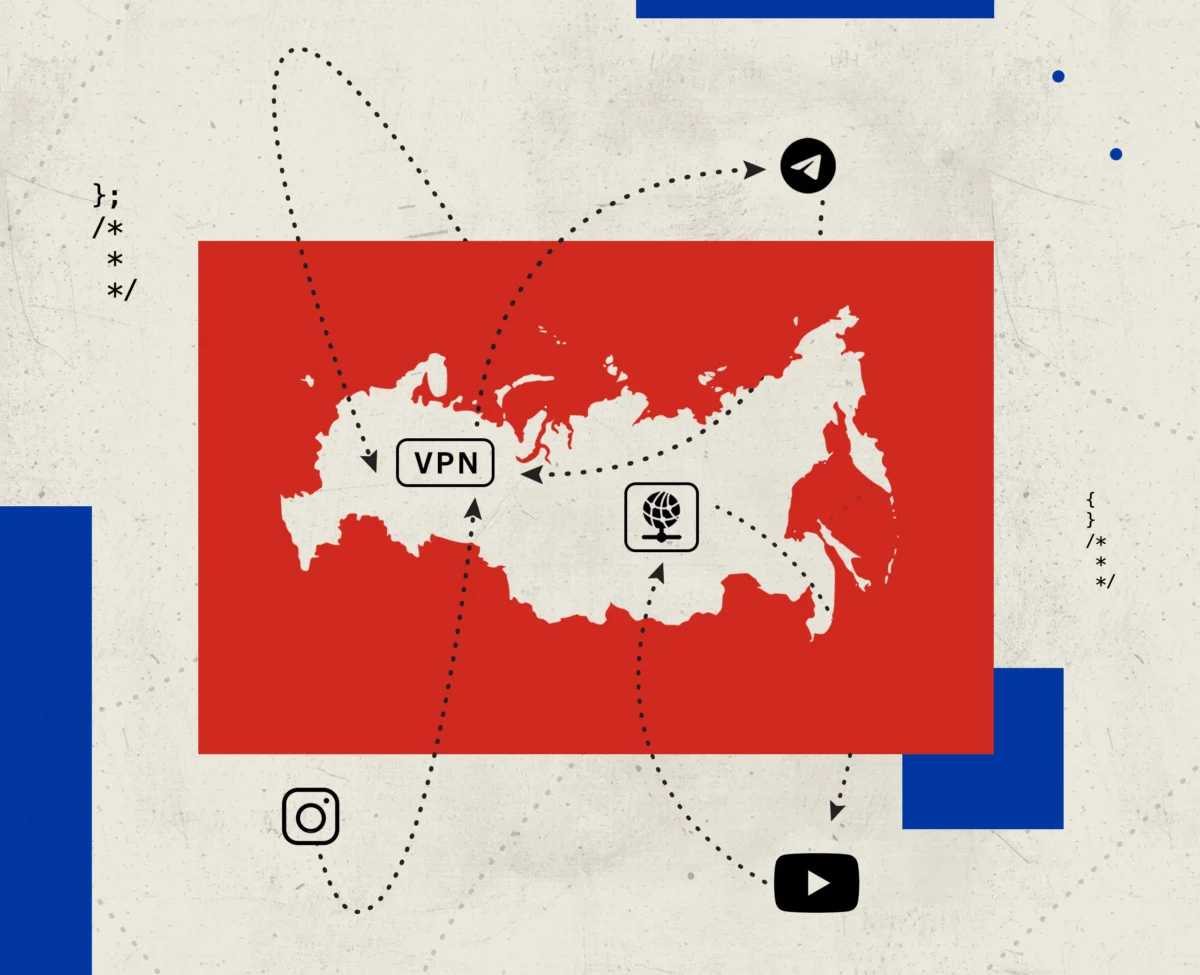
- 2017: The Egyptian government officially blocked Mada Masr’s website, forcing domestic readers to rely on virtual private networks (VPNs).
- 2019: Security forces raided the publication’s Cairo office, lining up staff against the wall and detaining Attalah, senior editor Mohamed Hamama, and another colleague. They were released shortly thereafter following presumed high-level diplomatic interventions by Western allies.
- 2022: Attalah faced interrogation and "false news" charges shortly after publishing an investigation into corruption within Sisi’s ruling Nation’s Future Party.
- October 2024–Present: The cumulative legal assaults, culminating in the recent court-ordered closure and heavy fines.
Supporting Data: The Shrinking Space for Dissent
Mada Masr is far from an isolated target. According to data compiled by the Committee to Protect Journalists (CPJ), Egypt remains perennially ranked among the worst jailers of media workers globally, with at least 25 journalists currently imprisoned behind bars.
The state’s methods of control extend far beyond direct arrests and court-ordered shutdowns:
- Websites and Fact-Checkers: In September, security forces arrested all six employees of Matsadaash, an independent fact-checking platform. According to Amnesty International, the detainees were subjected to torture and ill-treatment to coerce them into recording false, self-incriminating video confessions.
- Targeted Harassment: Repression frequently manifests as private lawsuits, targeted visa revocations, and coordinated "troll armies" unleashed online to harass journalists.
- Corporate Capture: Mada Masr famously published a landmark investigation exposing how the Egyptian intelligence service systematically acquired control of major commercial newspapers and television networks to homogenize the national media landscape.
Despite operating behind state-mandated digital blocks, Mada Masr expanded its footprint. The newsroom grew from roughly 20 employees to 50, broadened its geopolitical focus to cover Sudan, Gaza, Syria, Iran, and Lebanon, and cofounded the Counter Academy—a training ground for young Arab journalists through the Febrayer independent media network.
"Everyone is worried about their jobs," said senior editor Mohamed Hamama. "The stress is taxing. We are not activists. We are journalists… Gone are the days when we wake up and do our jobs and go home."
Official Responses: International Condemnation Met with Geopolitical Apathy
Global human rights bodies and press freedom organizations have sharply rebuked Cairo’s escalating campaign against the media.
The United Nations Human Rights Office issued a scathing statement condemning the "widening assaults on press freedom by Egyptian authorities," declaring that "these alarming developments must end immediately." Similarly, a bipartisan handful of US lawmakers—including Senators Chris Van Hollen and Bernie Sanders, alongside Representative Rashida Tlaib—have publicly criticized the crackdown.
However, the response from top executive branches has exposed a glaring fracture in international accountability. When US Secretary of State Marco Rubio was pressed by reporters regarding the deteriorating human rights situation in Egypt, he indicated that Washington had no intention of intervening, citing Egypt’s status as a "reliable and good defense partner of the United States."
Academics and policy experts have labeled this stance a moral and strategic catastrophe. Naomi Sakr, professor emerita at the University of Westminster, criticized Western powers for dispensing billions of dollars in military and financial aid while turning a blind eye to authoritarian abuses.
Nancy Okail, president and CEO of the Center for International Policy—who was herself convicted in absentia in Egypt in 2013 during a notorious crackdown on NGOs—pointed out that the lack of pushback from Washington comes as no surprise. Given the prevailing political climate in the West, where elements within leadership frequently malign the press as an enemy, Okail noted that authoritarian regimes feel emboldened, knowing Western allies are unlikely to impose real diplomatic costs for crushing independent journalism.
Implications: A Chilling Effect Across the Region
The judicial assault on Mada Masr and Lina Attalah carries profound implications not just for Egypt, but for the wider Middle East.
Sharif Abdel Kouddous, Middle East editor at Drop Site News and a former four-year veteran of Mada Masr, emphasizes the irreplaceable value of the outlet. By publishing simultaneously in Arabic and English, Mada Masr allows Egyptian journalists to speak directly to the world on their own terms, bypassing foreign fixers or compromised state-run media narratives.
"All the coverage on the TV news outlets is the same: shrill, supportive coverage of the government," Kouddous said. "Mada Masr is one of the only sources of real critical news coverage in Egypt."
International solidarity remains robust. Prominent global watchdogs, including Amnesty International, PEN America, and more than a hundred international organizations, have mobilized in defense of Attalah and her newsroom.
"If they imprison Lina, that would sound the death knell for independent media in Egypt," Kouddous warned. "That would reverberate around the region. Mada Masr is a pillar."
For her part, Lina Attalah remains defiant, even as she acknowledges the overwhelming psychological and professional toll of the state’s unrelenting pressure.
"We are being totally surrounded by these judicial processes. Journalism cannot breathe. I’m not going to hide that we’re shaken by the pressure," Attalah admitted. Yet, looking back on more than a decade of turbulence, she remains fiercely proud of what her team achieved.
"Neither me nor anyone at Mada has done anything that should cause this kind of treatment," Attalah concluded. "We were doing our jobs. We are the best journalists in this country. I can say this with a little bit of pride in a moment of brokenness."
Asked whether she would attempt to build another independent newsroom if Mada Masr is permanently silenced, Attalah paused. "It’s too early," she said. "But I think us and Mada will find our way to each other, in some way or another."