Television history is defined by its ability to provoke emotional investment. While audiences often mourn the loss of beloved protagonists, there exists a unique, almost primal satisfaction in watching a truly loathsome villain finally meet their end. These moments are more than just plot points; they are the narrative "payoff" for seasons of built-up frustration, fear, and moral outrage.
For a villain’s death to resonate, the character must be masterfully crafted. They cannot merely be obstacles; they must be personal, formidable, and deeply, viscerally detestable. When these characters finally fall, the audience isn’t just watching a story—they are experiencing a collective sigh of relief. From the blood-soaked plains of Westeros to the suburban kitchens of New Jersey, here is an analysis of five iconic television deaths that had audiences cheering.
1. The Governor: The Walking Dead
The Face of Post-Apocalyptic Cruelty
When David Morrissey was cast as Philip Blake, better known as "The Governor," in AMC’s The Walking Dead, he stepped into a role that would define the show’s shift toward darker, more character-driven horror. By the time the Season 4 midseason finale, "Too Far Gone," aired, The Governor had become the personification of ego and malice.
Chronology of the Downfall:
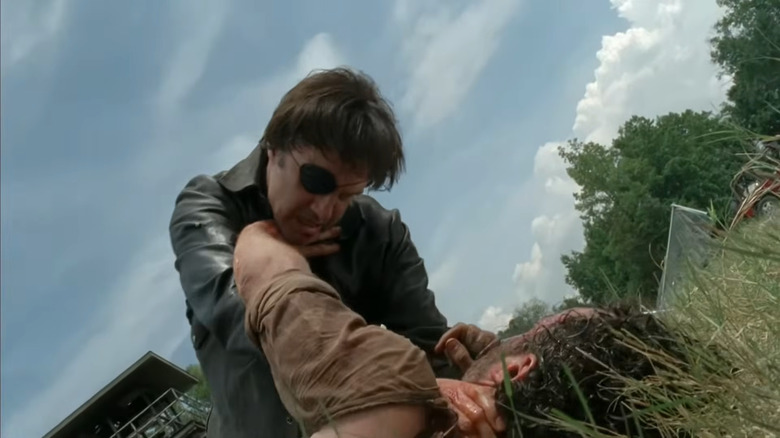
After his initial defeat at the end of Season 3, the showrunners orchestrated a brief, forced redemption arc for the character. However, this was merely a tactical reset. Upon re-emerging, he orchestrated a hostile takeover of his own makeshift camp, leading them to the gates of the prison—Rick Grimes’ (Andrew Lincoln) hard-won sanctuary. The subsequent confrontation remains one of the most harrowing sequences in the series, culminating in the brutal execution of the moral compass of the group, Hershel Greene (Scott Wilson).
The Public Reaction:
The death of Hershel at the hands of The Governor shattered the audience. Yet, the writers provided a swift and brutal correction. As The Governor strangled Rick in the mud, Michonne (Danai Gurira) intervened, running him through with her katana—the very same blade that had claimed Hershel’s life. It was a moment of perfect poetic justice, cementing the Governor as the show’s most hated antagonist up to that point.
2. Ralph Cifaretto: The Sopranos
The Sociopath’s Reckoning
In the landscape of prestige television, The Sopranos stood apart for its refusal to romanticize its mobsters. Ralph Cifaretto (Joe Pantoliano) was perhaps the most abrasive, volatile, and morally bankrupt character in the show’s history.
A Legacy of Transgression:
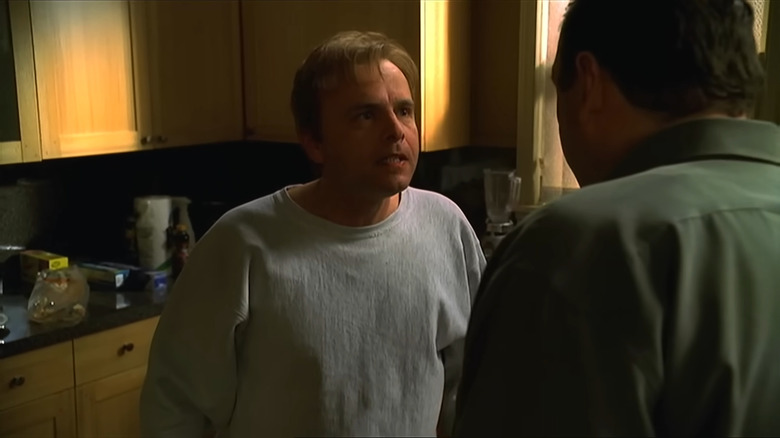
Ralph’s tenure was marked by a string of atrocities: his mockery of a rival’s wife, his indirect role in the death of Jackie Jr., and the horrific, casual murder of a pregnant dancer at the Bada Bing. He was a character who thrived on chaos and lacked the basic human empathy that even other mobsters seemed to occasionally display.
Implications of the Murder:
In the Season 4 episode "Whoever Did This," the tension between Tony Soprano (James Gandolfini) and Ralph reaches a breaking point over the death of a racehorse, Pie-O-My. Whether Ralph actually killed the horse or not became secondary to the audience’s desire to see him stopped. When Tony corners him in his kitchen, the ensuing struggle is visceral and ugly. The death of Ralph was not presented as a heroic act, but as a necessary culling of a predatory element within the criminal ecosystem. For the audience, watching the bully finally get bullied into silence was a dark, necessary catharsis.
3. Todd Alquist: Breaking Bad
The Banality of Evil
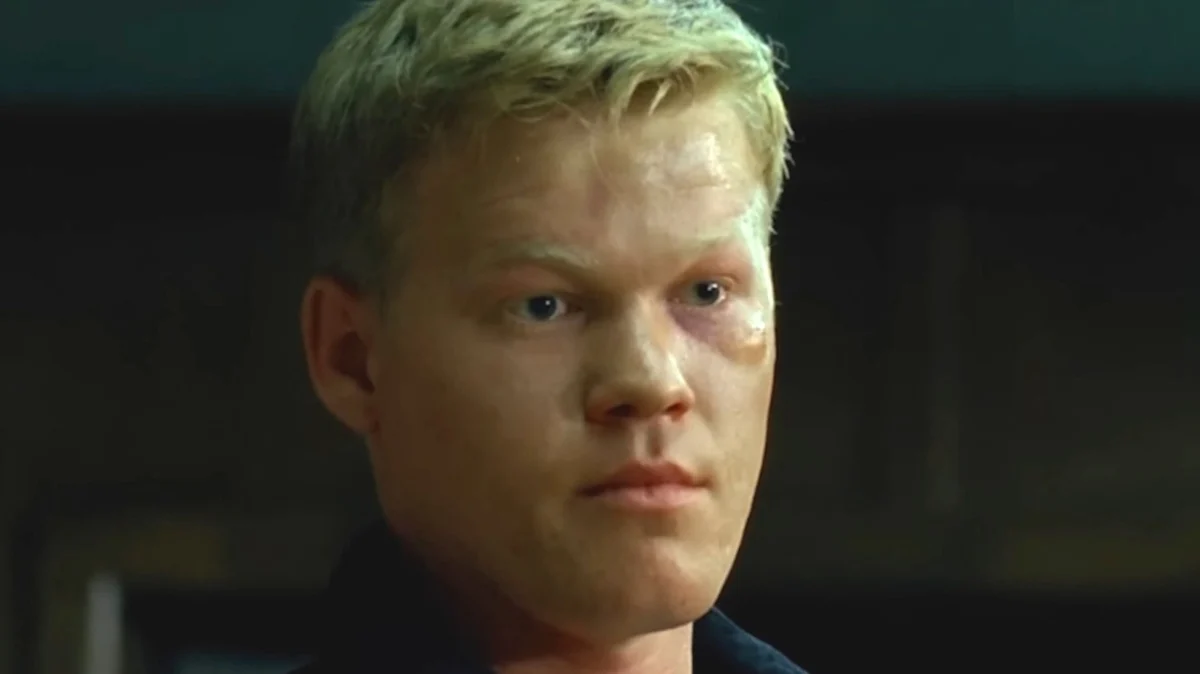
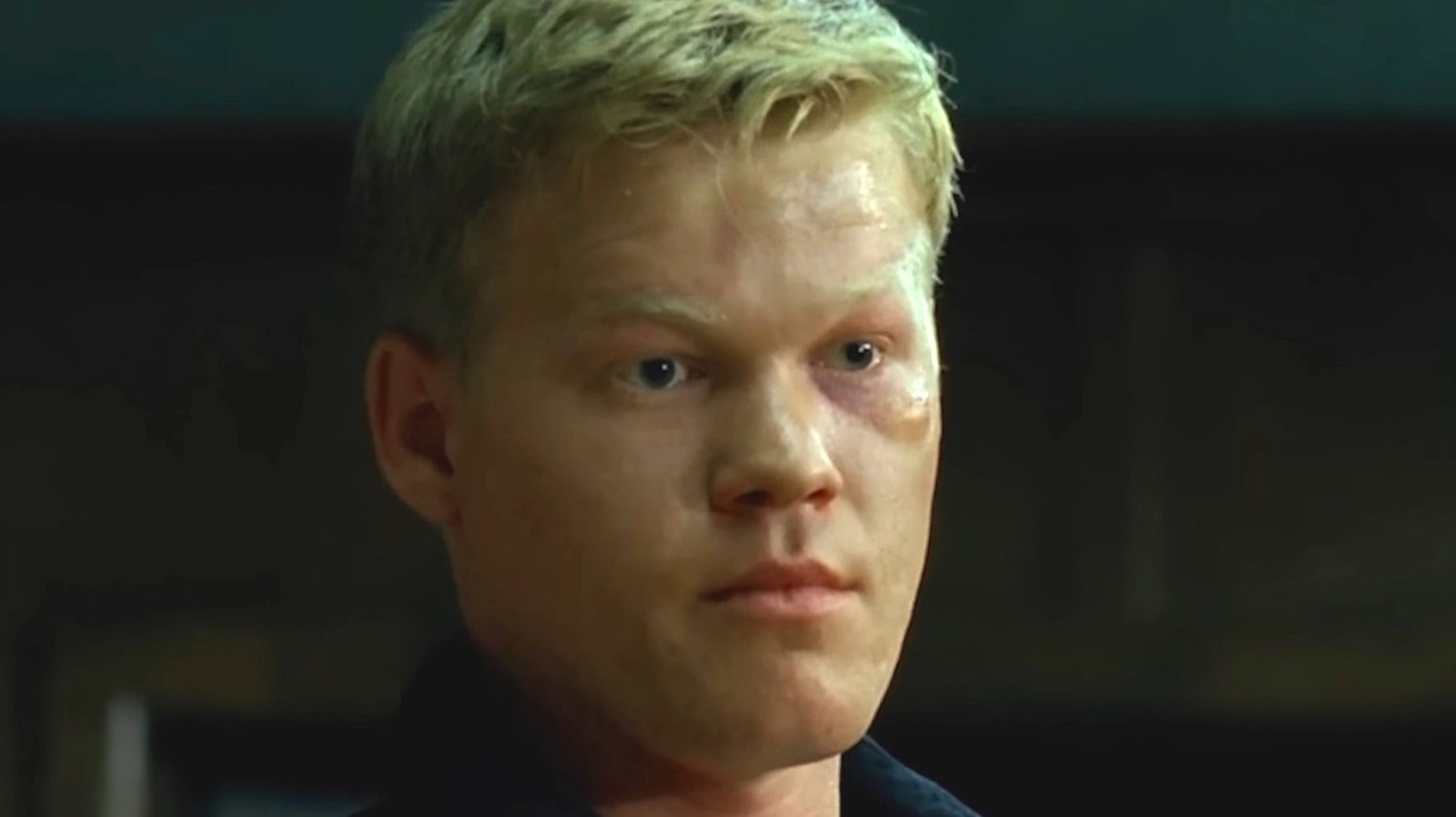
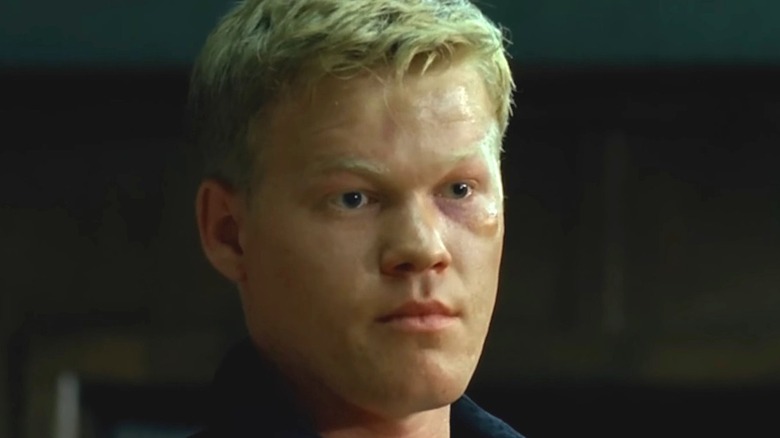
Todd Alquist (Jesse Plemons) represents a different breed of villainy. Unlike the grand, charismatic megalomaniacs of other dramas, Todd was chillingly polite and unassuming. This "banality of evil" made his actions—such as the cold-blooded murder of a child witness and the systematic enslavement of Jesse Pinkman (Aaron Paul)—all the more disturbing.
Supporting Data: The "El Camino" Effect:
While Todd was a secondary antagonist in the final season of Breaking Bad, his role was retroactively amplified by the sequel film El Camino. By showing the full extent of the psychological and physical torture he inflicted on Jesse, the audience’s hatred for Todd solidified into a singular, burning need for retribution.
The Final Act:
In the series finale, "Felina," Walter White’s remote-controlled turret eliminates the neo-Nazi gang, but the writers specifically spared Todd for a more intimate end. As Jesse wraps a chain around Todd’s neck, the viewer is granted a rare moment of pure, unadulterated justice. It was a scene that served as a release valve for years of suppressed trauma inflicted upon the show’s most sympathetic character.
4. Kilgrave: Jessica Jones
The Horror of Control
David Tennant’s Kilgrave is widely considered one of the most terrifying villains in the Marvel Cinematic Universe. His power—the ability to compel anyone to do his bidding through a single whispered command—was a chilling metaphor for gaslighting and abuse.
The Psychological Weight:
Throughout the first season of Jessica Jones, Kilgrave was always one step ahead. His obsession with Jessica (Krysten Ritter) wasn’t just a plot device; it was a deep exploration of consent and power dynamics. The media response to the character was profound, with many critics pointing out that Kilgrave’s actions mirrored real-world experiences of survivors, which made his eventual defeat not just a narrative requirement, but a cultural necessity.
The Catharsis:
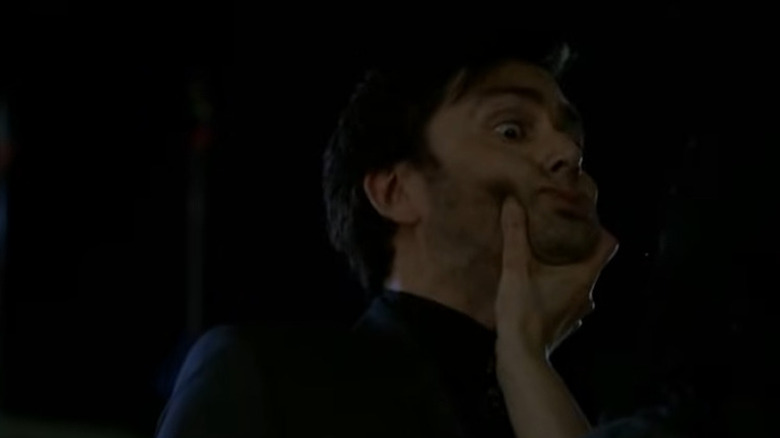
When Jessica finally snaps Kilgrave’s neck, the scene is not shot with the bravado of a superhero triumph, but with the quiet, intense finality of a survivor reclaiming her agency. It remains one of the most lauded moments in the Netflix-Marvel canon, serving as a powerful conclusion to an emotionally draining story.
5. Joffrey Baratheon: Game of Thrones
The King of Cruelty
If there is a gold standard for "villains we love to hate," it is Joffrey Baratheon. For three seasons, Jack Gleeson portrayed the young King with such incredible skill that he became a lightning rod for global audience frustration.
The Chronology of Infamy:
Joffrey was more than just a bad king; he was a spoiled, sadistic child with absolute power. From the execution of Ned Stark to the constant, casual abuse of Sansa Stark and Tyrion Lannister, Joffrey’s existence was a constant source of tension. He represented the "cruel, senseless, and unjust nature of power" that defined the world of George R.R. Martin.
Supporting Data and Cultural Impact:
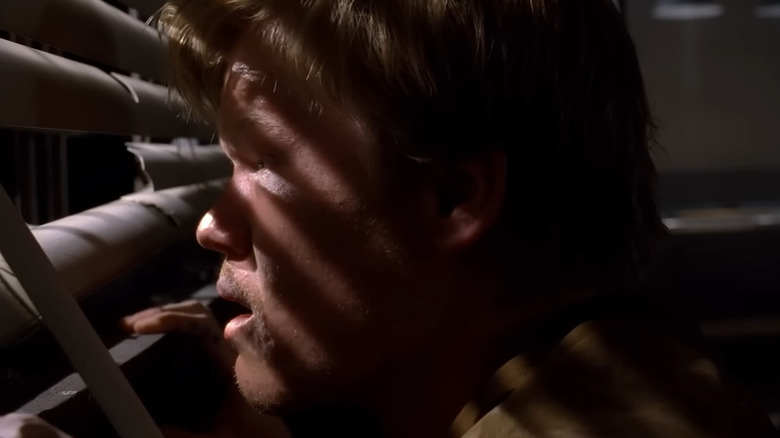
When "The Lion and the Rose" aired, the internet erupted. The death of Joffrey—choking to death on poisoned wine at his own wedding—was arguably the most celebrated moment in the history of the series. Reports at the time noted thousands of reaction videos uploaded to YouTube, confirming that the world was collectively rooting for the demise of this fictional boy-king. A decade later, the episode remains a high-water mark for the series, proving that sometimes, the most effective way to engage an audience is to give them exactly the justice they crave.
Conclusion: The Narrative Necessity of Retribution
The success of these character deaths demonstrates that audiences are not just looking for "happy endings." They are looking for narrative integrity. When a character is written to be an agent of chaos or pure evil, their survival can feel like a betrayal of the story’s internal logic.
These five deaths—The Governor, Ralph Cifaretto, Todd Alquist, Kilgrave, and Joffrey Baratheon—remain iconic because they were earned. They required the protagonist to sacrifice, the writers to commit, and the audience to bear witness. In the end, these moments remind us why we watch television: to see the arc of justice, however long and painful the journey, finally bend toward its conclusion.