Long before Channing Tatum and Jonah Hill traded in their high school IDs for big-screen comedy gold, the original 21 Jump Street was carving out a revolutionary space in the landscape of 1980s television. Debuting on the fledgling Fox network in 1987, the series wasn’t just another police procedural; it was a gritty, high-stakes exploration of youth culture, social inequality, and the internal moral struggles of undercover law enforcement. Over the course of five seasons and 103 episodes, the show transcended its premise of "cops posing as students" to become a cultural touchstone that launched a global superstar and pushed the boundaries of network censorship.
The Genesis of a Phenomenon
Created by Patrick Hasburgh and Stephen J. Cannell, 21 Jump Street was a gamble for the nascent Fox network. It centered on an elite squad of police officers—all possessing "youthful" appearances—who operated out of a deconsecrated chapel to investigate crimes involving high school and college students.
While its marketing leaned into the teen idol appeal of its leads, the writing staff frequently aimed higher. The show tackled "Just Say No" era social issues with a level of intensity rarely seen on prime-time television at the time. Episodes like "Swallowed Alive," which exposed the systemic corruption and brutal conditions within juvenile detention centers, and "Blindsided," which dealt with the harrowing prospect of a student hiring an officer to assassinate her own parent, proved that the show was willing to navigate the dark, often uncomfortable fringes of adolescent life.
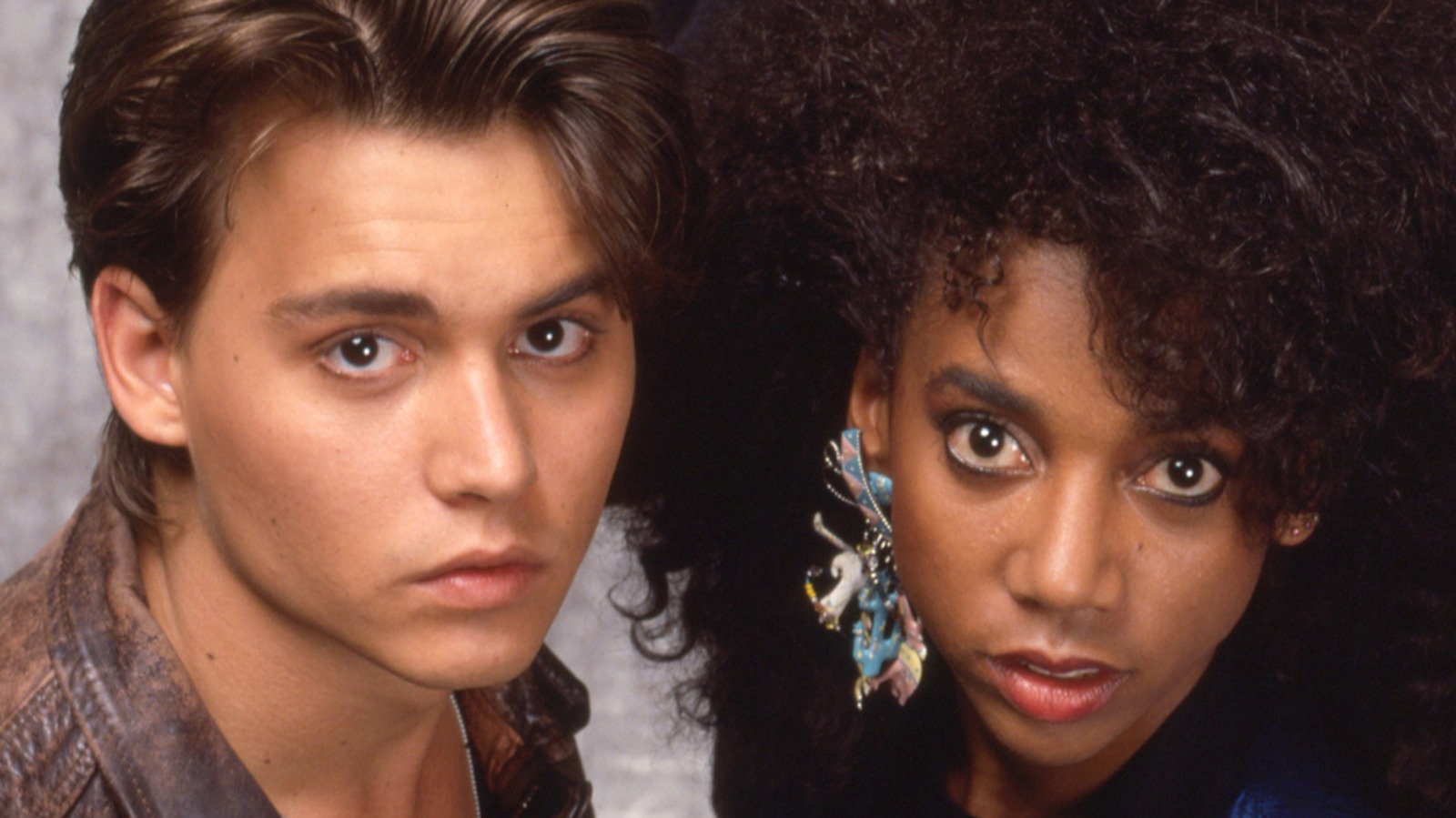
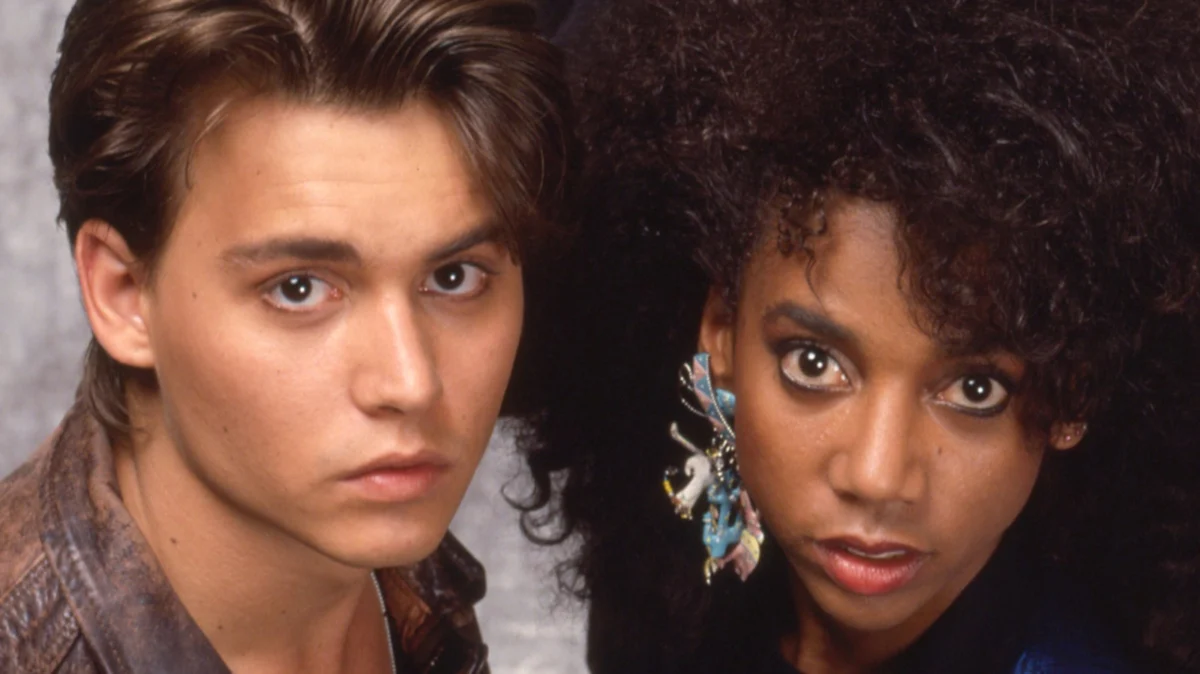
The ensemble was also notably ahead of its time, featuring a diverse cast that included two Black leads, a strong female lead, and an Asian male actor—a rarity for the late 1980s. This diversity allowed the series to explore multifaceted perspectives on racism, sexual abuse, and socioeconomic disparity, grounding the high-octane action in tangible, often heartbreaking reality.
The Johnny Depp Paradigm: From Teen Idol to Auteur Muse
Perhaps the most significant legacy of the series remains the meteoric rise of Johnny Depp. Cast as the brooding, sensitive Officer Tom Hanson, Depp initially struggled with the "teen heartthrob" branding that the show’s success thrust upon him. By the end of the fourth season in 1990, the actor—feeling increasingly restricted by the formulaic nature of television and the loss of personal agency—sought a clean break.
"I was so miserable doing Jump Street," Depp famously shared in an interview with The Times. "I mean, I was lucky as a bastard, but it was uncomfortable. It was around then people started whispering when I walked in a room. This image is cultivated that you can’t control."
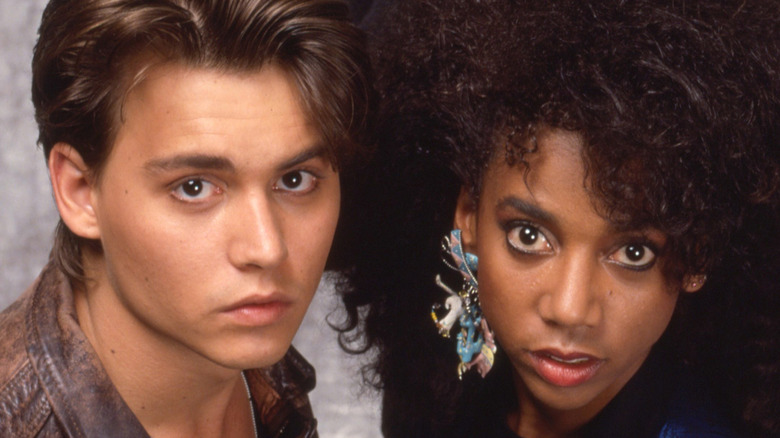
His exit, however, proved to be a masterclass in career pivots. Almost immediately, he shed his television persona by collaborating with visionary directors. Within a year of his departure, he starred in John Waters’ cult classic Cry-Baby and cemented his transition to serious film acting with the titular role in Tim Burton’s Edward Scissorhands. This decision effectively launched a career defined by risk-taking, leading to a decades-long partnership with Burton, a turn as the iconic Captain Jack Sparrow in the Pirates of the Caribbean franchise—which netted him an Academy Award nomination—and a place in the pantheon of cinema history.
The Ensemble’s Post-Jump Trajectories
While Depp’s career trajectory is the most storied, his co-stars also navigated successful and varied paths in the entertainment industry, proving that the Jump Street training ground was a formidable launchpad.
Holly Robinson Peete (Officer Judy Hoffs)
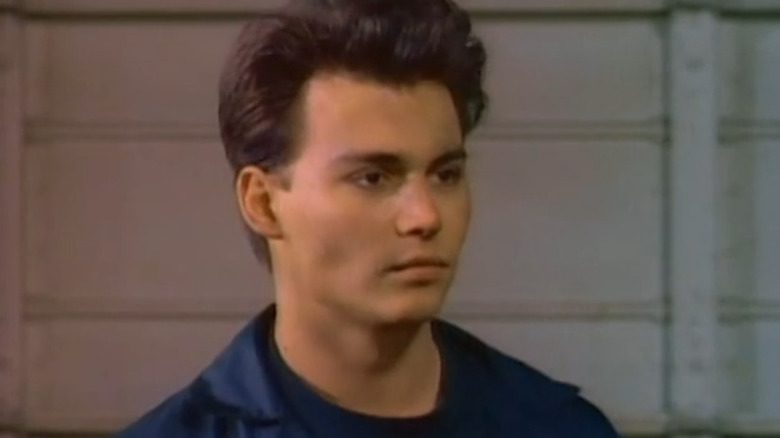
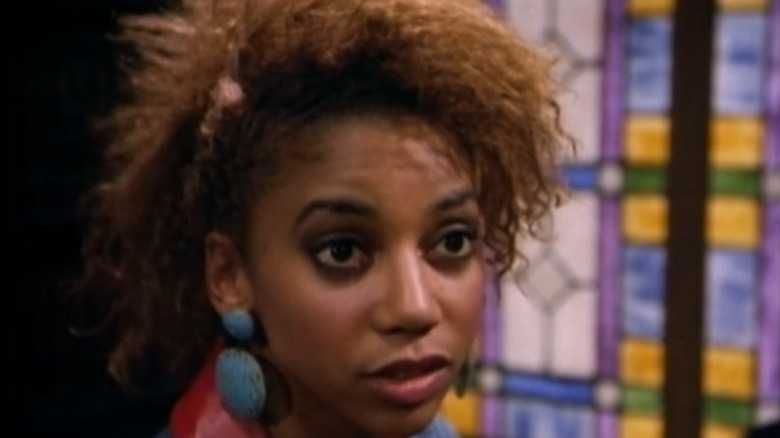
Holly Robinson Peete, who played the intrepid Officer Judy Hoffs, transitioned seamlessly from the chapel to a prolific career in both television and philanthropy. Following a brief reprisal of her role in the spin-off Booker, Peete became a staple of 90s television with leading roles in Hangin’ with Mr. Cooper and For Your Love. She has since demonstrated her versatility, serving as an original co-host of The Talk and taking on recurring roles in prestige dramas like Chicago Fire. Today, she is perhaps best known for her advocacy and her work with the Hallmark Channel, where she produces and stars in films that prioritize empathy and social awareness, such as Our Christmas Journey, which highlights the experiences of families with autistic children.
Peter DeLuise (Officer Doug Penhall)
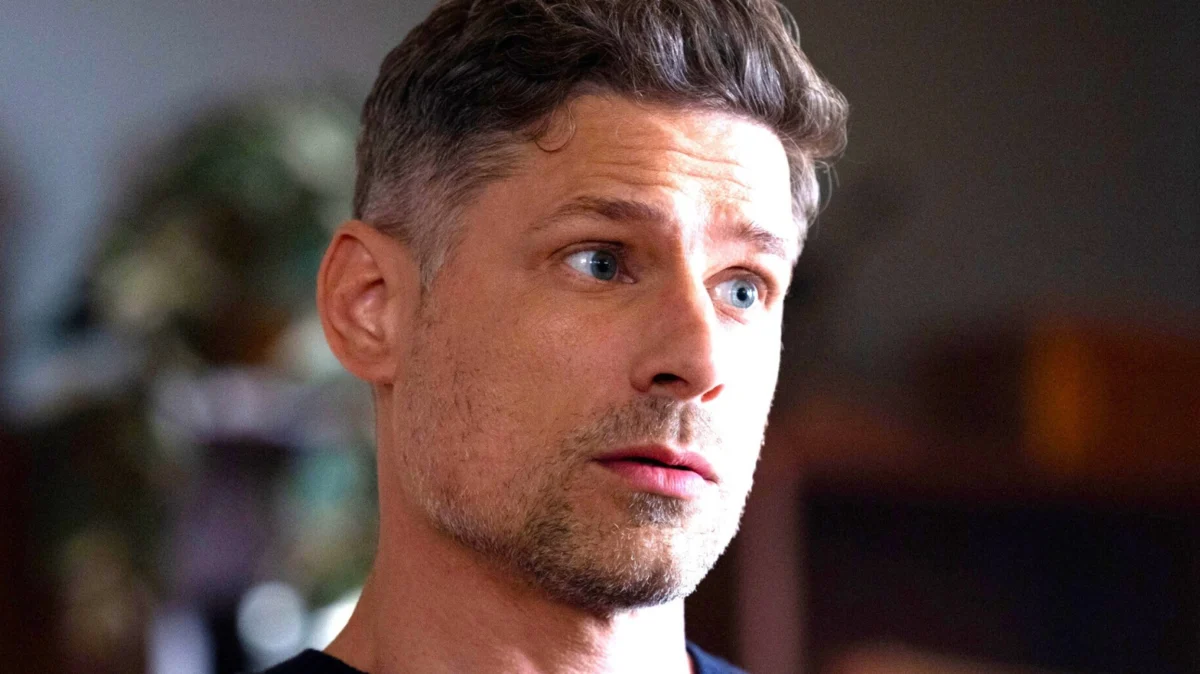
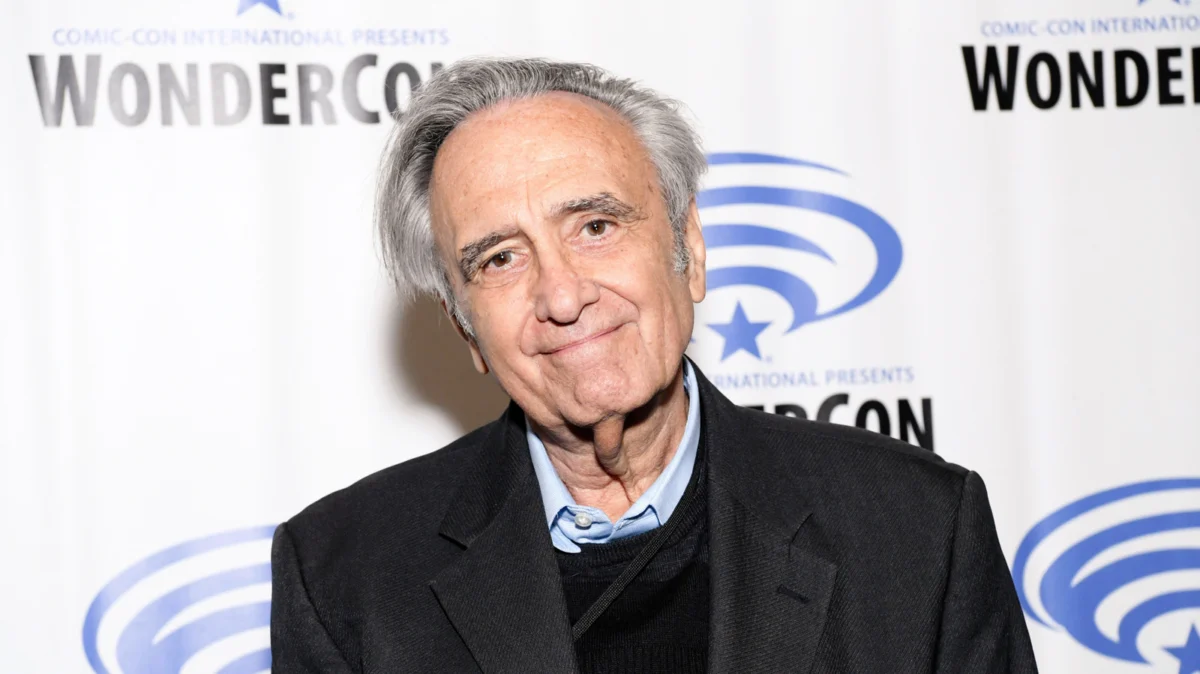
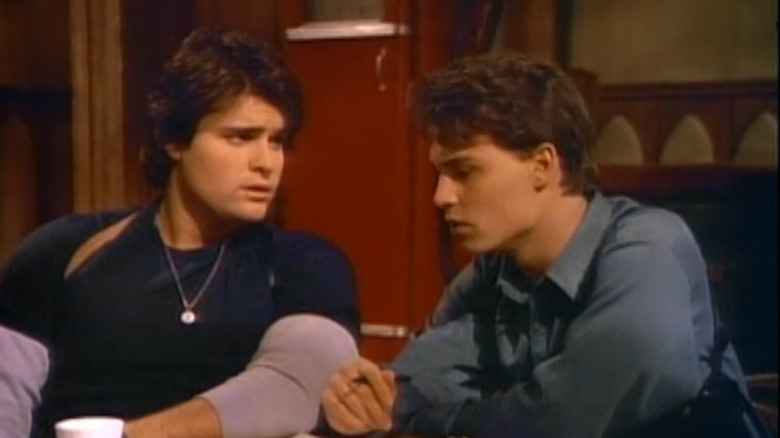
Peter DeLuise chose a path that combined acting with a significant shift toward production and directing. His post-Jump Street career saw him appearing in numerous television staples, including Friends and Supernatural, but his true impact was found behind the lens. DeLuise spent nearly a decade as a cornerstone of the Stargate franchise, directing 56 episodes of Stargate SG-1. His technical expertise and ability to balance complex science-fiction world-building with human-centered storytelling made him a highly sought-after director. More recently, he has directed dozens of episodes for the hit series When Calls the Heart, maintaining his status as a pillar of modern episodic television.
Dustin Nguyen (Officer Harry Truman Ioki)
Dustin Nguyen brought a unique background to the show, one that he leveraged into an international career in action and martial arts cinema. After 21 Jump Street, Nguyen maintained a consistent presence in American television before making his mark as a writer, director, and producer in Vietnam. His work on films like The Rebel and Once Upon a Time in Vietnam showcased his ability to craft high-stakes narratives that resonated with global audiences. In recent years, his role in the acclaimed series Warrior introduced his talents to a new generation of viewers, and he continues to be a driving force in Vietnamese cinema.
Steven Williams (Captain Adam Fuller)
As the anchor of the Jump Street squad, Steven Williams brought a gravitas to Captain Adam Fuller that grounded the younger cast. Following his departure, Williams became one of the most reliable character actors in Hollywood. His work as the enigmatic "Mr. X" in The X-Files and his portrayal of Rufus Turner in Supernatural cemented his status as a cult favorite among genre fans. Williams has remained remarkably active, appearing in everything from high-profile film adaptations like Stephen King’s It to gritty crime dramas like Snowfall, proving that his range is as vast as his resume is long.
Implications of the 2012 Revival
The 2012 big-screen adaptation of 21 Jump Street serves as a fascinating footnote to the original show’s legacy. By leaning into a raunchy, self-referential comedy style, the film—starring Channing Tatum and Jonah Hill—managed to pay homage to the original while simultaneously deconstructing it.
The inclusion of cameos from original cast members Johnny Depp, Holly Robinson Peete, and Peter DeLuise provided a meta-commentary on the passage of time and the absurdity of the original premise. Critics have often cited this film as a masterclass in how to adapt a serious property into a modern blockbuster without alienating the original fanbase. It transformed the "undercover cop" trope into a satire of masculinity and nostalgia, proving that even a show as earnest as the original 21 Jump Street could be successfully reimagined for a new era.
A Legacy of Social Consciousness
Beyond the career highlights and the Hollywood success stories, the true legacy of 21 Jump Street lies in its willingness to engage with the reality of the youth experience. By utilizing the framework of a police procedural to discuss issues like drug addiction, sexual assault, and institutional racism, the show paved the way for the "prestige" teen dramas that would dominate the following decades.
The production team did not treat its audience as children; instead, they offered them a mirror to their own struggles, providing resources and narratives that were often absent from other networks at the time. This commitment to social consciousness remains the show’s most enduring contribution. Whether through the lens of a gritty 1980s police drama or a 21st-century blockbuster comedy, the DNA of 21 Jump Street continues to influence the way stories about youth, authority, and identity are told in the modern age.
As the original series continues to reach new audiences through streaming platforms like Tubi, it remains a testament to the idea that a "teen show" can be much more than its premise. It was, and remains, a platform for discovery—not just for the stars who moved on to greater fame, but for the viewers who found their own experiences reflected in the halls of Jump Street Chapel.