In the high-stakes world of corporate and political communications, the margin for error is shrinking. Whether it is a government entity grappling with the First Amendment or a tech giant reconciling with its workforce, the modern communication landscape demands more than just damage control—it requires a fundamental shift toward accountability.
This week’s industry roundup examines three critical developments: the volatile state of White House press access, the gold-standard approach to corporate apologies displayed by DoorDash, and the data-driven reality of the upcoming holiday shopping season.
I. The White House Press Battle: A Crisis of Credibility
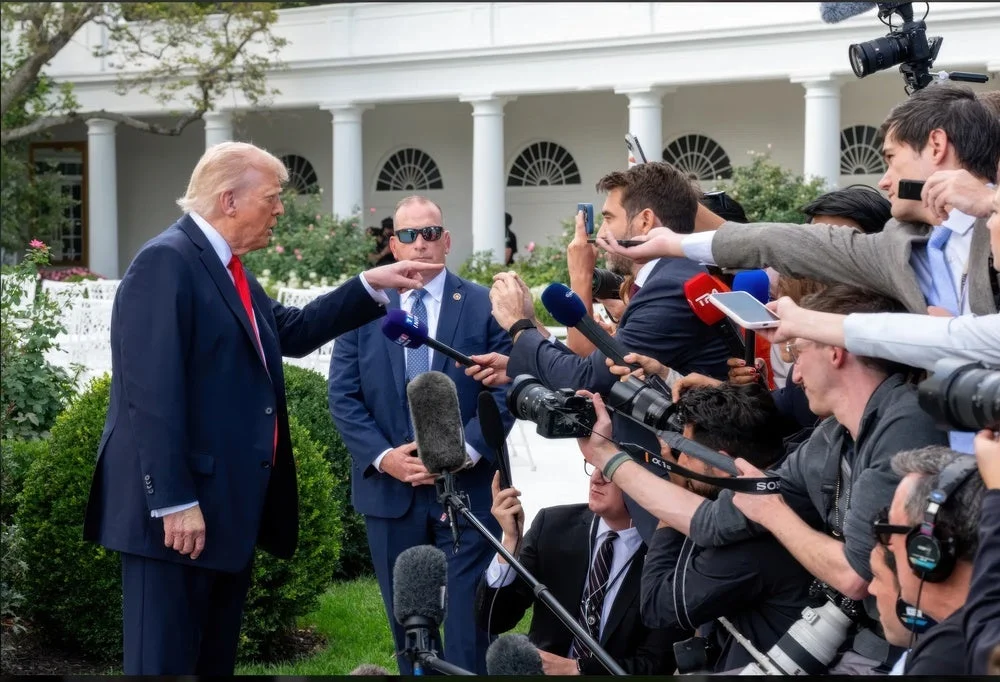
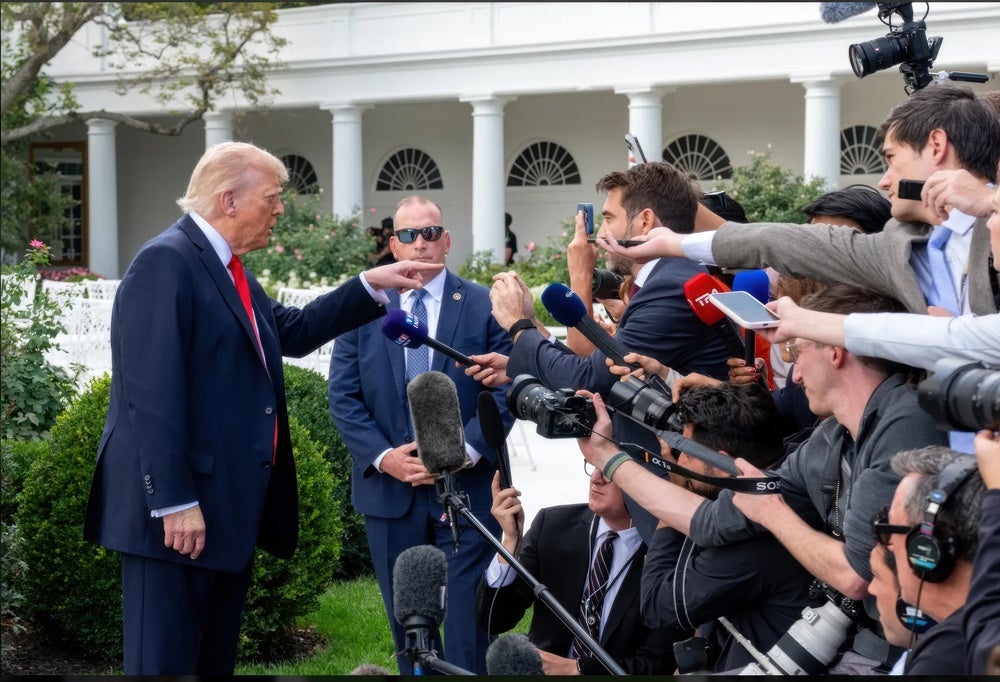
The relationship between the White House and the press corps reached a new, contentious nadir this month, providing a stark case study on the consequences of restricting media access.
The Chronology of Conflict
On September 18, the Trump administration revoked the press credentials of CNN, MS NOW, and Politico. The administration cited "behavior in violation of the standards of professionalism and decorum" as the primary justification for the ban. In response, the three media outlets filed a joint lawsuit.
On September 24, U.S. District Judge Timothy Kelly—a Trump appointee—ruled in favor of the outlets, ordering the White House to temporarily restore access. Judge Kelly’s ruling hinged on the principle of due process, noting that the administration had failed to provide the outlets with notice or an opportunity to be heard before revoking their access.
The situation spiraled into chaos on the morning of September 25. Despite the court order, Secret Service agents turned away reporters from the three outlets, in some instances physically confiscating their hard passes. The outlets immediately filed an emergency request for a hearing. By midday, under the pressure of the impending court deadline, the administration relented. CNN’s Betsy Klein broadcast live from the grounds, and reporters from MS NOW and Politico were eventually granted entry.
Broader Implications for Credentialing
This conflict is part of a larger trend of administrative friction with the media. Earlier in 2026, the White House restricted the Associated Press for its refusal to adopt specific terminology ("Gulf of America") in its reporting—a move that was also overturned by the courts on First Amendment grounds. Similar efforts by the Pentagon to sideline "disfavored journalists" have met with legal pushback.
For organizations that manage media credentialing, the takeaway is clear: selective denial of access is a legal minefield. The court’s logic suggests that once an institution opens its doors to some media, it cannot unilaterally shut them for others without a robust, defensible process.
The Cost of Non-Compliance
The chaotic morning of September 25 serves as a masterclass in how not to handle a crisis. By ignoring a federal court order, the White House created a visible, real-time gap between its stated authority and its actual compliance. This erodes institutional credibility far faster than the original ban itself.
Parry Headrick, Founder and Chief Evangelist at Crackle, notes that the strategy of "freezing out" the press is fundamentally flawed. "Shutting out the press gives the impression, whether true or not, that there’s something to hide," Headrick explains. "That does two things: it erodes trust and inspires intrepid reporters to dig even harder. As always, sunlight is the best disinfectant."
II. DoorDash’s Radical Apology: Redefining Accountability
While the White House struggled with transparency, DoorDash took a decidedly different path in addressing a massive legal and ethical failure.
The Settlement Facts
New York City Mayor Zohran Mamdani recently announced a record $131.5 million settlement with DoorDash. The settlement resolved a dispute regarding the company’s non-compliance with the city’s minimum pay rules for delivery workers, which were established in 2023. Approximately 264,000 "Dashers" are slated to receive compensation for underpayment or late payment issues.
The Anatomy of an Apology
What distinguishes this event from typical corporate settlements is the company’s communication strategy. On their corporate site, DoorDash published a statement titled "Making It Right: Our Settlement with the City of New York."
The statement broke industry conventions by opening with the admission: "We screwed up."
Rather than leaning on vague legalese, the document provided a granular breakdown of the technical bugs, regional boundary errors, and payroll glitches that led to the underpayments. It quantified the impact ($7.70 average underpayment) and addressed the $83 million dispute over "on-call" pay methodology with a direct explanation of why they chose to settle rather than litigate.
Why It Matters
Resonant Advisory Group research indicates that 79% of consumers are more likely to trust a company that discloses its own failures first. By owning the error, DoorDash bypassed the traditional "deflection" phase of crisis communications.
However, Michelle Bonner, VP of Public Relations at Adams & Knight, cautions that a statement is merely a starting point. "A company doesn’t rebuild trust with just one really good apology," Bonner notes. "The first audience isn’t the customer; it’s the workers. You must put real accountability behind it and prove over time that this wasn’t just a bad chapter you’re trying to message your way past."
Bonner emphasizes that companies often mistake a business behavior problem for a communication problem. "No brand gets to declare, ‘Trust us again.’ People decide that for you," she says. While customer convenience may prevent a mass exodus of users, the loss of goodwill places the brand in a precarious position for future controversies.
III. The 2026 Holiday Outlook: Data-Driven Shifts
As we head into the final quarter, the economic climate is forcing a change in how consumers interact with brands. Sprout Social’s Q3 2026 Pulse Survey highlights a significant cooling in consumer sentiment.
Key Data Findings
- Reduced Spending: 56% of shoppers plan to reduce their overall holiday budget this year.
- Tariff Anxiety: Nearly 70% of consumers expressed concern over tariff-related price increases.
- Early Engagement: 36% of shoppers plan to start their holiday shopping earlier than usual to avoid potential price hikes.
- Social-First Journey: Social media has evolved from a discovery tool into the primary platform for the entire shopping journey, including product research, customer service, and final checkout.
Strategic Communication Takeaways
For communicators, the message is clear: the era of "traditional" holiday advertising is fading. Consumers are increasingly value-conscious and time-starved.
Scott Morris, CMO at Sprout Social, suggests that brands must prioritize utility over promotional noise. "Because of a tighter economic climate, every purchase carries more weight," Morris says. "It is critical for brands to refine their messaging to ensure it is thoughtful and grounded."
To thrive in this environment, brands should:
- Leverage Creators: Use influencers for education and demonstrations rather than pure, high-gloss advertising.
- Optimize Customer Care: With more consumers using social channels for support, responsiveness is now a competitive advantage.
- Cross-Channel Alignment: Ensure that the messaging on social platforms matches the inventory and price promises made on the main corporate site.
IV. Conclusion: The Common Thread
Though the White House, DoorDash, and retail brands operate in vastly different spheres, the common thread in their recent activities is the acceleration of accountability.
In the political arena, judicial oversight is reining in administrative overreach. In the corporate world, the demand for radical transparency from platforms like DoorDash has moved from a "nice-to-have" to a necessity for survival. And in the retail sector, the economic realities of 2026 are forcing brands to move beyond performative marketing toward genuine utility.
For PR professionals and communication leaders, the lesson is universal: the public is increasingly adept at distinguishing between spin and substance. Whether you are dealing with the Secret Service or a delivery app, the best path forward remains the same: acknowledge the reality, provide the facts, and back your words with consistent, observable behavior. Anything less is a risk that modern institutions can no longer afford to take.