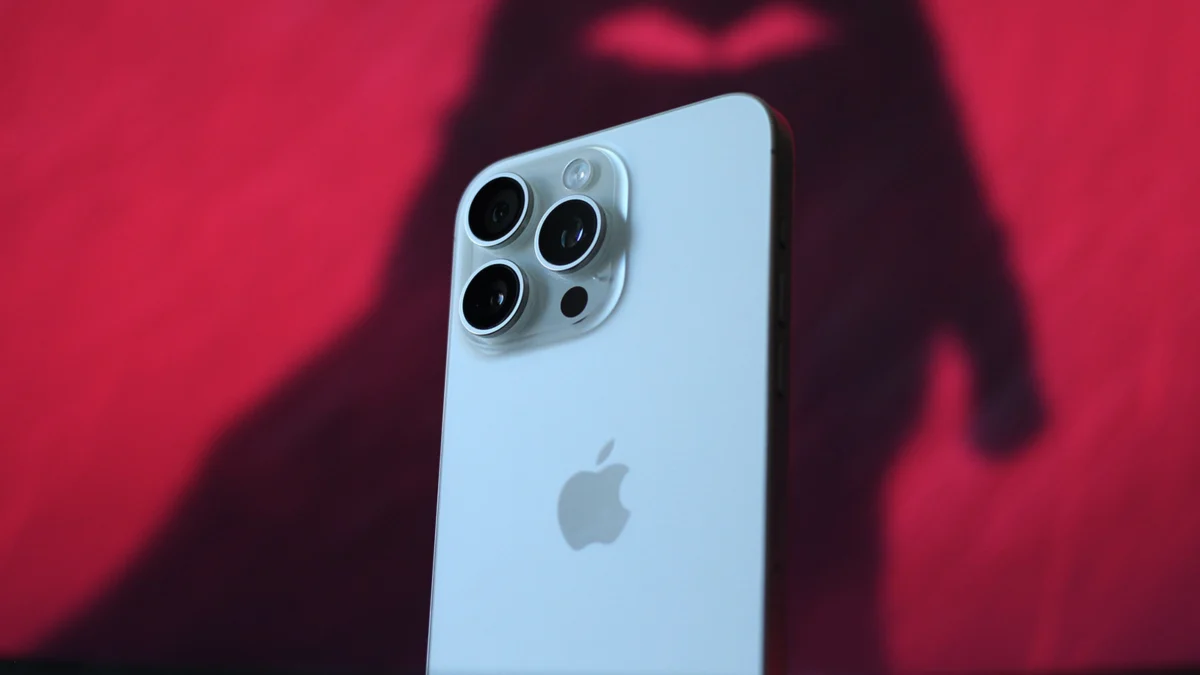
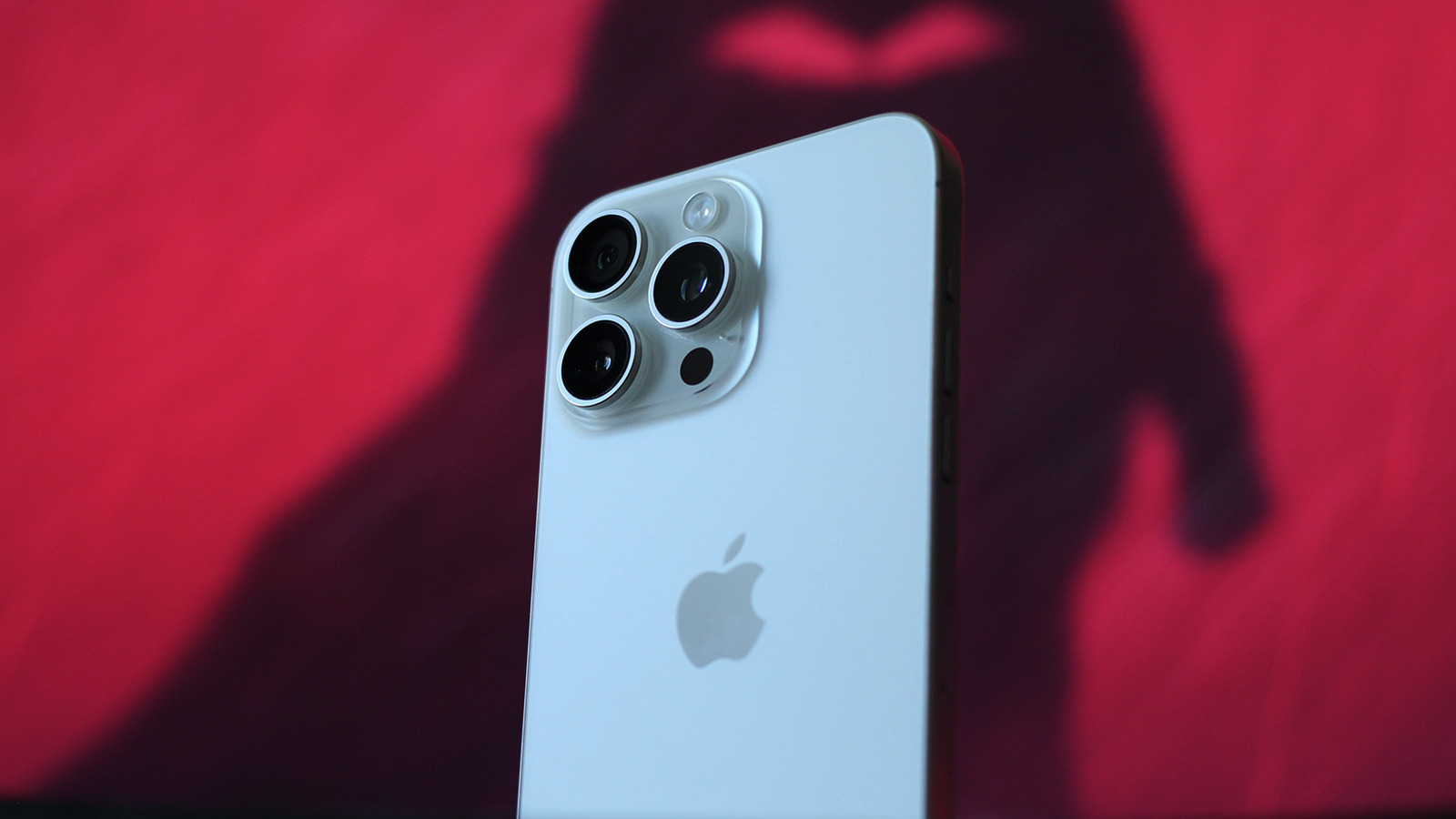
The modern smartphone is often treated as a disposable commodity, replaced every two years with the arrival of a new model. Yet, as hardware design matures and software support cycles lengthen, the question of long-term viability becomes increasingly critical. After three years of rigorous daily use, my iPhone 15 Pro Max has officially surpassed the 1,000-charge-cycle milestone—a benchmark Apple explicitly identifies as the threshold for its modern battery design. This milestone serves as a perfect case study for the intersection of battery chemistry, software stability, and industrial design durability.
Main Facts: The Reality of 1,000 Charge Cycles
A "charge cycle" is defined by Apple as the completion of 100 percent of a battery’s capacity—though not necessarily through a single charge. If you use 50 percent of your battery one day, charge it back to full, and repeat the process the following day, that counts as one cycle.
Historically, Apple designed batteries for older iPhone models to retain up to 80 percent of their original capacity at 500 cycles. With the iPhone 15 lineup, Apple adjusted its engineering standards, claiming the devices are designed to retain 80 percent of their original capacity after 1,000 cycles. My device currently sits at exactly 1,000 cycles with a reported maximum capacity of 81 percent. While the phone technically avoids the dreaded "Service Recommended" notification, the day-to-day user experience has shifted significantly. When new, this device was a 12-hour screen-on-time powerhouse; today, it struggles to survive a standard workday without a mid-afternoon boost.
Chronology: A Three-Year Software Odyssey
The story of this device’s performance is as much about software as it is about chemistry. When the iPhone 15 Pro Max launched alongside iOS 17, the experience was marked by a refreshing fluidity. As a longtime Android user transitioning to Apple, the integration of hardware and software felt seamless. However, the trajectory of this device’s performance has been a roller coaster defined by three distinct software eras.
The iOS 18 Turbulence
The transition to iOS 18 brought the first major wave of performance anxiety. Reports of erratic battery drain and thermal throttling became common. Apple Intelligence, while innovative, placed a significant tax on the processor, exacerbating the heat issues that naturally occur as a battery ages. The device, which once felt like a "two-day battery champ," began to falter under the weight of these new features.
The iOS 26 "Liquid Glass" Era
If iOS 18 was turbulent, iOS 26 was a hurdle that many users struggled to clear. Marketed with a new "Liquid Glass" visual interface, the update felt rushed. For nearly a year, the device suffered from micro-stutters, delayed app launches, and an overall lack of polish. During this period, the internal battery degradation felt significantly worse than it actually was, as the software inefficiencies created a "double whammy" of power consumption.
The Stabilization of iOS 27
The recent rollout of iOS 27 marks a turning point. Recognizing the performance malaise of the previous year, Apple pivoted back toward stability. The update brought a reported 30 percent improvement in app launch times and a 70 percent increase in photo loading speeds. My iPhone 15 Pro Max now feels rejuvenated; while the battery capacity is physically diminished, the efficiency gains in the OS have made the device feel snappy and responsive once again.
Supporting Data and Technical Context
To understand why this matters, one must look back at the "Batterygate" controversy of 2017. Apple faced massive backlash after it was revealed that they were intentionally throttling CPU performance on older iPhones to prevent unexpected shutdowns caused by degraded batteries. The fallout led to the introduction of the Battery Health menu—a vital tool for transparency.
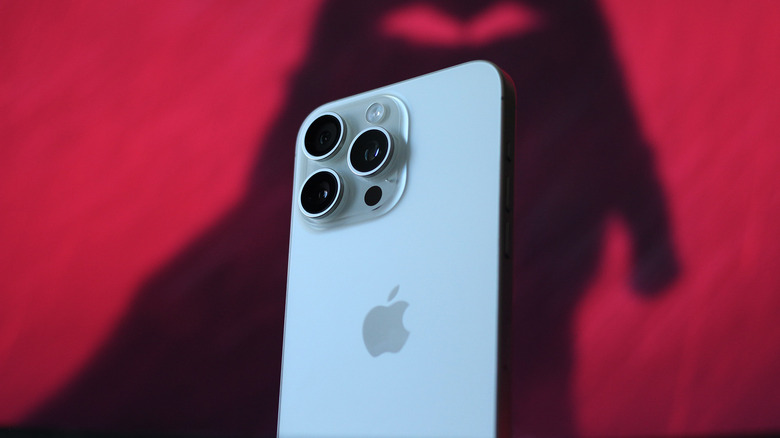
The technical specifications of the iPhone 15 Pro Max feature a 4,422 mAh battery. When new, this capacity provided enough headroom to handle power-intensive tasks, such as 4K video recording or heavy gaming, without a second thought. At 81 percent health, the effective capacity has dropped to approximately 3,580 mAh. While 19 percent loss sounds manageable on paper, it represents a "cliff" in real-world usage. Charging speeds also remain a point of contention; even with modern fast charging, the final stretch—from 80 to 100 percent—remains notoriously slow, likely due to Apple’s aggressive thermal management to prevent further chemical aging.
Official Responses and Industry Standards
Apple’s position on battery health has become more transparent over the years. By providing cycle counts and health percentages, they have effectively offloaded the responsibility of maintenance to the user. Apple Support documentation emphasizes that batteries are consumable components, and their longevity is tied to ambient temperatures and charging habits.
While the industry standard for smartphone battery longevity has generally hovered around 500 cycles, the move to 1,000 cycles for the iPhone 15 and beyond suggests that Apple is attempting to mitigate the environmental and economic impact of frequent device turnover. However, the gap between "designed for" and "comfortable for" remains wide. While the hardware is technically "healthy" at 81 percent, the user experience suggests that most consumers will seek a battery replacement or a new device long before the hardware reaches a critical failure point.
Implications: The "Built Like a Tank" Factor
One of the most surprising takeaways from this three-year test is the physical resilience of the device. The iPhone 15 Pro series marked the transition from stainless steel to a titanium frame. At the time, critics wondered if the weight reduction would come at the cost of durability.
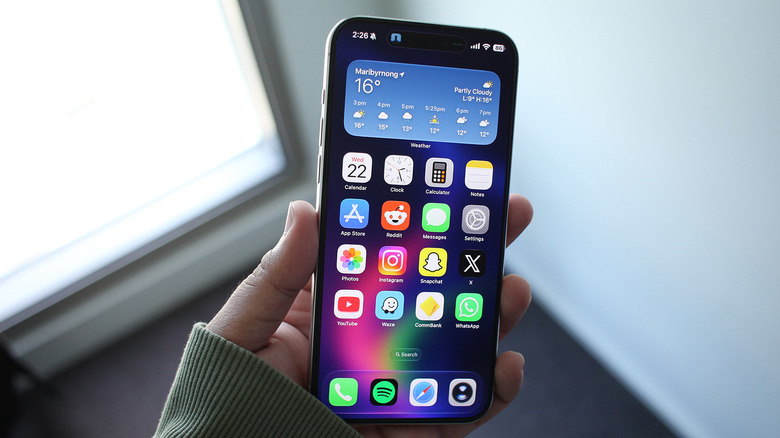
Three years later, the results are clear: the titanium chassis is remarkably robust. While the screen has picked up the inevitable micro-scratches associated with naked-display usage, the frame and the glass back remain in near-pristine condition. This stands in stark contrast to newer models, such as the iPhone 18 Pro, which have faced early reports of susceptibility to cosmetic damage.
The implications for the consumer are twofold:
- Hardware Longevity: The device is physically built to last for five to seven years. The camera system remains competitive, the speakers are industry-leading, and the haptics are as sharp as the day they left the factory.
- The Battery Bottleneck: The primary reason for upgrading is no longer "performance" or "build quality"—it is purely battery endurance.
Conclusion: Is the Upgrade Worth It?
After 1,000 cycles, the iPhone 15 Pro Max remains a highly capable machine. Thanks to the optimizations in iOS 27, the phone performs better today than it did a year ago. The decision to keep this device or upgrade rests entirely on one’s tolerance for the charging cable.
For the average user, the reality is that the hardware will likely outlast the battery. A professional battery replacement—which is now more affordable and accessible than in the past—could easily add two more years of life to this device. For those who view their phone as a long-term tool rather than a seasonal fashion accessory, the iPhone 15 Pro Max has proven that, with the right software support, a device can remain relevant well past its expected prime. The "tank-like" build ensures that while the battery may fade, the soul of the device remains intact.