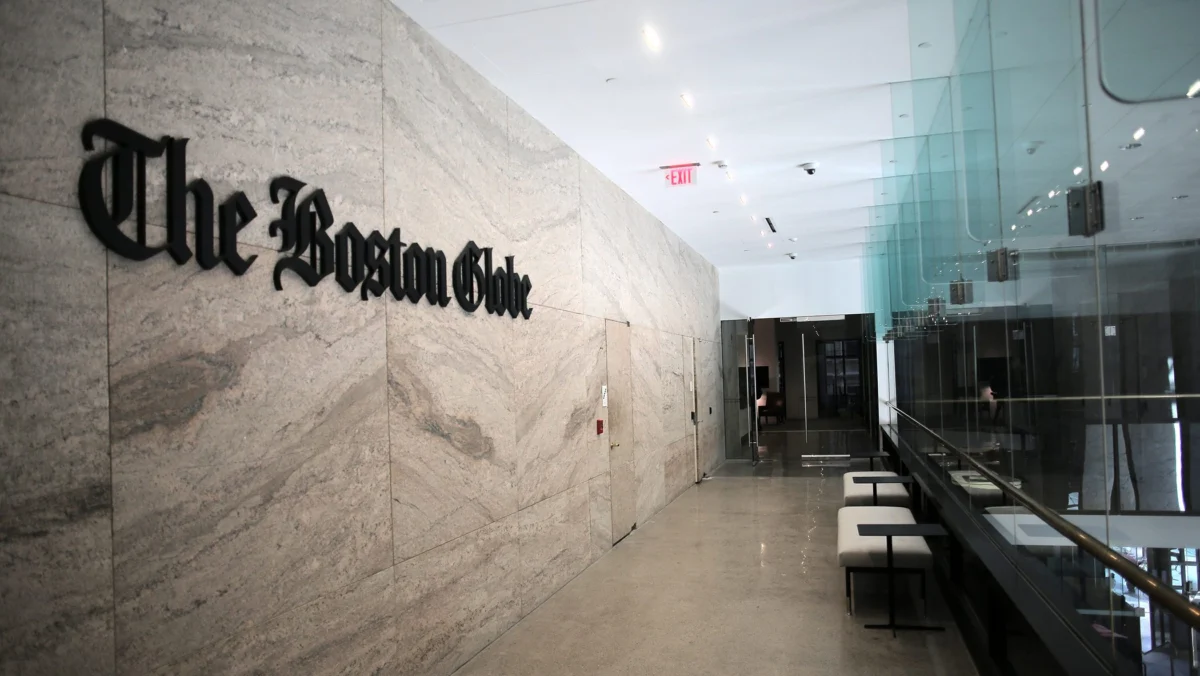
In the early 2000s, The Boston Globe cemented its place in journalistic history with its earth-shattering investigation into the Catholic Archdiocese of Boston—a series of reports that dismantled systemic abuse, secured a Pulitzer Prize, and eventually served as the foundation for the Academy Award-winning film Spotlight. That era established the Globe as a paper of record capable of shifting the moral compass of a nation.
Two decades later, the Globe has struck a different kind of cultural nerve. A recent feature article, titled "A Western Mass. lesbian bar required KN-95 masks. When it changed the rules, all hell broke loose," has become a viral phenomenon, capturing the modern zeitgeist in a way few pieces of regional journalism ever manage. Written by Annalisa Quinn and published on September 22, the piece has transcended its Massachusetts roots, becoming one of the most-read stories in the newspaper’s long and storied history.
Now, the article is at the center of a different kind of industry scramble: a high-stakes bidding war in Hollywood. Sources confirm that UTA, which represents the Globe, is currently fielding a deluge of inquiries from studios and production companies eager to adapt the story for both scripted television and documentary formats.
The Chronology of a Viral Conflict
To understand why this specific story has captivated both the public and industry executives, one must look at the timeline of the conflict. The narrative centers on a small, beloved lesbian bar in Western Massachusetts that had long maintained a strict safety protocol, requiring patrons to wear KN-95 masks.
For many in the community, the bar was not merely a place to drink; it was a sanctuary—a "third space" that prioritized the health and safety of immunocompromised individuals and those living with chronic illness. However, as the broader culture moved away from pandemic-era mandates, the business faced the harsh economic realities of the post-COVID landscape. The owner, burdened by mounting debt and the existential threat of closure, made the difficult decision to pivot, ultimately dropping the mask mandate in an attempt to survive.
The backlash was instantaneous and visceral. The transition from a "safe haven" to a "standard establishment" triggered a rupture within the bar’s core demographic. Former patrons, feeling betrayed by the change, launched a campaign of harassment and vocal dissent. The article meticulously tracks the escalation: from heated social media threads and public confrontations to the psychological toll taken on the owner, who found herself trapped between the necessity of financial solvency and the moral expectations of her clientele.
The Anatomy of an Industry "Safe Bet"
The rapid interest from Hollywood is not purely artistic; it is also a calculated response to a volatile entertainment market. In an era where "risk" is a four-letter word in studio boardrooms, executives are increasingly turning to pre-vetted, high-engagement intellectual property.
As one industry observer noted, "Everyone is scared, and nobody wants to make a decision." In this climate, an article that has already been stress-tested by the court of public opinion—garnering hundreds of thousands of readers and dominating social media discourse—acts as a form of insurance.
The story possesses "ready-made" elements that appeal to narrative-driven producers:
- The Protagonist: A besieged business owner fighting to keep her livelihood afloat against an unforgiving tide of public opinion.
- The Conflict: A clash of values that mirrors broader societal tensions regarding public health, individual liberty, and the evolution of community spaces.
- The Stakes: The intersection of economic survival and social identity, providing a grounded, high-tension atmosphere perfect for either a gritty drama or a prestige documentary.
The precedent for this strategy is well-established. Just this weekend, audiences saw the release of Primetime, a film starring Robert Pattinson that was rooted in a 2007 Esquire article. Like the Globe piece, Primetime demonstrates how a well-reported, culturally resonant article can provide a competitive edge in a crowded media landscape.
The Data: Why This Story Broke Through
The Globe’s internal metrics confirm the scale of the article’s reach. A spokesperson for the newspaper told The Hollywood Reporter that the piece has resonated with audiences far beyond the borders of New England.
"This story has certainly resonated with a wide range of audiences nationally and internationally," the spokesperson stated. "It is now one of the most-read stories we’ve published, and has already garnered many thousands of subscriptions."
The data suggests that the story hit a specific "cultural nerve." By focusing on the intersection of identity politics, health policy, and the survival of queer spaces, Quinn’s reporting tapped into the anxieties of a generation. It is not just a story about masks; it is a story about the fragility of community in a polarized age. The surge in subscriptions—a rare feat for a single lifestyle/cultural feature—highlights that readers were not just reading the article, but felt compelled to support the outlet that brought the nuance of the situation to light.
Implications for the Future of Journalism and Media
The potential adaptation of this story carries significant implications for the relationship between legacy media and the entertainment industry. For years, newspapers have struggled to monetize their digital presence. By acting as a "nursery" for high-concept screenplays and documentaries, outlets like The Boston Globe are uncovering a secondary revenue stream that is both lucrative and culturally significant.
However, there is a delicate balance to be struck. As newsrooms become increasingly aware of the Hollywood potential of their reportage, there is a risk that the editorial focus could shift toward stories that are "cinematic" rather than those that are strictly vital. Yet, in the case of the "Masked Bar" saga, the two overlap. The story is objectively important to the community it covers, while simultaneously serving as a compelling character study.
Furthermore, the "optioning" of this article underscores the ongoing migration of talent. Journalists are increasingly finding themselves in meetings with producers, and newspapers are finding that their archives are essentially deep-wells of untapped IP. The "Spotlight" model—where deep-dive investigative journalism informs a major motion picture—remains the gold standard, but this new trend suggests that even "lifestyle" features can command the same level of attention if they capture the pulse of the moment.
Conclusion: A Mirror to Modern Society
Whether or not the story eventually makes it to the screen, the fact that it is being courted by major agencies like UTA is telling. It proves that the public’s appetite for "real-world" dramas remains insatiable. In a world of CGI blockbusters and franchise reboots, there is a hunger for stories that feel grounded in the uncomfortable realities of modern life—stories that force us to ask how we treat our neighbors when our priorities diverge.
The Globe has once again proven that it knows how to tell a story that people cannot look away from. Whether that story eventually unfolds in the aisles of a darkened cinema or on a streaming platform, it serves as a powerful reminder of the enduring power of long-form journalism to illuminate the dark corners of the human experience.
For the bar owner, the patrons, and the readers who watched the drama unfold, the article was a mirror. For Hollywood, it is a commodity. For the Boston Globe, it is a testament to the fact that, regardless of the era, the most powerful stories are those that capture the truth—even when that truth is messy, uncomfortable, and deeply, undeniably human.