By Ted Litchfield
Published: October 2024
The video game industry has weathered countless corporate restructurings, studio closures, and mass layoffs over the decades, but few events strike as deep a chord within the gaming community as the twilight of BioWare.
In an industry driven by shifting trends, hyper-inflated budgets, and the relentless machinery of private equity, the legendary developer behind Mass Effect, Dragon Age, and Star Wars: Knights of the Old Republic has seemingly reached the end of its storied road.
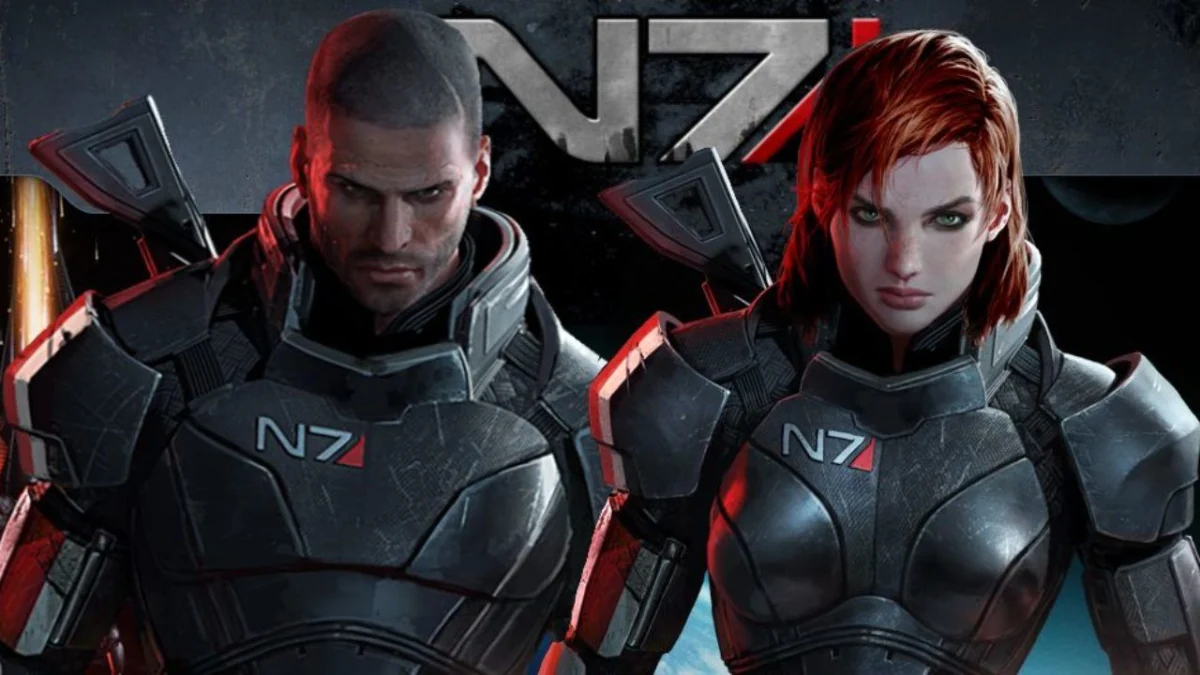
As the shockwaves of this tragedy reverberate across the global gaming landscape, the legendary voices behind Commander Shepard—Jennifer Hale and Mark Meer—have broken their silence. Their recent reflections offer a poignant look at the human cost of corporate consolidation, the fragile nature of beloved intellectual properties, and why the community refuses to let Commander Shepard fade into the digital ether.
Main Facts: The End of an Era for BioWare
The recent developments surrounding BioWare mark a watershed moment for Western role-playing games (RPGs). Long before studio acquisitions became the norm for modern media conglomerates, BioWare was synonymous with rich storytelling, branching narratives, and unforgettable companion characters.
The studio’s recent fate—sealed within the complex machinery of corporate acquisitions, private equity, and restructuring under Electronic Arts (EA) and subsequent financial maneuvers—has left hundreds of developers suddenly unemployed.
Key facts surrounding the crisis include:
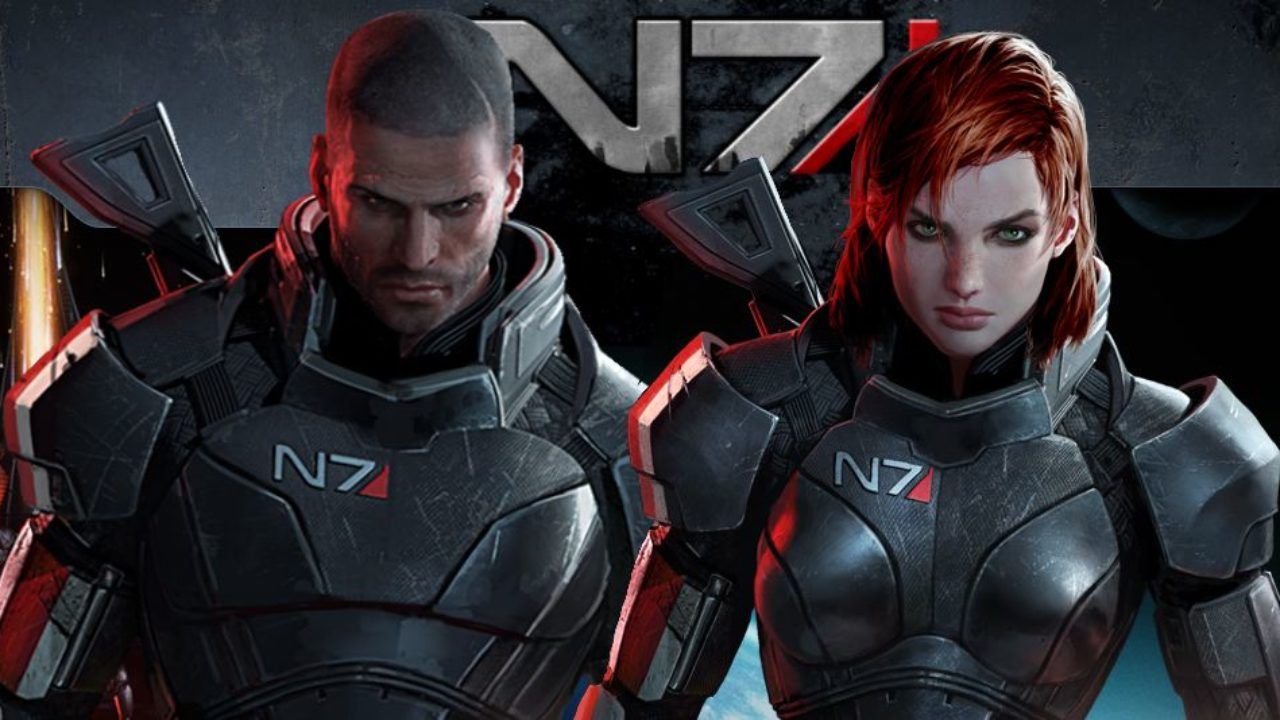
- The Studio’s Legacy: Founded in Edmonton, Alberta, in 1995 by physicians Ray Muzyka and Greg Zeschuk, BioWare fundamentally shaped the CRPG and action-RPG genres with titles like Baldur’s Gate, Neverwinter Nights, Jade Empire, Mass Effect, and Dragon Age.
- The Human Cost: The closure and restructuring have resulted in widespread layoffs, displacing veteran developers, writers, artists, and engineers who defined a golden era of gaming.
- The Voice Cast Speaks Out: Jennifer Hale (Female Shepard) and Mark Meer (Male Shepard) addressed fans directly during an emotional October 21 Instagram Live stream, mourning the studio’s fate while rallying the community to keep the franchise’s spirit alive.
Chronology: From Industry Titan to Corporate Casualty
To understand how BioWare arrived at this precarious juncture, it is necessary to examine the timeline of its corporate evolution and the broader pressures facing AAA game development.
1. The Golden Years (1995–2007)
BioWare establishes itself as a powerhouse of Western RPG development. Early masterpieces like Baldur’s Gate (1998) and Star Wars: Knights of the Old Republic (2003) cement its reputation for cinematic storytelling and player choice. In 2007, the studio launches Mass Effect, introducing players to Commander Shepard and launching a generational sci-fi epic.
2. The EA Acquisition (2007)
Seeking greater financial stability and backing to scale up production, BioWare (along with parent company Pandemic Studios) is acquired by Electronic Arts for approximately $775 million. While the acquisition provides massive budgets for projects like Mass Effect 2, Mass Effect 3, and Dragon Age: Inquisition, it also integrates the studio into a corporate structure fixated on quarterly earnings and live-service metrics.
3. Creative Turbulence and Changing Tides (2012–2023)
The departure of founders Ray Muzyka and Greg Zeschuk in 2012 marks the end of an era. Subsequent years bring mixed critical and commercial receptions for projects like Mass Effect: Andromeda and Anthem. Despite the redemption arc and ongoing anticipation for future titles, the studio operates under an increasingly demanding corporate umbrella.
4. The Final Blow and Fallout (2024)
As private equity firms and mega-conglomerates tighten their grips on the interactive entertainment sector, further restructuring and asset realignments target legacy studios. The operational future of BioWare as an independent creative entity is effectively extinguished, leaving its iconic franchises in corporate limbo.
Supporting Data: The Anatomy of Industry Consolidation
The collapse of BioWare is not an isolated incident; it is part of a systemic trend sweeping through the modern entertainment industry. Private equity acquisitions and massive corporate mergers have increasingly prioritized short-term profitability over long-term creative health.
According to industry tracking, thousands of video game developers have lost their jobs over the past two years despite record revenues across the global gaming market. When multi-billion-dollar conglomerates or private equity firms absorb creative studios, the primary mandate is often cost optimization and asset extraction.

As Jennifer Hale noted during her stream:
"It’s wild to watch the consolidation of the industry. Companies are consuming companies are consuming companies. Now they’re just these big blobs, and the blobs are beginning to implode. It’s not necessarily driven by a creative motive. They’re driven by a profit motive."
However, Hale expressed a sliver of hope that the dismantling of these corporate monoliths might eventually release foundational intellectual properties back into the wild:
"When that cell implodes on itself, all those parts of the cell go out into the world, and they get to reseed somewhere. I just don’t feel like it’s done."
Official Responses: Jennifer Hale and Mark Meer Address the Community
The emotional core of the recent discourse stems from the profound connection between BioWare’s creators, its cast, and its fanbase. During their joint Instagram Live broadcast, Hale and Meer offered contrasting yet deeply complementary perspectives on the tragedy.
Jennifer Hale’s Industry-Wide Perspective
Hale, widely regarded as one of the definitive voice actors in video game history, focused heavily on the plight of the displaced developers and the strange economics of corporate IP ownership.
While acknowledging the long-shot nature of the idea, Hale floated whimsical notions of community-driven rescue efforts—such as a massive crowdfunding campaign—before pivoting to the harsh realities of modern corporate consolidation. She emphasized that while the corporate structure of BioWare has shattered, the talent and creative spark of its people cannot be permanently erased.

Mark Meer’s Local and Cultural Mourning
Mark Meer, deeply rooted in the Edmonton theater and improv community, approached the closure through the lens of local identity and community grief.
"It is very sad news… It is a massive loss for Edmonton, for Canada, and for the video game industry in general," Meer stated. "BioWare was an Edmonton company. It meant a lot to the acting community in Edmonton. There was this major videogame company that was producing games right there in the prairies, in our city."
Despite the melancholy surrounding the studio’s physical closure, Meer urged fans to look forward. He confirmed that the community will continue to celebrate N7 Day and pointed ahead to a major milestone:
"Next year is the 20th anniversary of the release of Mass Effect 1… We might not have corporate support behind us, but we’re going to be celebrating the 20th anniversary next year."
Implications: Can Legacy IPs Be Saved?
The closure of BioWare leaves open a troubling question that has plagued the games industry for decades: What happens to foundational intellectual properties when their corporate stewards lose interest?
The Danger of Corporate Abandonment
History shows that when massive publishers acquire storied franchises, neglect can be just as damaging as active mishandling. EA’s treatment of the Ultima franchise—which pioneered foundational elements of both Western and Japanese RPGs, only to fade into obscurity after decades of corporate dormancy—serves as a cautionary tale. Without active stewardship or creative freedom, masterpieces risk becoming digital artifacts trapped behind legal red tape.
The Limits of Crowdfunding
While Hale’s suggestion of a community-led Kickstarter buy-out captures the romantic spirit of gaming fandom, the economic reality is stark. Modern AAA game development and IP acquisition costs run into the hundreds of millions of dollars. Successful historical crowdfunding campaigns like Pillars of Eternity or Wasteland 2 required significant supplemental funding to reach completion; rescuing a universe the scale of Mass Effect or Dragon Age from a conglomerate like EA would require capital on an entirely different scale.

Potential Paths Forward: Government Intervention or Eccentric Philanthropy
With traditional corporate buyers posing the risk of repeating past mistakes, observers have floated alternative survival models. Proposals for government intervention—such as Canadian political figures calling for state-backed assistance to help studio veterans acquire and run their own operations—remain long-shot pipe dreams.
Instead, many point to rare modern precedents like the eccentric billionaire acquisition of The Onion, where a wealthy benefactor steps in purely out of passion for the medium, with minimal regard for hyper-aggressive profit margins. Whether such a savior exists for the world of CRPGs remains to be seen.
Conclusion: The Fans Keep the Flame Alive
As the dust settles on BioWare’s corporate chapter, the ultimate legacy of the studio does not rest in balance sheets, shareholder meetings, or private equity portfolios. It lives on in the millions of players who shaped the destiny of the galaxy, forged unbreakable bonds with digital companions, and found solace in the stars.
Corporations can restructure, downsize, and shutter studios, but as Mark Meer aptly demonstrated, the spirit of a community united by great storytelling cannot be easily unmade. Whether through grassroots cosplay celebrations, anniversary tributes, or the enduring legacy of N7 Day, Commander Shepard’s crew will continue flying—long after the corporate hangar doors have closed.