The Briefing: Navigating the Intersection of Power and Media
In an era defined by rapid information cycles and the shifting landscape of digital journalism, the relationship between the White House and the press corps has entered a period of profound friction. As the boundaries between political strategy, executive accountability, and traditional reporting blur, major institutions are finding themselves at a crossroads. This week, a significant escalation in this ongoing tension has brought the role of the Fourth Estate into sharp focus, sparking a national debate over the extent to which a government can—or should—influence the narratives published by independent news outlets.
Main Facts: The Politico-White House Conflict
The central controversy of the week involves a sternly worded communication from the White House to the editorial leadership at Politico. According to reports first surfaced by Axios, White House Counsel Will Scharf issued a formal demand for the outlet to retract or correct a recent series of articles concerning Chief of Staff Susie Wiles.
The reporting in question alleged that President Donald Trump was contemplating a leadership change, specifically suggesting that Wiles might be replaced. President Trump has vehemently denied these reports, characterizing them as "fake news." In his letter, Scharf signaled that the administration’s patience has worn thin, warning that failure to address the perceived inaccuracies could result in "consequences," including the initiation of legal proceedings.
This demand does not exist in a vacuum. It follows a series of exclusionary actions taken by the administration, which recently revoked press credentials for three major news organizations, barring them from White House access. These actions have ignited a wave of legal pushback from media advocacy groups and the outlets themselves, who argue that the denial of access is a punitive measure designed to punish unfavorable coverage.
Chronology of the Escalation
To understand the current volatility, one must trace the timeline of recent interactions between the administration and the press:
- September 2026: Pew Research Center releases a study highlighting a nuanced American public opinion regarding the limits of press freedom. While citizens generally support the concept of a free press, a majority (51%) believe the government should have the authority to intervene if a news organization publishes demonstrably false information.
- Early October 2026: The White House moves to ban three specific news outlets from the premises, citing a breakdown in professional standards.
- Mid-October 2026: Outlets affected by the ban initiate legal challenges, claiming the move infringes upon the First Amendment and undermines the public’s right to access information.
- Late October 2026: Politico publishes reporting on the potential departure of Chief of Staff Susie Wiles.
- October 2026 (The Current Week): White House Counsel Will Scharf sends a formal letter to Politico, asserting that "freedom of the press is not a professional exemption from accountability," and demands an immediate retraction under threat of legal action.
Supporting Data: Public Sentiment and Media Consumption
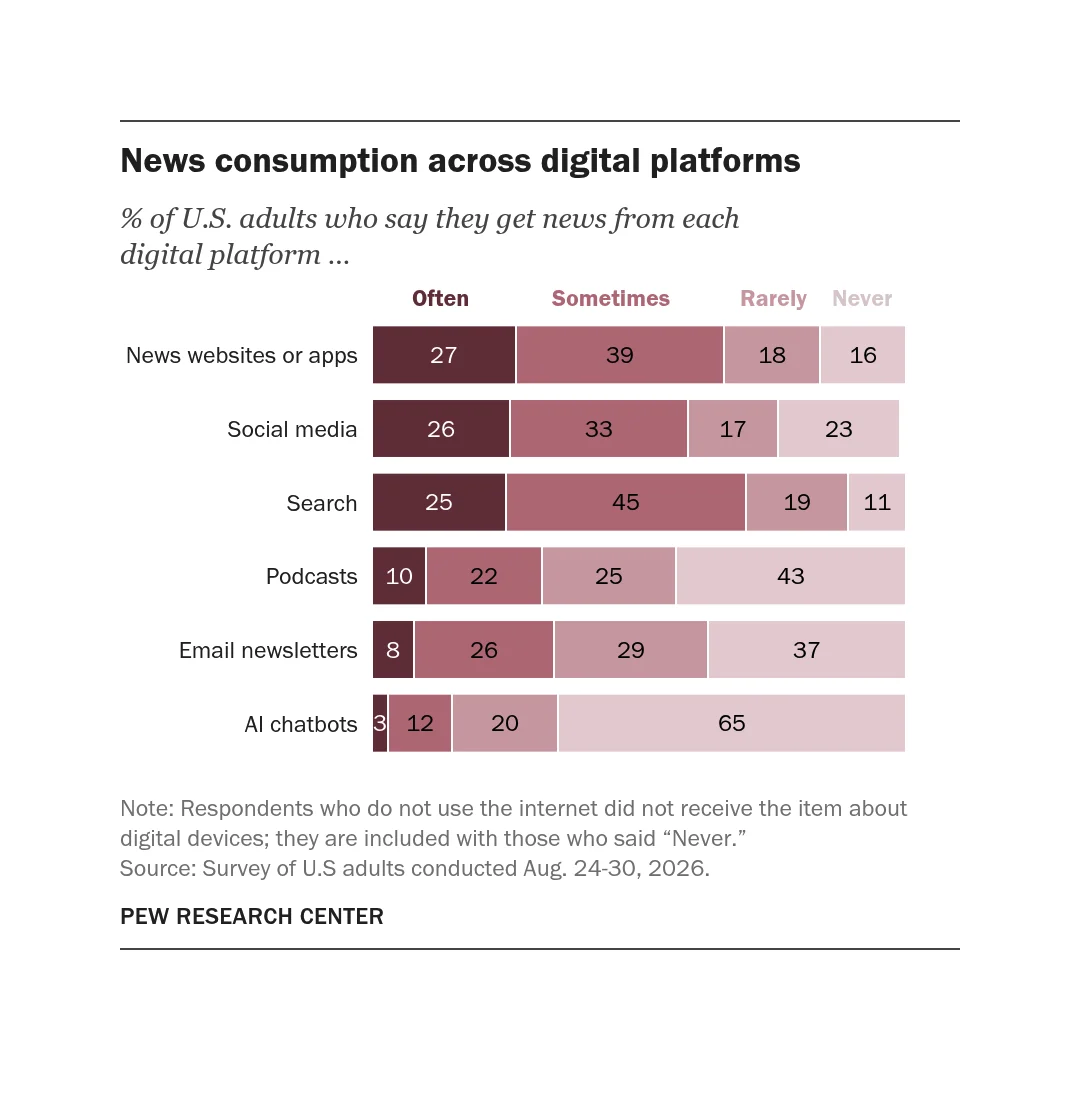
The conflict over "truth" in media is mirrored by the changing ways in which Americans consume information. New data from Pew Research Center’s August 2026 survey provides a roadmap of the digital landscape.
The data reveals that the public is highly divided on the conditions under which government intervention in media is appropriate. While 51% of Americans support government action against false reporting, there is significant resistance to state intervention for ideological reasons. Only 14% of Americans believe the government should have the power to force the removal of a story because it displays political bias, and a mere 10% support such action when a story is simply critical of government administration.
Furthermore, the mechanisms through which Americans receive their news have shifted dramatically. While traditional news websites and apps remain dominant (66% of Americans get news there at least sometimes), social media and search engines are nearly as prevalent. Notably, the rise of "news influencers" has disrupted traditional gatekeeping. Approximately 21% of U.S. adults now regularly consume news from social media influencers, a figure that jumps to 38% among adults under 30.
This shift is underscored by the increasing reliance on digital pathways. As of August 2026, 15% of Americans report using AI chatbots for news consumption, a notable increase from 9% in 2025. These emerging platforms often bypass the editorial standards traditionally employed by legacy media, creating a fertile environment for both rapid information distribution and the spread of misinformation.
Official Responses and Perspectives
The White House’s position, articulated through the correspondence of Will Scharf, emphasizes a "duty of accuracy." The administration’s argument is that legacy media organizations, which benefit from historic protections and access, have an elevated responsibility to verify information before publication. By framing the dispute as a matter of "accountability" rather than "censorship," the administration seeks to align its actions with public concerns regarding the quality of information.

Conversely, media organizations and free-press advocates view these actions as a direct assault on the institutional role of the journalist. The argument from the press side is that the "truth" is often contested, particularly in high-stakes political environments, and that the threat of litigation is a classic "chilling effect" tactic—meant to intimidate newsrooms into self-censorship to avoid the high costs and risks of legal defense.
Implications for the Future of News
The intersection of these events points to several long-term implications for the democratic process and the information ecosystem:
1. The Erosion of Institutional Trust
As the administration directly challenges the veracity of major news outlets, the baseline of shared truth in American society risks further degradation. When the government dictates which stories are "true" and which are "fake," it forces the public to choose between institutional trust and political affiliation, rather than engaging with the content of the reporting itself.
2. The Rise of Alternative Media
The C-SPAN decision to integrate YouTube creators—such as The Young Turks and the PBD Podcast—into their election night coverage is perhaps the most significant indicator of the "new normal." By bringing independent, ideologically driven creators onto a nonpartisan, traditional stage, institutions are acknowledging that the old model of neutral, objective reporting is no longer the sole or primary way the public engages with news.
3. Legal Precedents and First Amendment Challenges
The current wave of litigation regarding White House access and the threat of lawsuits over reporting will likely reach the federal courts. A ruling in favor of the administration could fundamentally alter the relationship between the executive branch and the press, potentially granting the government greater power to define "truth" in the public square. Conversely, a ruling in favor of the media could reinforce the "actual malice" standard and solidify protections against state-led intimidation.
4. The AI Factor
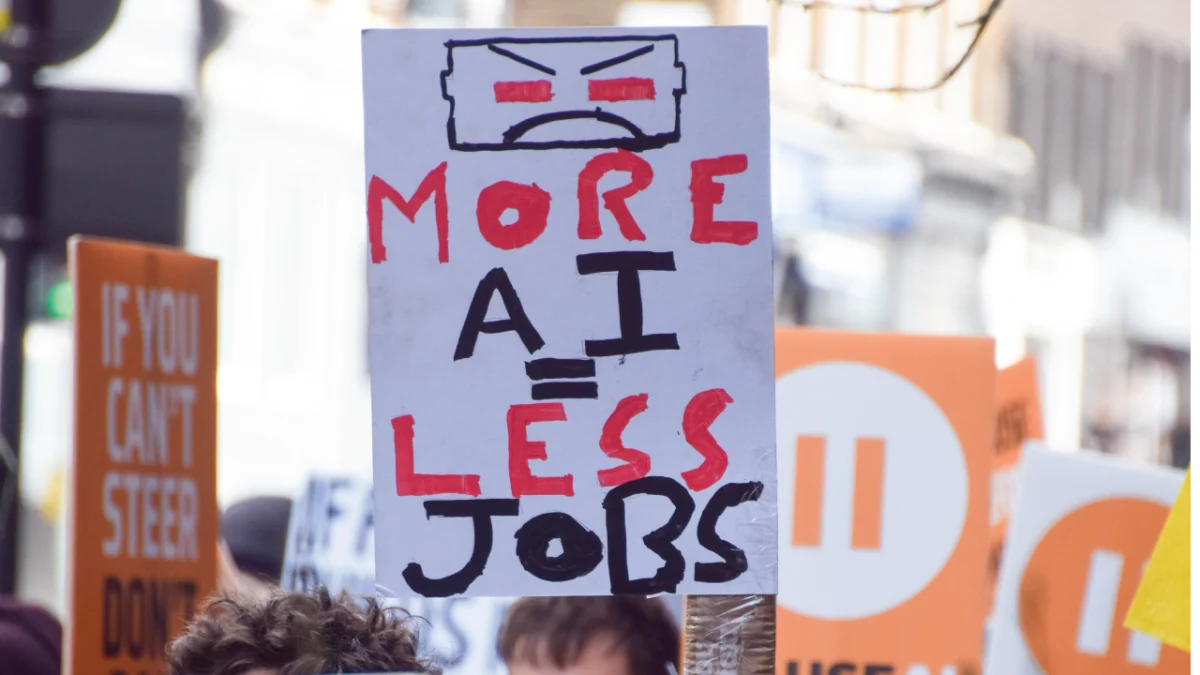
As news consumption via AI chatbots and influencers continues to rise, the burden of verification shifts from the journalist to the consumer. With 15% of the population now looking to AI for news, the lack of editorial oversight in these systems creates a vulnerability that both political actors and bad-faith actors are likely to exploit. The "briefing" of the future may well be an automated summary curated by an algorithm, further complicating the search for objective reality.
Conclusion
The friction between the White House and Politico is more than a localized dispute over the employment status of a Chief of Staff; it is a symptom of a broader struggle for the soul of American journalism. In an era where the public values both the need for accountability and the sanctity of a free press, the path forward remains fraught with tension.
As we look ahead, the integration of non-traditional media into the mainstream, the rising reliance on AI, and the legal battles over press access will determine whether the news environment becomes more democratic and diverse, or more fragmented and susceptible to control. The task for the American public remains the same as it has always been: to critically evaluate the sources of information, understand the biases inherent in the platforms they choose, and advocate for a system that prioritizes the public’s right to know above the political interests of those in power.
This report was compiled by the editorial staff at the Pew Research Center, incorporating analysis from August 2026 data. For ongoing updates on the state of the media, visit the Pew Research Center website.