By [Author Name]
Published: October 24, 2026
Main Facts
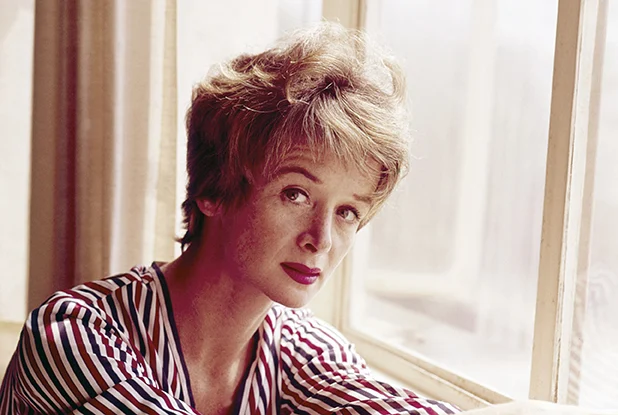
Barbara Barrie, a towering talent of American theater, film, and television whose career spanned over half a century, passed away at her home in Manhattan at the age of 95. Her daughter, Jane Harnick, confirmed the news to The New York Times, stating that Barrie died via medically assisted dying after being diagnosed with terminal cancer.
Barrie leaves behind a remarkable artistic legacy defined by depth, versatility, and uncompromising intellectual rigor. She achieved rare critical acclaim across all major acting mediums, earning a Tony Award nomination for her iconic work in the original Broadway production of Stephen Sondheim and George Furth’s Company, an Academy Award nomination for her searing portrayal of a working-class mother in the beloved coming-of-age film Breaking Away, and widespread public adoration for her television role as Elizabeth Miller, the steadfast, witty wife of Captain Barney Miller on the landmark ABC sitcom Barney Miller.
A consummate New York actor, Barrie was known for bringing an authentic, grounded humanity to complex characters. Whether navigating the razor-sharp lyrics of musical theater, the nuanced realism of independent cinema, or the fast-paced demands of network television, she remained a cherished figure among peers and audiences alike.
Chronology: A Life in the Spotlight
Early Life and Theatrical Beginnings
Born Barbara Ann Berman on May 23, 1931, in Chicago, Illinois, Barrie developed an early passion for performance. She pursued formal acting training at the University of Texas at Austin, where she earned a Bachelor of Fine Arts degree, before moving to the theatrical epicenter of New York City. She honed her craft under the legendary guidance of teachers at the American Academy of Dramatic Arts and through various Off-Broadway and regional theater engagements.
Barrie made her Broadway debut in the 1950s, slowly building a reputation as a fierce, reliable dramatic actress with impeccable comedic timing. Her early stage work included roles in productions such as The Crucible and The Premise, an influential improvisational theater troupe that helped shape her ability to think on her feet and connect deeply with audiences.
Reaching New Heights: Company and Broadway Acclaim
The 1970s marked a creative zenith for Barrie on the stage. In 1970, she was cast as Sarah in the original Broadway premiere of Company, directed by Harold Prince with music and lyrics by Stephen Sondheim. The ground-breaking musical revolutionized Broadway by centering on a series of vignettes about modern marriage and bachelorhood in New York City. Barrie’s portrayal of Sarah—a karate-chopping, calorie-counting wife locked in a passive-aggressive yet deeply human sparring match with her husband Harry (played by Charles Kimbrough)—was both hilarious and deeply poignant.
Her performance earned her a Tony Award nomination for Best Featured Actress in a Musical. It cemented her status as a vital interpreter of contemporary musical theater, celebrated for her ability to balance razor-sharp wit with profound emotional vulnerability.
Crossover into Film and Television
While Barrie’s heart remained rooted in the theater, her transition to film and television brought her broader international acclaim. In 1964, she delivered a critically praised performance in the film adaptation of One Potato, Two Potato, directed by Larry Peerce. Barrie starred as a white woman navigating the societal prejudices of marrying an African American man—a daring, socially conscious role that won her the Best Actress Award at the prestigious Cannes Film Festival.
Her cinematic career reached another pinnacle in 1979 with her work in Breaking Away, directed by Peter Yates. Barrie played Evelyn Stoller, the loving, pragmatic mother of a young Indiana university town resident (played by Dennis Christopher) obsessed with competitive bicycle racing. Barrie’s performance anchored the film’s emotional core, showcasing the quiet struggles and fierce loyalty of a working-class American mother. The role earned her an Academy Award nomination for Best Supporting Actress.
On television, Barrie became a household name through her work on Barney Miller. Running from 1975 to 1982, the sitcom was praised for its realistic, workplace-ensemble approach to life inside a Greenwich Village police precinct. As Elizabeth Miller, Barrie played the wife of police captain Barney Miller (Hal Linden). Though her appearances were recurring rather than regular, she made a lasting impression as an intelligent, independent woman who served as her husband’s intellectual equal and emotional anchor.

Beyond Barney Miller, Barrie enjoyed a prolific television career. She earned an Emmy Award nomination in 1981 for her guest appearance on the television drama Breaking Away (adapted from the film), and another Emmy nomination in 1989 for her recurring role on the NBC sitcom Suddenly Susan. Younger generations of television viewers would later recognize her as the grandmother on the popular sitcom Suddenly Susan alongside Brooke Shields, as well as for memorable guest spots on iconic series like Law & Order, Spin City, and Gilmore Girls.
Supporting Data and Career Accolades
Barrie’s professional journey is underscored by a rare trifecta of major industry recognitions:
- Tony Award Nomination: Best Featured Actress in a Musical for Company (1971).
- Academy Award Nomination: Best Supporting Actress for Breaking Away (1979).
- Cannes Film Festival Award: Best Actress for One Potato, Two Potato (1964).
- Emmy Award Nominations: Nominated twice, including recognition for her work in the television adaptation of Breaking Away (1981) and Suddenly Susan (1989).
- Author and Memoirist: Beyond her performance credits, Barrie was also a respected writer. She authored several books, including the acclaimed 2002 memoir Second Act: Life After Opera and Other Types of Comedy and the young adult novel Lone Star, reflecting on her life, career, and personal battles, including her survival of breast cancer.
Official Responses and Tributes
Following the announcement of her passing, tributes from across the entertainment industry poured in, celebrating Barrie’s immense talent, intellectual integrity, and generous spirit.
Colleagues, theater institutions, and former co-stars took to social media and official press channels to remember her impact.
"Barbara Barrie was a giant of the American stage and screen," noted a statement released by the Actors’ Equity Association. "She brought unmatched authenticity, intelligence, and grace to every character she inhabited. Her contributions to the theatrical community and her fierce advocacy for her fellow artists will never be forgotten."
Director and theater historian archives highlighted her role in Company, remembering her as an essential collaborator who helped shape the language of the modern American musical. Co-stars from Barney Miller and her extensive filmography recalled her as a consummate professional who elevated every scene she was in through her sharp wit and deep empathy.
Her daughter, Jane Harnick, reflected on her mother’s final days with dignity, noting that Barrie faced her terminal cancer diagnosis with the same courage and autonomy that characterized her entire life and career.
Implications of Her Legacy
The passing of Barbara Barrie marks the fading of a golden era of character acting—an era defined by artists who prioritized theatrical truth, dramatic substance, and multi-medium dexterity over celebrity status.
Barrie belonged to a generation of New York-based actors who seamlessly crossed boundaries between gritty independent cinema, avant-garde and commercial theater, and network television. Her career challenged traditional Hollywood archetypes, proving that an actress could command attention through intelligence, sharp comedic timing, and raw emotional power rather than conventional glamour.
Furthermore, Barrie’s willingness to tackle socially charged material—such as interracial marriage in One Potato, Two Potato—and her honest public discussions surrounding her health, aging, and survival paved the way for subsequent generations of women in the arts.
As the cultural landscape continues to evolve, Barbara Barrie’s body of work remains a masterclass in acting craft. From the brownstones of Sondheim’s New York to the working-class porches of the American Midwest and the bustling precinct rooms of Greenwich Village, Barrie’s indelible footprint on the American artistic consciousness ensures that her legacy will endure for generations to come.