Main Facts: Bringing the Owens Sisters Back to the Silver Screen
More than two decades after the cult-classic 1998 adaptation charmed audiences worldwide, the enchanting world of the Owens family has returned to theaters with Practical Magic 2. Directed by Susanne Bier, the long-awaited sequel brings back beloved icons Sandra Bullock and Nicole Kidman as the fierce and eccentric witch sisters, Sally and Gillian Owens. Yet, even as fans line up to revisit the magical, herb-infused, midnight-marguerite-drinking aesthetic that defined a generation of cinematic witchery, the transition from page to screen has sparked considerable conversation among devoted book lovers and LGBTQ+ film analysts alike.
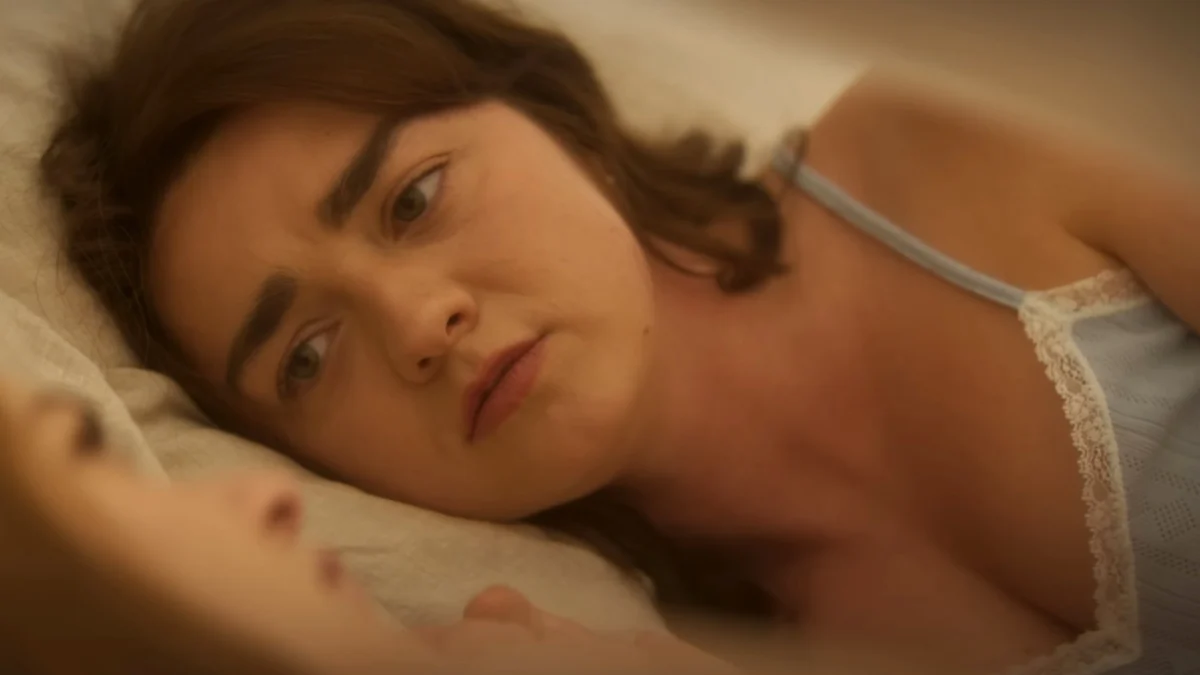
At the center of this dialogue is actress Maisie Williams, who joins the ensemble cast as Antonia Owens—one of Sally’s daughters. While the film’s narrative focuses heavily on unravelling an ancient family curse and saving Kylie’s (Joey King) comatose boyfriend, Gideon (Xolo Maridueña), Williams has revealed that she intentionally infused her performance with a distinct queer subtext. Despite the final theatrical cut leaving much of Antonia’s rich, canonical background out of the script, Williams approached the character with a firm conviction: Antonia Owens is a sapphic icon.
This revelation highlights a broader, ongoing Hollywood conversation regarding adaptation fidelity, representation, and the ways in which modern actors utilize subtext and physical performance to honor source material that may have been sidelined during the screenwriting and editing processes. For fans of Alice Hoffman’s expansive literary universe, the omission of Antonia’s explicit queer identity in Practical Magic 2 represents a missed opportunity, but Williams’ deliberate choices behind the camera offer a fascinating layer of interpretation for audiences reading between the lines.
Chronology: From Alice Hoffman’s Pages to Susanne Bier’s Set
To fully understand the narrative choices made in Practical Magic 2, it is essential to trace the journey of the Owens family from Alice Hoffman’s literary imagination to the big screen.
- 1995–2003: Alice Hoffman publishes her bestselling novel Practical Magic, followed closely by Warner Bros.’ 1998 cinematic adaptation starring Sandra Bullock and Nicole Kidman. The film deviates significantly from the book in tone, plot, and character details, yet establishes a legendary pop-culture footprint.
- October 2021: Hoffman expands her literary canon with the publication of The Book of Magic, a novel that deeply explores the extended Owens lineage, bringing closure to lingering curses and introducing the next generation of powerful women, including Antonia Owens.
- Development and Pre-Production: Warner Bros. greenlights Practical Magic 2, tapping Susanne Bier to direct. The screenplay is penned by a powerhouse trio of writers: Akiva Goldsman, Georgia Pritchett, and Kelly Marcel. Casting announcements confirm the return of Bullock and Kidman alongside rising stars Joey King and Maisie Williams.
- Filming and Editing Phase: During production, various script iterations and editorial cuts are explored. It is during this period that Maisie Williams makes the internal creative decision to construct Antonia as a sapphic character, leaning into a distinct perspective on men and relationships that contrasts sharply with her cousin Kylie’s traditional romantic arc.
- Theatrical Release & Press Tour: Practical Magic 2 hits theaters worldwide. During the subsequent press tour—including a viral interview with Gay Times—Williams openly discusses her interpretation of Antonia, sparking widespread discussion across queer TikTok and film forums about representation in major franchise sequels.
Supporting Data: Literary Roots vs. Cinematic Liberties
The friction between Practical Magic 2 and Hoffman’s 2021 novel The Book of Magic centers largely on the compression necessary for feature-length storytelling. Novels allow for interiority, sprawling subplots, and intricate character histories; films, by contrast, must frequently streamline narratives to maintain pacing and focus.
In The Book of Magic, Antonia Owens is not merely a background player in the family drama. The book establishes several defining characteristics that were unfortunately left on the cutting-room floor during the cinematic adaptation:
- Explicit Sexual Identity: In Hoffman’s text, Antonia is unequivocally a lesbian, navigating her romantic life with a distinct sense of self that anchors her journey into adulthood.
- Ariel, the Love Interest: The novel introduces Ariel, a brilliant lawyer who becomes Antonia’s romantic partner. Beyond offering a rich queer romance, Ariel plays an instrumental role in helping the Owens family investigate and decode the mechanics of their ancestral curse.
- Complex Family Dynamics: The literary Antonia also deals with unconventional domestic and reproductive subplots, including being pregnant with her best friend’s baby, showcasing the modern, fluid definitions of family that hallmark Hoffman’s later works.
By contrast, the film adaptation streamlines the plot around Sally and Gillian chasing Kylie to England to rescue Gideon. While Kylie’s romance takes center stage, Antonia’s vibrant literary backstory is largely compressed. The disparity between the 400-plus pages of Hoffman’s novel and a standard two-hour runtime forces hard choices—though, as Williams points out, those choices do not entirely erase the character’s internal life as performed on set.
Official Responses and Cast Insights
The conversation surrounding Antonia’s sexuality came to light primarily through promotional interviews for the film. Speaking directly with Gay Times, Maisie Williams elaborated on how she navigated the shifting drafts of the screenplay to build a consistent, authentic character arc despite editorial omissions.
“There’s been a lot of different edits to the movie, and there was a lot of different versions of the script, but I always played Antonia as a sapphic icon,” Williams shared during the interview. “And I love that. I think it brought a real joy to the scenes when we would be talking about Gideon, because Antonia just has a completely different perspective on men altogether.”
Williams’ performance strategy offers a masterclass in subtext. By playing Antonia with a distinct detachment from and amusement toward heteronormative romantic conventions—particularly regarding Kylie’s frantic efforts to save Gideon—Williams managed to smuggle her character’s literary truth into the physical performance, creating subtle winks for observant viewers.
Meanwhile, the broader future of the franchise remains wide open, thanks to enthusiastic remarks from executive producer and star Sandra Bullock. Speaking with Vanity Fair, Bullock teased the possibility of a third installment if the sequel resonates strongly with modern audiences.
“We’ll do a number three if this takes off. And we’ll pass the torch to the girls,” Bullock noted, pointing toward a potential passing of the cinematic wand to the younger generation, which includes Williams and King. Should a third film be greenlit, it opens an enticing door for filmmakers to officially integrate Antonia’s literary romance with Ariel and give the character the explicit on-screen representation she missed out on in the sequel.
Implications: Representation, Adaptations, and the Future of Franchises
The discussion sparked by Practical Magic 2 and Maisie Williams’ performance touches on vital currents in contemporary entertainment:
- The Power of Actor-Led Subtext: When studio edits or conservative writing choices flatten source material, actors can act as the last line of defense for marginalized characters. Williams’ dedication to playing Antonia as a sapphic icon demonstrates how performers can embed representation into their physicality, dialogue delivery, and character choices, enriching the text beyond what makes it past the editing bay.
- Audience Hunger for Queer Narratives: The rapid circulation of Williams’ interview across platforms like TikTok—complete with hashtags like
#lesbiansoftiktokand#sapphic—proves that modern audiences are actively looking for intersectional representation within beloved legacy properties. Nostalgia-driven franchises cannot afford to ignore the demographic realities and desires of their contemporary fanbases. - Unfinished Business in Potential Sequels: As Sandra Bullock hints at the possibility of Practical Magic 3, Hollywood executives and creative teams have a clear mandate: listen to the actors and respect the source material. If the Owens family saga continues to expand, formally incorporating Antonia’s romance with Ariel would satisfy book purists, reward eagle-eyed film fans, and cement the franchise’s relevance for a new generation of viewers.
Ultimately, while Practical Magic 2 may have left parts of Alice Hoffman’s prose bound to the pages, Maisie Williams ensured that the spirit of Antonia Owens—independent, resilient, and unapologetically queer in spirit—found its way onto the screen. Whether that spirit blossoms into overt, canonical on-screen romance in a prospective third film remains to be seen, but the magic, much like the Owens curse, is far from finished.