By PC Gaming Industry Correspondent
Updated: November 2024
Main Facts
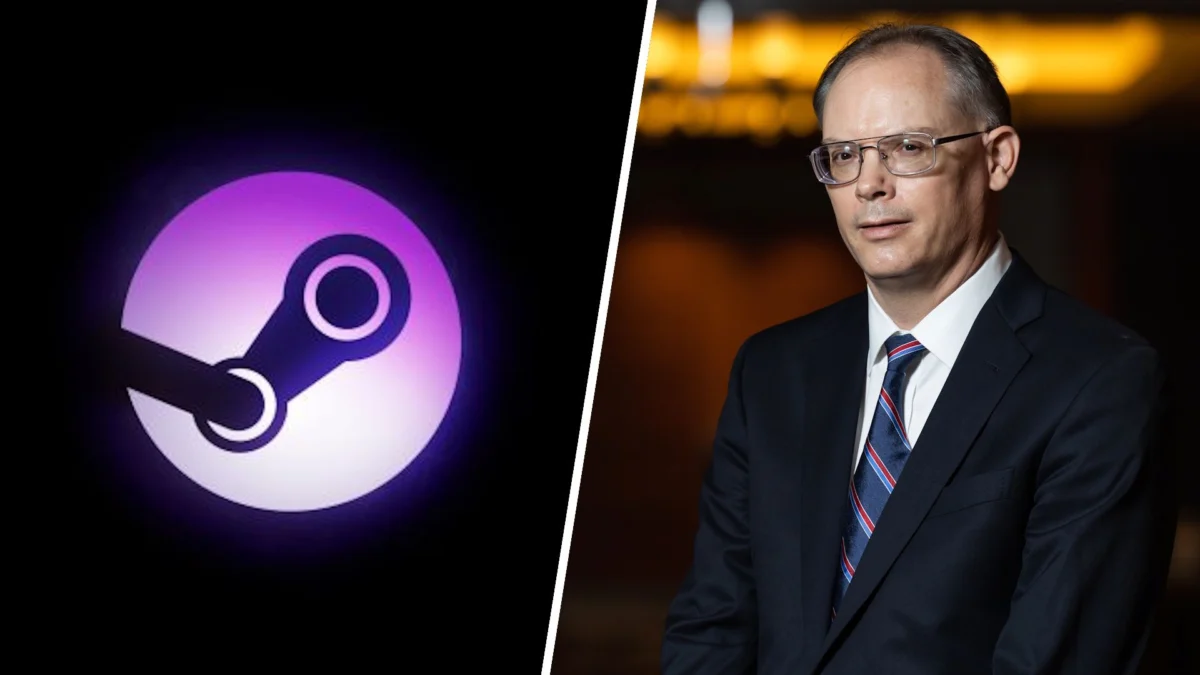
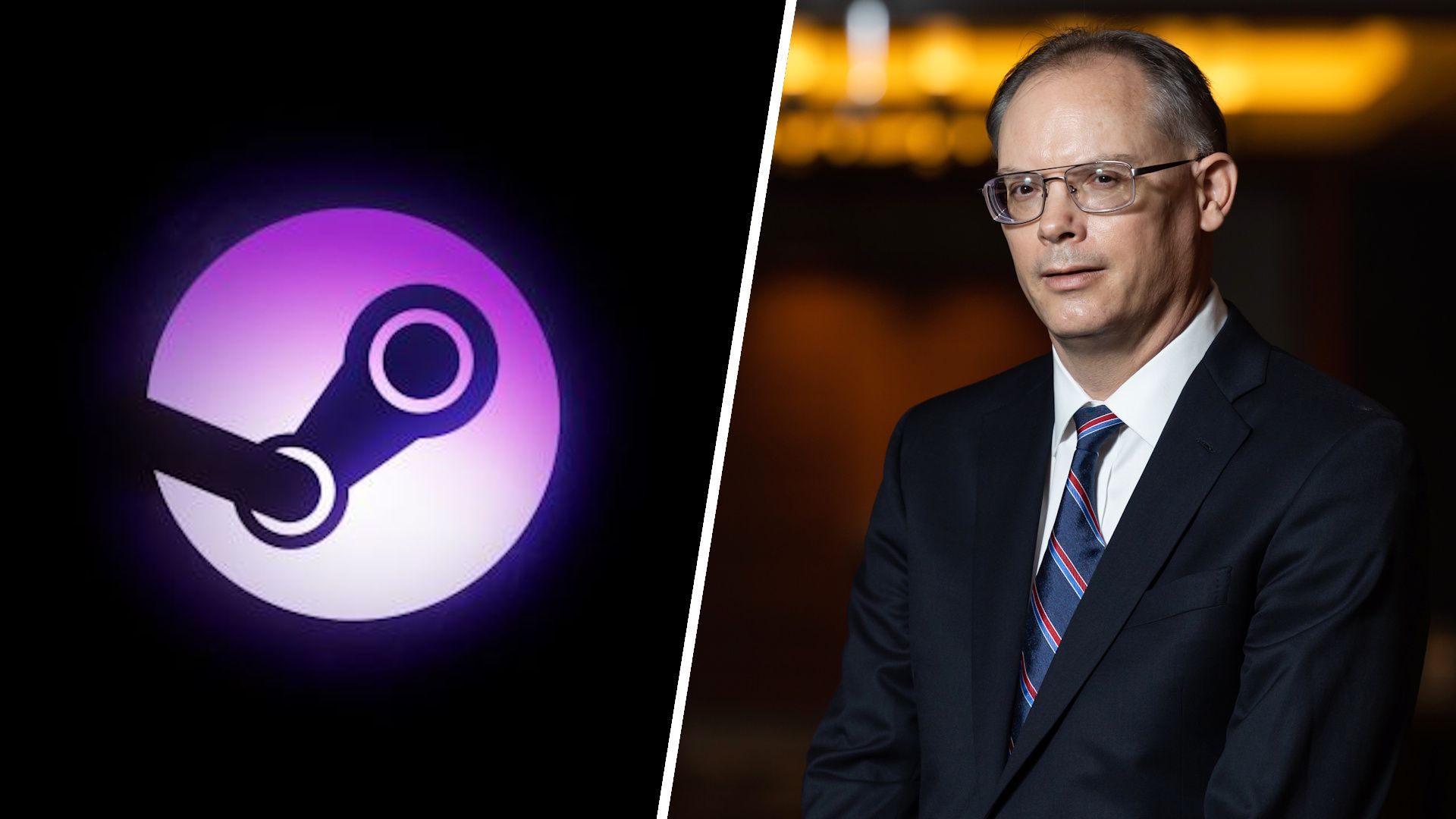
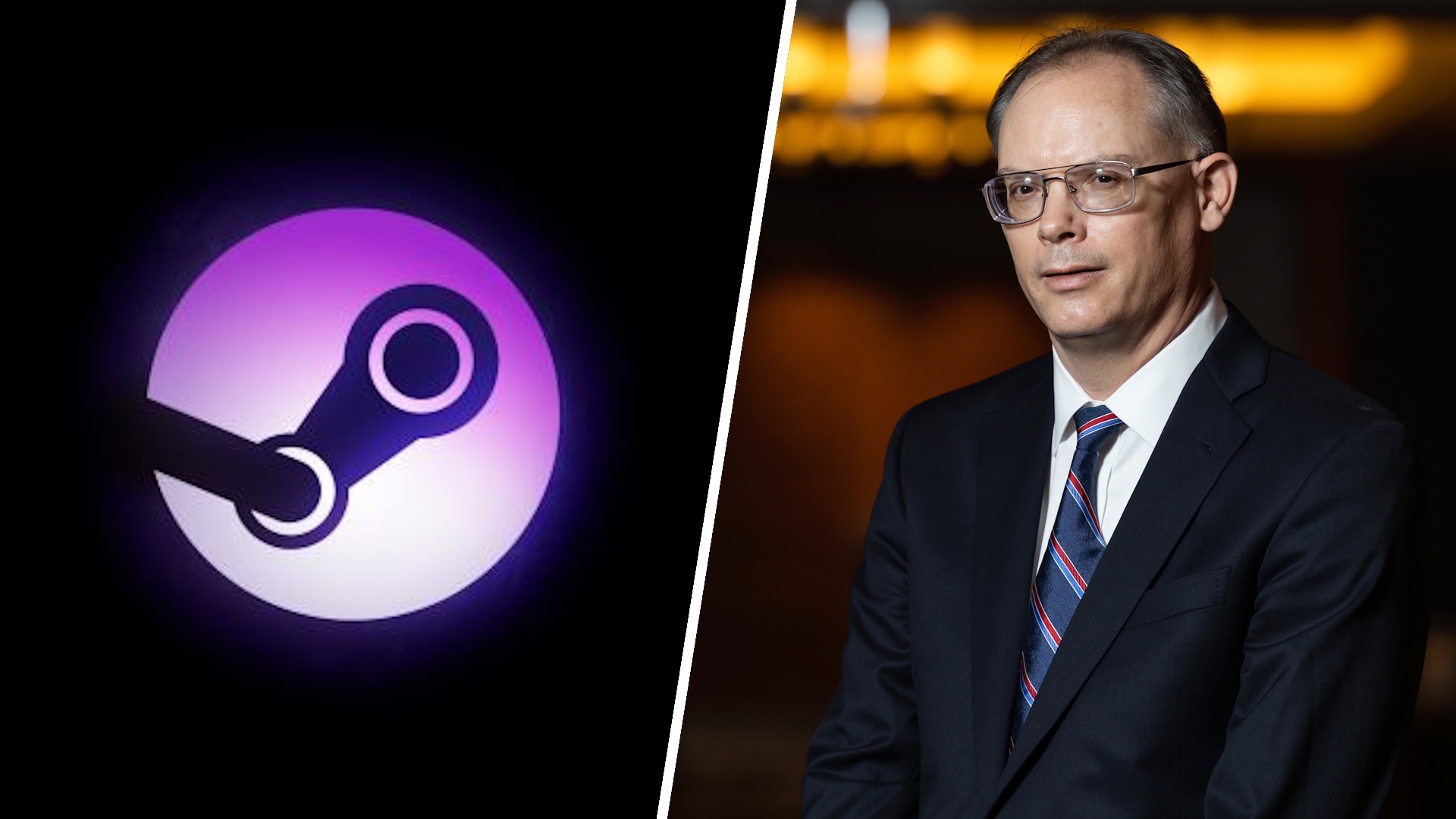
Epic Games Chief Executive Officer Tim Sweeney has reignited his long-running crusade against Valve Corporation, taking to social media to claim that Steam has "held gaming back for years." Sweeney’s latest broadside targets Steamworks—Valve’s proprietary suite of development tools and social integration features—accusing the dominant PC storefront of trapping developers within a closed ecosystem that stifles cross-platform connectivity and fair market competition.
The remarks arrive amid renewed industry discourse regarding digital distribution monopolies, profit margins, and the ubiquitous 30% revenue cut enforced by major storefronts like Steam, Apple’s App Store, and Google Play. Sweeney was joined in his critique by Kiaran Ritchie, a former principal animation programmer at Epic Games, who argued that modern cloud infrastructure renders traditional distribution costs negligible and that Steam’s enduring dominance is propped up solely by its massive network effect rather than technological superiority.
While Epic Games continues to position itself as a pro-developer alternative through aggressive pricing models—such as the Epic Games Store’s standard 12% revenue split and its free Epic Online Services (EOS) framework—critics note an apparent hypocrisy in Sweeney’s stance, pointing to Epic’s own controversial business practices, including its aggressive pursuit of platform exclusivity and its unyielding embrace of generative artificial intelligence technologies.
Chronology of the Dispute
The Catalyst: An Online Critique of Distribution Monopolies
The latest war of words began on X (formerly Twitter) when Kiaran Ritchie published a thread criticizing the economic realities facing game developers in the modern digital marketplace. Ritchie asserted that building a functional, high-performance alternative to Steam is remarkably straightforward with contemporary cloud infrastructure, pointing to negligible data egress costs via providers like Cloudflare.
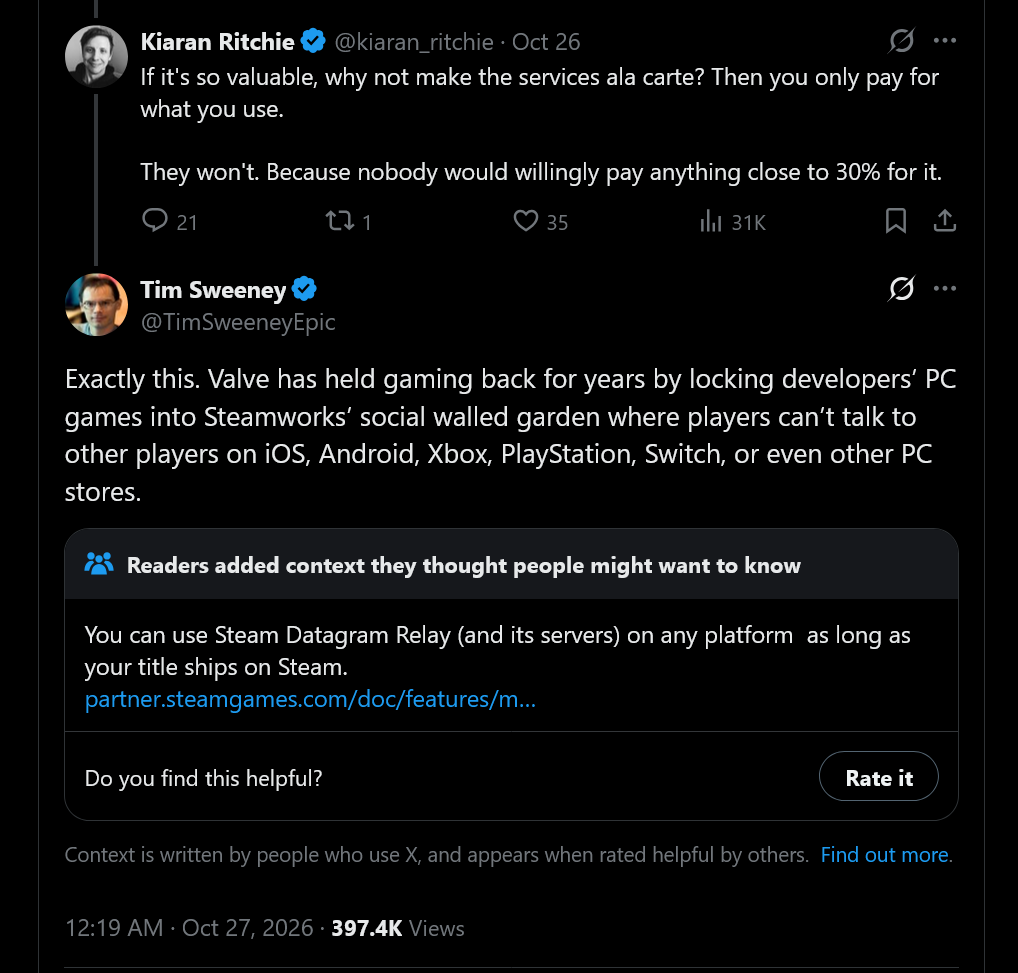
"You could vibe code a Steam alternative in a week," Ritchie wrote. "The industry is in desperate need of a distribution platform that allows developers to keep their revenue."
Ritchie further argued that while network effects and consumer attachment to their digital libraries make market disruption exceptionally difficult, the status quo actively deprives developers of the financial success stories necessary to foster a healthier, more diverse creative ecosystem. When questioned about the mixed user reception of the Epic Games Store client, Ritchie dismissed client-side optimization as a solved problem, asserting that "Steam’s only remaining value is its network."
Sweeney Weighs In: The "Walled Garden" Accusation
Seizing on Ritchie’s critique, Tim Sweeney amplified the narrative by focusing squarely on Valve’s technical architecture. He targeted Steamworks, the software development kit (SDK) that underpins multiplayer matchmaking, cloud saves, achievements, and friends lists for thousands of titles on the platform.
"Valve has held gaming back for years by locking developers’ PC games into Steamworks’ social walled garden where players can’t talk to other players on iOS, Android, Xbox, PlayStation, Switch, or even other PC stores," Sweeney posted.
This assertion immediately drew pushback from community members and developers. A crowdsourced Community Note was appended to Sweeney’s post, pointing out that numerous games utilize Steamworks strictly for lightweight user authentication to facilitate crossplay, handling the heavy lifting of matchmaking and networking independently through other backend services.
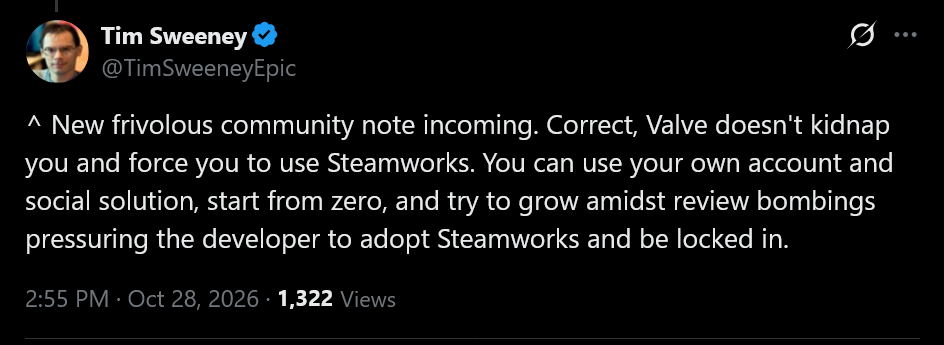
Sweeney dismissed the counterargument as "fake," maintaining that Steam Datagram Relay and basic authentication tools do not negate what he perceives as a systemic failure to foster true cross-platform social integration. He later clarified his stance, acknowledging that "Valve doesn’t kidnap you and force you to use Steamworks," but argued that the immense social pressure from consumers—often manifesting as review-bombing campaigns against games launched without Steam integration—effectively strips developers of real autonomy.
Supporting Data and Economic Realities
To understand the weight of Sweeney’s accusations, it is necessary to examine the underlying financial architecture of PC game distribution, which has remained largely standardized for nearly two decades.
- The 30% Industry Standard: Established during the physical retail era to account for manufacturing, shipping, wholesale margins, and shelf-space allocation, the 30% cut was carried over into digital storefronts by Valve with the launch of Steam in 2003. Microsoft, Sony, Nintendo, Apple, and Google have historically mirrored this fee structure for digital applications and console games.
- The Epic Counter-Model: Upon launching the Epic Games Store in December 2018, Epic Games sought to disrupt this duopoly by offering a revolutionary 88/12 revenue split, allowing developers to retain 88% of their earnings. Epic argued that lower distribution overhead in the digital age makes the 30% cut an unjustified extraction of creator wealth.
- Infrastructure Costs vs. Profit Margins: Ritchie’s commentary highlighted that cloud infrastructure—such as content delivery networks (CDNs) and server hosting—has plummeted in cost over the past decade. Proponents of alternative stores argue that modern cloud economics mean platforms no longer require a 30% margin to maintain profitable operations.
- The Power of Network Effects: Despite financial incentives elsewhere, Steam regularly shatters its own concurrent user records, recently surpassing 39 million simultaneous users. Consumers routinely cite their consolidated game libraries, user reviews, Steam Workshop mod integration, and community features as reasons for refusing to migrate to competing launchers like the Epic Games Store, Origin/EA App, or Ubisoft Connect.
Official Responses and Industry Perspectives
The ongoing feud between Epic Games and Valve has polarized the video game development and consumer communities, drawing sharp contrasts in how different entities view platform stewardship.
Valve’s Silent Stance on Direct Provocation
True to form, Valve Corporation has maintained its characteristic public silence regarding Sweeney’s social media posts. Co-founder and CEO Gabe Newell rarely engages in public Twitter spats, preferring to let Steam’s market share and ongoing platform updates—such as the recent Steam Deck hardware ecosystem and continuous client refinements—speak for themselves. Valve’s official philosophy has historically framed Steam not as a restrictive walled garden, but as an open marketplace that grants developers direct access to hundreds of millions of active, paying customers without imposing mandatory store-wide exclusivity requirements (outside of Valve’s own first-party titles).
Epic Games and the Open Ecosystem Pitch
Epic continues to champion its Epic Online Services (EOS) as an antidote to proprietary platform lock-in. Available entirely free of charge to any developer regardless of where their game is sold, EOS provides cross-play, voice chat, matchmaking, achievements, and account services designed to integrate seamlessly across PC, consoles, and mobile devices. Sweeney frequently highlights EOS as proof that social infrastructure can be democratized without demanding a heavy cut of game revenues.
Developer Community Reactions
Reactions from independent and AAA developers alike have been mixed. Many smaller studios openly resent the 30% platform fee, viewing it as an exorbitant tax that eats directly into profit margins needed for studio survival and future game development. However, many developers simultaneously rely on Steam’s robust discoverability algorithms, community forums, and review systems to sustain their businesses, acknowledging that launching outside of Steam often equates to commercial obscurity on PC.
Broader Implications for the PC Gaming Ecosystem
The war of words between Epic Games and Valve transcends a simple corporate rivalry; it touches upon fundamental questions concerning the future freedom, interoperability, and economic sustainability of the PC gaming medium.
1. The Paradox of Walled Gardens vs. Platform Utility
Sweeney’s critique of Steamworks as a "social walled garden" highlights a genuine tension in modern software development. When a platform’s proprietary APIs become the de facto standard for multiplayer connectivity and social interaction, developers face immense friction if they attempt to untangle their games from that ecosystem.
However, defenders of Steam point out that Steamworks provides a frictionless, out-of-the-box solution that allows indie developers to implement robust online features without building expensive backend infrastructure from scratch. For a two-person indie team, the convenience offered by Steamworks often outweighs ideological concerns regarding platform lock-in.
2. The Hypocrisy Debate and Strategic Consistency
Industry analysts and journalists have increasingly pointed out an ideological contradiction in Sweeney’s public advocacy. While Sweeney positions himself as a populist crusader fighting for "open platforms" and developer freedom against Valve, Apple, and Google, his leadership at Epic has simultaneously courted controversy in other sectors.
Most notably, Epic Games has embraced an aggressive, unyielding stance on generative artificial intelligence, treating AI integration as an inevitable market force that developers must accept. This has drawn sharp contrasts with Valve’s cautious approach to AI-generated content on Steam. While Valve has openly grappled with the influx of low-effort "AI slop" and asset-cloned games flooding its storefront, it has attempted to balance creator freedom with quality control without imposing broad ideological mandates.
This dichotomy leads many observers to question whether Sweeney’s crusades are driven by a holistic philosophy of digital freedom or by a targeted corporate strategy aimed at undercutting his company’s most formidable commercial rival.
3. The Horizon of Digital Distribution
As the video game industry navigates post-pandemic market corrections, layoffs, and rising development costs, the conversation surrounding digital storefront economics is unlikely to fade. Whether alternative platforms can successfully erode Steam’s market dominance—or whether regulatory bodies will step in to scrutinize digital storefront fees—remains one of the most critical storylines in modern gaming.
For now, Steam remains the undisputed heavyweight champion of PC gaming, while Tim Sweeney continues his relentless campaign to convince the industry that a better, fairer, and more open future is possible—provided developers are willing to look beyond the green-and-blue horizon of Valve’s empire.