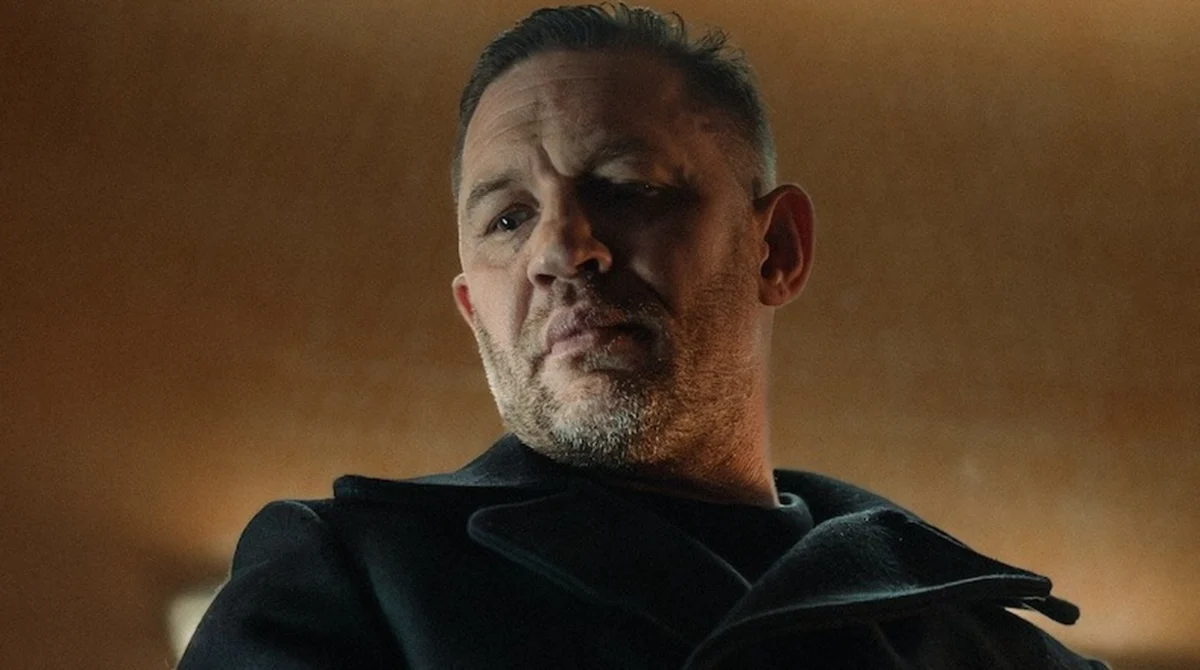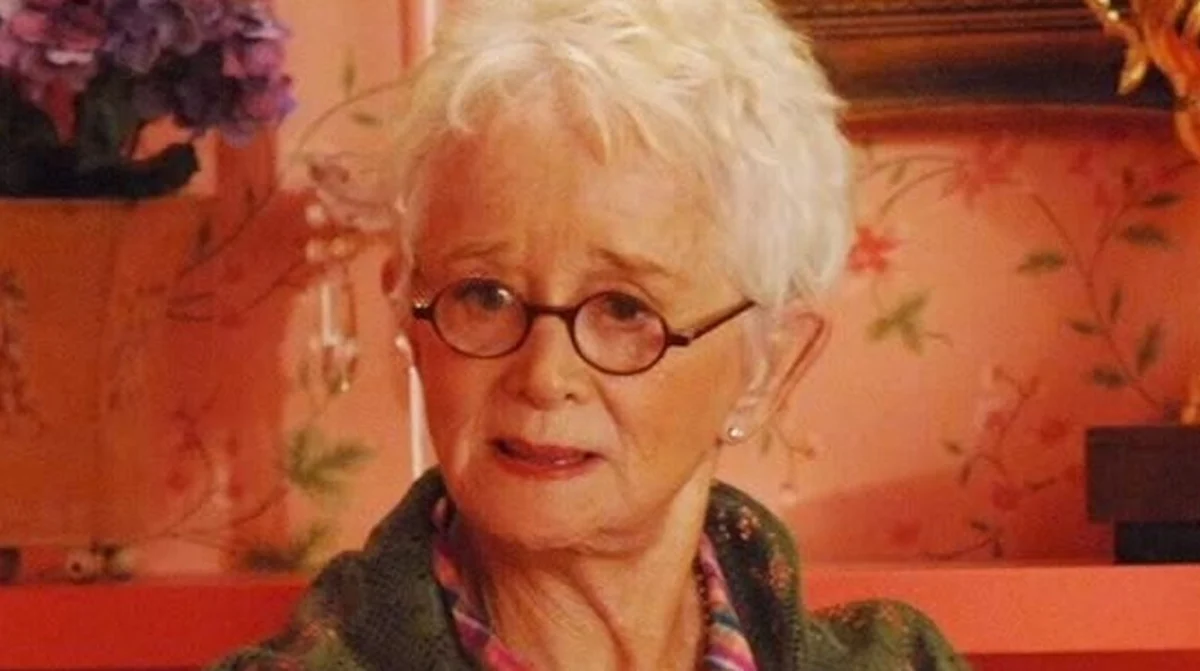
The social experiment that captured the cultural zeitgeist has reached its conclusion. Love Is Blind Season 11 has officially wrapped its Boston-based chapter, leaving audiences with a landscape of shattered engagements, uncomfortable altar revelations, and a singular success story that remains shrouded in post-finale uncertainty.
As the credits rolled on Wednesday’s finale, the data was stark: of the six couples who emerged from the pods with high hopes and diamond rings, only one pairing—Sarah and John—successfully navigated the gauntlet to marriage. The remaining five relationships dissolved either in the quiet, tense days leading up to the ceremony or during the high-stakes, televised drama of the altar itself.
The State of the Experiment: A Chronology of Collapse
To understand how Season 11 arrived at this lopsided conclusion, one must look at the timeline of the disintegration. The season, characterized by a distinct lack of synergy among the cast, saw early exits for Jax and Stew, whose connection evaporated before it could truly gain momentum. Similarly, the departure of Michaella and Rob following a volatile Episode 10 meltdown set the tone for what would become a theme of deep-seated incompatibility.
The Pre-Altar Breakups: Erika and Blake, Wilnie and Wilson
The final act of the season was defined by couples who realized the futility of their situations before even reaching the chapel. Erika and Blake, whose relationship was strained from their first in-person meeting, provided a masterclass in divergent life paths. Blake, a yacht captain, sought a nomadic partner to join him in a "vagabond" lifestyle—a vision Erika categorically rejected. Their separation at the start of the finale felt less like a tragedy and more like a necessary correction.
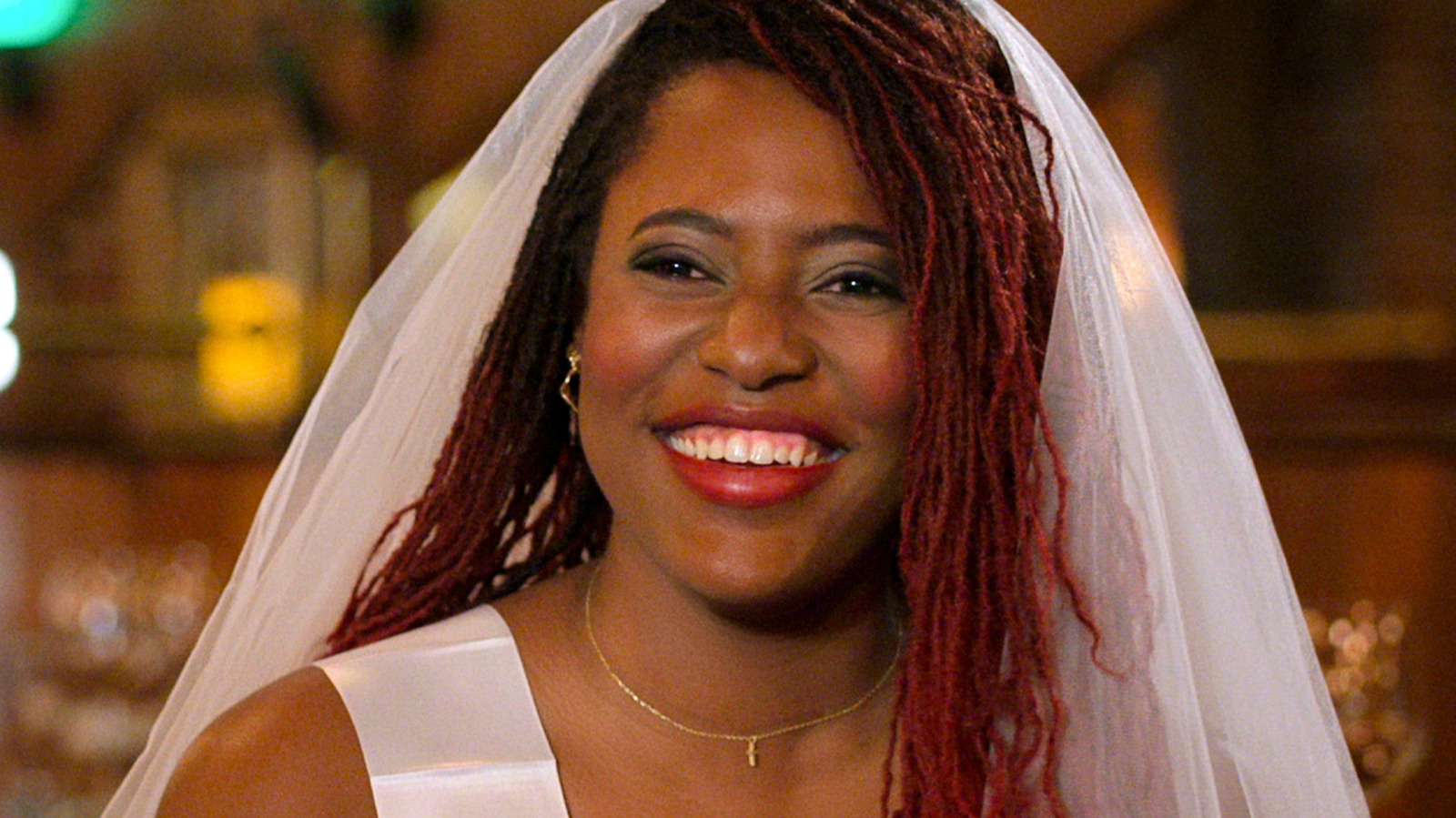
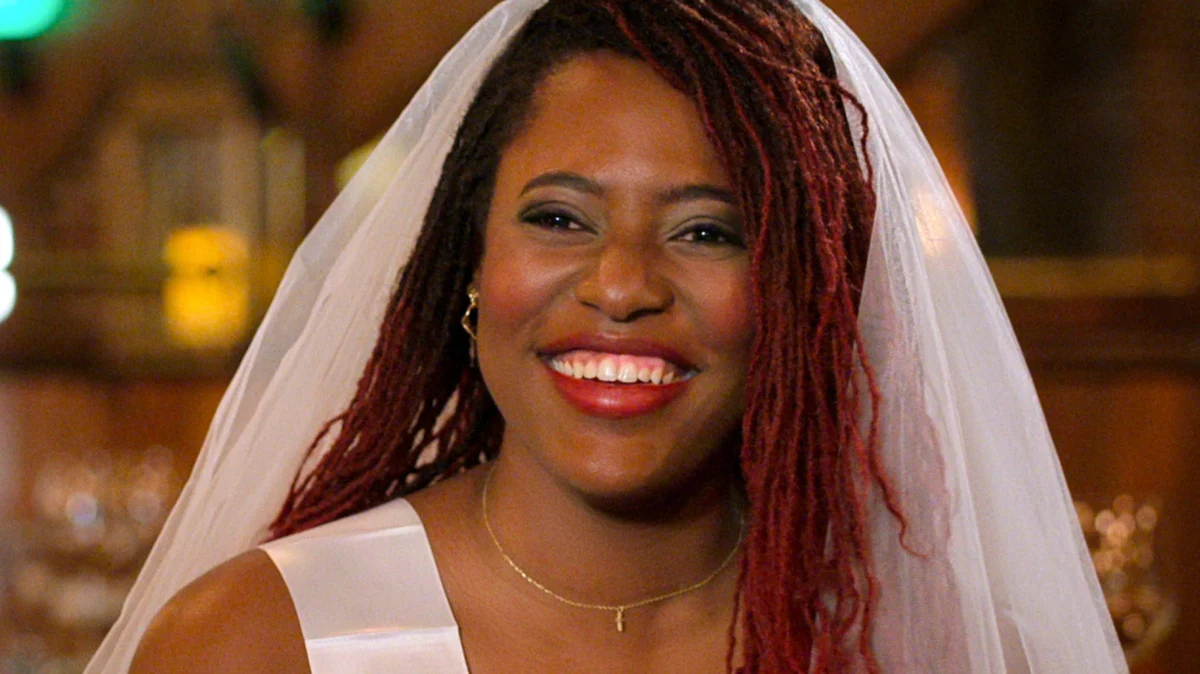
In contrast, the breakdown between Wilnie and Wilson was marked by a sudden, jagged shift from perceived stability to acrimony. While the couple appeared to be on a steady trajectory, the facade crumbled during Wilson’s bachelor party. His subsequent critique of Wilnie—specifically his claims regarding her "personality" and alleged helplessness—painted a portrait of a man looking for reasons to justify a departure. Wilnie, left to process the "terrible" nature of his remarks in her final confessional, expressed a sense of relief, noting that she refused to step into a parental role for a partner who clearly lacked respect for her character.
The Altar Drama: The Strange Case of Cam and Aneha
Perhaps the most puzzling sequence of the finale involved Cam and Aneha. In the days leading up to the wedding, Aneha’s resolve appeared ironclad. She famously declared in a confessional that she would be willing to "die" for Cam—a sentiment that suggests an intensity that often precedes disaster in reality television.
The interference of family dynamics played a pivotal role here. Aneha’s sister, Anekha, cast a long shadow over the ceremony, openly advising the bride to "say no" while hair and makeup teams worked around them. This external pressure clearly permeated Aneha’s psyche. When the moment of truth arrived at the altar, the resulting indecision was palpable.
After a tense pause, Aneha stated that while she believed Cam was her "person," she required more time before entering into a legal marriage. Her subsequent behavior—cheerfully announcing to the guests that they had said "I don’t"—stood in jarring contrast to Cam’s visible emotional deflation. While Aneha viewed the moment as a mere pause in their journey, Cam correctly identified the reality of the situation: one does not typically leave a partner at the altar and expect to resume a standard dating life the next day. The inevitable post-mortem confirmed the end of their relationship, with Cam noting that the prospect of staying together after such a public rejection was a "fantasy."
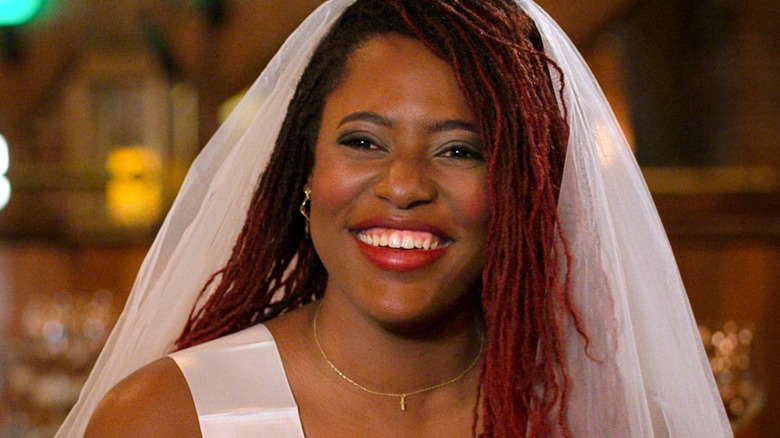
The Sole Survivors: Sarah and John
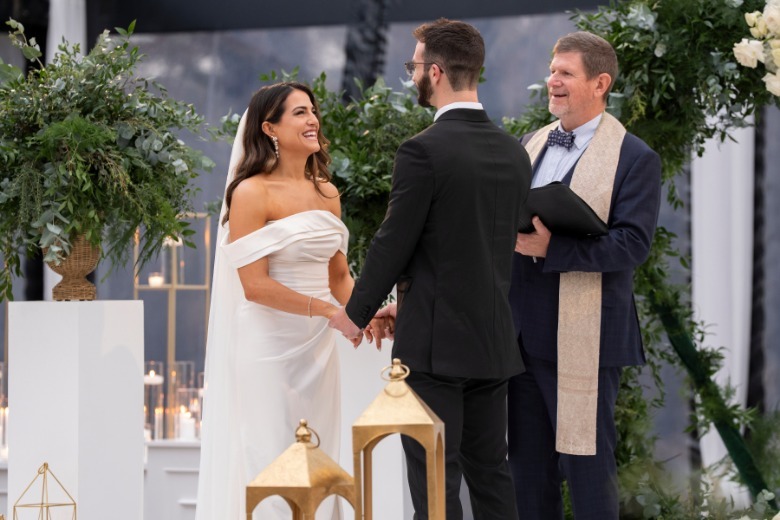
Against the backdrop of these public failures, Sarah and John’s wedding served as the season’s only beacon of traditional success. Their ceremony was widely regarded as the most authentic moment of the finale, marked by genuine sentiment and a lack of the performative tension that plagued their castmates.
However, the "happily ever after" remains under a cloud of suspicion. While the pair exchanged vows and celebrated with friends and family, subtle cracks were visible throughout the season. Sarah’s admission regarding John’s views on single women over the age of 30—which she labeled "problematic"—suggests that their foundation may be built on a precarious acceptance of conflicting values.
The most pressing concern, however, stems from the teaser for the upcoming reunion on November 8. The footage shows host Nick Lachey pointedly asking an off-screen participant, "Did you cheat on your wife?" Given that John is the only husband remaining from the season, the implication is impossible to ignore. Coupled with shots of a woman resembling Sarah appearing distressed and ringless, the "success" of this marriage is currently the subject of intense fan speculation.
Data and Trends: What This Means for the Franchise
The trajectory of Season 11 raises critical questions regarding the Love Is Blind format. When a season ends with a success rate of less than 20% among the finalists, it forces a conversation about the vetting process and the "pods-to-altar" timeline.
Key Takeaways:
- The "Hard Conversation" Fallacy: Participants often confuse the ability to have difficult discussions with genuine emotional compatibility. As seen with Sarah and John, discussing "problematic" views does not necessarily resolve the underlying incompatibility.
- The Role of External Influence: Aneha’s reliance on her sister’s advice during the final hours highlights how susceptible the participants are to outside opinions, even when those opinions contradict their own stated feelings.
- The "Mothering" Dynamic: Wilnie’s revelation that she felt pressured to "mother" her partner highlights a recurring issue in the series where gendered expectations often override the emotional connection formed in the pods.
Implications for the Reunion
As viewers look toward the reunion episode, the focus has shifted from the wedding itself to the accountability of the participants. The teaser trailer—featuring the pointed questions from Nick Lachey and the visible emotional fallout of the cast—suggests that the finale was merely the prologue to a more comprehensive unraveling of these relationships.
The audience is left with a sense of déjà vu. The experiment, which promises to answer whether love can be blind to physical and societal pressures, instead frequently demonstrates that the pressures of the real world—finances, family, and fundamental personality traits—often act as the ultimate judge.
Whether John will answer for the alleged infidelity, or if the other couples will find closure in the reunion chair, remains to be seen. What is clear, however, is that Season 11 has reinforced the cynical view that the "pod" connection is rarely sufficient to withstand the harsh light of reality. For the fans who tune in on Sunday, the objective is no longer to celebrate a union, but to witness the aftermath of a social experiment that, once again, left more questions than it answered.
The Love Is Blind Season 11 reunion airs Sunday, November 8, at 9/8c, promising to provide the final, definitive word on which, if any, of these bonds survived the transition from the screen to the real world.