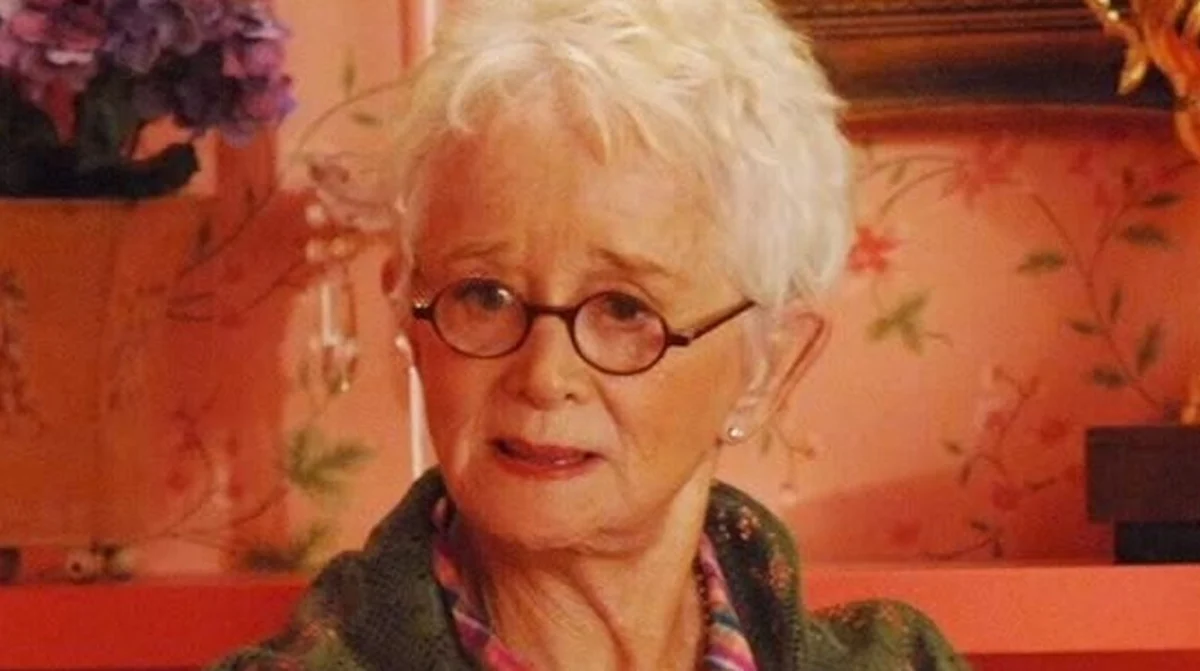
Barbara Barrie, the venerable stage, film, and television actress whose career spanned seven decades and left an indelible mark on the landscape of American entertainment, has died at the age of 95. Her passing at her Manhattan home on Wednesday marks the end of a storied life defined not only by her artistic brilliance but by her quiet, unwavering advocacy for personal autonomy.
According to a representative for the family, Barrie’s death was the result of a terminal cancer diagnosis. In a final act of agency that mirrored the strength she often brought to her characters, her passing was medically assisted in accordance with New York State’s Medical Aid in Dying (MAID) law—a cause she had long championed and supported.
A Life in the Spotlight: The Professional Chronology
Born in Chicago in 1931, Barrie’s journey toward becoming one of the most recognizable character actors in television history began in the mid-1950s. Her early years were spent honing her craft in the rigorous environment of live theater and the burgeoning medium of television.
The Golden Age and the Small Screen
Barrie’s presence in the 1960s was ubiquitous. She moved seamlessly between the dark, psychological depths of The Twilight Zone and The Alfred Hitchcock Hour, demonstrating a versatility that would become her hallmark. While she was capable of high drama, she possessed a natural comedic timing that made her an invaluable asset to the ensemble-driven sitcoms of the 1970s and 80s.
Her most iconic television role arrived in 1975 when she was cast as Elizabeth Miller, the long-suffering but deeply grounded wife of Captain Barney Miller in the hit ABC series Barney Miller. The show, lauded for its gritty realism and workplace humor, provided a perfect stage for Barrie to showcase her ability to ground a scene amidst the chaotic energy of the 12th Precinct.
Following her run on Barney Miller, Barrie continued to weave herself into the fabric of television history. Younger audiences in the 1990s grew to know her as Helen “Nana” Keane, the sharp-witted and supportive grandmother to Brooke Shields’ character on the long-running NBC sitcom Suddenly Susan.
The Silver Screen and Award Recognition
While her television credits are vast, Barrie’s impact on film was equally significant. Her most celebrated cinematic turn came in the 1979 classic Breaking Away. Playing Evelyn Stoller, the mother of the protagonist, Barrie brought a warmth and authentic American grit to the role that resonated with audiences and critics alike.
The performance earned her an Academy Award nomination for Best Supporting Actress. Throughout her career, she garnered three Emmy Award nominations: two for Outstanding Supporting Actress in a Drama Series (for the television adaptation of Breaking Away in 1981 and Law & Order in 1992), and one for Outstanding Guest Actress in a Drama Series for her gripping work on Law & Order: SVU in 2003.
A Career of Unmatched Longevity
To look at the list of credits in Barbara Barrie’s filmography is to look at the history of modern American television. She was a bridge between eras, working consistently from the era of live broadcast through the peak of the prestige TV boom.
Her resume includes appearances on:
- The Classics: The Twilight Zone, The Alfred Hitchcock Hour
- The Dramas: Lou Grant, Trapper John, M.D., thirtysomething, Law & Order
- The Modern Era: Dead Like Me, Pushing Daisies, Army Wives, Nurse Jackie, and Enlightened.
Whether she was playing a recurring character or a guest star, Barrie brought a level of preparation and gravitas that elevated the material. Directors and producers frequently noted that her presence on set brought a professional standard that younger actors would strive to emulate. She was, in every sense of the term, an "actor’s actor"—someone who understood the mechanics of storytelling and the importance of the ensemble.
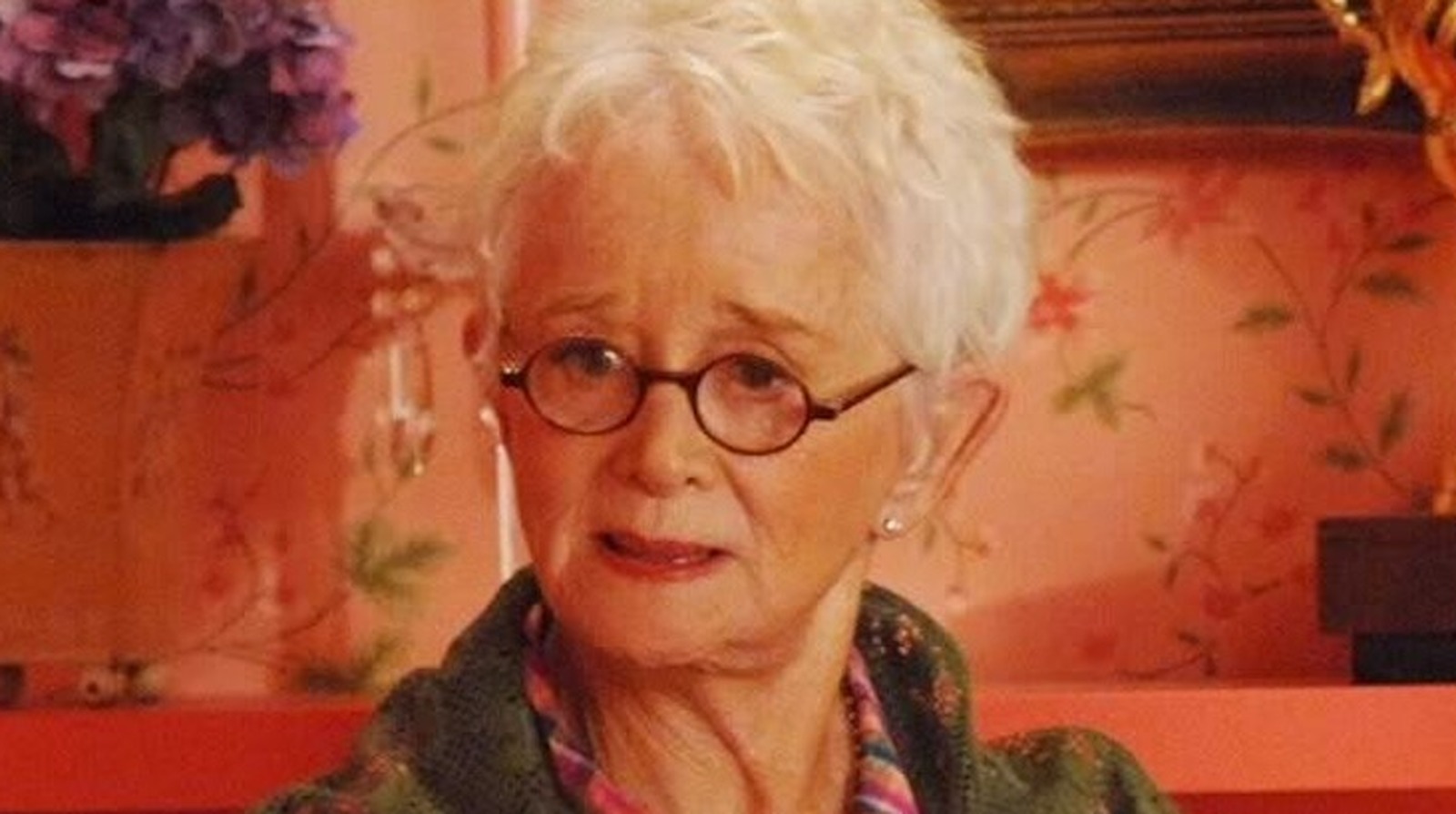
Advocacy and the Final Choice: A Personal Stand
Perhaps the most defining moment of Barrie’s final chapter was her vocal support for the New York State Medical Aid in Dying (MAID) law. This legislation, which allows mentally competent, terminally ill adults to request life-ending medication, is a subject of significant ethical debate in the United States.
By choosing to utilize this law, Barrie’s death carries a profound, secondary meaning. She was not merely a passive participant in her own end-of-life care; she was an active proponent of the policy. Her representative noted that her choice was made in full accordance with the law she had spent time advocating for.
This decision highlights a central theme of Barrie’s life: a belief in individual agency. Just as she carefully curated her career and maintained a private life away from the tabloid culture, she sought to maintain control over the finality of her existence. Her passing brings a rare, public-facing focus to the realities of terminal illness and the legal options currently available to those facing such a diagnosis in New York.
Implications for the Industry and Advocacy
The death of Barbara Barrie is a loss for the artistic community, but it also serves as a catalyst for conversation regarding the dignity of the elderly and the terminally ill. In an industry that often celebrates youth, Barrie remained a working, vibrant actress well into her 80s, proving that talent and demand do not have an expiration date.
Furthermore, her decision to use the MAID law is likely to spark renewed discussion about the accessibility of end-of-life care. Advocates for medical aid in dying have long argued that such laws allow for a "good death"—one free from the protracted agony of certain cancers. By linking her name to this cause, Barrie has provided a human face to a complex legislative issue.
Remembering a Legacy
Barbara Barrie is survived by her daughter, Jane Harnick; her son, Aaron Harnick; and three granddaughters. Beyond her immediate family, she leaves behind a legacy of work that continues to live on through syndication and streaming platforms.
As the industry mourns, colleagues and fans alike are reflecting on her ability to make the "everyday" person feel monumental. She could play a grandmother, a neighbor, or a colleague, and in doing so, she reflected the beauty and the struggle of the common human experience.
Her life was a testament to the idea that one does not need to be the loudest person in the room to be the most impactful. Through her decades of performances, she became a familiar face in millions of living rooms—a constant, reliable, and deeply human presence that will be sorely missed.
As we look back at her contribution to film and television, we see more than just a list of credits. We see a woman who lived with purpose, acted with precision, and departed with the same grace that defined her entire life.
We invite our readers to share their favorite memories, episodes, or moments of Barbara Barrie in the comments below. Whether it was her sharp wit in "Suddenly Susan" or her touching portrayal in "Breaking Away," how did she impact your viewing experience?