The intersection of high fashion and wearable technology has long been a pursuit of Silicon Valley, yet few partnerships have generated as much industry intrigue as the budding collaboration between Google and luxury eyewear powerhouse Gentle Monster. Following a series of leaks and strategic social media teasers, the "Intelligent Eyewear" project is finally stepping out of the shadows. With a confirmed pre-order date of November 12 and a full retail launch slated for December, the tech world is holding its breath to see if these devices can succeed where previous attempts at "smart glasses" have faltered.
Main Facts: A New Era of Wearable Tech
Gentle Monster has officially announced that its contribution to the Android XR ecosystem will be available for pre-order on November 12. This announcement, which aligns perfectly with recent intelligence suggesting a similar timeline for partner brand Warby Parker, positions these two companies at the vanguard of Google’s latest hardware strategy.
Unlike the bulky, screen-heavy headsets that have dominated the market—such as the Apple Vision Pro—the "Intelligent Eyewear" from Gentle Monster is designed with a "display-free, audio-first" philosophy. The devices are engineered to integrate seamlessly into daily life, functioning as high-end fashion accessories that hide sophisticated AI-driven internals. Central to this experience is Gemini, Google’s multimodal artificial intelligence, which will serve as the primary interface for users, allowing for hands-free assistance, real-time information retrieval, and contextual awareness.
Chronology: From Accidental Leaks to Cinematic Teasers
The path to this launch has been marked by a series of controlled revelations and unintentional spills.
- Early 2024: Industry whispers began circulating that Google was pivoting its XR strategy, moving away from standalone, isolated hardware to a platform-agnostic approach powered by Android XR.
- Late October 2026: Speculation reached a fever pitch when reports surfaced that Warby Parker had inadvertently shared internal documentation regarding a December launch window for its own smart glasses.
- November 6, 2026: Gentle Monster officially broke its silence. The company posted a cryptic, high-concept teaser on X (formerly Twitter), confirming the December launch window and the November 12 pre-order date.
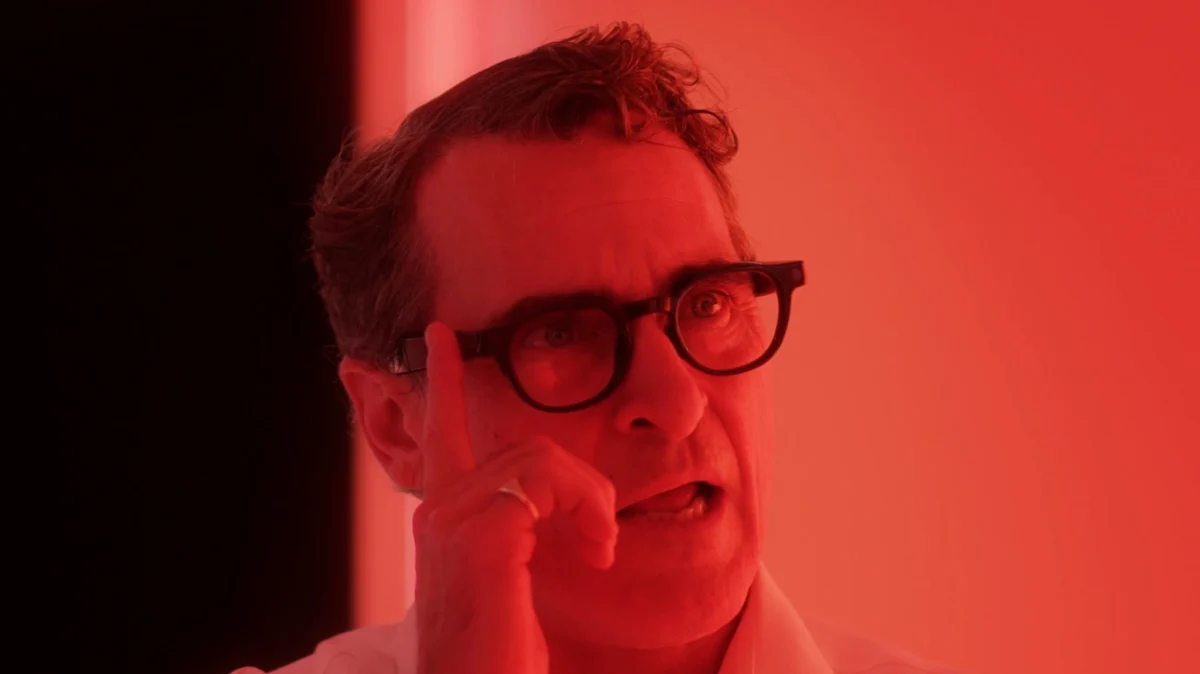
- November 6, 2026 (Ongoing): The reveal was accompanied by the announcement of a short film directed by the acclaimed Jonathan Glazer (The Zone of Interest). Starring Joaquin Phoenix, the film is set to debut in mid-November, marking a departure from traditional tech marketing in favor of an experimental, artistic approach.
This timeline highlights a deliberate strategy: using the prestige of established design houses to soften the public perception of wearable cameras and microphones, a significant hurdle that plagued the original Google Glass a decade ago.
Supporting Data: The Android XR Ecosystem
To understand why Google is outsourcing its hardware to fashion brands, one must look at the Android XR platform. Unlike previous iterations of augmented reality, which required proprietary, locked-down software, Android XR is designed to be a flexible foundation. It is the operating system that will underpin everything from the high-end Samsung Galaxy XR headset—a direct competitor to the Apple Vision Pro—to the lightweight, consumer-focused frames from Gentle Monster and Warby Parker.
The strategy here is scale. By providing the OS to multiple partners, Google is attempting to create a "network effect" for AI-integrated eyewear. The data suggests that consumers are increasingly wary of "gadget-heavy" aesthetics. By partnering with companies that have existing physical retail footprints and a deep understanding of frame ergonomics, Google is prioritizing comfort and style.
Technically, these glasses are expected to utilize bone conduction or discreet open-ear speakers, paired with an array of microphones to interface with Gemini. The omission of a visual display is a calculated move to reduce weight, battery drain, and the "uncanny valley" social friction often associated with cameras mounted on faces.
Official Responses and Creative Vision
The choice of Jonathan Glazer to helm the creative campaign is a clear signal of intent. By casting Joaquin Phoenix—an actor whose career is defined by unconventional, deeply psychological roles—Gentle Monster is framing this technology as a tool for "human augmentation" rather than a mere digital toy.
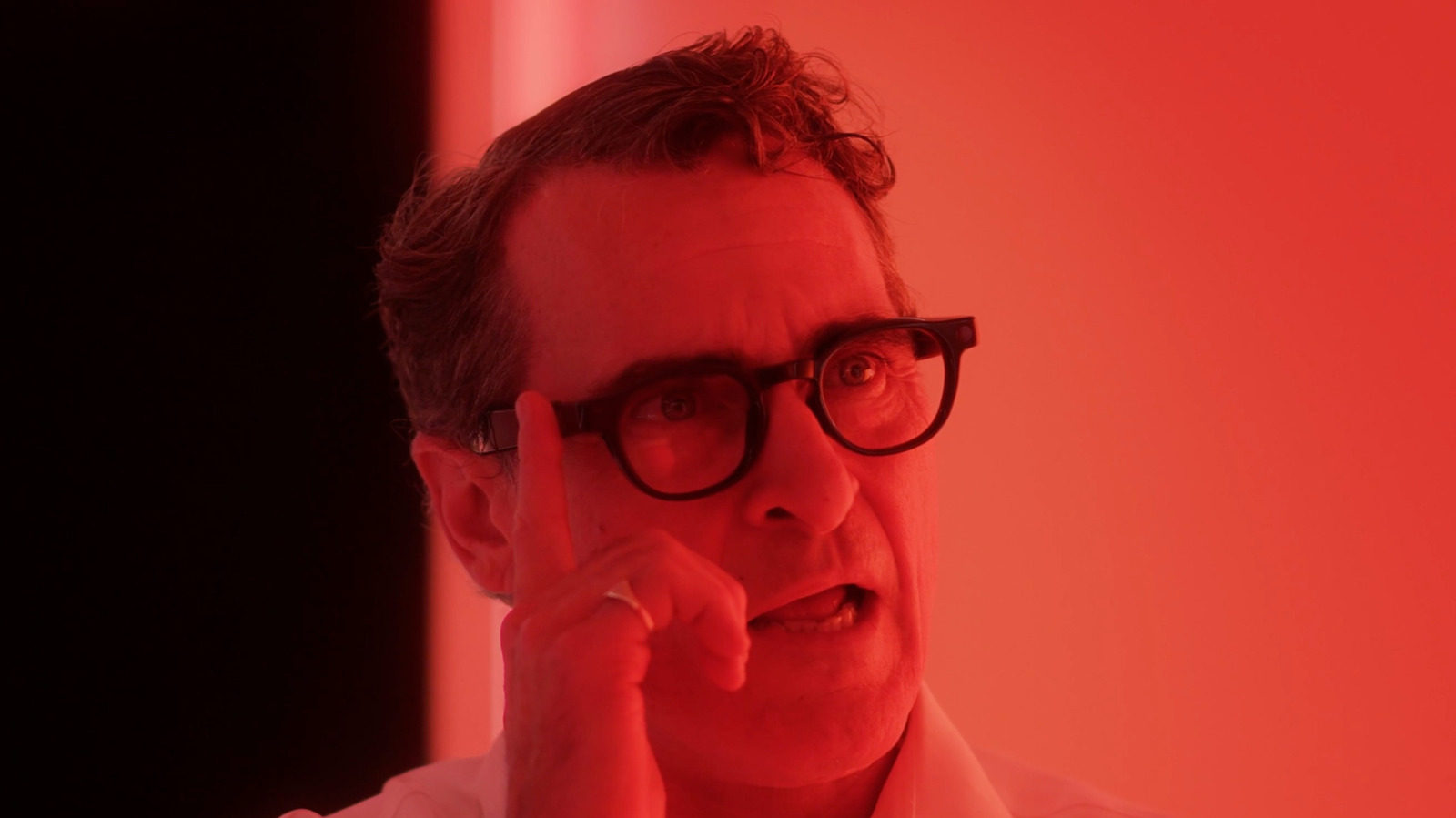
In its official communication, Gentle Monster describes the upcoming short film as a "cinematic journey between reality and dream." This messaging is designed to frame the glasses as a bridge between the physical and digital worlds. While Google has remained characteristically tight-lipped about the internal hardware specifications, the partnership underscores a transition from "Google the search engine" to "Google the ambient intelligence provider."
Industry analysts note that Google has not yet issued a formal press release confirming the exact launch dates provided by its partners, suggesting a "soft launch" approach. This allows the partners to generate hype and handle the logistics of the rollout while Google maintains a layer of strategic distance, likely preparing to integrate these devices into the broader Google ecosystem via software updates closer to the release date.
Implications: A Challenge to Meta’s Dominance
The emergence of these devices poses a significant challenge to the Meta Ray-Ban smart glasses, which currently hold the crown in the wearable AI space. Meta has successfully proven that consumers are willing to wear smart glasses if they look like standard frames, provided they offer useful features like music playback and AI-assisted object identification.
However, the Google-Gentle Monster collaboration brings a different set of advantages:
- The Android Advantage: Integration with the massive Android ecosystem means these glasses could theoretically communicate with the billions of devices already running Google’s software.
- Brand Equity: While Ray-Ban is a titan of eyewear, Gentle Monster occupies a distinct space in the luxury and avant-garde market. By targeting a fashion-forward demographic, Google is attempting to capture the "early adopter" market that values aesthetics as much as utility.
- The Gemini Integration: The primary differentiator will be the intelligence. If Google can leverage its Gemini model to provide more accurate, helpful, and context-aware responses than Meta’s current AI, the platform will have a distinct competitive edge.
The Specter of Google Glass
Google is undoubtedly hyper-aware of the failures of the original Google Glass. That project was marred by privacy concerns, a jarring aesthetic, and a lack of clear utility for the average person. The "Intelligent Eyewear" project seems to be a direct response to these lessons. By focusing on audio-only interaction and partnering with companies that already command public trust in the fashion space, Google is attempting to avoid the "Glasshole" stigma that derailed its first attempt.
The Road Ahead
As November 12 approaches, the tech and fashion industries will be watching closely. Will these frames be the moment that smart glasses finally transcend the "gimmick" label and become a staple of modern apparel?
The success of the Gentle Monster launch will likely dictate the pace at which Google scales its Android XR hardware program. If the pre-orders meet expectations, it will validate the idea that the future of computing isn’t in a phone in your pocket, but in the accessories on your face. For now, we are left to ponder the teaser: a cinematic exploration of reality and dreams, coming to screens in mid-November, and to our eyes this December.
The stage is set. The hardware is arriving. And for the first time in a long time, the prospect of wearing a computer on one’s face seems less like a sci-fi nightmare and more like a luxury experience. Whether the software can deliver on that promise remains the final, and most critical, question.