Main Facts: The Shocking Departure of a Sitcom Staple
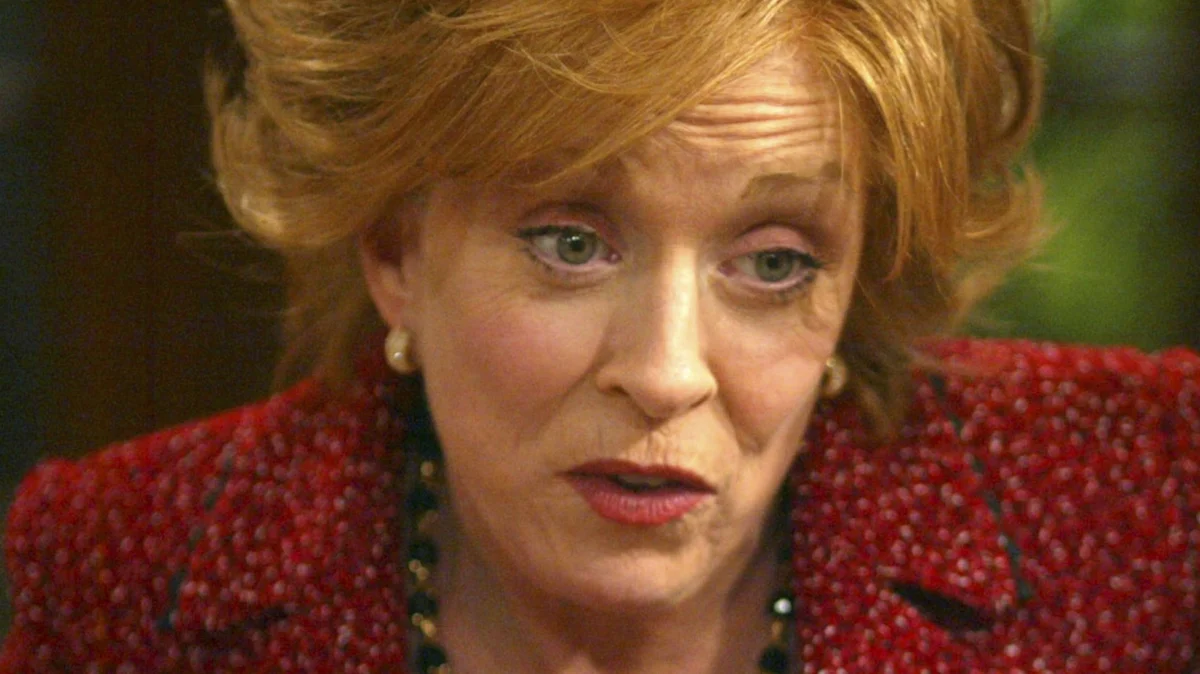
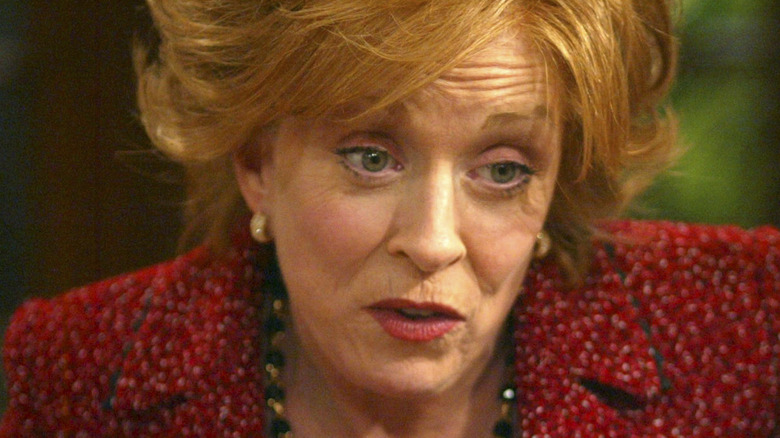
During its 12-season run on CBS, Two and a Half Men reigned as one of the most commercially successful and widely watched sitcoms on television. Anchored by the comedic chemistry of Charlie Sheen and Jon Cryer—who played the mismatched Harper brothers, Charlie and Alan—the show regularly pulled in multi-million-viewer audiences and dominated ratings. Yet, the foundational strength of the series extended far beyond its male leads. Among its standout ensemble cast was legendary stage and screen actress Holland Taylor, who brought razor-sharp wit, elegance, and icy detachment to the role of Evelyn Harper, the narcissistic, emotionally unavailable mother to Charlie and Alan.
Taylor’s portrayal of the domineering matriarch quickly became a fan favorite. Her scenes with Sheen and Cryer provided some of the sharpest comedic beats of the series, earning her widespread critical acclaim and four Primetime Emmy Award nominations for Outstanding Supporting Actress in a Comedy Series during her time as a regular.
However, at the conclusion of Season 6 in 2009, Taylor made the abrupt and surprising decision to step down as a series regular. While the show would continue for another six years, the absence of Evelyn Harper as a permanent fixture was deeply felt by loyal viewers. For years, the exact reasoning behind her sudden exit remained a subject of speculation among fans and industry insiders alike.
The mystery was finally cleared up when Taylor opened up about her departure during an appearance on the Alchemy with Anthony Mason podcast. Contrary to rumors of creative exhaustion or personal friction with her co-stars, Taylor revealed that her exit came down to a simple, unyielding industry reality: financial compensation and a lack of professional courtesy.
Despite anchoring one of the most lucrative comedies on television and earning multiple major award nominations for her work, Taylor’s salary remained stagnant. "They never paid me very well on that show," Taylor revealed during the podcast. "I was paid on that show what I had made on a series like eight years before or something. And I got four Emmy nominations, and they never gave me a raise. They usually do. I loved a lot about that show, but they were not full of courtesies."
Chronology: From Pilot Omission to Part-Time Matriarch
To understand the trajectory of Holland Taylor’s relationship with Two and a Half Men, one must look at the timeline of her involvement with the hit CBS comedy, which underwent several conceptual shifts before finding its ultimate format.
The Inception and Early Years (2003–2009)
Interestingly, Taylor was not part of the original pilot cast for Two and a Half Men. When the show was first conceptualized by co-creators Chuck Lorre and Lee Aronsohn, the role of Evelyn Harper was handled differently or cast with another performer before Taylor stepped in. Once she secured the part ahead of the series premiere in the fall of 2003, however, she instantly made it her own.
Over the first six seasons, Evelyn Harper evolved from a recurring thorn in her sons’ sides into a pivotal comedic catalyst. Whether crashing Charlie’s bachelor pad uninvited, insulting her grandchildren, or parading through a succession of wealthy, elderly, or doomed husbands and boyfriends, Taylor commanded every frame she appeared in.
Despite her growing prominence and the show’s skyrocketing advertising revenues, Taylor’s compensation package failed to reflect her contributions to the sitcom’s cultural and critical footprint. Standard television industry protocol typically dictates that actors receive incremental pay raises or renegotiate contracts after consecutive seasons of high performance and major award recognition—especially on a hit show. According to Taylor, those customary industry courtesies were entirely absent during her negotiations with the production team.
The Season 6 Ultimatum (2009)
As Season 6 drew to a close, Taylor approached the show’s producers and network executives with a definitive ultimatum: she was unwilling to renew her contract under the existing financial terms.
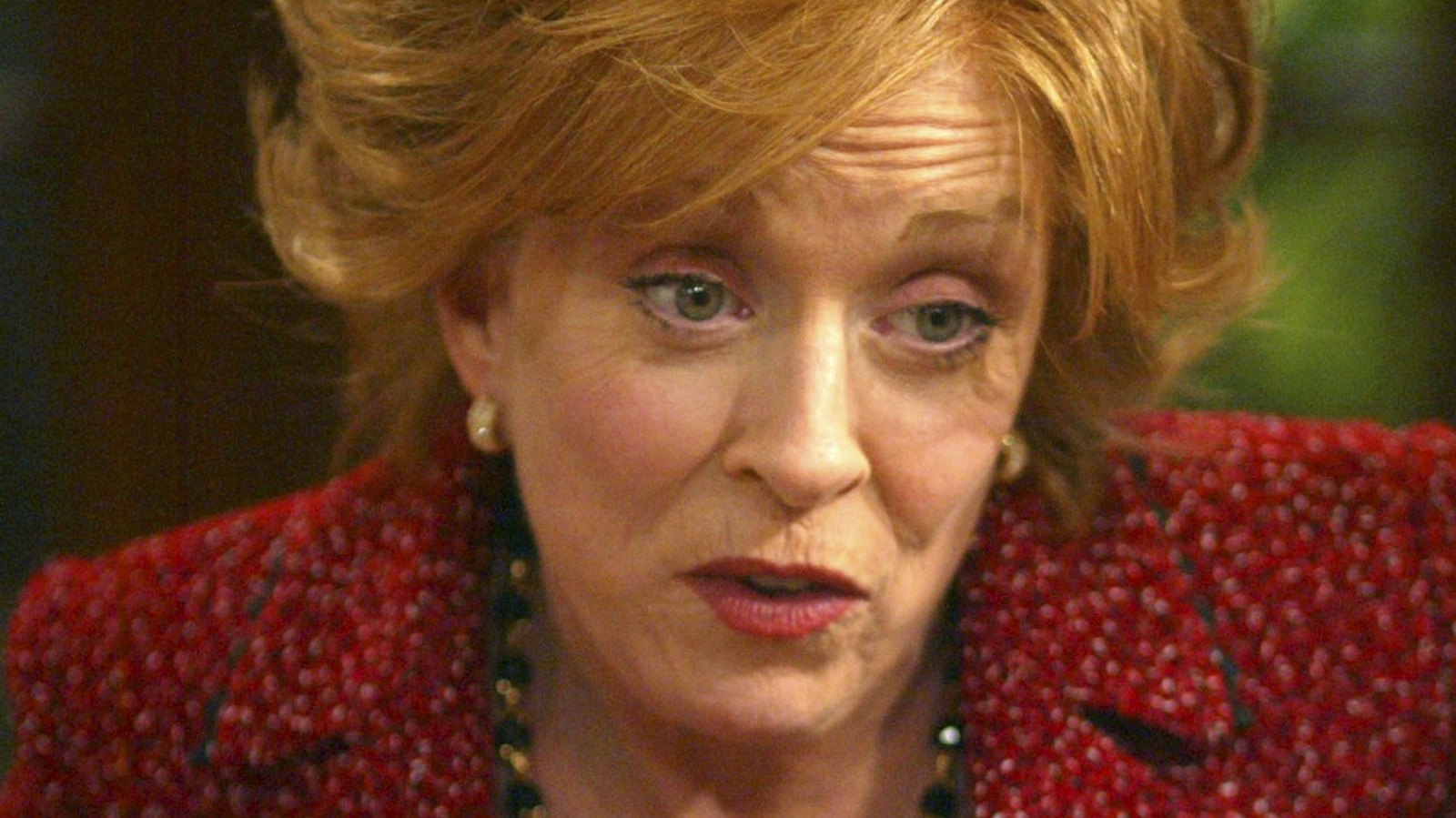
When she informed the studio of her decision to leave the series regular contract behind, executives initially misread her intentions. Believing it to be a standard negotiation bluff designed to squeeze out a higher salary, management stood firm, insisting that the budget could not stretch to accommodate a pay raise.
Taylor’s response, however, caught them entirely off guard. Rather than playing hardball for more money, she called their bluff permanently. "I said, ‘You could actually pay me the cost of this building, but don’t bother because I don’t want to continue on under contract,’" Taylor recalled. When the producers reiterated that they simply "can’t afford to give you more," Taylor simply replied, "I’m cool with it. I just will come back as a guest from time to time."
The Guest Star Era (2009–2015)
True to her word, Taylor did not walk away from the Two and a Half Men universe entirely. Beginning in Season 7 and continuing through the show’s final season in 2015, she transitioned into a recurring guest star.
This new arrangement granted Taylor complete autonomy over her schedule. No longer bound by the rigid exclusivity demands and grueling hours of a series regular contract, she could pick and choose when to grace the CBS soundstages.
"They would say, ‘Can you do a guest appearance at the end of March?’ And I would say, ‘No, I cannot,’" Taylor explained regarding her post-regular years. "I only did it if I wanted to do it."
Supporting Data: A Broader Trend of Compensation Issues on Set
Holland Taylor’s candid revelations about underpayment on Two and a Half Men are not isolated incidents within the show’s history. Over the years, several other key cast members have stepped forward to corroborate the narrative that despite the massive global profits generated by the Chuck Lorre sitcom, the standard of compensation for supporting actors did not always match the show’s blockbuster success.
Jon Cryer’s Perspective
Jon Cryer, who won two Primetime Emmy Awards for his definitive portrayal of the neurotic chiropractor Alan Harper, has frequently spoken candidly about the financial realities of working on the long-running series. While Cryer was undeniably a primary lead alongside Charlie Sheen, his initial compensation arrangements and subsequent contract negotiations were fraught with the typical Hollywood anxieties. Cryer has noted in various interviews that despite the show’s multi-million-dollar syndication deals, actors in television often face immense pressure to accept studio terms early on, and achieving parity with top-tier network salaries requires intense, high-stakes maneuvering.
Melanie Lynskey’s Revelations
Further validation of Taylor’s claims came from actress Melanie Lynskey, who famously played Rose, the quirky, stalker-next-door neighbor across all 12 seasons of the show. In multiple interviews following the show’s conclusion, Lynskey peeled back the curtain on the financial realities of playing a beloved recurring character on a network giant.
Lynskey revealed that despite her character being a cultural touchstone of the series and appearing in 63 episodes across the show’s run, her pay rate was shockingly modest. For many years during the height of the show’s popularity, Lynskey was not wealthy, noting that she was often living paycheck-to-paycheck early in the run and making far less money than the public commonly assumed for a co-star on a major network hit. Her statements directly mirror Taylor’s assessment that the production was not always generous or equitable when it came to compensating its supporting players outside of the immediate primary leads.
Official Responses and Industry Context
While neither Warner Bros. Television nor co-creator Chuck Lorre issued a direct point-by-point rebuttal to Holland Taylor’s specific claims regarding her salary negotiations, the inner workings of major network television production houses during the 2000s provide vital context to her situation.
During the peak years of Two and a Half Men (roughly 2003 to 2011), network sitcom budgets were heavily weighted toward anchoring movie stars or major television draws—in this case, Charlie Sheen, whose salary eventually ballooned to a historic $1.8 million per episode prior to his firing. As primary lead salaries consumed massive portions of production budgets, studios frequently attempted to hold the line on supporting actor compensation, relying on standard multi-year contracts signed at the start of a series when the show’s ultimate success was still an unproven gamble.
When Taylor demanded a renegotiation after proving her indispensable value to the series, the studio’s refusal to budge reflects a rigid corporate negotiating strategy common in network television at the time. By choosing to walk away from her full-time contract rather than accept stagnant wages, Taylor set a powerful precedent for veteran actors asserting their market value against multi-billion-dollar media conglomerates.
Implications: The Legacy of Two and a Half Men and Changing Industry Standards
Holland Taylor’s departure from Two and a Half Men as a regular cast member marks a fascinating chapter in the tumultuous history of the legendary sitcom—a history already well-documented for its behind-the-scenes drama.
Just two seasons after Taylor reduced her role to occasional guest appearances, the series faced its most catastrophic off-screen crisis. Escalating public tensions, erratic behavior, and explosive public remarks from leading man Charlie Sheen led to a complete breakdown in his relationship with showrunner Chuck Lorre. In March 2011, following a series of highly publicized media outbursts, Warner Bros. Television officially terminated Sheen from the series, bringing a violent end to the original dynamic of Two and a Half Men.
The studio attempted to salvage the cash cow by bringing in movie star Ashton Kutcher to play internet billionaire Walden Schmidt alongside Jon Cryer for the final four seasons. While the show maintained respectable ratings for a time, many critics and fans agree that the series never fully recovered its original comedic rhythm or cultural dominance once its primary engine was removed.
In hindsight, Taylor’s decision to downgrade her involvement in 2009 looks remarkably prescient. By severing her long-term contractual ties, she insulated herself from the escalating chaos that would plague the set during its final years, all while retaining the creative freedom to drop in on her own terms whenever the scripts—and the paychecks—suited her.
Furthermore, Taylor’s public critique of studio compensation practices contributes to a growing, modern transparency within the entertainment industry regarding fair pay for supporting actors and veteran performers. As the television landscape shifts toward streaming models, shorter episode orders, and more equitable profit-sharing structures, stories like Taylor’s serve as a reminder of the behind-the-scenes economic pressures faced by the character actors who build the foundation of television’s greatest hits.
Ultimately, Holland Taylor proved that her worth could not be neatly captured by a rigid network contract. By betting on her own talent and prioritizing professional respect over a steady weekly paycheck, she secured her legacy not only as one of television’s finest comedic actresses, but as a performer who always knew exactly when to walk away from the bargaining table.