In the hyper-competitive landscape of digital advertising, the allure of the "influencer" is undeniable. Brands are increasingly pivoting away from sterile, high-production-value corporate commercials in favor of influencer-led content. However, a significant disconnect remains: while influencer ads can be more impactful and cost-effective than standard branded assets, they are not a silver bullet.
To convert audiences, marketers must move beyond the vanity metrics of follower counts and viral potential. Success in the current ecosystem requires a surgical approach—a marriage of authentic creator voice with the rigorous performance-marketing structures of the modern social era.
The Strategic Shift: Moving Beyond Reach
For years, brands equated influencer marketing with massive awareness. A creator with one million followers was viewed as a shortcut to sales. Yet, as performance marketers on Meta, TikTok, Instagram Reels, and YouTube Shorts have learned, the reality is far more complex.
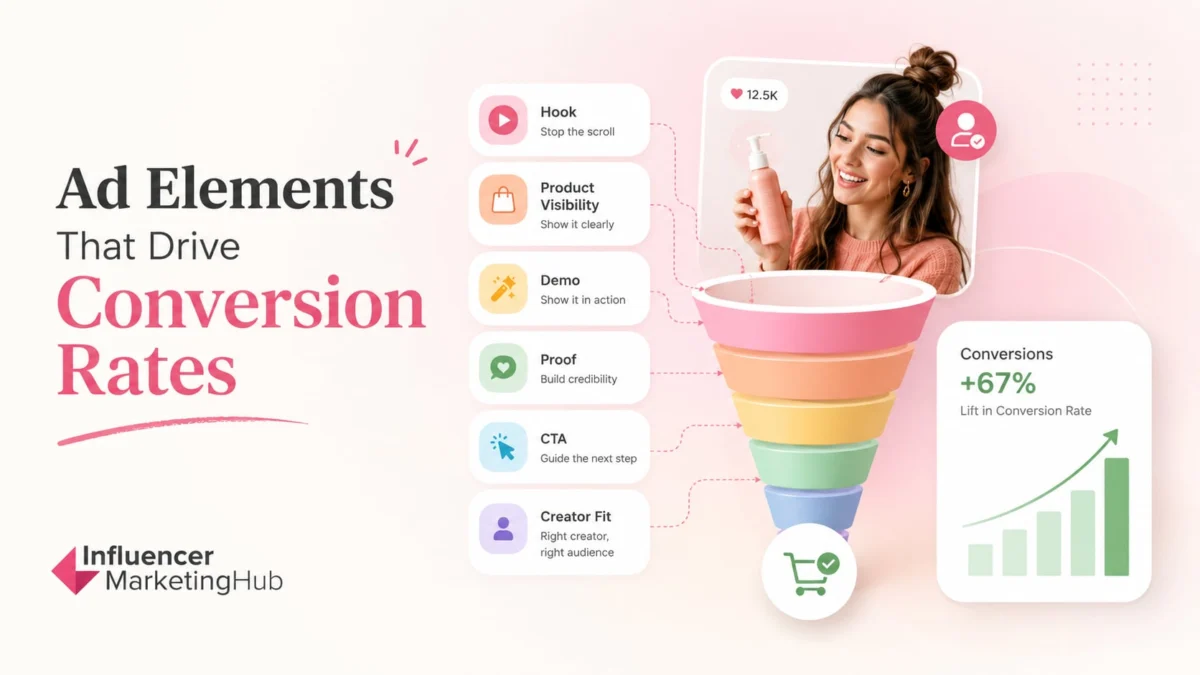
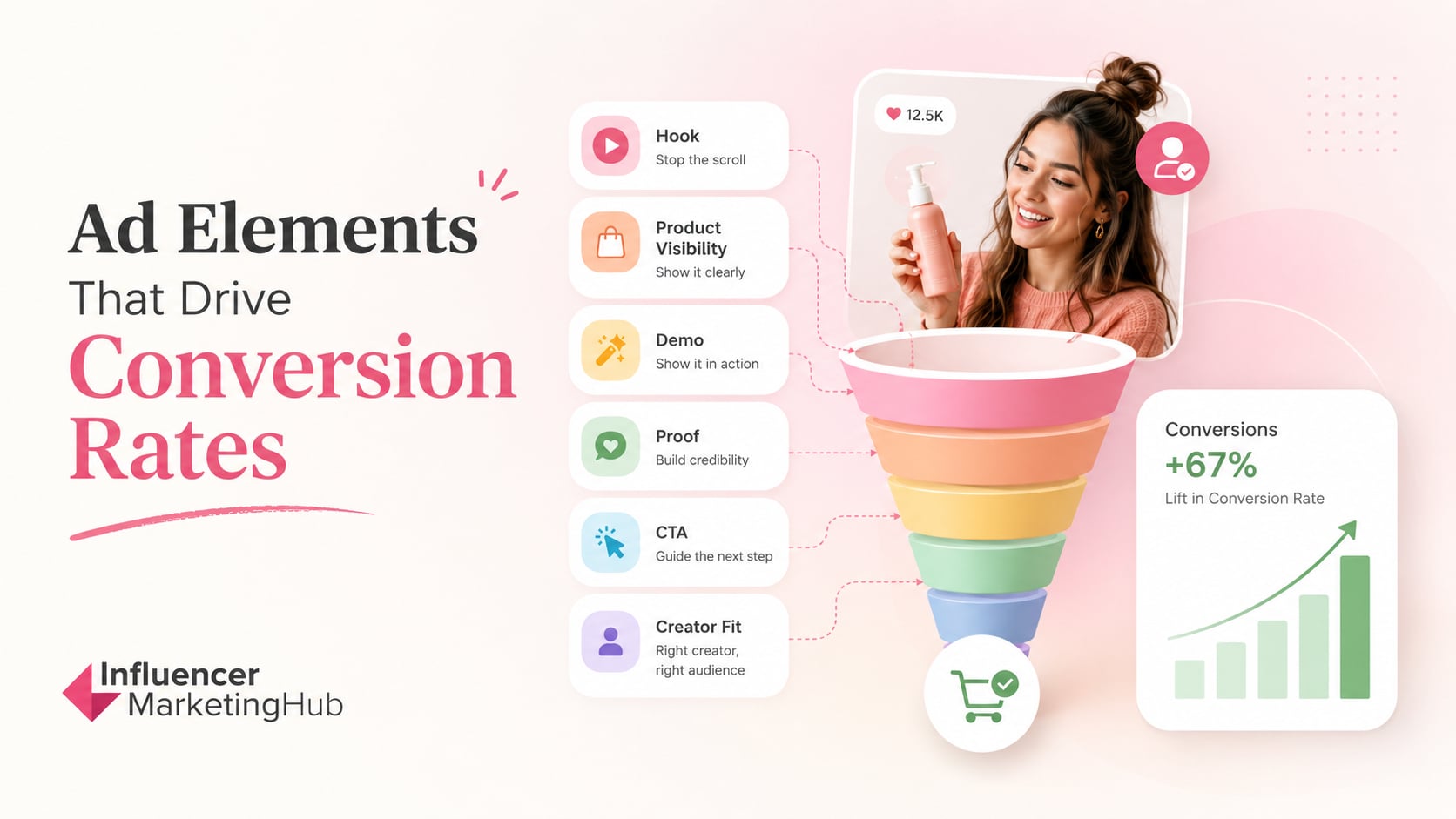
A high-follower count does not automatically guarantee a high conversion rate. A visually polished video is not synonymous with a purchase. A viral moment, while exciting, often fails to translate into sustained revenue. The transition from "brand awareness" to "conversion" requires a fundamental shift in how ads are conceived. To drive action, an influencer ad must move through a deliberate sequence: the hook, the identification of a problem, the demonstration of a solution, evidence of efficacy, and a frictionless call-to-action (CTA).
1. The Three-Second Threshold: Mastering the Hook
In an era of perpetual scrolling, the first three seconds of a video are the most critical real estate in marketing. If you fail to capture attention within this window, the rest of the production is effectively invisible.
Contrary to the impulse to make ads "loud" or over-the-top, the most effective hooks are grounded in psychological triggers. According to industry best practices, the best hooks generally accomplish one of four goals:
- Introduce a relatable problem: Immediately validating the viewer’s frustration.
- Create curiosity: Posing a question or a "hack" that requires a solution.
- Showcase a result: Presenting a "before-and-after" that proves the value proposition instantly.
- Challenge a common belief: Disrupting the status quo to force the viewer to stop and re-evaluate their current habits.
For example, a campaign for Unroll.me effectively utilized the "curiosity hook" by framing the product as an exclusive, little-known internet hack. By leading with the element of surprise, the ad incentivized the viewer to watch the remainder of the clip to learn the secret.
2. Product Visibility: Don’t Hide the Hero
A common error in creator-led advertising is the "stealth marketing" approach, where the product is relegated to the final seconds or obscured by the influencer’s lifestyle shots. While this may work for organic, long-form storytelling, paid social ads require immediate clarity.
Viewers should not have to guess what is being sold. Strong product visibility mandates that the item be introduced early, featured in close-ups, and—crucially—contextualized within the creator’s daily life. The Dove "Extreme Wash" campaign serves as a masterclass in this, as the creator explicitly mentions the brand within the first six seconds and keeps the product prominently featured throughout the narrative, linking it directly to the benefit of skin health in extreme climates.
3. The Psychology of Pain Points
People do not purchase products; they purchase solutions to specific, nagging pain points. As reported by Vogue Business, Urban Skin Rx saw a 5x spike in sales after a TikTok creator addressed a specific skincare struggle—not just "better skin," but the resolution of specific issues like acne marks or dullness.
This is the "secret sauce" of influencer ads: the ability to articulate a pain point with human vulnerability. A brand saying "our software improves productivity" sounds like a generic sales pitch. A creator saying "I was drowning in missed deadlines and messy calendars until I started using this tool" sounds like a recommendation from a friend. That distinction is the bridge between a view and a conversion.
4. Demonstrations and the Evidence of Efficacy
A product demo is the ultimate proof point. It transforms a marketing claim into a tangible reality. In categories like beauty, fitness, and home gadgets, the "show, don’t tell" rule is paramount.
If a product is "easy to use," the ad must show it in action. If it "saves time," the video must visually quantify that time-saving element. OhSnap, for instance, uses creator-led video to show exactly how their phone grip functions, combining the demonstration with a clear value proposition. By visualizing the benefits, the brand removes the friction of skepticism, allowing the viewer to imagine the product in their own hands.
5. The One-Value-Proposition Rule
A frequent pitfall is the attempt to cram every feature of a product into a 30-second ad. When a creator lists that a product is affordable, eco-friendly, high-quality, fast, and stylish, the audience remembers none of it.
Effective conversion-focused ads focus on a single, core value proposition. If the primary benefit is convenience, every element of the script, visual, and CTA should orbit that concept. This focus allows the influencer to build a tighter, more persuasive argument, rather than a laundry list of features that creates cognitive overload.
6. Visual Contrast and Native Aesthetics
Visual contrast is the silent communicator. By using techniques like split-screens, before-and-after comparisons, and vibrant color schemes, brands can convey value even when the video is played on mute. With a significant portion of social media users browsing with sound off, your visuals must carry the weight of the message.
Furthermore, these ads must be "platform-native." An ad that feels like a television commercial will be ignored on TikTok. According to TikTok’s own data, ads created specifically for the platform—utilizing green screens, POV-style shooting, and native text overlays—see a 27% higher completion rate. The creative should feel like an organic discovery, not an intrusion.
7. The Role of Captions and Accessibility
Captions are not just for accessibility; they are a critical conversion tool. Research from platforms like Facebook indicates that adding captions can increase video view time by 12%.
On-screen text serves two purposes: it allows users in public settings to consume the content without audio, and it reinforces the key hooks of the video. When a creator says, "I didn’t think this would work," the text overlay can add, "7 days of testing," creating a secondary layer of intrigue that keeps the viewer engaged.
8. The Call to Action (CTA)
A conversion-focused ad must leave zero room for ambiguity. If you want the viewer to buy, tell them to buy. If you want them to sign up, tell them to sign up.
The most successful CTAs are both verbal and visual. A common mistake is burying the CTA at the very end of the video, where the viewer retention rate is already lowest. Instead, incorporate the CTA mid-stream and reinforce it with clear, on-screen buttons or text. The language should match the campaign objective: "Shop Now" for purchases, "Download Today" for apps, or "Get Your Discount" for time-sensitive offers.
9. Audience-Influencer Fit: The Ultimate Multiplier
The most sophisticated ad strategy will fail if it is placed in front of the wrong audience. Relevance is the ultimate currency.
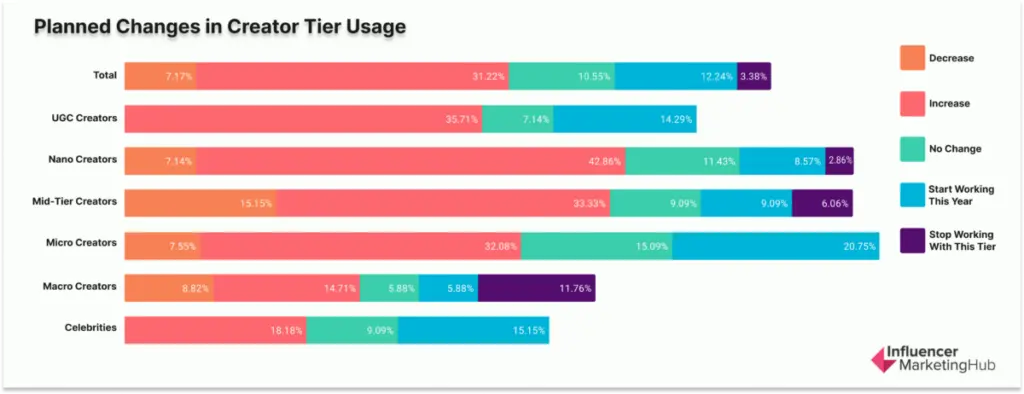
The 2026 Influencer Marketing Hub Benchmark Report highlights a growing trend: brands are shifting their budgets away from mega-influencers toward micro and nano-influencers. While these creators have smaller reach, they possess higher trust and, crucially, a more niche, engaged audience.
A skincare brand will almost always see better ROI from a micro-influencer who specializes in dermatology content than from a celebrity influencer whose audience is broad and distracted. Success is found in the intersection of the influencer’s personal brand, the audience’s specific interests, and the product’s core utility.
Implications for Future Campaigns
As the digital advertising landscape continues to evolve, the distinction between "content" and "ad" will continue to blur. The implications for brands are clear:
- Stop over-scripting: Allow creators to maintain their unique voice. The moment a script feels like it was written by a corporate committee, the "trust factor" is lost.
- Iterate, don’t just create: Use the data from the first 48 hours of a campaign to tweak hooks and CTAs.
- Prioritize authenticity over polish: High-budget production does not equal high-budget results. In the world of creator ads, "raw" is often more persuasive than "perfect."
In conclusion, the most effective influencer ads are those that respect the intelligence of the viewer while providing a clear, logical, and emotionally resonant path to purchase. By combining the trust of the creator with the science of performance marketing, brands can move beyond simple awareness and drive the meaningful, measurable conversions that sustain long-term growth.