The Dancing With the Stars universe has officially expanded, and the stakes have never been higher. While the flagship series prepares for its highly anticipated Season 35 this coming fall, ABC has unveiled a high-octane spin-off, Dancing With the Stars: The Next Pro. Unlike traditional iterations of the franchise where celebrities learn the ropes, this competition shifts the focus entirely to the experts. The grand prize is not a Mirrorball Trophy, but something arguably more valuable in the dance industry: a coveted, full-time professional contract on the main DWTS roster.
The premiere, which aired this past Monday, wasted no time establishing that the competition will be fierce, unforgiving, and technical. With twelve elite dancers vying for a singular, life-changing opportunity, the judges are looking for more than just charisma—they are looking for the next pillar of the ballroom community.
The Format: A Technical Gauntlet
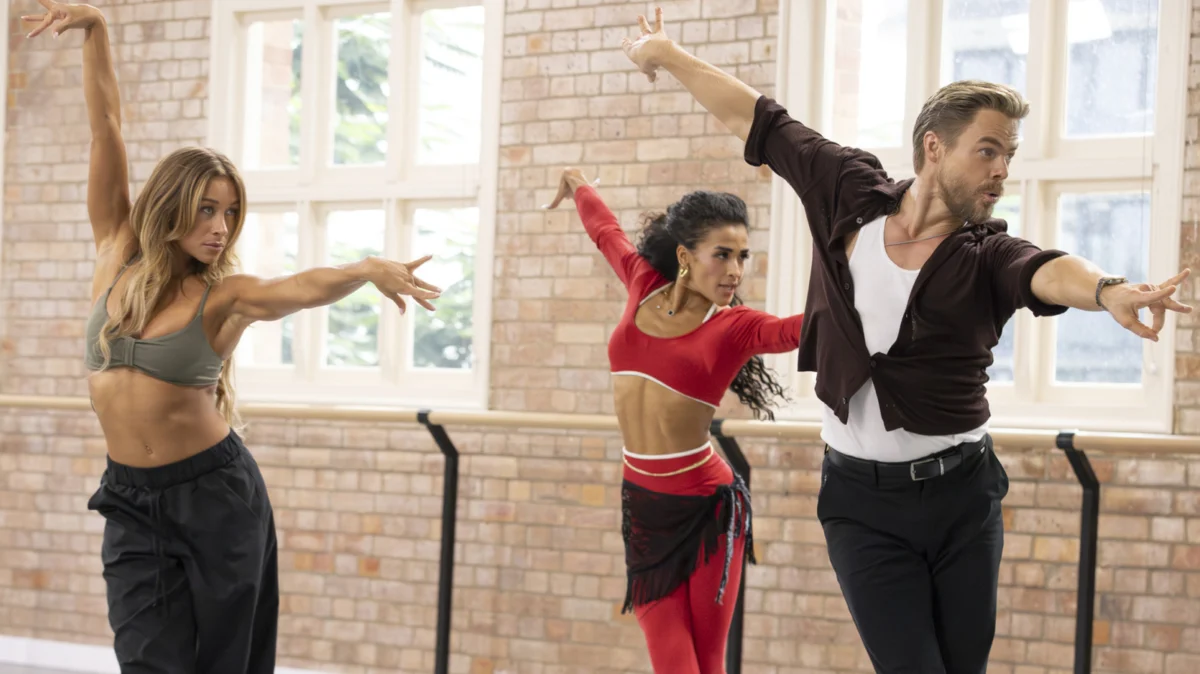
The structure of The Next Pro is designed to strip away the "celebrity safety net." In the premiere, the twelve contestants were divided by gender, with the men tackling the high-energy Jive and the women mastering the intricate rhythms of the Samba.
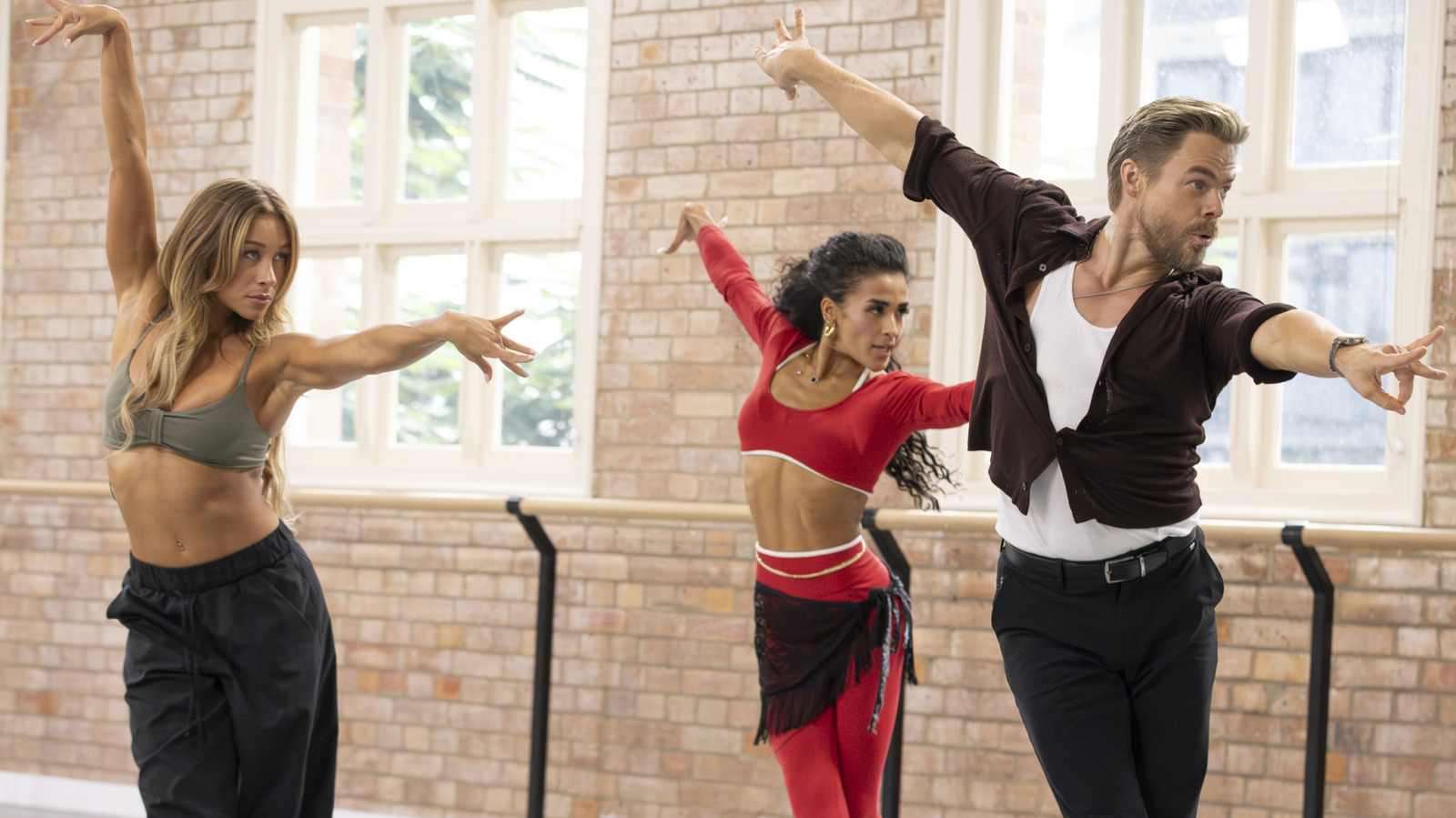
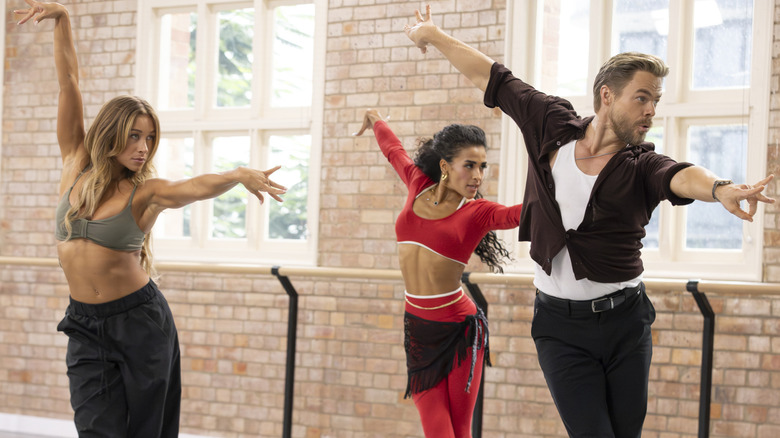
The format is grueling: dancers must execute a duet section sandwiched between two solo performances. This structure forces every individual to showcase their technical prowess in isolation, leaving no room for a partner to hide their mistakes. Overseeing the process is ballroom royalty, with Shirley Ballas and her son, Mark Ballas, serving as the permanent judging panel. Their combined experience ensures that the critique remains rooted in strict technical standards rather than popularity. Adding a layer of prestige, DWTS veteran judge Derek Hough stepped in as the inaugural guest mentor, providing hands-on choreography and guidance during the high-pressure rehearsal phase.
Franchise Alums and Familiar Faces
The casting department leaned into the show’s rich history, inviting several dancers with prior ties to the Dancing franchise. However, host Robert Irwin was quick to set the tone early: past affiliations are irrelevant in the eyes of the judges.
Among the notable contestants is Stephani Sosa, the sister of current DWTS pro Ezra Sosa. Stephani’s journey is one of the most compelling narratives of the season; she served as a troupe member during Season 33 but failed to secure a promotion to the professional roster. Following a season-long hiatus, her return to the franchise via this spin-off is a "do-or-die" moment for her career.
Also returning to the spotlight is Jake Monreal. A familiar face to long-time viewers, Monreal cut his teeth on Dancing With the Stars: Juniors and the kids’ edition of So You Think You Can Dance. Known for his infectious personality and youthful charm, Monreal’s return was met with nostalgia, but the judges remained unimpressed by his lack of focus during his Jive performance.
The Chronology of the Premiere
The debut episode functioned as a rapid-fire introduction to the contestants’ abilities. The choreography, curated by Derek Hough, was designed to test stamina and floor craft.
- The Highs: The audience and judges alike gravitated toward contestants who could maintain composure under pressure. Adele and Selena emerged as the immediate frontrunners, displaying a level of consistency and stage presence that suggests they are the ones to beat.
- The Lows: The transition from rehearsal to the main stage proved fatal for some. Tristen, who appeared overwhelmed during his sessions with Derek Hough, struggled to recall his choreography, signaling a potential vulnerability in his long-term prospects.
- The Eliminations: The end of the episode brought a cold reality check. Both Briar Nolet and Jake Monreal were eliminated. Briar, who had been a standout in previous segments, suffered a catastrophic slip during her solo, which, combined with a disjointed duet with Stephani, left the judges with little choice. Monreal’s exit was attributed to a lack of technical discipline; specifically, he was criticized for his tendency to stare at the floor, failing to project the confidence required of a DWTS pro.
Supporting Data: Why This Format Matters
The Next Pro is effectively filling the void left by the decline of traditional dance reality shows like So You Think You Can Dance. The market for high-quality dance competition television has been fragmented, and by pivoting to a "pro-only" format, ABC is targeting a demographic that craves technical analysis over emotional backstories.
The involvement of Shirley and Mark Ballas is a strategic masterstroke. By utilizing judges who are synonymous with the technical integrity of ballroom dancing, the show avoids the "popularity contest" label often associated with reality television. The "mentor-judge" dynamic also creates a pedagogical arc—viewers watch the contestants fail in front of Derek Hough, only to see if they can incorporate that feedback by the time they hit the stage in front of the Ballas duo.
Official Responses and Behind-the-Scenes Insights
While the production has kept much of the upcoming schedule under wraps, the sentiment from the crew and the participants is clear: this is a workplace audition.
In a statement following the broadcast, show producers noted that the intensity is intentionally high to mirror the demands of the main Dancing With the Stars show. "A professional dancer on DWTS isn’t just a performer," one production insider mentioned. "They are a coach, a choreographer, and a television personality. We are looking for someone who can handle the stress of live television while maintaining the composure of an Olympic athlete."
The contestants have largely echoed this sentiment. While the rivalry is palpable, the mutual respect between the dancers—many of whom have worked together in the professional dance circuit—has created a unique camaraderie. However, as the competition narrows, that professional courtesy is expected to dissolve.
The Implications for Season 35
The existence of The Next Pro serves a dual purpose: it acts as a standalone entertainment product and a recruitment tool for the flagship series. With the vacancy on the professional roster, the winner of this show will not only receive a paycheck but will be immediately thrust into the national spotlight, tasked with guiding a celebrity through the grueling DWTS season.
The "Bottom Four" this week included Natalie and Tristen, both of whom survived by a narrow margin. Their placement in the bottom four suggests that the judges are watching them closely and will not hesitate to cut them if they fail to show significant improvement in next week’s episode, which will be mentored by DWTS pro Brandon Armstrong. The theme for the next episode—"Personal Storytelling"—will be a critical test. Ballroom dancing is not merely about steps; it is about narrative. If these dancers cannot translate their personal experiences into emotional, coherent choreography, they will likely be the next to go.
Looking Ahead: The Road to the Pro Roster
As the season progresses, viewers can expect the difficulty level to spike. The premiere was a litmus test for basic technical ability, but the coming weeks will require a wider range of dance styles and, more importantly, the ability to lead and teach—skills that aren’t always present in even the most talented solo performers.
For fans of the franchise, The Next Pro is a fascinating look behind the curtain. It strips away the glamor of the Mirrorball and focuses on the sweat, the bruised egos, and the raw, unadulterated talent required to survive in the world of professional dance.
What are your thoughts on the inaugural episode? Did the judges make the right call in eliminating Briar and Jake, or were they too harsh on the franchise alums? More importantly, who among the remaining ten contestants has the "it" factor required to take their place in the professional lineup this fall? Join the conversation and let us know your early favorites as the competition heats up.