The landscape of American journalism is currently defined by a profound, often uncomfortable intersection of power, institutional integrity, and the pursuit of truth. As the White House Correspondents’ Association (WHCA) prepares to reconvene for its annual dinner—a gala previously cut short by a security threat—the industry finds itself navigating the fallout of an administration emboldened to challenge the fundamental tenets of the First Amendment. From the courtroom battles in New York to the quiet, industrial encroachment on Texas residents, the following report explores the latest developments in press freedom, investigative reporting, and regulatory accountability.
I. The WHCA Dinner: A Ceremony Under Siege
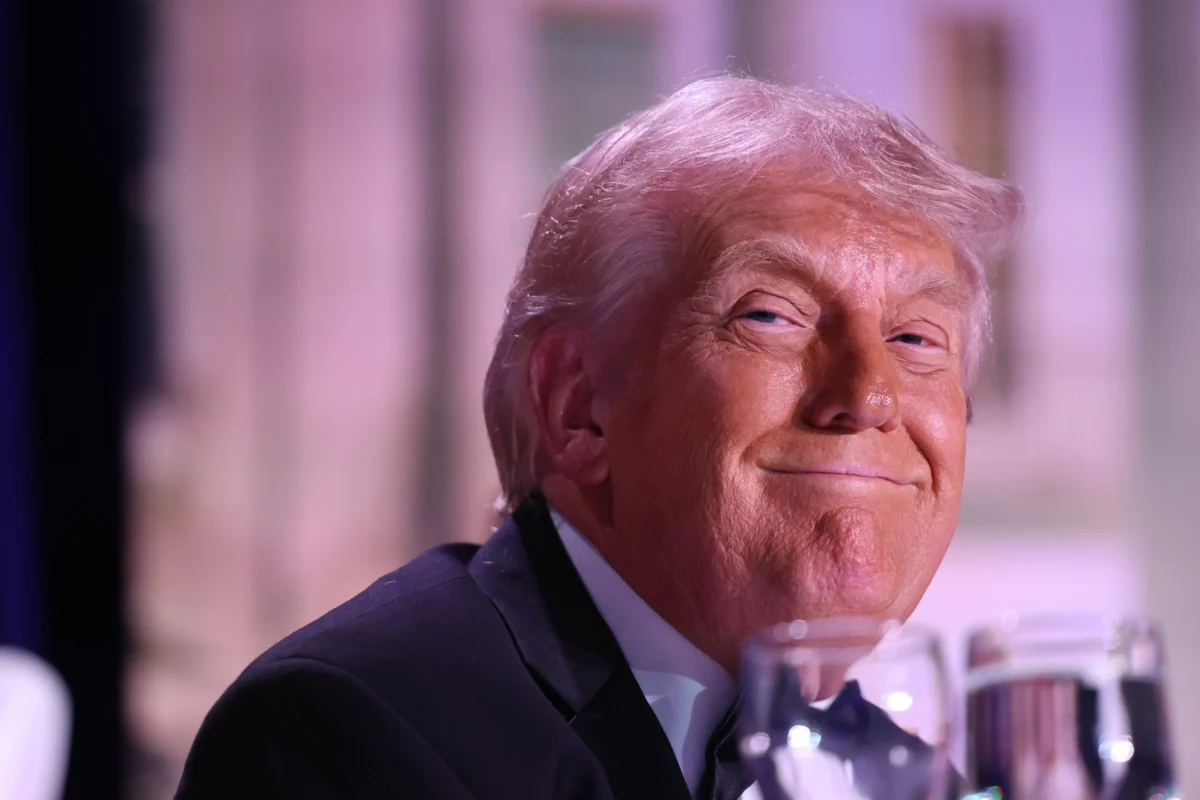
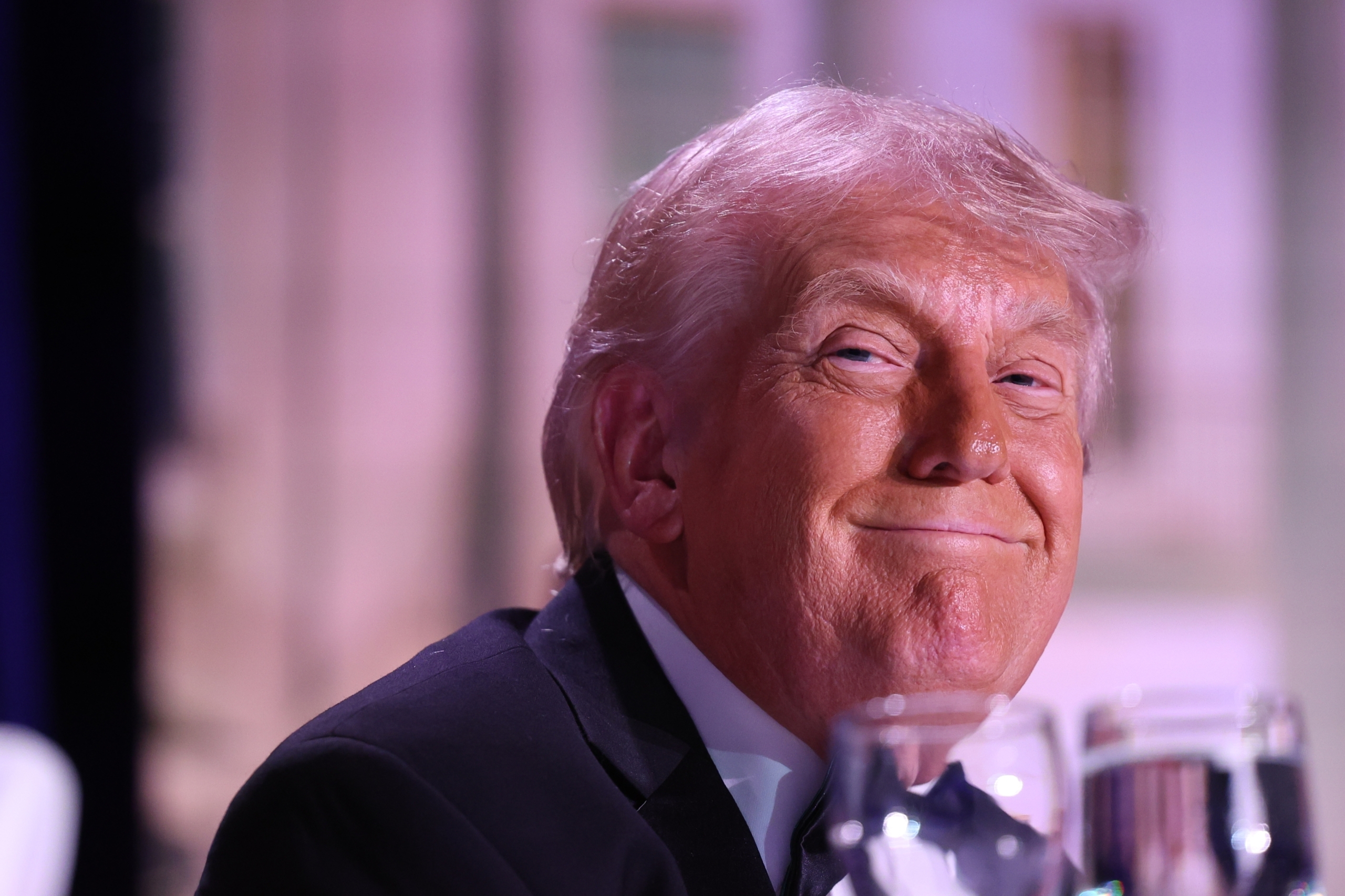
Next week, the White House Correspondents’ Association and its guests will return to the ballroom to celebrate the First Amendment. The event, which was abruptly aborted in April due to the presence of a gunman, is attempting a return to normalcy. The evening’s entertainment will once again feature mentalist Oz Pearlman, and the keynote speaker will, predictably, be President Donald Trump.
The President’s own rhetoric regarding the event has been characteristically combative. On Truth Social, Trump noted, “I don’t know whether or not I will give the same rather nasty statements, at least as it concerns certain people, but we will soon find out.”
The Paradox of the "Objective" Award
Perhaps the most jarring element of the evening will be the presentation of an award for “the most fair, impartial, objective news reporting” to Tyler Pager. The irony is palpable: just last Friday, Pager was one of five New York Times journalists subpoenaed by the Trump administration. The government is seeking to force the paper to reveal confidential sources behind a series of reports concerning a Qatari-donated replacement for Air Force One.
On Wednesday, the Times filed a motion to quash the subpoenas. David McCraw, a lawyer for the newspaper, did not mince words, labeling the administration’s actions “abusive and improper” and asserting that they were “brought in bad faith to punish the Times for its coverage.”
II. Chronology: The Escalation Against the Press
The tension between the White House and the press corps did not manifest overnight. It is the result of a long-standing, systematic campaign that has now reached a fever pitch.
- Pre-April 2026: More than 250 journalists signed a letter urging the WHCA to use the annual dinner as a platform to demonstrate firm opposition to President Trump’s efforts to undermine press freedom. Many reporters had planned acts of silent protest, including the wearing of First Amendment lapel pins and planned walkouts.
- April 2026: The original dinner was cut short due to an active security threat, suspending the planned confrontations.
- July 10, 2026: The Trump administration issued subpoenas to five New York Times reporters, seeking to pierce the veil of source confidentiality regarding the Air Force One replacement story.
- July 15, 2026: The New York Times filed a formal motion to quash the subpoenas, setting the stage for a high-stakes legal showdown.
- July 20, 2026: The rescheduled WHCA dinner is set to take place, with the President in attendance.
Trevor Timm, executive director of the Freedom of the Press Foundation, characterized the administration’s claims of a "national security threat" as an "absolute total joke." He argued that the optics of the WHCA celebrating the First Amendment while the President—who is actively attempting to dismantle it—sits in the room, is fundamentally absurd.
III. Supporting Data: The Anatomy of a Con and a Loophole
Beyond the political theater of the capital, investigative journalism continues to perform its essential role in exposing systemic injustice and corporate negligence.
The Myth of the "Charming Con"
In her new book, Catch the Devil: A True Story of Murder, Deception, and Injustice on the Gulf Coast, journalist Pamela Colloff deconstructs the romanticized image of the "con artist." Colloff, an acclaimed investigator for the New York Times Magazine and ProPublica, shares her own experience of being deceived by Paul Skalnik, a prolific jailhouse witness.
Colloff’s reporting reveals a disturbing reality: Skalnik was not a "charming" rogue, but a ruthless manipulator who leveraged the justice system to evade accountability for his own heinous crimes, including the sexual assault of a child. By providing testimony that prosecutors were desperate to use—regardless of its veracity—Skalnik helped secure a "staggering number of felony convictions." The case of Jim Dailey, who sits on death row based on Skalnik’s testimony, underscores the life-and-death stakes of unchecked institutional reliance on questionable witnesses.
Regulatory Loopholes in the AI Boom
In another corner of the country, investigative producers have uncovered a different kind of deception. In Abilene, Texas, residents were blindsided by the construction of OpenAI’s massive "Stargate" data center.
An investigation by Floodlight, in collaboration with the Texas Tribune and Wired, revealed that data center developers are exploiting a "minor" permit loophole. By classifying massive, high-pollution gas power plants as small-scale projects akin to dry cleaners, developers are bypassing environmental impact studies and public comment periods. As editor-in-chief Brad Racino noted, this was uncovered only after the team analyzed 20,000 permits. The human cost is clear: residents like Omaira Garcia, a veteran and mother, now find themselves "trapped" in homes they cannot sell, located next to industrial facilities they never agreed to host.
IV. Official Responses and Institutional Duty
The WHCA occupies a precarious position. While its primary function is to represent the interests of the press, it has been criticized for prioritizing access over accountability.
Regarding the subpoena of the New York Times reporters, the WHCA issued a formal statement:
"The WHCA stands with the New York Times reporters who were targeted for doing their jobs to uphold the public’s right to know how its government operates. The WHCA condemns any act of intimidation against journalists, including attempts to pressure them into revealing sources."
Critics argue that a statement, while necessary, is insufficient. The decision to proceed with the dinner, honoring the President as a guest while the administration actively litigates against the press, is viewed by many as a failure of institutional nerve.

V. Implications: The Future of Newsgathering
The subpoenas issued to the New York Times are not isolated incidents; they represent a wider push by the Trump administration to criminalize routine newsgathering. When the government dictates what the American people are allowed to know, the role of the press as a check on power is effectively neutralized.
As Jem Bartholomew pointed out, these subpoenas are a direct attack on the relationship between journalists and their sources—the lifeblood of investigative reporting. If news organizations are forced to reveal their sources, the flow of information regarding government waste, corruption, and malfeasance will dry up.
The coming week will serve as a litmus test for the WHCA. Does the organization possess the moral authority to challenge the power it is meant to monitor, or has the allure of "access" rendered it a participant in the very theater it seeks to report on?
A Call to Action
The stories highlighted here—from the legal assault on the Times to the regulatory capture in Texas and the dismantling of the "con-artist" trope—all point to the same truth: journalism is more vital, and more vulnerable, than ever.
As the media landscape continues to fracture under the weight of political polarization and corporate exploitation, the burden remains on journalists to maintain their integrity, and on the public to remain vigilant. Whether it is a small-time con man in a Texas prison or a data center company hiding behind a permitting loophole, the light of scrutiny is the only defense against the shadows of unchecked power.
The WHCA has a chance to prove it stands with the press. The world will be watching to see if they choose the hard path of confrontation or the easy path of complacency.