For many midlife professionals and business owners, the suggestion to "start a YouTube channel" is often met with skepticism. There is a pervasive, and largely incorrect, narrative that the platform is a young person’s game—a domain reserved for the charismatic, the tech-obsessed, and those willing to perform for the sake of clicks.
However, as YouTube matures, the tide is shifting. The platform is increasingly rewarding substance, domain expertise, and the ability to solve complex problems. Ty Myers, a prominent YouTube growth coach, argues that the skills honed in traditional professional environments—consulting, sales, education, and strategic planning—are actually the most valuable assets a creator can bring to the platform.
This guide explores the comprehensive framework for launching and scaling a YouTube channel that doesn’t just chase vanity metrics, but moves the needle for a real-world business.
The Strategic Shift: Why Experience Trumps Performance
The most significant barrier to entry for the modern professional is the misconception that they must adopt an "influencer" persona. Myers asserts that the most successful business channels are those that treat YouTube as a distribution arm for their expertise rather than a theater for entertainment.
"What actually matters," says Myers, "is understanding a specific viewer’s problem and communicating a solution clearly enough that the viewer feels heard."
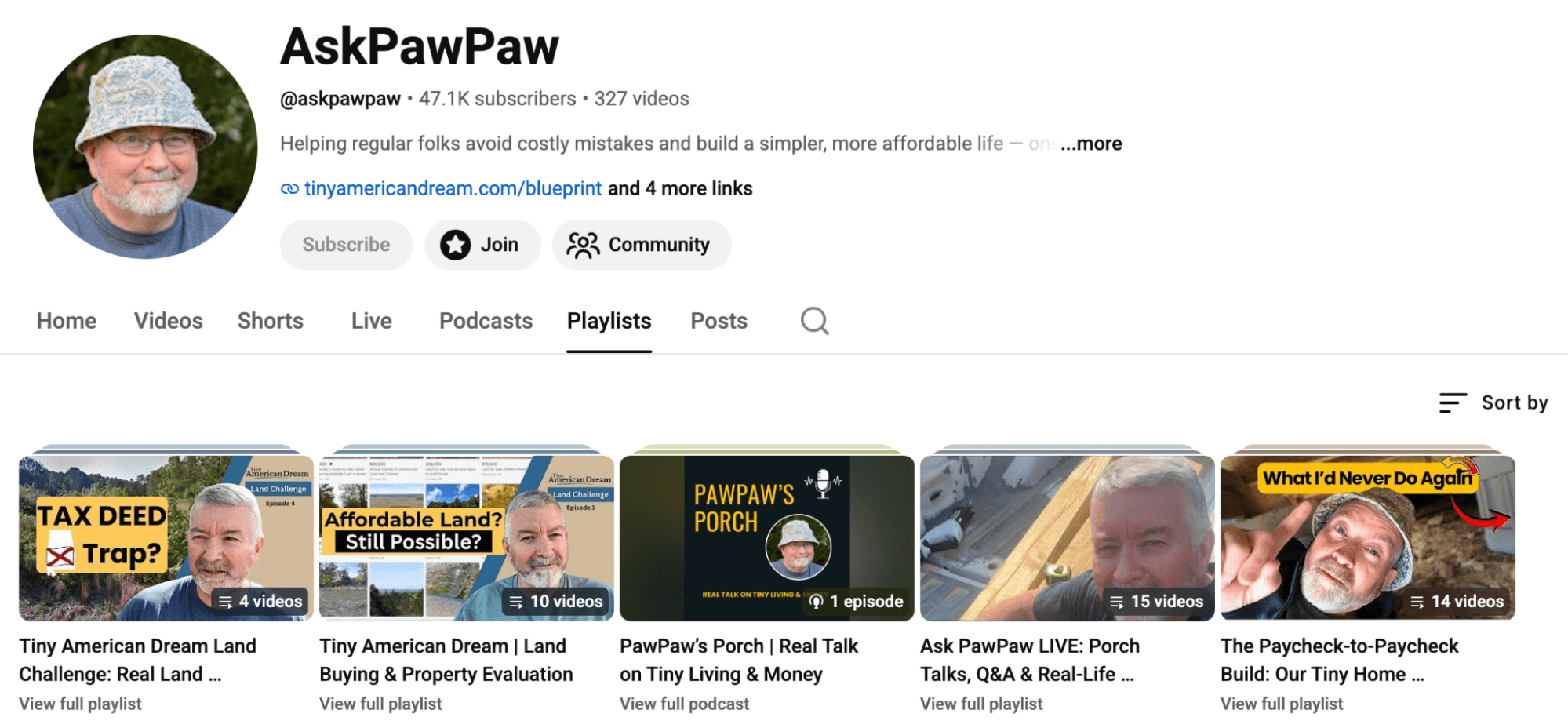
This transition from "performer" to "consultant" is the cornerstone of a sustainable channel. When a creator stops trying to be everything to everyone and starts focusing on their specific professional avatar, they find a much more loyal and commercially valuable audience.
Chronology of Growth: The Four-Phase Framework
Building a channel from scratch requires a departure from the "post-and-pray" methodology. Myers divides the startup process into four distinct, logical phases:
Phase 1: The Foundation of Intent
Before a camera is ever turned on, you must define your mission. Is the channel designed to generate leads, establish thought leadership, or build a community around a niche product? Ambiguity is the primary cause of channel stagnation. A channel that attempts to serve "everyone" will inevitably fail to gain traction because it signals nothing to the YouTube algorithm.

Phase 2: Defining the Avatar
Who are you talking to? You must identify the specific fears, desires, and pain points of your target viewer. This specificity should bleed into every aspect of your channel: your video titles, your thumbnail design, and the language you use in your scripts. YouTube’s algorithm is a sophisticated text-parsing engine; the more precise your signal, the better the algorithm can match your content with the person searching for exactly what you offer.
Phase 3: The "Reps" Phase
The most difficult hurdle for high-achievers is the transition from "professional perfectionism" to "creative output." Myers suggests that the first 15 videos should be viewed as a training ground. Your primary goal during this phase is to build the habit of creation and to find your on-camera voice. Do not obsess over production quality yet; focus on volume. By the 15th video, most creators reach a level of comfort where their true personality begins to shine through.
Phase 4: Pivoting to Strategic Quality
Once the workflow is established, the focus shifts. You move from simply uploading to studying the platform as a distribution system. This involves analyzing high-performing channels in your niche, identifying why their content resonates, and using that data to inform your future strategy.
The Pre-Production Engine: Why 80% of Your Success Happens Off-Camera
The most common error among new creators is scripting and filming before finalizing the concept. In the YouTube ecosystem, the Topic, Title, and Thumbnail are the triad that determines 80% of a video’s success. If the packaging fails, the content is never seen.
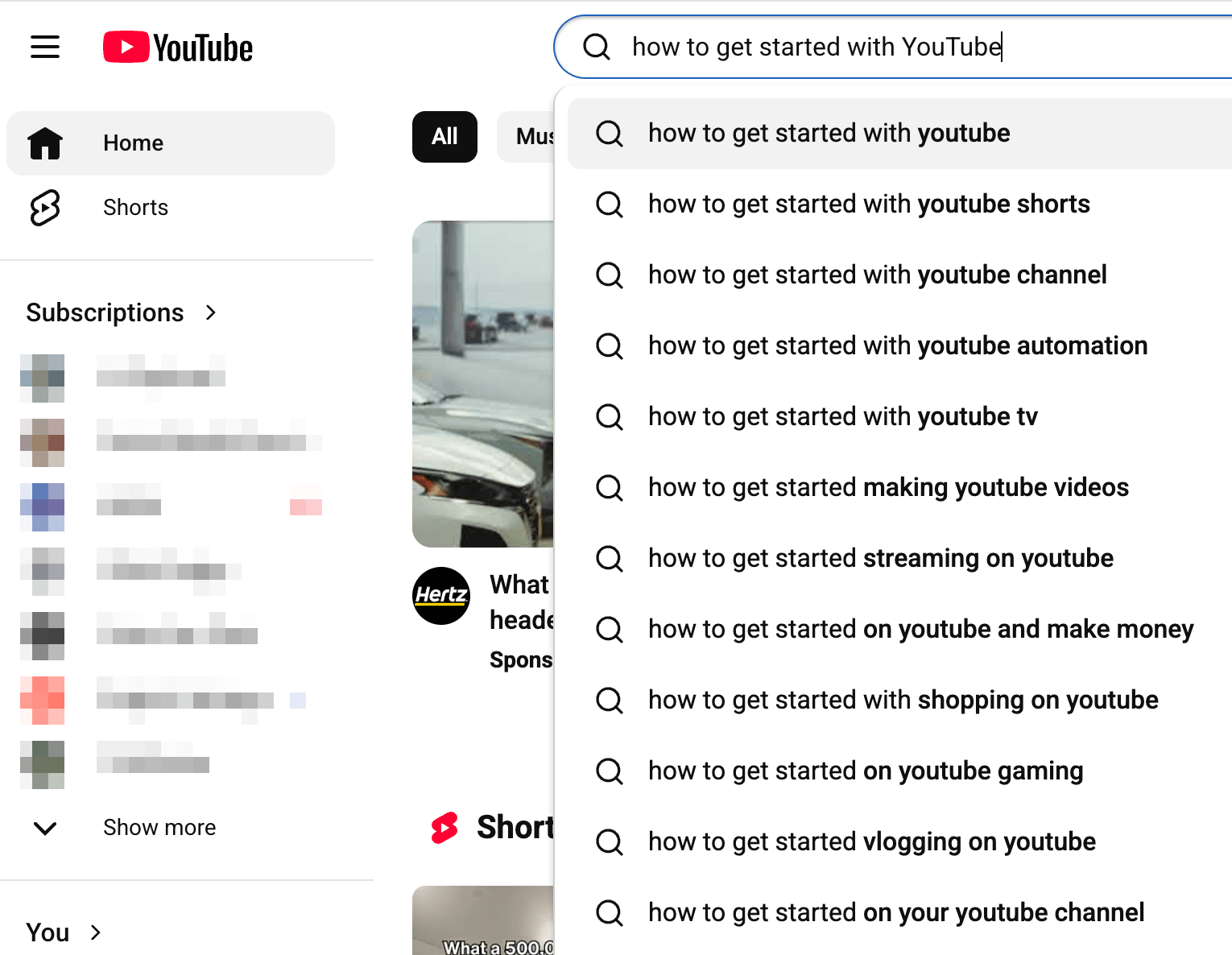
Myers recommends a strict time-allocation model: if you have 10 hours a week to dedicate to your channel, at least 6 of those hours should be spent in pre-production. This includes:
- Keyword Research: Using tools like VidIQ to validate that people are actually searching for your topic.
- Trend Analysis: Looking for videos in your niche that have shown sustained growth over time, rather than just a one-time viral spike.
- Thumbnail Prototyping: Designing the "click" before the script is ever written.
The Power of Emulation
Emulation is not plagiarism. It is the practice of reverse-engineering the structural framework of a successful video and filling it with your unique perspective, stories, and professional analogies. By analyzing what worked for others—the pacing, the visual cues, the hook—you can create content that is structurally optimized for success while remaining uniquely yours.
Leveraging AI in the Creative Process
Artificial Intelligence has become a force multiplier for the modern creator. Myers utilizes a two-pronged AI strategy:
- Google NotebookLM: Used for deep-dive research. By uploading academic papers, industry reports, and white papers, he can synthesize complex information into digestible summaries for his scripts.
- Claude (Large Language Model): Used as an interactive interviewer. Instead of asking the AI to "write a script," Myers instructs the AI to interview him. As the AI asks questions based on his expertise, it draws out the raw, anecdotal material that makes a video feel authentic and credible.
The Anatomy of a High-Retention Video
Once you begin filming, your focus must shift to viewer retention.

The Perfect Hook
The first 30 seconds are the most critical. A successful hook must:
- Call out the audience: Explicitly state who the video is for.
- Create a curiosity gap: Present a counterintuitive fact or a question that can only be resolved by watching the video.
- Establish authority: Briefly demonstrate why you are the person to solve this problem.
The Revenue Engine (CTAs)
For service-based businesses, monetization often comes from coaching, consulting, or product sales rather than YouTube AdSense.
- The Explicit CTA: A mid-roll mention that connects the current topic to a specific client service or program.
- The Implicit CTA: Naturally weaving stories of client successes into your content. This builds a "halo effect" where viewers recognize your expertise without feeling like they are being "sold to."
Driving Session Duration
YouTube’s algorithm favors "session duration"—the total time a viewer spends on the platform after clicking your video. To capitalize on this, avoid the traditional "outro." Do not thank viewers for watching or summarize the video. Instead, lead directly into the next video with a lingering question or a logical follow-up, ensuring the viewer feels compelled to continue the journey.
Technical Minimalism: The "Non-Negotiable" Gear
There is a temptation to invest thousands in cameras and lighting, but this is a distraction. Myers notes that he filmed his first 100 videos using an iPhone 15 and a Shure MV7+ microphone.
The Golden Rule: Audio quality is the only non-negotiable factor. Viewers will tolerate mediocre video, but they will immediately click away from poor audio. Invest in a professional-grade USB-C microphone, use natural light from a window, and prioritize the substance of your message over the sophistication of your production.
Implications for the Future
The digital landscape is moving away from the "all-encompassing influencer" and toward the "niche expert." For the professional, YouTube is no longer a hobby—it is a sophisticated, high-leverage marketing asset.
By applying the rigorous, data-driven approach outlined by experts like Ty Myers, creators can transcend the "late-to-the-game" narrative. The algorithm does not care when you started; it cares whether you provide value to the viewer. If you can define your avatar, master your pre-production, and maintain a consistent, high-value output, your professional experience will naturally translate into a thriving, sustainable YouTube business.