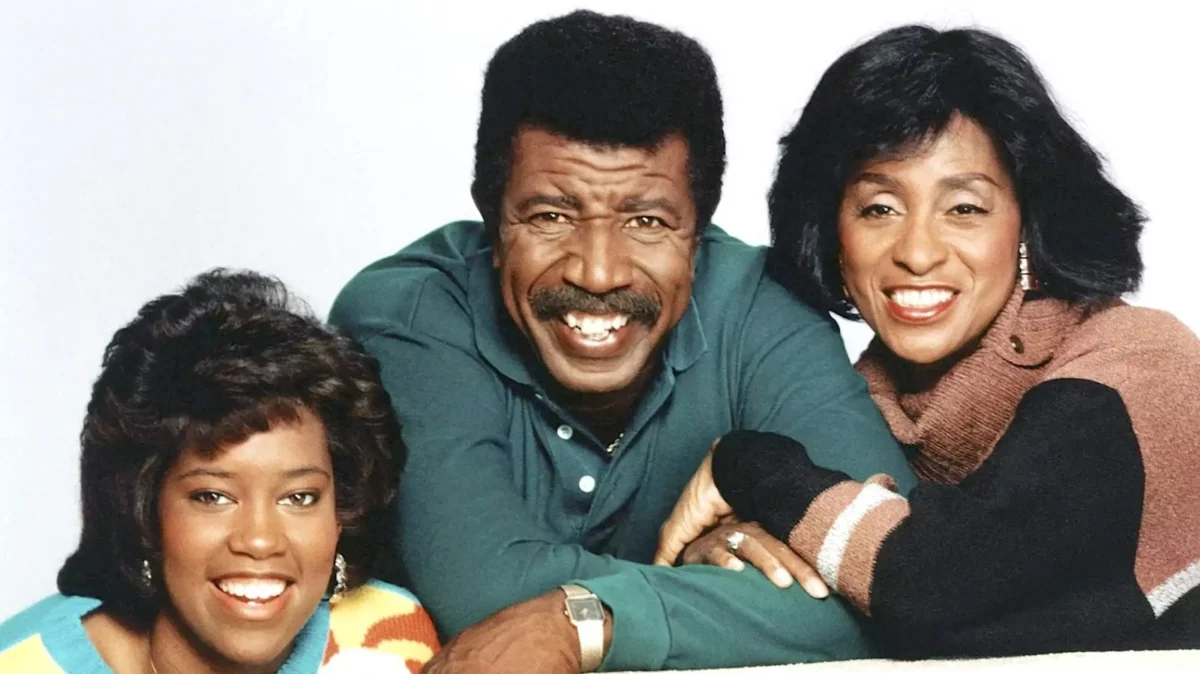
The entertainment industry is in mourning this week following the passing of veteran character actor Hal Williams, who died this past Wednesday at the age of 91. Known to generations of television viewers as the steady, reliable Lester Jenkins on the hit NBC sitcom 227, Williams leaves behind a career defined by longevity, professionalism, and a profound ability to ground the chaotic comedic energy of the shows he inhabited.
Perhaps no tribute has resonated as deeply as that of Oscar-winning actress Regina King, who played Williams’ teenage daughter, Brenda, on the iconic series. King’s poignant reflection on their relationship has illuminated not only the professional bond they shared but the personal sanctuary Williams provided for her during her formative years in the public eye.
A Daughter’s Final Farewell: Regina King’s Heartfelt Tribute
Regina King took to Instagram this week to share a moving statement regarding the loss of the man who served as her onscreen father for five seasons. For King, whose career trajectory has reached the highest echelons of Hollywood, Williams was more than just a co-star; he was a protective force during her transition from child actor to adulthood.
"I’m saddened by the passing of my TV dad, Hal Williams, but so grateful for the many years, memories, and special moments we shared," King wrote. She highlighted the rarity of his presence on a television set, an environment she described as often filled with "noise, gossip, and politicking."
King revealed that Williams took on a protective, paternal role that shielded her from the harsher realities of the entertainment industry. "He created a space where I could simply be young, feel cared for, and do my work," she noted. Beyond the professional guidance, King shared a deeply personal revelation: because of her own father’s intermittent presence in her life, Williams’ consistent, steady nature filled a significant emotional gap. "I will always treasure the gentleness, steadiness, and love he brought into my life," she added, concluding with a promise that their bond transcends death: "This is not goodbye. It’s see you later."
The Life and Career of a Television Stalwart
Born into a golden age of television, Hal Williams built a reputation as a reliable and versatile performer. Before becoming a household name as the patriarch of the Jenkins family, Williams spent years honing his craft in supporting roles that required impeccable comedic timing and an authoritative, yet warm, screen presence.
The ‘Sanford and Son’ Years
Williams’ path to stardom was paved with consistent, high-quality work. He first gained widespread recognition for his recurring role as Officer "Smitty" Smith on the seminal Redd Foxx-led sitcom Sanford and Son. His portrayal of the law enforcement officer—often the straight man to the frantic schemes of Fred Sanford—demonstrated his ability to remain unflappable in the face of comedy’s most volatile characters. He reprised this role in the spin-off series Sanford, solidifying his status as a familiar face in American living rooms.
The ‘227’ Phenomenon
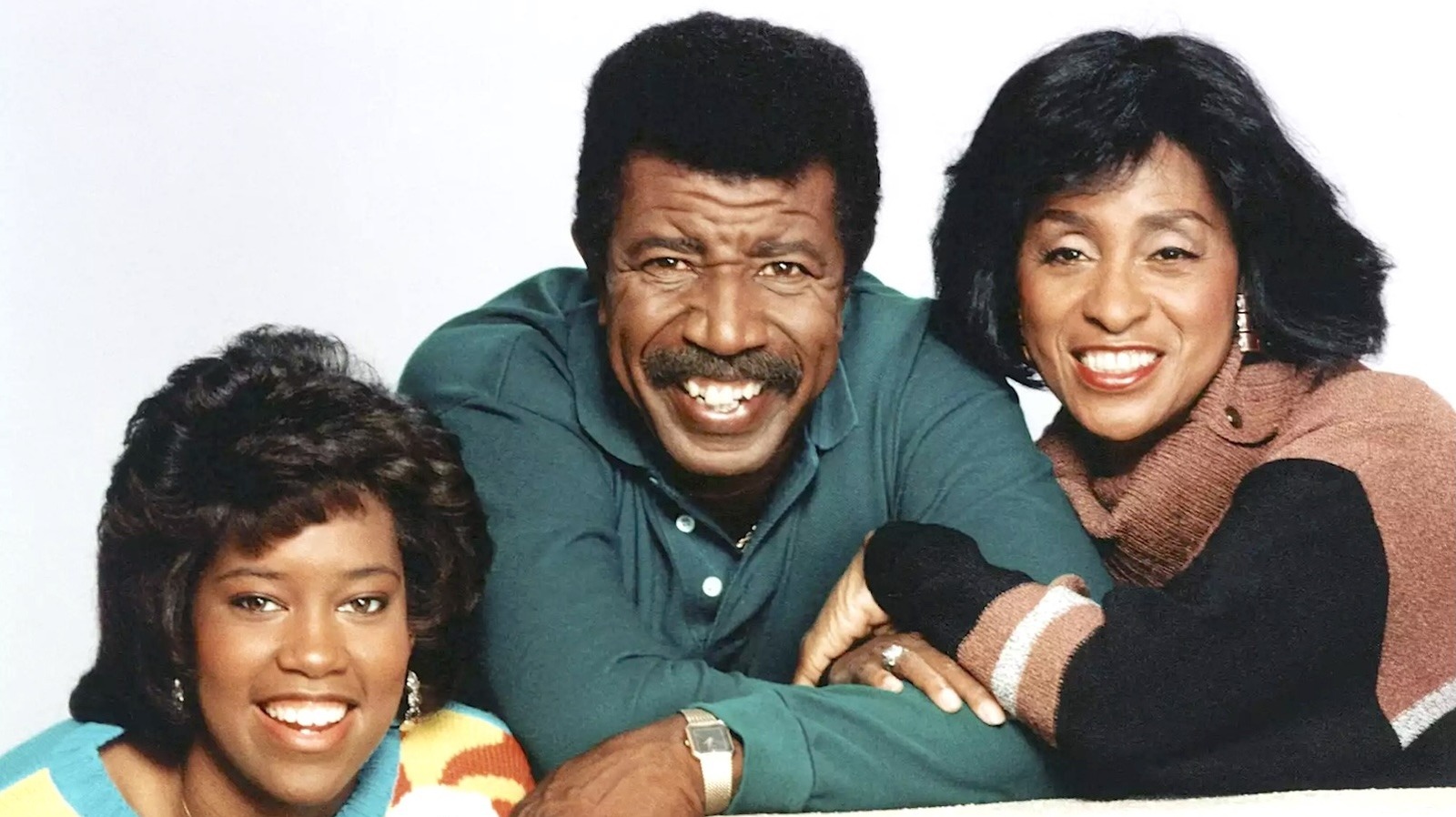
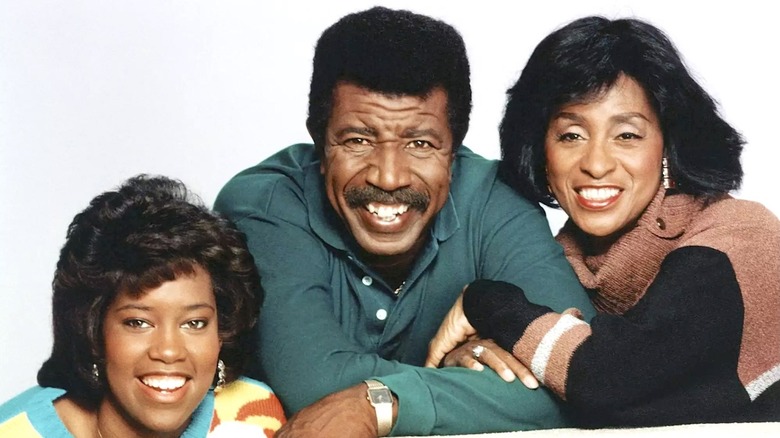
In 1985, NBC premiered 227, a show that would become a cultural touchstone. Set in a boisterous apartment building in Washington, D.C., the series revolved around the life of housewife Mary Jenkins, played by the legendary Marla Gibbs. Williams, cast as her husband Lester, provided the necessary counterbalance to the vibrant personalities of the show’s female-led ensemble, which included the unforgettable Jackée Harry as Sandra.
227 ran for five seasons, becoming a ratings success and a landmark show for Black representation on television. While Harry earned an Emmy for her standout performance, it was the chemistry between Williams and Gibbs that anchored the show’s emotional core, providing the stability that allowed the comedy to flourish.
Beyond the Sitcom
Williams was not confined to the small screen. His film credits included the 1980 hit Private Benjamin, where he starred opposite Goldie Hawn. He would go on to reprise his role in the subsequent CBS television adaptation of the film. His resume reads like a history of 20th-century American television, with guest spots on iconic programs such as The Waltons, Magnum, P.I., Knots Landing, and The Sinbad Show.
Official Responses and Industry Recognition
The outpouring of grief following Williams’ passing underscores his standing within the acting community. Marla Gibbs, who spent years playing his wife, issued a statement reflecting on the man behind the characters.
"Hal was a generous man who freely gave his time, his talent, and his heart to the community," Gibbs stated. "Hal, thank you for your kindness, your friendship, and the joy you brought to so many lives. You will be deeply missed."
Industry peers have echoed these sentiments, noting that while Williams may not have always held the lead billing, his contributions were the glue that held many productions together. His career, spanning over four decades, serves as a masterclass in the "working actor" ethos—a commitment to craft, punctuality, and the elevation of one’s scene partners.
Implications: The End of an Era
The death of Hal Williams marks the closing of a significant chapter in television history. 227 was part of a wave of programming in the 1980s that brought the nuances of Black family life to the forefront of American pop culture. The actors from that era are viewed as pioneers who navigated a landscape that was only beginning to embrace diverse storytelling.
For Regina King, the loss is a reminder of the fleeting nature of these industry relationships. Her admission that she was able to spend time with Williams this past Christmas adds a layer of poignancy to the loss, highlighting the importance of maintaining those connections long after the cameras stop rolling.
A Legacy of Mentorship
Perhaps the most lasting implication of Williams’ career is the impact he had on the generation of actors who followed him. King’s tribute illustrates how a veteran actor can provide not just instruction, but emotional safety. By creating a nurturing environment for a young actress, Williams played an indirect but vital role in fostering the talent that would eventually lead King to an Oscar, a Golden Globe, and four Emmy Awards.
In an industry often obsessed with the "next big thing," Hal Williams’ legacy reminds us of the power of consistency. He was not a flashy star, but he was a constant presence, a steady hand, and a mentor who helped shape the future of television by simply being a decent, supportive human being.
As the industry reflects on his 91 years, the focus remains on the joy he brought to millions and the quiet, steady influence he exerted on those who were lucky enough to call him a colleague, a friend, and a "TV dad." His work remains a fixture in syndication, ensuring that for as long as people tune in to watch the residents of 227, the warmth of Hal Williams will continue to be felt.