By International Policy Desk
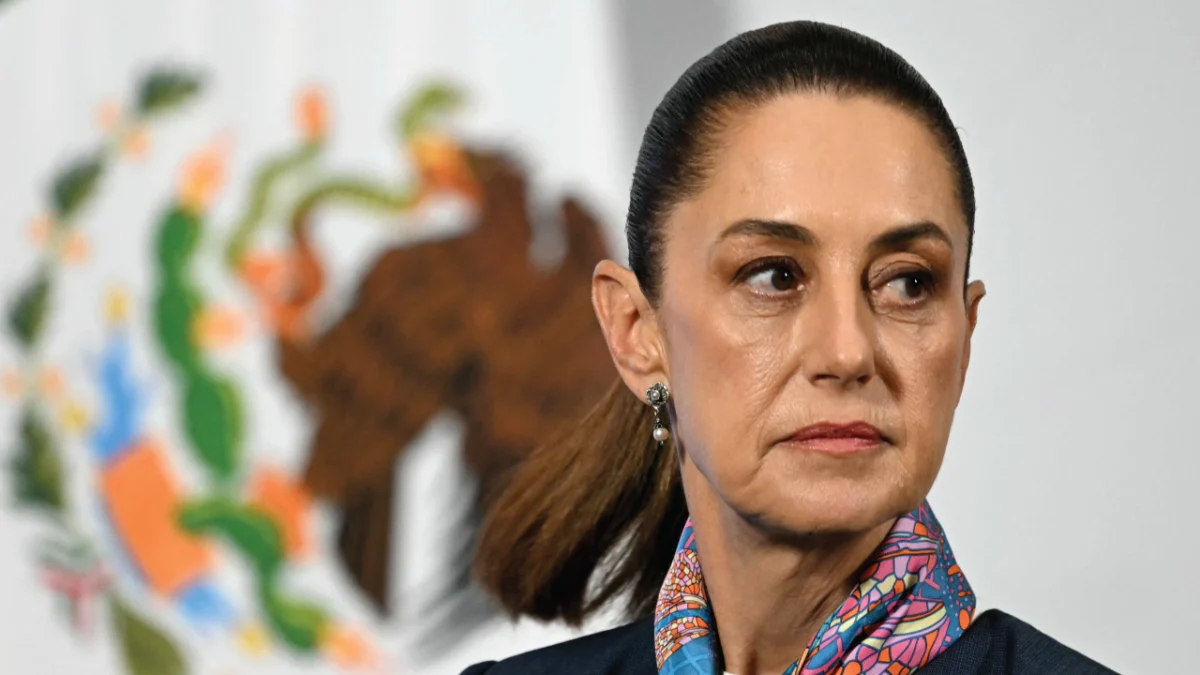
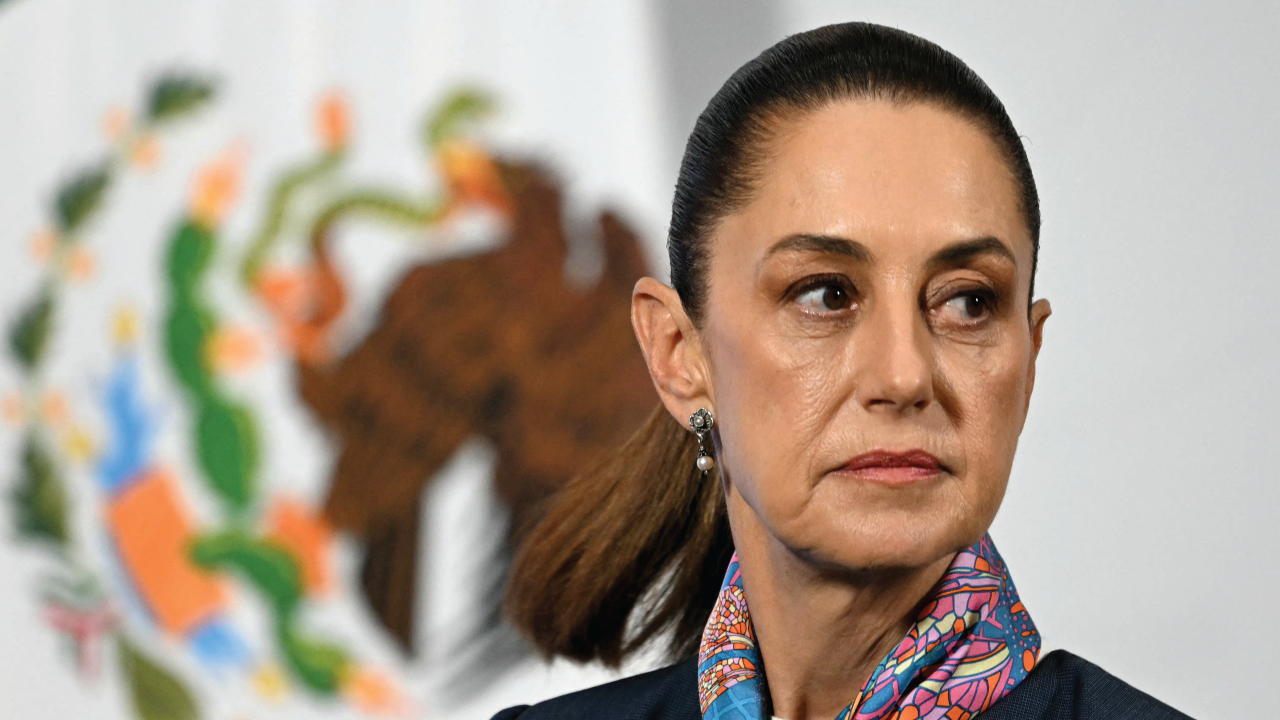
Eighteen months into her historic term as the President of Mexico, Claudia Sheinbaum continues to command a significant degree of public support. However, recent data from the Pew Research Center paints a picture of a nation in transition, with the honeymoon period showing distinct signs of waning. As the country grapples with economic headwinds, persistent security challenges, and a evolving political landscape, the favorability ratings for both President Sheinbaum and her left-leaning Morena party have seen a marked decline compared to the previous year.
The State of Public Approval
According to a comprehensive spring survey of 1,017 Mexican adults, conducted between February 20 and April 10, 2026, roughly two-thirds of the population (64%) still hold a favorable opinion of President Sheinbaum. While this figure keeps her in a position of relative strength, it marks a significant retreat from the 83% approval rating she enjoyed in 2025.
Perhaps more telling is the erosion of deep-seated support: the share of Mexicans who view the President “very favorably” has plummeted from 46% to 24% over the past twelve months. This cooling of enthusiasm suggests that the initial optimism surrounding her administration is being tempered by the harsh realities of governing in a complex, often volatile environment.
The Morena party, the political vehicle that propelled Sheinbaum to power, has experienced a parallel decline. Public favorability for the party now stands at 61%, down from 78% in 2025. Despite this slide, Morena remains the dominant political force in the country, maintaining higher favorability than any of its key rivals, including the Citizens’ Movement (MC), the National Action Party (PAN), and the Institutional Revolutionary Party (PRI).
Chronology of a Challenging Term
The period leading up to the 2026 survey was marked by a series of high-profile events that likely influenced public sentiment. The survey fieldwork was initiated on February 20, 2026, catching the pulse of the nation before two seismic events altered the domestic security landscape.
- Early 2026: Initial optimism begins to be tested by emerging economic data suggesting a contraction in the first quarter.
- Spring 2026: Following the survey’s start, the government scored a major, albeit chaotic, victory against organized crime with the death of cartel leader Nemesio Oseguera Cervantes, known as "El Mencho," while in the custody of Mexican special forces. This event triggered a wave of retaliatory violence across the country, testing the public’s resolve and their perception of the government’s ability to maintain order.
- April 2026: As the survey concluded, U.S. authorities delivered a shock to the Mexican political establishment by indicting the Governor of Sinaloa, Rubén Rocha Moya, for alleged ties to the Sinaloa drug cartel. The subsequent resignation of the governor underscored the pervasive nature of corruption, further complicating the administration’s narrative on security and governance.
Supporting Data: A Mixed Report Card
The survey provides a granular look at how Mexicans evaluate the President’s performance across specific policy pillars. While Sheinbaum maintains high marks in areas like education (65% approval) and the economy (61% approval), her administration faces steeper challenges in the realms of security and institutional integrity.
On the critical issues of "fighting organized crime and drug traffickers" and "fighting corruption," the disapproval numbers outweigh the approval figures. Both areas saw a 53% disapproval rating, reflecting a deep-seated public frustration with the persistence of cartel activity and systemic graft.

Political polarization remains a significant factor in these ratings. Supporters of the Morena party and its allies—the Ecologist Green Party (PVEM) and the Labor Party (PT)—are consistently more likely to offer a favorable assessment of the President’s performance. For example, 56% of party loyalists approve of her handling of corruption, compared to just 37% among those who do not support the ruling coalition.
Economic and Democratic Disillusionment
The decline in favorability for the President and her party is mirrored by a broader malaise regarding the state of the nation. The percentage of Mexicans who consider the current economic situation "good" has dropped from 61% last year to 49% today. This shift is strongly correlated with the first-quarter economic contraction reported in 2026.
Notably, this economic pessimism is most pronounced among those who identify with the political left. There has been a staggering 24-percentage-point decline in positive economic sentiment among this demographic, compared to much smaller shifts among those in the center or on the right.
Simultaneously, satisfaction with the way democracy functions in Mexico has suffered. Only 33% of respondents reported being satisfied with the current state of Mexican democracy, a sharp decrease from the 51% recorded in 2025. As with the economy, this downward trend is driven by a profound loss of confidence among left-leaning citizens, who were previously among the most optimistic supporters of the democratic process under the current administration.

Official Responses and Political Implications
While the administration has yet to issue a formal, exhaustive rebuttal to these specific figures, government spokespeople have frequently emphasized the long-term nature of the reforms initiated under Sheinbaum’s tenure. Officials often point to the complexity of dismantling entrenched criminal structures and the global nature of current economic headwinds as primary factors beyond the government’s immediate control.
However, political analysts argue that these numbers represent a critical inflection point for the Morena party. The loss of support on the ideological left—the party’s core constituency—is particularly concerning for the ruling party’s long-term stability. If the administration cannot stabilize the economy and show tangible progress on security, it risks alienating the very base that brought it to power.
The indictment of high-level officials like the former Governor of Sinaloa further complicates the administration’s efforts to maintain its anti-corruption credentials. The public is increasingly connecting the dots between political power and criminal influence, a narrative that the opposition is keen to exploit as the country moves toward future electoral cycles.
Looking Ahead
The survey results from the first half of 2026 serve as both a diagnostic tool and a warning. For President Sheinbaum, the challenge ahead is to bridge the gap between her party’s foundational promises and the current lived reality of the Mexican public.

The decline in satisfaction with democracy, in particular, suggests that the "Morena project" is facing a crisis of expectation. As the administration navigates the remainder of its term, its success will likely depend on its ability to address the "security-corruption" feedback loop that continues to erode public trust.
The data provided by the Pew Research Center reflects a country that remains engaged and hopeful for change, yet increasingly impatient with the pace of that change. Whether this cooling of support is a temporary setback or the beginning of a long-term shift in the Mexican political landscape will be the defining question of the next two years.
Methodology Note: The data presented here is based on a survey of 1,017 Mexican adults, conducted by the Pew Research Center between February 20 and April 10, 2026. The margin of error and full methodology can be reviewed in the official Pew Research Center documentation for the 2026 Global Attitudes Survey.