In a move that fundamentally reshapes the streaming landscape, Fox Corporation has finalized its monumental $22 billion acquisition of Roku. The integration of one of the world’s most dominant streaming platforms into the Fox portfolio has triggered an immediate and sweeping restructuring of leadership, marking the end of an era for two of the industry’s most prominent figures.
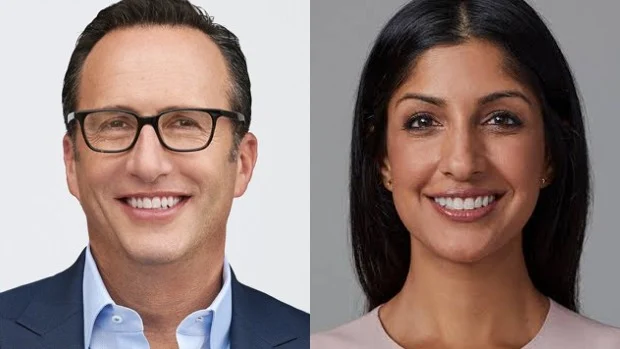
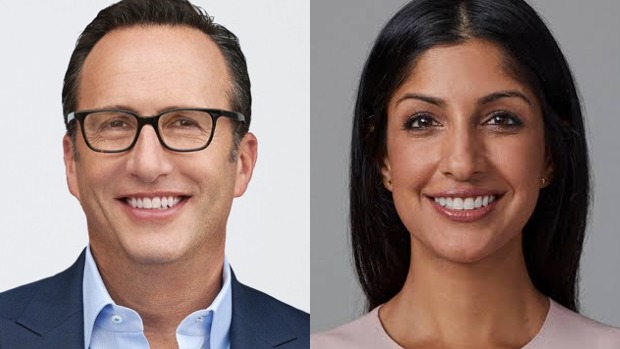
As the dust settles on the transaction, it has been confirmed that Charlie Collier, president of Roku Media, and Anjali Sud, the chief executive officer of the Fox-owned AVoD (advertising-based video on demand) powerhouse Tubi, will both be stepping down. Their departures serve as the opening chapter in a broader consolidation strategy aimed at merging the technology-first infrastructure of Roku with the content-heavy legacy of Fox.
The Main Facts: A Leadership Exodus
The acquisition, which ranks among the largest media deals of the decade, has necessitated a rapid pivot in organizational strategy. Charlie Collier, who joined Roku four years ago following a high-profile tenure as the CEO of Fox Entertainment, has opted to vacate his post. His departure is particularly notable given his deep history within the Fox ecosystem, making his exit a symbolic turning point for the network.
Simultaneously, Anjali Sud is departing her role as the head of Tubi. Under Sud’s leadership, Tubi transformed from a niche player into a formidable competitor in the free, ad-supported streaming market. While her next professional destination remains undisclosed, the company has confirmed she will stay on in the interim to facilitate a seamless handover of duties.
In their wake, Fox is centralizing its digital operations. Pete Distad, the architect behind the successful launch of Fox One, has been tapped to oversee a consolidated division encompassing both Tubi and the Roku-owned streamer Frndly TV. Mike Bidgoli has been elevated to the role of president of Tubi, signaling a commitment to maintaining continuity within that specific vertical.
Chronology of the Acquisition and Transition
The road to this $22 billion merger was paved with months of speculation and regulatory hurdles. To understand the current state of affairs, one must look at the timeline of the deal:
- Initial Rumors and Due Diligence (Q3 2026): Whispers of a potential tie-up between the two media giants began circulating mid-year, as Fox sought to secure a stronger foothold in the connected TV (CTV) advertising market.
- The Formal Announcement: Fox Corporation announced its intent to acquire Roku in a deal valuing the latter at $22 billion, a figure that represented a significant premium for shareholders.
- Regulatory Scrutiny: Over the following months, the deal underwent rigorous review by antitrust bodies, focusing on the impact of the merger on the advertising tech market.
- Finalization: The deal reached its closing phase in late November 2026, triggering the activation of the new organizational chart.
- Executive Departures: Within hours of the closing, the exits of Collier and Sud were made public, along with the appointment of the new leadership team under Paul Cheesbrough and Anthony Wood.
Supporting Data: Why This Merger Matters
The acquisition of Roku is not merely a change in ownership; it is a strategic play for data supremacy. Roku’s operating system is embedded in millions of television sets, providing an unparalleled window into viewer behavior.
The Advertising Advantage
By integrating Roku’s ad-tech stack with Fox’s content library, the newly formed entity gains a vertically integrated engine for personalized advertising. Analysts suggest that the combination of Tubi’s extensive library and Roku’s reach will allow Fox to command higher CPMs (cost per thousand impressions) in a tightening ad market.
Competitive Positioning
Prior to the acquisition, Roku faced intense pressure from tech giants like Google (Android TV), Amazon (Fire TV), and Apple. By joining forces with Fox, Roku gains a stable, content-rich partner that can provide the "premium" programming necessary to compete with the likes of Netflix and Disney+. Conversely, Fox successfully future-proofs its business model by moving away from linear-heavy reliance toward a data-driven streaming model.
The New Guard: Restructuring the Digital Division
With the departure of Sud and Collier, Fox has moved quickly to ensure that the "engines" of the company remain running. The organizational chart has been significantly tightened to prioritize synergy:
The Rise of the Digital Platforms Division
The most significant structural change is the creation of the Fox Digital Platforms division. This entity will be co-chaired by Roku founder Anthony Wood and Paul Cheesbrough. Wood’s move to the Fox board is a clear indication that his technological expertise will remain central to the platform’s future development.
Operational Synergy at the Content Level
The integration of Frndly TV and Tubi is being managed by a specialized team under Pete Distad. Key highlights of this structure include:
- Andy Karofsky: The Frndly TV co-founder and CEO will join Distad’s inner circle, bringing his expertise in niche streaming aggregation to the broader platform.
- Lisa Holme: As the head of content for The Roku Channel, Holme is being positioned to play a critical role in the new hierarchy. She will report directly to Distad, ensuring that content strategy is aligned across all streaming platforms.
- Adam Lewinson: The longtime content head for Tubi will continue his work, ensuring that the platform’s unique brand identity remains intact while collaborating closely with Holme.
Implications for the Future of Streaming
The exit of leaders like Collier and Sud, combined with the structural changes, raises several questions about the future trajectory of the newly merged entity.
A Departure from "Tech-First" to "Content-First"?
Under Collier, Roku Media had increasingly leaned into the "platform" side of the business. With the shift toward a consolidated digital division led by Fox veterans, the industry expects a renewed emphasis on content acquisition and original production. The focus will likely shift from purely increasing user count to maximizing the lifetime value of every viewer through a more robust content slate.
Impact on the AVoD Market
Tubi has been a standout performer in the AVoD space, often praised for its lean operations and high engagement rates. With Mike Bidgoli stepping in as president, the industry will be watching closely to see if he maintains the platform’s autonomy or if it begins to cannibalize audiences from The Roku Channel. The goal, according to insiders, is not to pick a winner between the two, but to create a tiered ecosystem where Tubi serves as a massive reach engine and The Roku Channel serves as a premium destination.
The "Roku as an OS" Question
The most significant uncertainty remains the future of the Roku operating system. Will it remain an open platform for all streamers, or will Fox prioritize its own properties within the OS interface? If Fox moves to prioritize its content through algorithmic favoring, it could invite further regulatory scrutiny. However, for now, the messaging from the top is that the platform will remain "neutral," serving as the foundational layer for all streaming services.
Conclusion: A High-Stakes Bet
The departures of Charlie Collier and Anjali Sud mark the end of the "independent" phase for both Roku and Tubi. While both executives were instrumental in the growth of their respective companies, their exits were perhaps inevitable in a deal of this magnitude, which often requires a clean slate to implement a unified vision.
For Fox Corporation, the challenge is now execution. They have the hardware (Roku), the software (the OS), the reach (Tubi), and the content (Fox). Successfully synthesizing these components without alienating the existing user base or the content partners that fuel the ecosystem will be the ultimate test for Anthony Wood and Paul Cheesbrough.
As the industry observes this transition, one thing is clear: the era of the "siloed" streaming service is rapidly coming to a close. We are entering an era of mass aggregation, where the winners will be those who can most effectively merge the utility of the platform with the allure of the content. Whether this $22 billion bet pays off will depend on the stability of this new leadership team and their ability to navigate a market that is more competitive, and more data-hungry, than ever before.