The entertainment world is in mourning following the death of Sir Patrick Stewart, the legendary classically trained British actor whose profound command of language and commanding presence redefined iconic roles across theater, film, television, and gaming. Stewart passed away at the age of 86, following what his family described in an official statement as "a brief and poignant journey with Alzheimer’s Disease and Lewy Body Dementia."
Famously known worldwide as the thoughtful, philosophical Starfleet captain Jean-Luc Picard in Star Trek: The Next Generation, and later as the wise, telepathic mutant leader Professor Charles Xavier in the X-Men franchise, Stewart’s cultural footprint extends far beyond science fiction. He was a master of the stage who spent decades breathing new life into Shakespearean drama, a cinematic presence in epics like Dune and Excalibur, and an unforgettable voice actor whose resonant baritone anchored legendary video game universes.
In an industry often driven by fleeting trends, Stewart stood as a monument to rigorous training, enduring grace, and intellectual dignity. Tributes from co-stars, filmmakers, and fans around the globe have poured in, celebrating a man who elevated every project he touched.
Chronology: A Life Dedicated to the Craft
Sir Patrick Stewart’s journey from a working-class upbringing in Mirfield, Yorkshire, to the heights of international stardom is a testament to perseverance and extraordinary talent.
Early Life and Theatrical Foundations (1940–1965)
Born on July 13, 1940, Stewart discovered acting at a young age, finding refuge and expression in local drama groups. He left school at 15 to work as a junior reporter while simultaneously participating in local theater, eventually earning a spot at the Bristol Old Vic Theatre School. His dedication to theatrical performance quickly caught the attention of regional directors, laying the groundwork for a lifelong love affair with live performance.
The Royal Shakespeare Company and Television Beginnings (1966–1986)
In 1966, Stewart achieved a major career milestone by joining the prestigious Royal Shakespeare Company (RSC). For over two decades, he established himself as one of Britain’s premier classical actors, tackling complex roles in plays by Shakespeare, Ben Jonson, and modern playwrights.
Alongside his theatrical success, Stewart began branching out into film and television. He made his television debut in 1967 on the long-running British soap opera Coronation Street. He made his Broadway debut in 1971 in Peter Brook’s legendary production of A Midsummer Night’s Dream. Throughout the 1970s and early 1980s, Stewart built a steady reputation as a reliable character actor on British television and appeared in prominent cinematic fantasy and sci-fi projects, notably playing King Leondegrance in John Boorman’s Excalibur (1981) and Gurney Halleck in David Lynch’s adaptation of Dune (1984).
The Star Trek Phenomenon and Global Fame (1987–1994)
In 1987, American television producer Gene Roddenberry cast an entirely unknown British theater actor to anchor the revival of his sci-fi franchise, Star Trek: The Next Generation. Initially met with skepticism from die-hard fans and studio executives who doubted a classically trained Shakespearean could lead a syndicated American space opera, Stewart quickly proved them wrong.
As Captain Jean-Luc Picard, Stewart replaced the swashbuckling, action-oriented energy of Captain James T. Kirk with a cerebral, diplomatic, and intensely moral commander. Picard drank Earl Grey tea, read classic literature, negotiated complex treaties, and quoted Shakespeare. The character became a cultural touchstone, running for seven successful television seasons and starring in four feature films, cementing Stewart as a household name.
Hollywood Blockbusters and Later Career (2000s–2026)
Rather than being typecast by his sci-fi success, Stewart reinvented himself for a new generation at the turn of the millennium. In 2000, he took on the role of Professor Charles Xavier in Bryan Singer’s cinematic adaptation of Marvel’s X-Men. As the benevolent, powerful mutant mentor, Stewart brought warmth and gravitas to the superhero genre, reprising the role across multiple sequels and prequels over two decades, culminating in critically acclaimed appearances like Logan (2017).
In recognition of his monumental contributions to drama, Queen Elizabeth II knighted him in 2010, officially making him Sir Patrick Stewart—an honor he graciously described as "an unlooked-for honour." In his later years, he delighted fans by returning to his signature sci-fi role in the Paramount+ streaming series Star Trek: Picard, which explored the twilight years of the beloved Starfleet captain.
Supporting Data and Creative Legacy
While Stewart is most universally recognized for Star Trek and X-Men, his resume spans an astonishing array of mediums, proving his artistic versatility.
Television & Film Highlights: Beyond Picard and Professor X, Stewart delivered memorable performances in comedy (such as his voice work in American Dad! and live-action appearances in Blunt Talk), drama, and independent cinema.
Theatrical Triumphs: He continued to perform on stage well into his later years, often collaborating with fellow knight Sir Ian McKellen in acclaimed productions like Waiting for Godot and No Man’s Land on both the West End and Broadway.
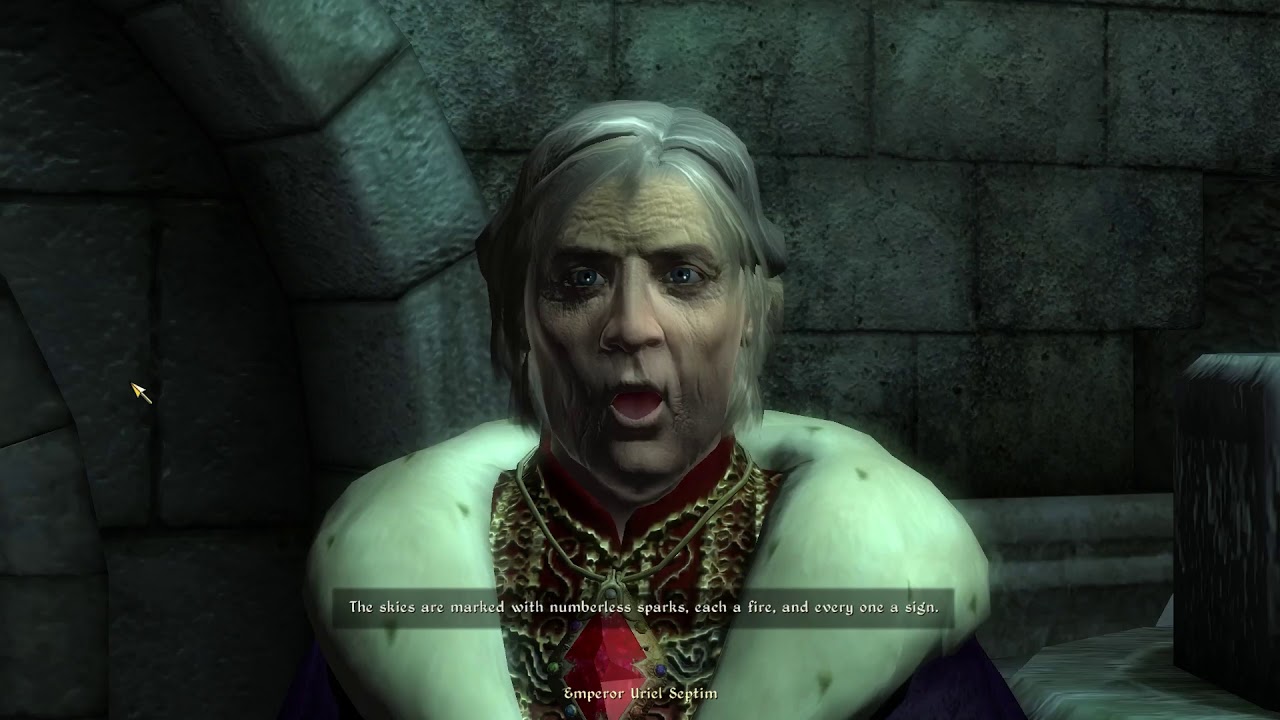
Video Game Contributions: Stewart’s distinctive, sonorous voice found a natural home in interactive entertainment. He narrated Lands of Lore: The Throne of Chaos, voiced Khelben Arunsen in Forgotten Realms: Demon Stone, and delivered one of the most iconic opening monologues in gaming history as Emperor Uriel Septim VII in Bethesda’s The Elder Scrolls IV: Oblivion (2006).
Official Responses and Tributes
Following the announcement of his passing, figures from across the entertainment industry, politics, and literature expressed their grief and admiration.
William Shatner, who portrayed Captain Kirk on the original Star Trek series, shared a heartfelt tribute on X (formerly Twitter):
"What a heartbreaking week it has been. Sir Patrick Stewart was a friend, a colleague, and a magnificent actor. From the stage to the bridge of the Enterprise, he brought intelligence, grace, and a deep sense of humanity to everything he did. Captain Picard stood for the best of us, and so did the man who played him. I was filled with affection and admiration for him and his work. My heart goes out to Sunny and his family. He will be deeply missed."
The official announcement shared on Stewart’s social media accounts reflected on his final moments surrounded by loved ones:
"He has been held in the warm embrace of family and friends, surrounded by live music, prayer, tears, laughter, and the kind of profound emotion that only he could inspire after a lifetime of devotion to us all. We will forever cherish the peaceful ease and reflection on his face, an enduring reminder of his invincible grace."
In lieu of flowers, the family has requested that memorial contributions be made to support neurological research and caregiver resources:
Johns Hopkins Alzheimer’s Disease Research Center Fund
Alzheimer’s Foundation of America Caregiver Resources
Implications: The End of an Era for Classical Sci-Fi and Acting Royalty
Sir Patrick Stewart’s passing marks the twilight of a specific brand of acting royalty—performers who bridged the gap between traditional British classical theater and the burgeoning commercial blockbusters of late 20th-century Hollywood.
His portrayal of Captain Jean-Luc Picard fundamentally altered the trajectory of science fiction television. By infusing genre storytelling with philosophical depth, ethical dilemmas, and genuine literary weight, Stewart proved that space operas could appeal to the intellect just as much as the imagination. In doing so, he helped legitimize science fiction for generations of viewers and actors who had previously dismissed it as lowbrow entertainment.
Furthermore, Stewart’s late-career reinvention as a cinematic superhero in the X-Men franchise demonstrated an adaptability that few actors of his generation managed to achieve. He moved seamlessly from the rigid cadence of Elizabethan blank verse to the CGI-heavy environments of modern superhero cinema without ever compromising his artistic integrity.
As the entertainment landscape continues to evolve, the absence of figures like Sir Patrick Stewart leaves a vast, unfillable void. Yet, his legacy remains firmly etched into popular culture. Whether through the halls of the Royal Shakespeare Company, the corridors of Starfleet’s USS Enterprise, the snowy peaks of Cyrodiil in Oblivion, or the timeless wisdom of Professor X, Sir Patrick Stewart’s voice, intellect, and humanity will continue to resonate for generations to come.