In the modern digital landscape, the distance between a niche social media post and a global cultural phenomenon can be measured in minutes. For public relations professionals and corporate communications teams, this velocity represents both the greatest opportunity and the most significant existential threat. We live in an era where the “real-time” cycle is no longer a goal—it is the baseline requirement. Yet, despite this, many organizations remain shackled to legacy monitoring tools that rely on the blunt instrument of keyword tracking, effectively ensuring that they are always the last to arrive at the party.
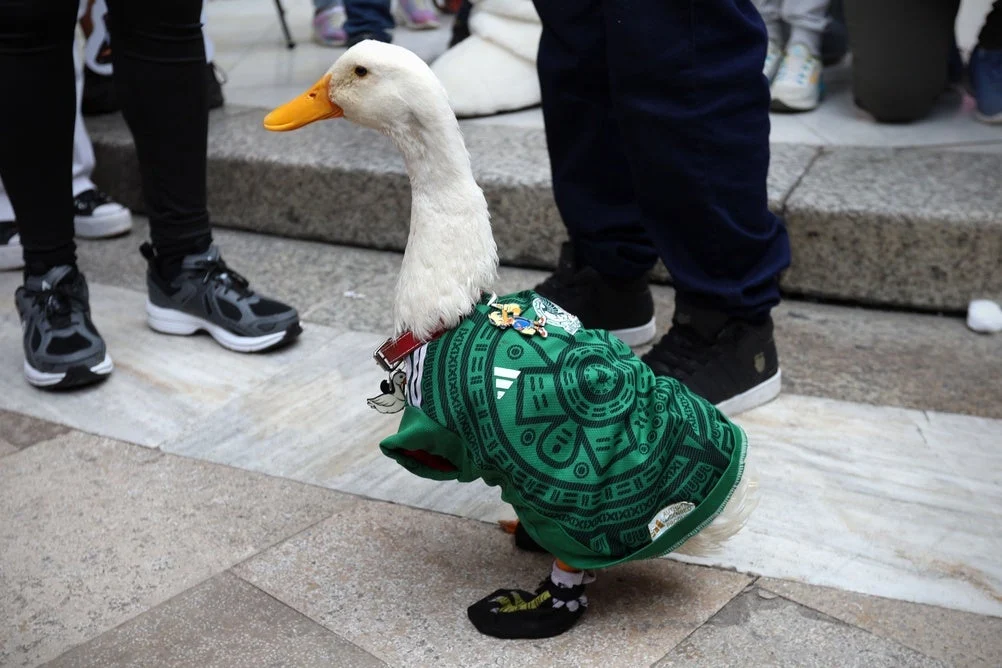
The 2026 FIFA World Cup provided the perfect case study for this disconnect. While global brands poured millions into campaigns built around hashtags like #WorldCup2026, star athletes, and stadium infrastructure, the internet’s collective heart was captured by a serendipitous, unscripted, and entirely organic protagonist: a duck named Merlin.
The Anatomy of an Accidental Mascot: The Merlin Phenomenon
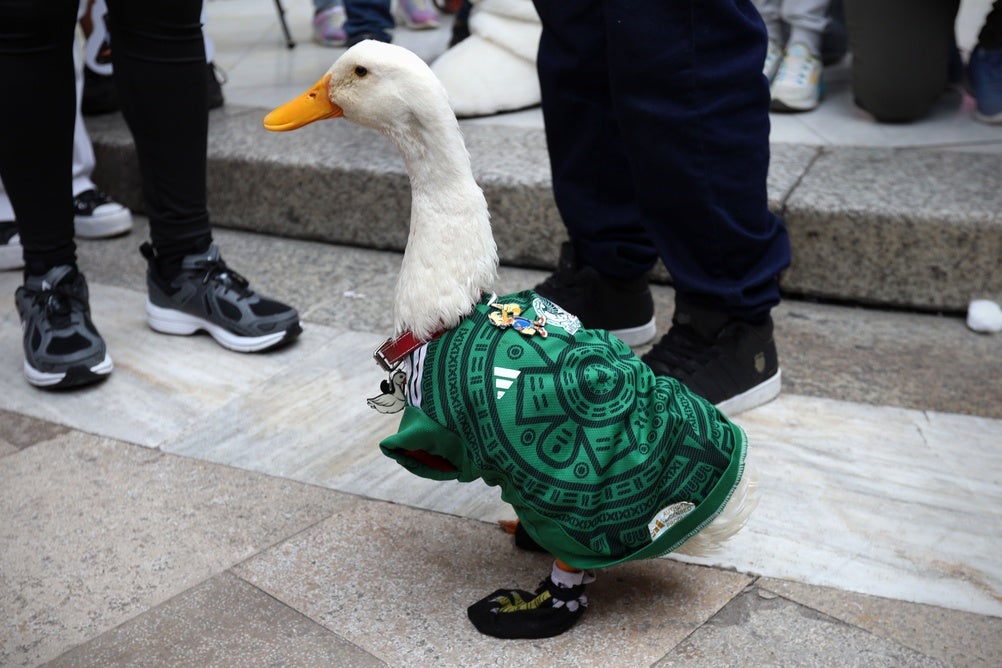
On the opening match day of the 2026 World Cup in Mexico City, a stray duck—later identified as "Merlin"—was filmed wandering near the Palace of Fine Arts. The imagery was innocuous, charming, and perfectly timed. Within hours, the duck had transcended its local surroundings to become a global symbol of the tournament’s spirit.
Merlin did not have a publicist. He did not have a sponsorship deal with a global beverage company, nor was he part of a FIFA-sanctioned activation. He was an anomaly—a "black swan" event in the most literal sense. By the time mainstream brand monitoring dashboards alerted PR teams that "World Cup" was trending, the conversation had already shifted to the avian intruder. Those who were tethered to rigid, pre-defined keyword lists—tracking only terms like "soccer," "FIFA," or "stadium"—missed the narrative entirely.
This incident serves as a diagnostic tool for the industry: if your monitoring strategy requires you to guess what to look for, you have already failed.
Chronology of a Viral Wave
The trajectory of the Merlin story illustrates the frantic pace of modern trend-jacking:
- T-Minus 0 (The Ripple): A local resident in Mexico City uploads a 10-second clip of a duck waddling near a group of fans wearing Ecuadorian jerseys. The post gains initial traction in niche subreddits and local X (formerly Twitter) circles.
- T+2 Hours (The Contextual Bridge): Fans begin to caption the video, drawing parallels between the duck’s calm demeanor and the pressure of the World Cup. The narrative shifts from "a duck in a city" to "a duck experiencing the World Cup."
- T+6 Hours (The Mainstream Breach): Major media outlets and viral content aggregators pick up the story. The phrase "Duck Merlin" becomes a trending topic.
- T+12 Hours (The Opportunity Window): The cultural relevance peaks. Brands that had the agility to pivot—mostly those operating with decentralized social teams—began creating content.
- T+24 Hours (The Saturation Point): The trend begins to lose its organic novelty, transitioning into memes and meta-commentary.
For most corporations, the "legal approval" process—a necessary but often cumbersome hurdle—ensured that by the time a brand was ready to post about Merlin, the conversation had moved on to the next viral moment, leaving them looking like a parent trying to use Gen Z slang.
The Failure of Traditional Keyword Monitoring
The primary failing of the current PR paradigm is the reliance on "known unknowns." We build our intelligence around what we expect to see. We track "World Cup" and "Finals" and "Scores." But human attention is inherently chaotic. It flows toward the unexpected, the aesthetic, and the humorous.
Keyword-based monitoring is essentially a filter. By definition, a filter removes what you haven’t explicitly asked for. If you are not looking for "duck," you will never see the duck. In the modern social economy, this is a fatal flaw. True social intelligence must move away from lexical matching and toward semantic and contextual understanding. It requires systems that can ingest visual data—recognizing a duck in a crowd—and contextualize it against the backdrop of a global event.
Agentic Social Intelligence: The Future of PR
If brand monitoring stops at the prompt of an AI text box, the industry is merely accelerating its own irrelevance. To move from "what happened" to "what is next," PR teams must transition toward Agentic Social Intelligence (ASI).
Unlike traditional software, which waits for a query, ASI systems are autonomous agents. They scan the digital ecosystem—images, videos, and multi-lingual sentiment—to identify emerging narrative shifts before they reach a boiling point. These systems don’t just alert a team that "soccer is trending"; they identify that "an animal mascot is forming organically around the event."
This allows teams to:
- Detect Anomalies: Recognizing that a spike in non-traditional content (like a duck) is gaining more organic engagement than official FIFA content.
- Predict Trajectories: Utilizing predictive modeling to determine if a trend has the longevity to warrant a brand response.
- Risk Mitigation: Identifying not just the fun trends, but the negative ones, such as a localized protest or a safety concern, long before it hits the national news cycle.
Implications for the C-Suite and Comms Strategy
The rise of the "Merlin" moment forces a fundamental rethink of the PR budget. Why spend thousands on reactive campaign management when a brand can instead invest in the infrastructure that identifies these cultural currents?
1. From Ambulance Chasing to Visionary Strategy
The current PR cycle is defined by "ambulance chasing"—the desperate scramble to attach a brand to a trend that has already peaked. By adopting AI-driven foresight, communications leaders can reclaim their seat at the strategy table. They stop being the team that "manages the news" and start being the team that "predicts the cultural climate."
2. The Decentralization of Content
The Merlin incident proves that the best content is often unscripted. Corporations must empower their social teams to act with greater autonomy. If a brand waits for a 12-person committee to approve a tweet about a duck, they will never be part of the conversation. Success in the 2026 era requires a culture of "calculated improvisation."
3. Visual Literacy in Comms
Data is no longer just text. With the proliferation of TikTok, Instagram Reels, and YouTube Shorts, the most important signals are visual. An AI system that cannot analyze video content is effectively blind. PR firms must prioritize the acquisition of tools that possess high-fidelity visual recognition capabilities.
Official Responses and Industry Sentiment
Industry analysts observing the 2026 World Cup have noted a distinct divide between "Legacy Brands" and "Agile Brands." While official FIFA partners focused on high-production, high-cost advertising, the "Merlin" phenomenon saw smaller, consumer-packaged-goods (CPG) brands gain significantly more organic reach through simple, low-fi engagement.
"The lesson of the 2026 World Cup isn’t about ducks," says a lead digital strategist at a top-tier global firm. "It’s about the democratization of attention. You no longer need a media buy to dominate the news cycle. You need a signal. If you can’t catch the signal, you don’t exist."
Conclusion: Don’t Miss the Next Duck
The "Duck Merlin" moment was a lighthearted, harmless anomaly, but it serves as a harbinger of a more complex future. The next "duck" might not be a mascot; it might be a viral video of a product malfunction, a sudden surge in consumer sentiment regarding a social issue, or an unexpected political inflection point.
The PR and communications leaders who thrive in the coming decade will be those who stop chasing the internet and start riding its currents. They will move away from the safety of keyword dashboards and into the murky, chaotic, and high-reward world of agentic intelligence.
We are entering an era where the ability to interpret the world in real-time is the ultimate competitive advantage. For those who refuse to adapt, the future will be a series of missed opportunities, constant catch-up, and the lingering, uncomfortable feeling that everyone else is in on the joke.
The internet is moving faster than ever. It’s time to stop looking at the keywords and start watching the ripples. After all, you don’t want to miss the next duck.