For early adopters who invested upwards of $2,000 into the iPhone Duo, the foldable experience has been defined by a mix of technological wonder and daily friction. While the device pushed the boundaries of display engineering, it remained tethered to the past in one significant way: security. With no TrueDepth camera array housed in its slim bezels, the iPhone Duo has relied exclusively on Touch ID for biometric authentication.
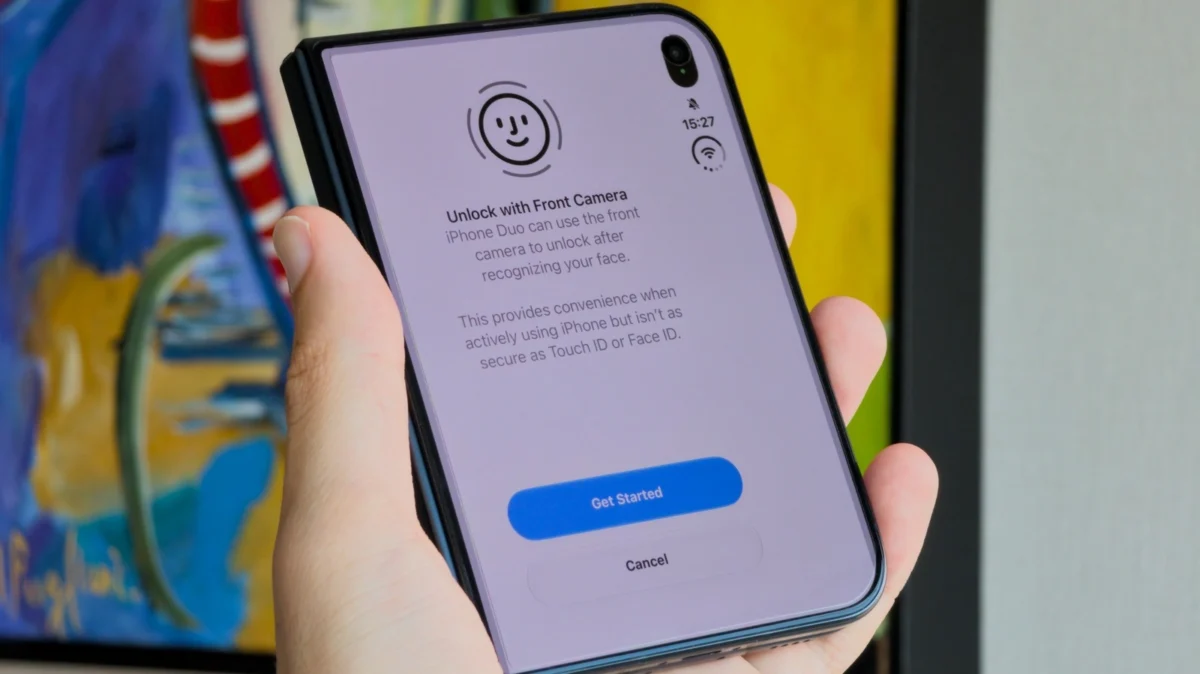
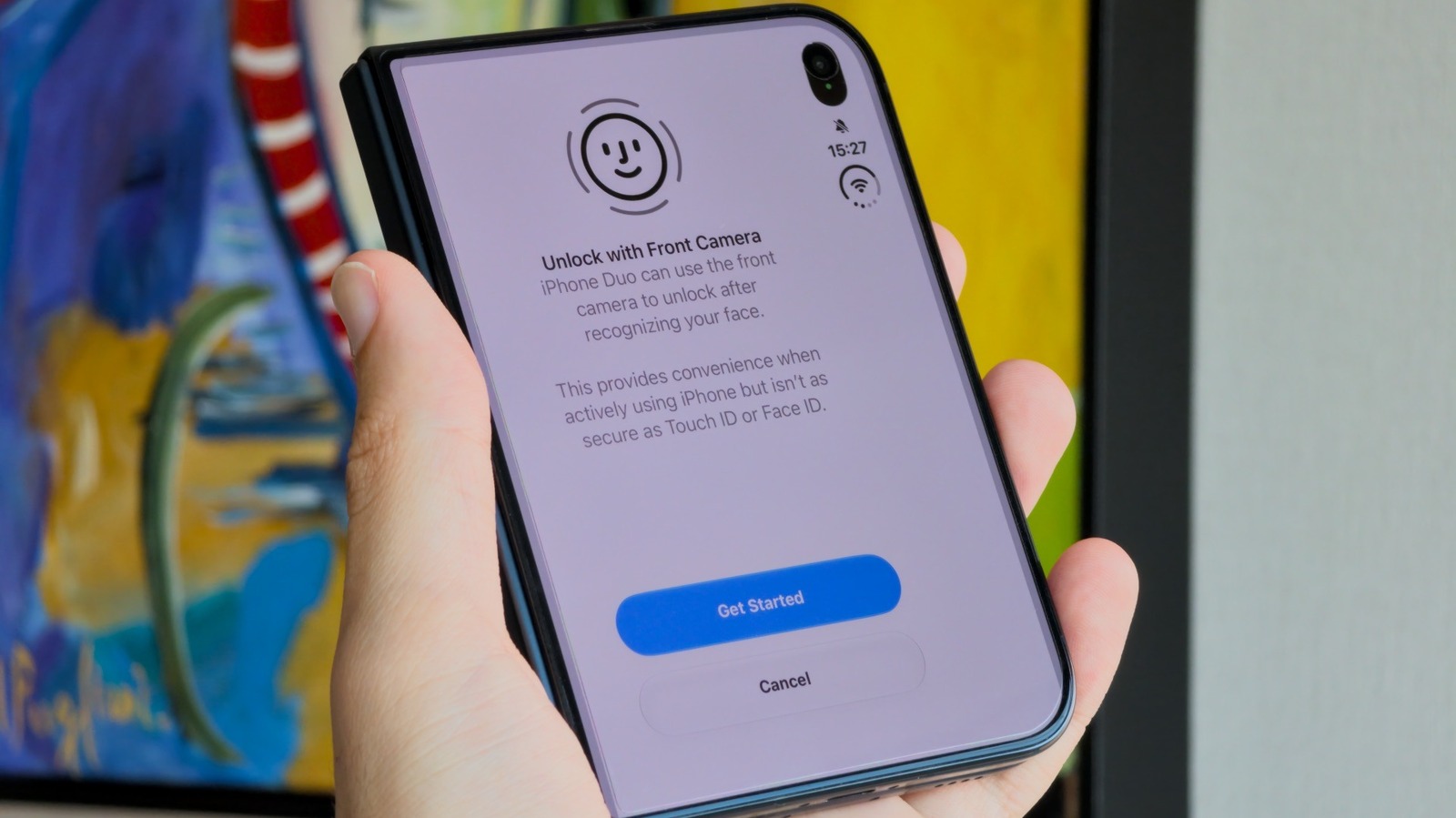
That narrative is beginning to shift. With the release of the second developer beta for iOS 27.3, Apple has introduced a stopgap solution that addresses one of the most frequent consumer complaints regarding the device. The new "Unlock with Front Camera" feature brings a form of facial recognition to the Duo, signaling a pivot in how Apple approaches security on hardware lacking high-end depth sensors.
The Core Development: What’s New in iOS 27.3?
The centerpiece of the iOS 27.3 beta is a software-based facial recognition tool designed specifically for the iPhone Duo. By utilizing the existing front-facing camera—which previously served only for selfies and video calls—the operating system can now verify a user’s identity to unlock the device.
Located within the Touch ID & Passcode section of the Settings app, the feature is positioned as a convenience-first alternative to the fingerprint sensor. Apple has been careful to manage expectations, clearly labeling the feature as less secure than traditional Face ID or Touch ID. Because the Duo lacks the sophisticated infrared dot projector and flood illuminator found in the standard iPhone lineup, this feature relies on 2D image processing rather than a 3D structural map of the user’s face.
Technical Limitations and Security Boundaries
Apple has implemented strict "guardrails" for this feature to mitigate the risks associated with 2D recognition.
- Restricted Access: Users cannot use their face to authorize Apple Pay transactions, access the iCloud Keychain (passwords), or unlock third-party apps that require biometric authentication.
- Time-Out Protocols: For added security, the feature will automatically deactivate if the phone has not been accessed for 45 minutes, reverting to the mandatory requirement of a passcode or fingerprint scan.
- Hardware Constraints: The feature is currently limited to the outer display. The under-display camera on the inner folding screen, while a marvel of design, lacks the resolution and light sensitivity required for even this basic form of facial recognition.
Chronology: The Road to Face Recognition on the Duo
The journey of the iPhone Duo has been marked by a constant tug-of-war between form factor and functionality.
- Launch Period (Early 2027): The iPhone Duo debuts to significant fanfare. While reviewers praise the hinge mechanism and software integration, many point to the lack of Face ID as a glaring omission for a device in the ultra-premium price bracket.
- Q2 2027: Rumors circulate regarding a second-generation prototype. Reports from supply chain analysts suggest Apple is struggling to fit the bulky TrueDepth camera module into the Duo’s thinner chassis, leading to speculation that Face ID might be delayed until the third generation.
- November 2027: Recognizing the growing dissatisfaction among the "power user" segment, Apple’s software engineering team begins testing an algorithmic solution to bypass the hardware limitation.
- December 2027 (Current): Apple seeds the iOS 27.3 beta to developers. This update officially integrates the "Unlock with Front Camera" feature, marking the first time a non-TrueDepth Apple device has been granted native facial recognition capabilities.
Supporting Data and Performance Analysis
Initial testing of the iOS 27.3 beta reveals a surprising level of efficiency. Despite the lack of 3D sensors, the software manages to unlock the device with notable speed—often outpacing the existing Touch ID sensor in real-world scenarios.
Reliability Testing
In controlled tests, the system displayed a robust resistance to "spoofing" attempts. When presented with a high-resolution photograph of the registered user, the system consistently refused to unlock, suggesting that Apple’s machine learning models are analyzing more than just a static image. It likely incorporates basic liveness detection, such as blink or movement analysis, to ensure a living subject is present.
Low-Light Performance
The primary weakness of the system, as expected, is poor lighting. Without the infrared flood illuminator, the camera struggles to map facial features in near-total darkness. While it performs adequately in dim, indoor ambient lighting, users will find themselves relying on the Touch ID sensor when in nighttime environments. This duality ensures that security is maintained when the environment is insufficient for the camera to function accurately.
Official Responses and Strategic Parallels
Apple has remained tight-lipped regarding the specific roadmap for the iPhone Duo’s hardware, but the implementation of this software feature mirrors the company’s recent strategy with the HomeView product line.
The HomeView, which lacks the high-fidelity security of the iPhone, uses a similar "simpler facial recognition" system to identify users for personalized content delivery. By porting this architecture to the iPhone Duo, Apple is creating a standardized framework for facial recognition across its "non-TrueDepth" devices.
This move serves two purposes:
- Retention: It keeps early adopters satisfied, reducing the "buyer’s remorse" associated with the absence of modern conveniences.
- Data Harvesting: It allows Apple to refine its 2D facial recognition algorithms using real-world data from a large user base, potentially improving the system’s performance via future over-the-air updates.
Implications: What This Means for the Future
The integration of "Unlock with Front Camera" is more than just a convenience update; it is a signal of how Apple intends to bridge the gap between its legacy authentication methods and the future of foldable hardware.
For the Hardware Roadmap
Industry analysts suggest this is a "stopgap" until the miniaturization of the TrueDepth module is perfected. If Apple can prove that software-based recognition is "secure enough" for basic unlocking, it may buy the engineering team the time needed to perfect the hardware, rather than rushing a compromised design into the chassis of the iPhone Duo 2.
For the Consumer
For the average user, the implications are largely positive. The "Duo" experience is now more fluid. The additional setting to lock the device when closed, rather than transitioning to the outer display, suggests that Apple is listening to feedback regarding battery life and privacy.
The Verdict on Security
Critics remain wary of any facial recognition that does not meet the "Face ID" gold standard. However, by keeping the feature optional and restricted to the lock screen, Apple has effectively balanced user experience with its rigorous security standards. The company is essentially offering a choice: the high security of the fingerprint reader, or the effortless convenience of the front camera.
As we look toward the public release of iOS 27.3 in mid-December, the iPhone Duo stands as a testament to the idea that, in the world of modern technology, a software update can be just as impactful as a hardware revision. For those holding the $2,000 foldable, the wait for biometric parity is finally drawing to a close, one line of code at a time.