By PC Gamer Staff
While optimization hurdles and performance complaints dominated early discussions surrounding the PC launch of Monster Hunter Wilds, the franchise’s dedicated community quickly zeroed in on another contentious issue: the game’s core difficulty balance.
Initially, a vocal segment of the veteran player base criticized the title for feeling too easy, describing the main campaign as a "sleepwalk" that lacked the punishing, tactical depth of previous iterations. However, when Capcom attempted to course-correct through subsequent updates by ratcheting up the threat level, those same players pushed back against what they perceived as ininelegant solutions—namely, arbitrary increases to monster damage scaling rather than meaningful systemic adjustments.
In an exclusive interview at this year’s Tokyo Game Show, Monster Hunter Wilds: Ascendance director Takuro Hiraoka opened up about the development team’s philosophy behind the base game’s balancing act. He explained that Capcom’s primary objective was lowering the barrier to entry to ensure newcomers weren’t driven away, while outlining how the upcoming Ascendance expansion aims to bridge the gap and satisfy hardcore hunters looking for a genuine test of skill.
Main Facts: Striking a Balance Between Accessibility and Challenge
The core conflict surrounding Monster Hunter Wilds boils down to a classic game design dilemma: how to accommodate an expanding global audience without alienating veteran fans who have spent over a decade mastering the intricate mechanics of hunting giant beasts.
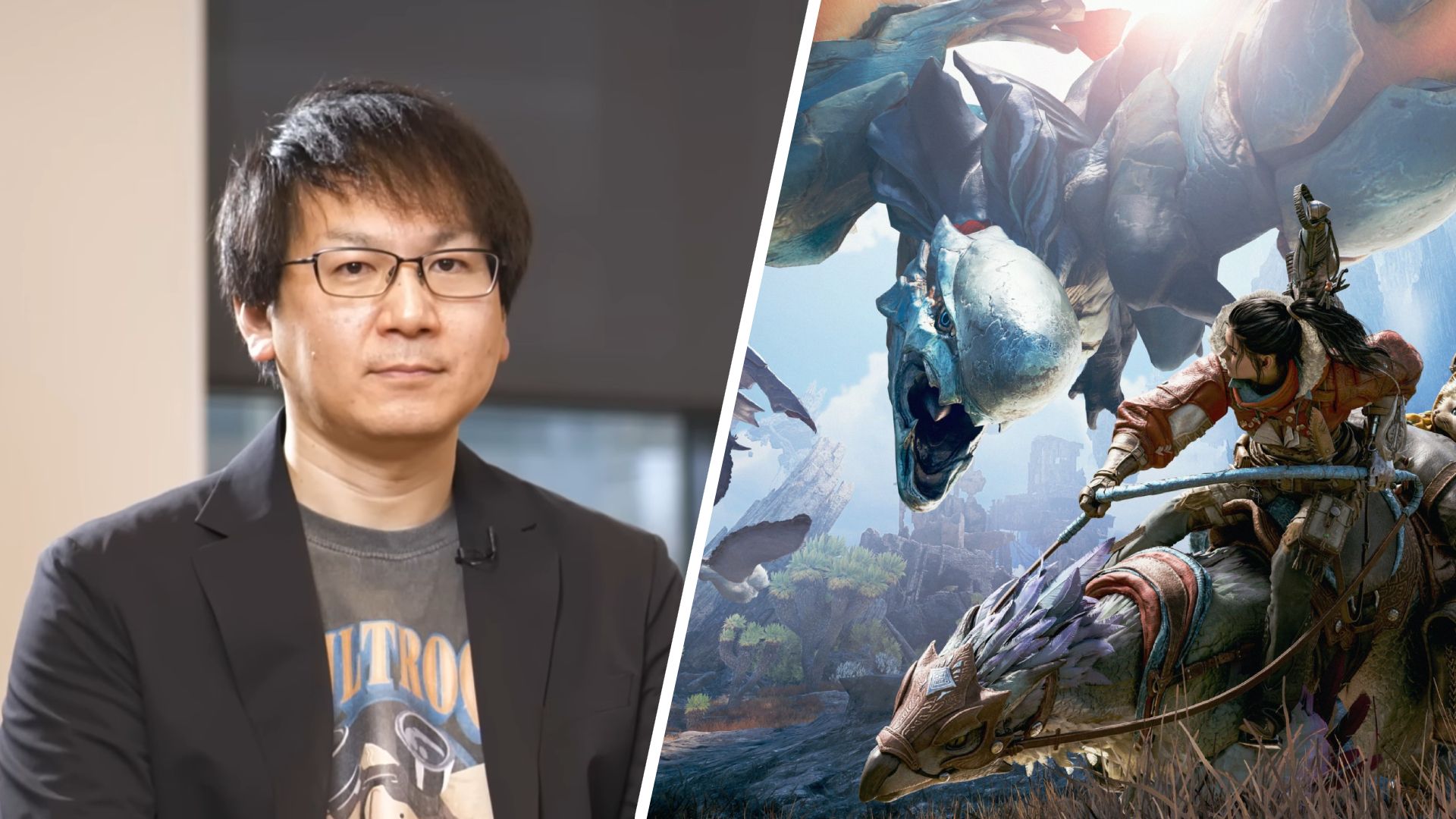
- The Accessibility Goal: Capcom deliberately designed the base game of Monster Hunter Wilds to be approachable. Drawing lessons from Monster Hunter: World, where a sharp early-game difficulty spike caused significant drop-off rates before players could experience the narrative climax, the studio wanted a smooth, forgiving introductory curve.
- The Veteran Backlash: Because the community has grown increasingly skilled over successive releases, many players tore through the base campaign with ease. When Capcom introduced post-launch difficulty updates, the reliance on raw damage amplification failed to satisfy players looking for sophisticated, mechanics-driven challenges.
- The Ascendance Solution: Director Takuro Hiraoka confirmed that the upcoming expansion is being structured with a dual approach: maintaining an engaging narrative flow for standard players while channeling extreme, elite-tier challenges directly into the endgame loop.
Chronology: From Launch Complacency to Post-Release Course Correction
To understand how Capcom arrived at its current development strategy for Ascendance, it is necessary to trace the trajectory of player reception since the initial release of Monster Hunter Wilds.
Phase 1: The Honeymoon Period and Early Critiques
Upon the global launch of Monster Hunter Wilds, players immediately noticed a shift in pacing. Mobility had been streamlined, and early-to-mid-game monsters offered significantly less resistance than veterans expected. Within weeks, social media and forums were filled with threads arguing that the game had lost its teeth.
Phase 2: Post-Launch Updates and Inelegant Tweaks
Responding to community feedback, Capcom rolled out targeted updates designed to increase the threat level of hunts. Unfortunately, rather than altering monster AI, patterns, or introducing new aggressive move sets, many of these updates relied on inflating monster attack values. This led to a secondary wave of frustration, with players complaining that getting one-shotted by inflated damage numbers was artificial difficulty rather than genuine strategic depth.
Phase 3: Tokyo Game Show Revelations
Speaking to press at the Tokyo Game Show, director Takuro Hiraoka addressed these community pain points directly. By acknowledging the gap between expected and actual player proficiency, Hiraoka laid the groundwork for how Capcom intends to handle balancing moving forward, culminating in the announcement window for Monster Hunter Wilds: Ascendance, slated for a 2027 release.
Supporting Data: Evolution of the Audience and Retention Metrics
Capcom’s strategic shift in balancing is deeply rooted in player analytics gathered from previous franchise entries, most notably Monster Hunter: World.
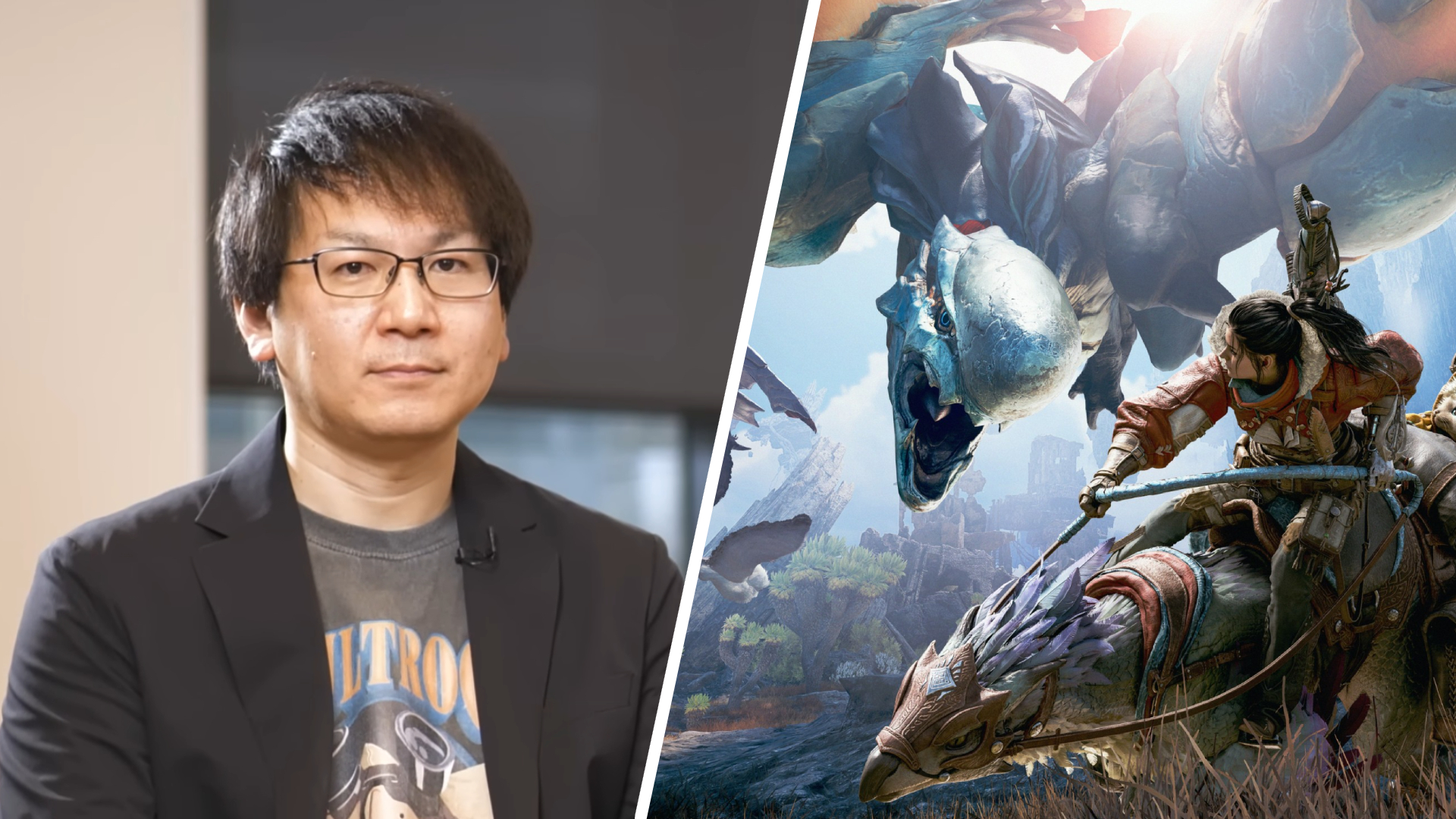
- The World Dropout Rate: According to Hiraoka, a significant percentage of players who picked up Monster Hunter: World abandoned the game before finishing the main story. Internal metrics revealed that the steep difficulty curve acted as a brick wall for casual and mid-tier players.
- The Skill Inflation Gap: Capcom underestimated how rapidly the active player base would adapt to the mechanics of Wilds. "Maybe players got better than we expected in the intervening years," Hiraoka noted through a translator, highlighting how veteran expertise has outpaced traditional design assumptions.
- Audience Expansion: The commercial success of recent titles means the franchise now attracts millions of players with vastly differing skill levels, making a one-size-fits-all approach to difficulty mathematically and design-wise impossible.
Official Responses: Takuro Hiraoka on Game Design and the ‘Ascendance’ Vision
Speaking via translator during the interview, Takuro Hiraoka emphasized that balancing difficulty is "one of the most challenging things to get right in a game."
"In my mind, that’s where the difficulty curve should be for Wilds, and I think we achieved that—but the player base was so good and so skilled. We had a bit of a gap in expectations. We’ve grown the audience greatly since Monster Hunter: World, and that was a game where a lot of players dropped off before finishing the story because it got too hard too quickly. We’re trying to tackle that issue, which I see as a problem."
Hiraoka stressed that his top priority is ensuring players feel rewarded for their financial and time investment. If a player feels blocked from finishing the game they purchased, they are unlikely to return. However, he reassured the hardcore community that Ascendance will cater specifically to their appetite for punishment.
"We expect that if you purchase the DLC, you’re going to want to see as much of the story that we’ve presented as possible—but for players who want to go far beyond and have the really toughest challenges, we expect that the endgame loop is what really satisfies their needs. We’re working on that balance at the minute."
Clarifying the New Boost Bracer Mechanics
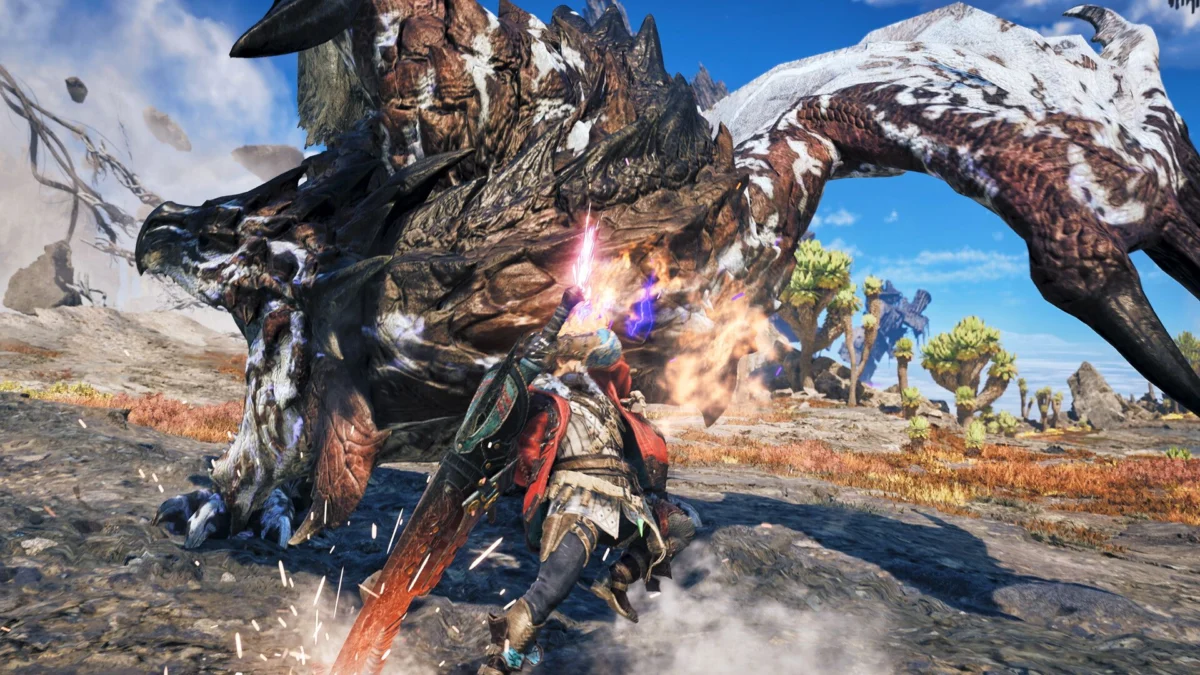
Addressing recent weapon breakdown videos showcasing high-octane offensive capabilities with the new Boost Bracer attacks, Hiraoka cautioned players against assuming the expansion will turn hunters into unkillable juggernauts.
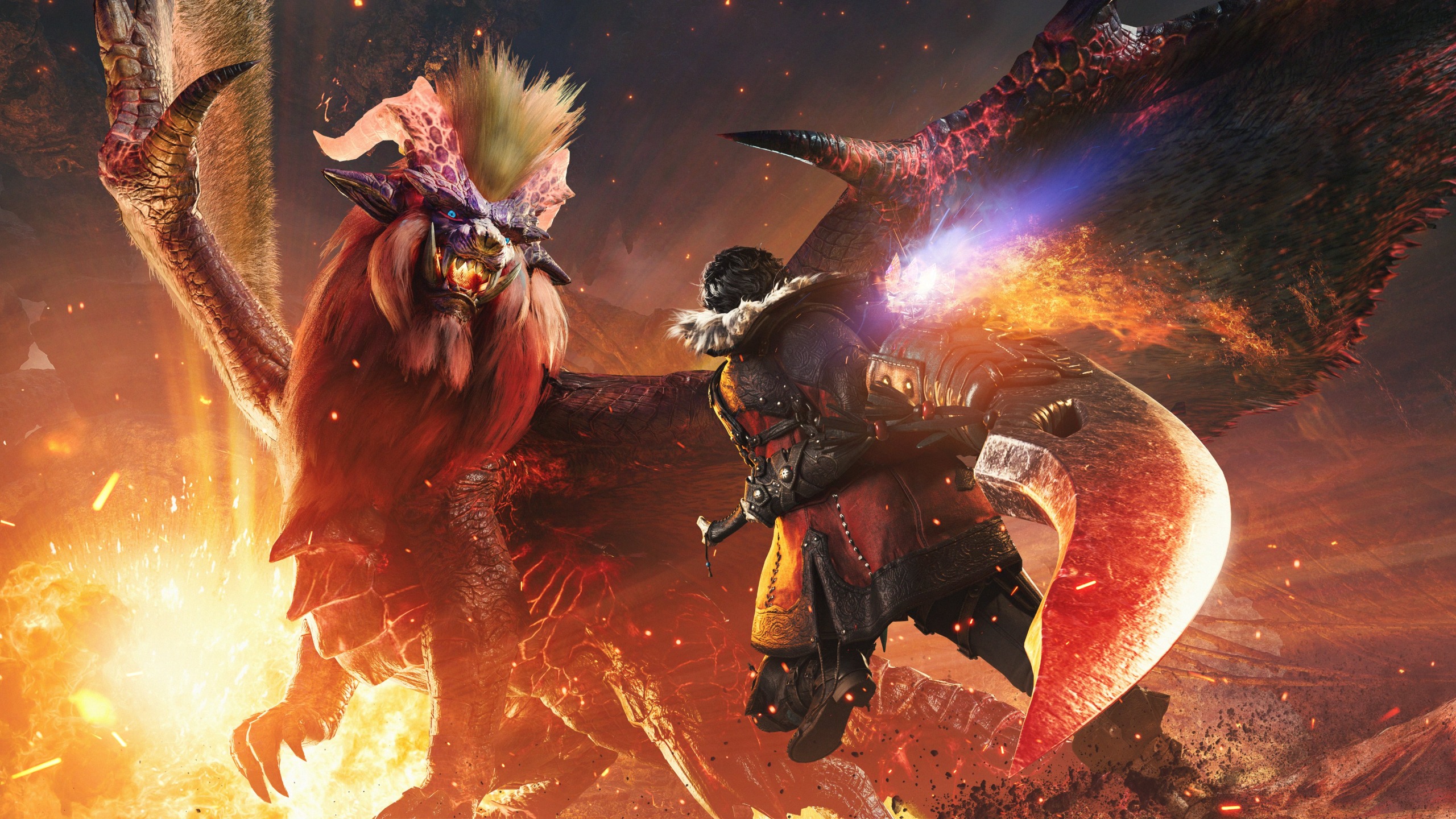
While promotional media is intentionally edited to highlight the impact of new mechanics, he clarified that actual hunts maintain a strict tactical cadence:
"There is a cadence to it, where the player is building a gauge, keeping an eye on how many charges they have, and deciding when they want to bust out those actions. And you only have a certain amount of time in boost mode whenever you do activate it. Overall, the player hasn’t become this hyperaggressive, constant demon mode type of presence. It’s a new tool in your box. How to strategize on when to use it, and the way it changes each weapon’s gameplay, is for the players to discover."
Implications: What This Means for the Future of the Franchise
Capcom’s transparent handling of the Monster Hunter Wilds difficulty discourse signals a mature approach to live-service and expansion-based game design. By publicly acknowledging the miscalibration between casual retention goals and veteran expectations, the studio is setting clear boundaries for what players can expect from future content.
- Segmented Progression Design: By utilizing the main campaign and story beats to onboard and retain a broad, mainstream audience, while reserving punishing, intricate mechanics for the Ascendance endgame loop, Capcom hopes to eliminate the compromise that alienated either side of the fanbase.
- Refined Encounter Design: Moving away from crude damage-inflation patches toward more nuanced endgame loops indicates that the development team is listening to constructive criticism regarding enemy design and combat telemetry.
- The Road to 2027: With Monster Hunter Wilds: Ascendance officially scheduled to launch in 2027—and wishlists now open on Steam—the community has ample time to digest these updates and prepare for the next major evolution of the hunt.