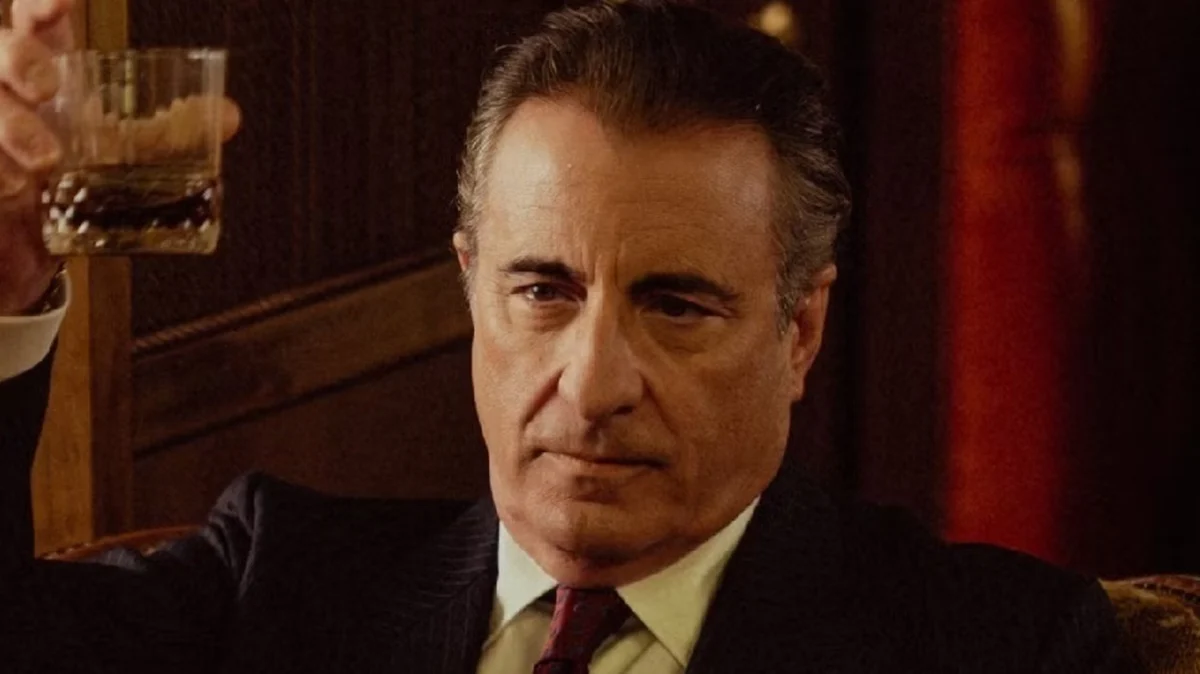
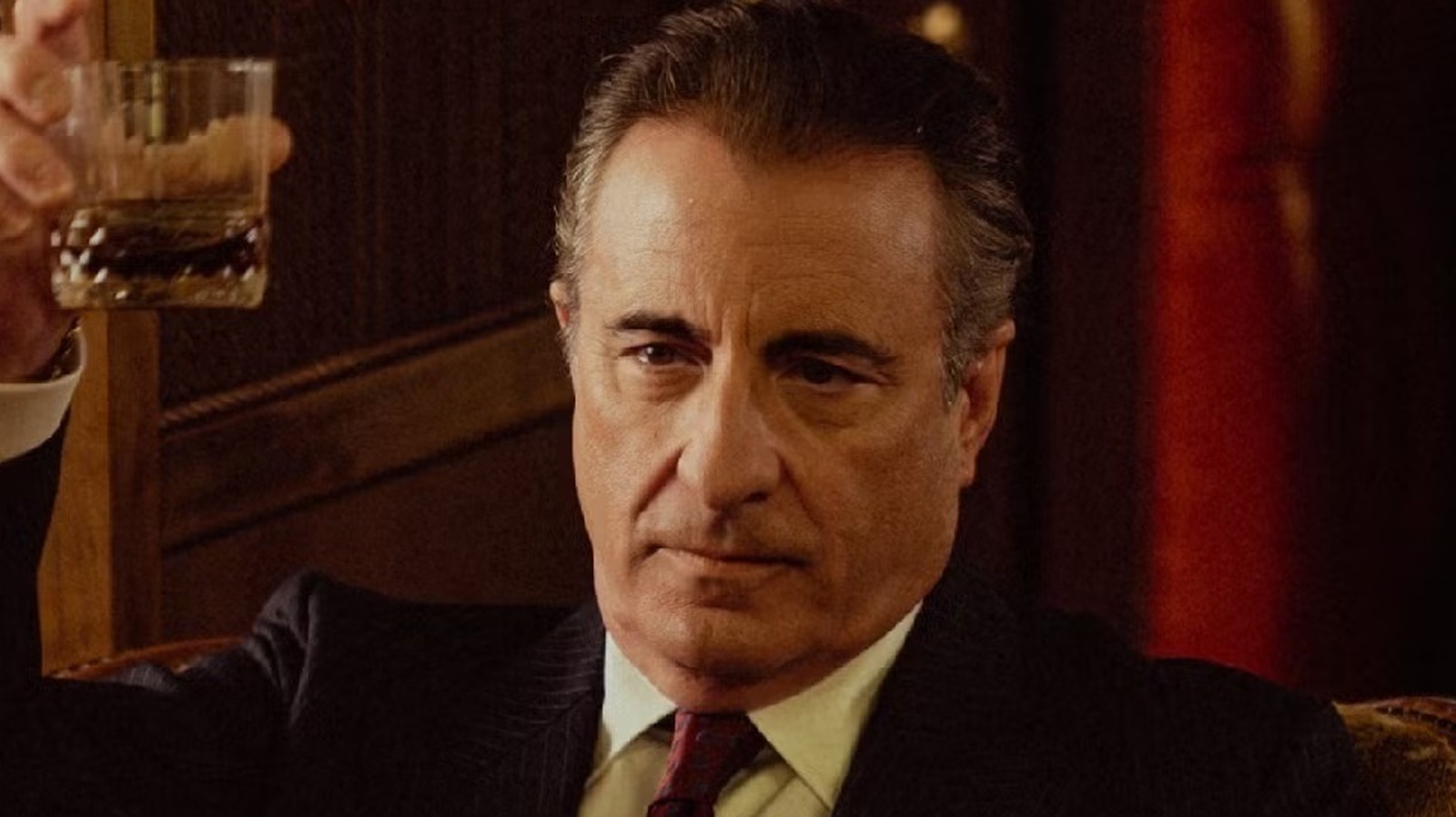
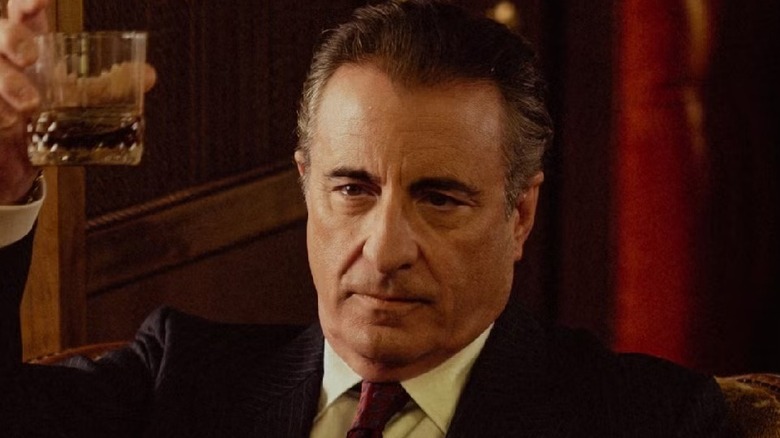
In the modern landscape of prestige television, Andy Garcia stands as a towering figure of gravitas and intensity. Currently commanding the screen as the formidable cartel kingpin Danny "Gallino" Morrell in Paramount+’s breakout hit Landman, Garcia delivers a performance that anchors the high-stakes world of West Texas oil production. However, beneath the grit and calculated menace of his current role lies a career foundation built nearly 50 years ago in a setting far removed from the dusty plains of the American Southwest.
Garcia’s journey to becoming an industry icon began in the vibrant, culturally rich landscape of late-1970s Miami. Long before he was trading lines with Billy Bob Thornton, the Havana-born actor cut his teeth on ¿Qué Pasa, USA?, a landmark PBS sitcom that shattered barriers as the first bilingual television series in the United States.
The Genesis of a Groundbreaking Sitcom
To understand the magnitude of Garcia’s start, one must contextualize the television environment of the late 1970s. ¿Qué Pasa, USA?, which aired from 1977 to 1980, was a revolutionary piece of television history. Set in the heart of Miami’s Little Havana neighborhood, the series offered an authentic, unfiltered look at the Cuban-American experience.
The show focused on the Peña family, a multi-generational household navigating the complex intersection of tradition and assimilation. The central pillars of the family were parents Pepe (Manolo Villaverde) and Juana (Ana Margarita Martínez-Casado), who found themselves balancing the preservation of their cultural identity with the pressure to adapt to their new American reality.
The narrative tension was driven by the generational divide. The grandparents, Antonio (Luis Oquendo) and Adela (Velia Martínez), remained deeply rooted in the customs of the past, often struggling with the English language in ways that provided both comedic levity and poignant social commentary. Meanwhile, their children, Joe (Steven Bauer) and Carmen (Ana Margo), represented the first generation of the family fully embracing American culture, often at the expense of their fluency in Spanish.
The series was notable for its use of "Spanglish," a linguistic blend that mirrored the lived reality of the show’s demographic. By refusing to cater exclusively to monolingual English speakers, ¿Qué Pasa, USA? normalized the dual-identity experience, turning the process of language acquisition and cultural friction into a narrative engine that felt both deeply personal and universally resonant.
A Legacy of Talent: The ¿Qué Pasa, USA? Alumni
The success of ¿Qué Pasa, USA? was not merely a matter of social relevance; it was a breeding ground for some of the most significant talents in Hollywood history. The cast members did not merely perform; they lived the reality they were portraying, and many went on to anchor major American film and television franchises.
Perhaps the most prominent example alongside Garcia is Steven Bauer, who played the son, Joe Peña. Following his tenure on the series, Bauer skyrocketed to international fame as Manny Ribera in the 1983 classic Scarface, acting as the loyal confidant to Al Pacino’s Tony Montana. His career continued to evolve, eventually leading him to the critically acclaimed worlds of Breaking Bad and Better Call Saul, where he portrayed the menacing Mexican cartel boss Don Eladio Vuente.
The show served as a microcosm of the immigrant experience, demonstrating that the struggles of the Peña family were the same struggles being felt in living rooms across the country. By providing a platform for Latino actors to play complex, non-stereotypical roles, the sitcom helped pave the way for the diverse casting landscape that exists in television today.
Andy Garcia’s Memorable Debut: "Here Comes the Bride"
In the context of his illustrious filmography, Andy Garcia’s appearance in ¿Qué Pasa, USA? is a footnote—but an essential one. Appearing in the Season 2 episode "Here Comes the Bride," a young Garcia portrayed a handsome young man named Pepe, who becomes the romantic interest of the daughter, Carmen.
The episode serves as a quintessential example of the show’s themes. The plot centers on the budding romance between Pepe and Carmen, who decide to elope. However, the narrative quickly shifts to explore the tension between traditional expectations and modern independence. When Carmen realizes that her suitor holds antiquated views on a woman’s role—expecting her to abandon her college aspirations to become a stay-at-home wife—she is forced to confront the reality of her own values.
For Garcia, the role was a brief but transformative introduction to the mechanics of the camera. It was a humble beginning, but it displayed the natural charisma and screen presence that would soon propel him toward much larger stages.
Chronology of a Rising Star
Following his brief stint on the groundbreaking PBS series, Garcia’s trajectory was one of steady, deliberate growth. He did not achieve overnight superstardom; instead, he spent the early 1980s meticulously building a reputation as a versatile character actor.
- 1979: Garcia makes his onscreen debut in ¿Qué Pasa, USA?.
- Early 1980s: He secures recurring roles and guest spots in notable television programs, including For Love and Honor, Murder, She Wrote, and the gritty, influential police procedural Hill Street Blues.
- 1987: The turning point arrives. Garcia is cast as George Stone, the sharpshooting Italian-American police officer, in Brian De Palma’s The Untouchables. His performance opposite Kevin Costner and Sean Connery solidified his status as a legitimate Hollywood leading man.
- 1990: He receives an Academy Award nomination for Best Supporting Actor for his role as Vincent Mancini in The Godfather Part III, marking his transition into the upper echelon of cinematic legends.
- 2024: Garcia returns to the forefront of the television landscape with Landman, a series that highlights the modern-day "oil rush" in Texas, showcasing the same intensity he first brought to the screen in the 70s.
The Cultural Implications: Then and Now
The return of the ¿Qué Pasa, USA? legacy continues to stir debate within the entertainment community. In 2017, a stage revival titled Que Pasa, USA? Today… 40 Years Later was produced in Miami. The production sought to update the story, imagining where the characters would be four decades later, with the children now parents and the parents having passed away or grown older.
However, the production was met with controversy when the original cast members were not invited to participate. Manolo Villaverde, who played the original patriarch, expressed a sense of profound disappointment to the Miami Herald, noting that the exclusion felt like a dismissal of the foundational work the original cast had performed. "It’s not a bitterness I feel but a hurt," Villaverde remarked at the time.
This friction highlights the tension between legacy and evolution. While the show is remembered as a pioneering effort that defined a cultural moment, the struggle for recognition among its originators serves as a reminder that the history of television is often as volatile as the industries it depicts.
Looking Forward: The Landman Era
As Andy Garcia embodies the ruthless Danny "Gallino" Morrell in Landman, one cannot help but notice the evolution of his craft. In ¿Qué Pasa, USA?, he was the archetype of the romantic youth, full of idealism and traditional expectations. In Landman, he portrays the seasoned, pragmatic power broker, a man who understands that in the high-stakes world of oil and cartels, loyalty is a currency and survival is the only objective.
The transition from a low-budget, bilingual sitcom to a high-octane streaming drama produced by the likes of Taylor Sheridan is a testament to Garcia’s longevity. He remains one of the few actors who can bridge the gap between the intimate, character-driven storytelling of the 1970s and the sprawling, cinematic scope of modern streaming television.
Ultimately, Andy Garcia’s career is a reminder that every great actor begins somewhere—often in a small, humble room, speaking a mixture of two languages, trying to find their place in a world that is constantly shifting. Whether in a living room in Little Havana or an oilfield in West Texas, Garcia has spent his career defining what it means to be a modern American actor. His roots in ¿Qué Pasa, USA? are more than just a piece of trivia; they are the bedrock of an enduring, multifaceted career that continues to captivate audiences nearly half a century later.