In the late 1970s, the television landscape was a battlefield of intellectual property. Networks were hungry for proven concepts, and few film properties were as culturally resonant as the 1976 hit The Bad News Bears. With Walter Matthau’s iconic portrayal of Morris Buttermaker, the film became a touchstone for the underdog sports genre, eventually spawning two successful cinematic sequels. However, when CBS attempted to transition the rowdy, cynical spirit of the franchise into a sanitized, family-friendly sitcom in 1979, the result was a curious footnote in television history—a project that served as an early proving ground for a future superstar, yet ultimately struck out due to the volatile nature of network scheduling.
The Core Concept: Bringing the Diamond to the Small Screen
Premiering on March 24, 1979, the television adaptation of The Bad News Bears sought to replicate the magic of the original film. The premise remained largely unchanged: Morris Buttermaker, a former minor league pitcher with a penchant for bending the rules and a deep-seated cynicism toward organized youth sports, is coerced into coaching the worst team in the Little League to avoid impending legal trouble.
Stepping into the formidable shoes of Walter Matthau was Jack Warden, an actor of immense talent and grit who brought a softer, more television-appropriate edge to the character. The show focused on the classic dynamic of the mismatched team, emphasizing heart, life lessons, and the inevitable growth of a group of societal rejects who find belonging on the baseball field. While it lacked the hard-edged profanity and rebellious tone of the original film, the show carved out a niche as one of the few "children’s prime-time shows" of the era, balancing comedic slapstick with a moral compass that satisfied the standards and practices of the time.
The Making of a Star: Corey Feldman’s Early Days
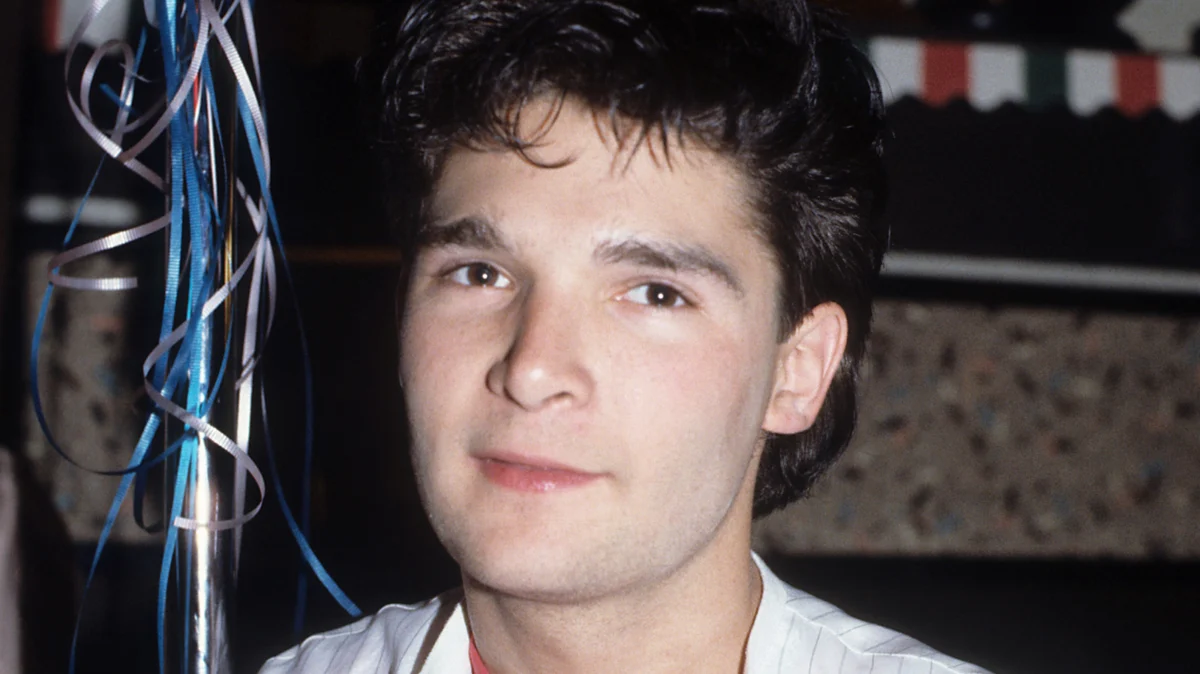
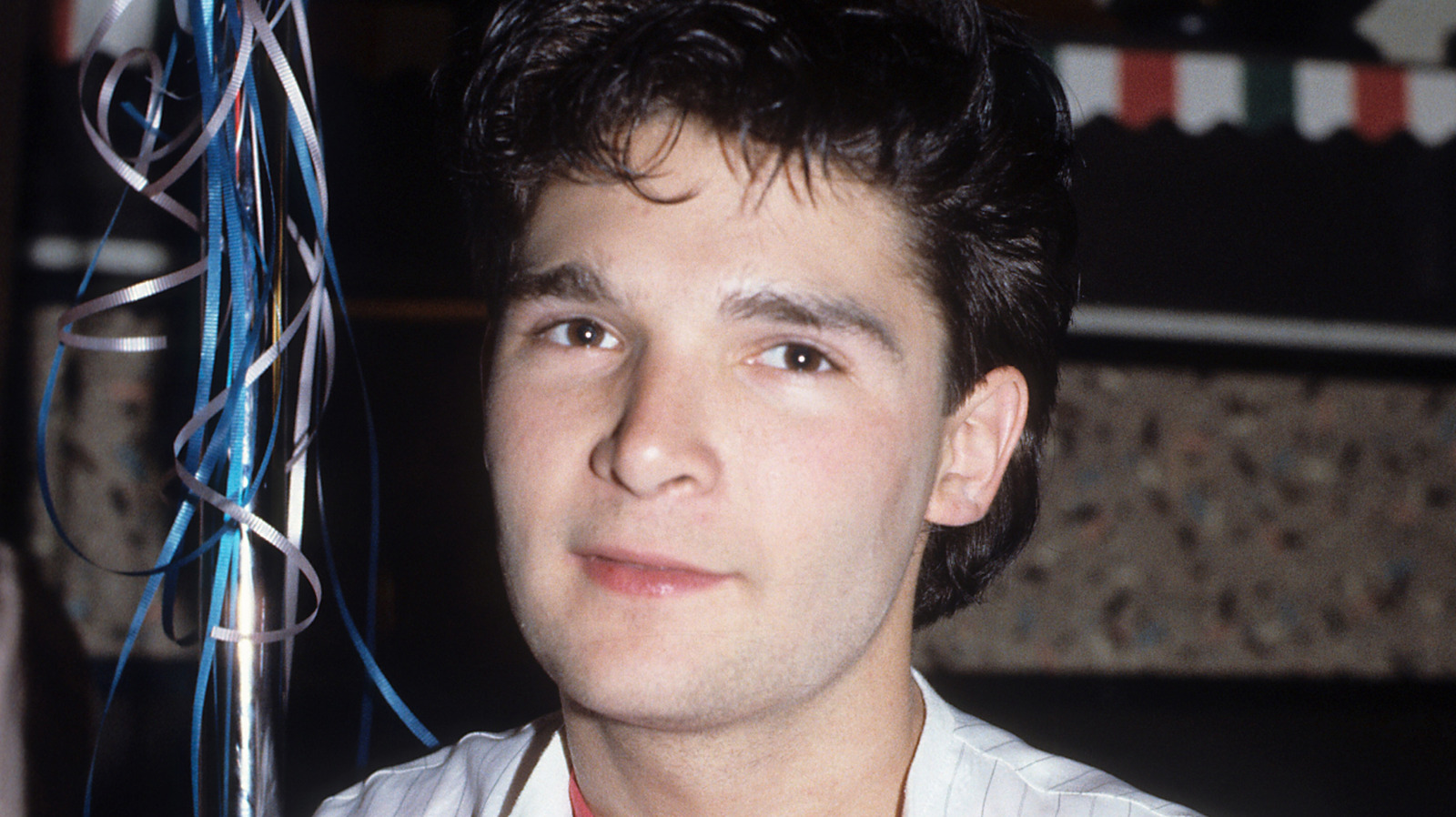
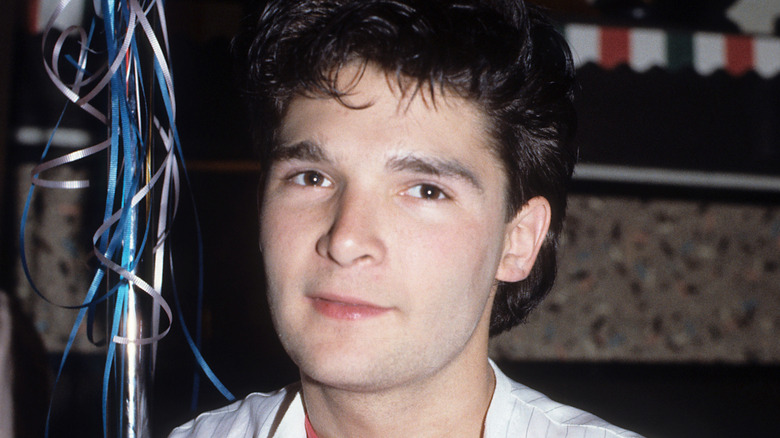
Before he became a defining face of 1980s cinema—starring in classics like The Goonies, Stand By Me, and The Lost Boys—Corey Feldman was a working child actor navigating the precarious industry of late-70s television. His role as Regi Tower in The Bad News Bears was one of his first significant recurring appearances, coming on the heels of bit parts in shows like Eight Is Enough and Alice.
In retrospect, Feldman’s time on the show was a rite of passage. Reflecting on the production in the book Happier Days: Paramount Television’s Classic Sitcoms 1974-1984, Feldman candidly discussed the physical toll of his role as the team’s shortstop. "He was the one who always got hit with the ball," Feldman recalled. "I got hit with a lot of balls. And it was sometimes painful." Despite the literal and figurative bruises, Feldman maintained a fond perspective on the project, describing the experience as "great," even if the show itself never reached the heights of his later career triumphs.
The Chronology of a Cancellation
The narrative of The Bad News Bears sitcom is a cautionary tale regarding the power of network scheduling. A show’s success is rarely determined by its content alone; it is heavily dictated by its "lead-in" and its placement in the weekly lineup. CBS, in its attempt to stabilize the show, inadvertently sabotaged its ability to build a loyal fanbase.
A Timeline of Instability
- March 1979: The series debuts in a prime Saturday night slot at 8:00 p.m.
- September 1979: CBS, attempting to shift its demographic reach, pushes the show back by 30 minutes to 8:30 p.m.
- June 1980: The network moves the show back to its original 8:00 p.m. slot, only to reverse the decision a month later.
- July 16, 1980: The episode "Double Play" airs, serving as the unintentional series finale.
By constantly shifting the time slot, CBS ensured that casual viewers could never reliably find the show. Feldman, commenting on the scheduling woes, noted that Saturday night was a notoriously difficult time for a family show to thrive. "Nobody wants to watch TV [on a Saturday]," he remarked. "You want to go out. You want to do stuff." By failing to provide a consistent home for the series, CBS eroded the audience’s patience, leading to a precipitous drop in viewership that the network ultimately chose not to support.
Supporting Data: The Cost of Fragmented Audiences
Television industry analysts often point to the Bad News Bears experiment as an example of "scheduling whiplash." In the late 70s, audience measurement relied on Nielsen ratings that were highly sensitive to habit. When a viewer tuned in at 8:00 p.m. to find a different program—or worse, a news special or sports pre-emption—they rarely returned to check if the show had moved to 8:30 p.m.
The data suggests that the series had potential. It possessed a recognizable brand, a veteran lead in Jack Warden, and a cast of young actors who would go on to have successful careers. However, by the time the series was canceled just three episodes into its second season, it had become clear that the network had lost faith in the property’s ability to survive the cutthroat competition of Saturday prime time. Three completed episodes were left on the shelf, never to be broadcast by the network, marking a quiet end to a project that had once been seen as a pillar of the CBS lineup.
Official Responses and Industry Context
While there were no dramatic public "protests" regarding the cancellation, the industry reaction at the time highlighted a growing divide between film-to-TV adaptations. Critics of the era often cited the "watered-down" nature of the sitcom as a primary reason for its failure to capture the cultural zeitgeist the way the movie had. By removing the grit, CBS had removed the very thing that made The Bad News Bears a success in the first place.
However, the legacy of the property proved more resilient than the sitcom itself. The franchise remained a valuable asset for Paramount Television. In 2005, the concept was revisited in a feature film remake starring Billy Bob Thornton, which leaned back into the darker, more cynical humor of the original. This pivot proved that the material was not the problem; the issue was the execution and the environment in which it was presented.
Implications for Modern Reboots
The story of the Bad News Bears sitcom holds significant weight for today’s television executives, who are currently engaged in a massive effort to reboot and reimagine 1970s and 80s IP. In 2022, CBS announced it was in the early stages of developing a female-led reboot of the Bad News Bears franchise. This latest attempt acknowledges that the concept of a ragtag youth sports team remains evergreen, provided it is adapted to modern sensibilities rather than merely being forced into a standard sitcom mold.
The failure of the 1979 series serves as a reminder of three critical industry lessons:
- Consistency is King: A show cannot build an audience if it is constantly moved around the schedule.
- Respect the DNA of the Source Material: Attempting to sanitize a cynical property often results in a product that pleases no one—not the fans of the original, nor the new audience.
- Timing Matters: Understanding the audience’s lifestyle—such as the reality that families go out on Saturday nights—is just as important as the quality of the scripts.
While Corey Feldman’s stint on the diamond was ultimately a short-lived chapter in his storied career, it remains an essential piece of television history. It highlights a period where networks were willing to take risks on big-budget adaptations, even if those risks were undermined by the very infrastructure meant to support them. Today, as Hollywood continues to mine the past for content, the "Bad News Bears" sitcom stands as a testament to the fact that while the game remains the same, the strategy behind the scenes is what truly determines the final score.