By PC Gaming Desk
Expanded and Updated Coverage
Main Facts: The Evolution of an Idle Phenomenon
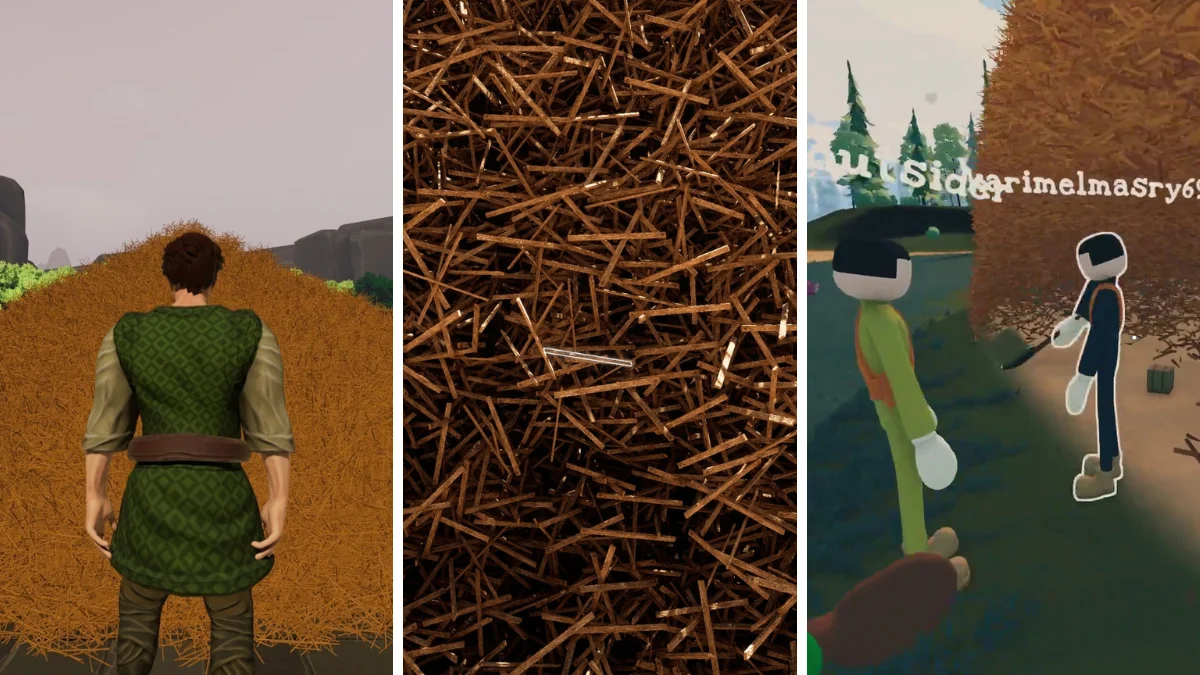
Old-school MMORPGs like RuneScape have long been a lightning rod for friendly ribbing, frequently characterized by critics as elaborate spreadsheets disguised as fantasy worlds where players endlessly—and sometimes mindlessly—watch digital digits climb upward. Yet, it is precisely this addictive core loop of resource gathering, leveling up, and skill progression that inspired solo developer Malcs to create Melvor Idle.
Billed as an idle adventure game that distills the classic MMORPG grind into its absolute "purest form," Melvor Idle embraces the core mechanics of RuneScape without requiring the active, second-by-second attention demanded by a traditional live-service game. Now, that relationship is moving from spiritual inspiration to official corporate synergy.
Publisher Jagex has officially announced a formal partnership with developer Games by Malcs to produce Melvor Idle 2: A RuneScape Adventure. While the original game leaned heavily on RuneScape mechanics, the upcoming sequel will proudly wear the official branding, bridging the gap between independent passion projects and legacy massively multiplayer online intellectual property.
Despite carrying the prestigious RuneScape moniker, the sequel will boldly chart its own course lore-wise. According to official Jagex communications, Melvor Idle 2 will not take place in Gielinor—the iconic fantasy world of the original RuneScape series. Instead, it will expand upon its own standalone universe while retaining the core game systems, combat mechanics, and skill trees that fans of both franchises have come to love.
Furthermore, in a move designed to alleviate long-standing anxieties among PC gamers regarding corporate monetization strategies, the development team has confirmed a major consumer-friendly feature: Melvor Idle 2 will feature absolutely zero microtransactions.
Chronology: From Indie Passion Project to Corporate Collaboration
To understand the weight of this new partnership, it is helpful to trace the unique historical trajectory shared by Jagex and Games by Malcs over the past half-decade.
2019–2020: The Birth of a Concept
Melvor Idle was initially developed by a single creator known as Malcs, who set out to build an idle game deeply inspired by the time he spent playing RuneScape. Released in early access, the game quickly captured the attention of the broader PC gaming community. It offered a clever compromise for aging gamers who loved the satisfaction of RuneScape’s progression systems but lacked the hundreds of hours required to actively grind skills like Woodcutting, Fishing, and Slayer in real-time.
Late 2021: The First Jagex Partnership
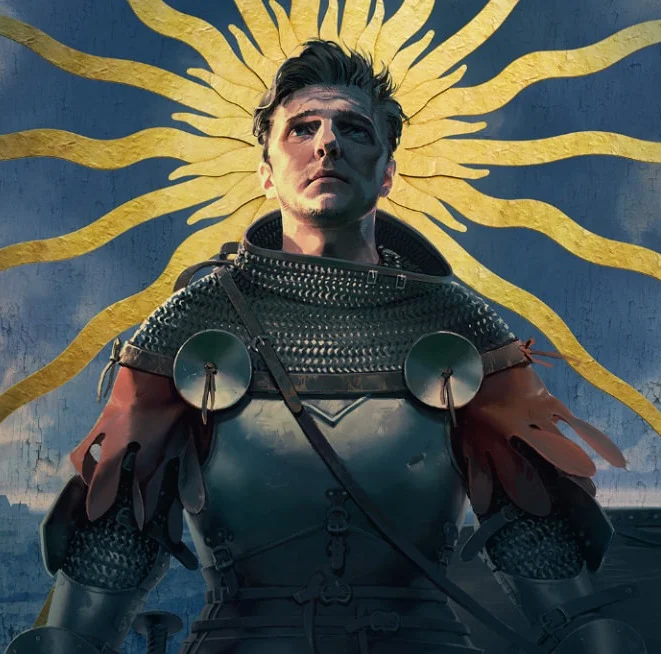
Recognizing the massive overlap in player bases and the respectful homage being paid to their intellectual property, Jagex stepped in. In late 2021, Jagex officially signed on as the publisher for Melvor Idle. This marked a watershed moment for Games by Malcs, transforming a solo indie endeavor into a professionally backed title with global reach.
However, this initial partnership was not without friction. When the publishing deal was first announced in late 2021, communities across platforms like Reddit expressed immediate skepticism. Given Jagex’s historical history with monetization experiments in RuneScape—ranging from controversial promotional events to optional microtransactions—fans worried that corporate oversight might ruin the pure, unadulterated nature of the indie idle game. Fortunately, those fears largely proved unfounded, as the game maintained its integrity, received continuous updates, and successfully launched expansions like Throne of the Herald.
2024–Present: The Announcement of Melvor Idle 2
Building upon years of successful collaboration and stable community management, Jagex and Games by Malcs have decided to double down on the formula. The formal announcement of Melvor Idle 2: A RuneScape Adventure signals a maturation of the partnership. Moving beyond simple publishing support, Jagex is lending its prestigious brand identity directly to the franchise, setting the stage for a major multi-platform release that promises to scale up every system from the original game.
Supporting Data and Gameplay Evolution: What’s New in the Sequel?
While the core philosophy of "numbers going up while you sleep or work" remains entirely intact, Melvor Idle 2 is not merely a fresh coat of paint. It represents a systematic overhaul of the mechanics, systems, and visual presentation that defined the first title.

Overhauled Visuals and User Interface
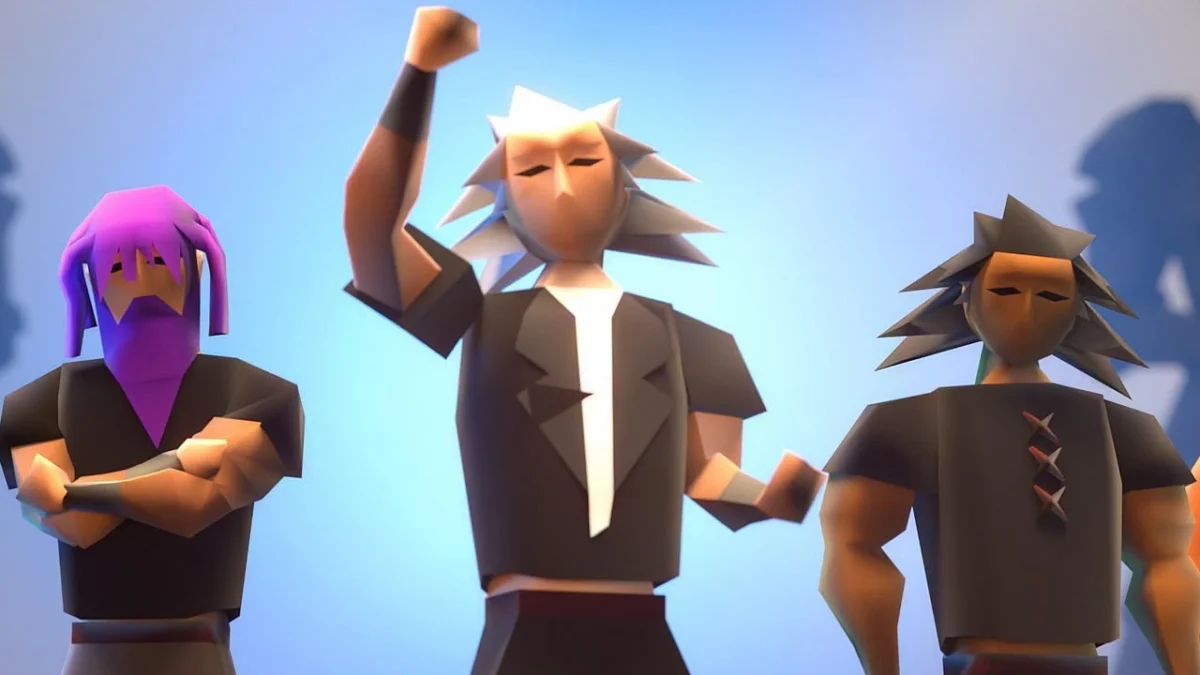
One of the most frequent critiques of the original Melvor Idle—and idle games in general—is their reliance on minimalist, text-heavy menus. While the sequel will retain the accessible, browser-friendly interface roots that made the original easy to play in a secondary monitor or mobile device, Games by Malcs has promised completely overhauled visuals. Character sprites, environment art, and inventory management screens are receiving a modern polish, bridging the gap between a utilitarian tracker and an immersive fantasy adventure.
The New Level Cap: 120 and Beyond
For veteran players, the grind is everything. In Melvor Idle 2, the progression ceiling is being raised significantly. The game will launch with a higher level cap of 120 for various skills, mirroring the modern progression standards introduced in titles like RuneScape 3 and Old School RuneScape. This expansion will require players to rethink their optimization strategies, idle loadouts, and resource allocation to efficiently conquer the game’s tougher challenges.
Expanded Skill Trees and Combat Mechanics
Combat in idle games often risks becoming a passive background process that players ignore entirely. The developers aim to rectify this by introducing deeper tactical choices regarding gear synergy, special attacks, potion management, and prayer usage. Gathering and crafting skills are similarly being expanded to offer more interconnected loops, ensuring that what a player harvests in Forestry directly feeds into Smithing, Herblore, and combat readiness.
Official Responses and Industry Perspectives
The announcement of Melvor Idle 2 has sparked widespread discussion across community forums, industry blogs, and social media channels. Jagex’s official launch blog laid out the philosophy behind bestowing the RuneScape Adventure title upon a game set outside of Gielinor:
"Melvor Idle takes a lot of inspiration from RuneScape and you can just feel it," the official Jagex announcement states. "Jagex’s support and branding is intended to help make the game even bigger… while Melvor Idle 2 doesn’t take place in Gielinor, we think a fan-built idle game inspired by our MMOs is more than worthy of the title."
This sentiment highlights a fascinating shift in how major game publishers view fan-made and heavily inspired indie titles. Rather than issuing cease-and-desist letters or ignoring adjacent genres, Jagex has demonstrated a willingness to nurture community talent, bringing successful creators into the corporate fold while preserving their creative autonomy.
Player reaction, once deeply suspicious back in 2021, has notably mellowed into cautious optimism. The explicit guarantee of no microtransactions has been highlighted by the community as a vital victory. In an era where mobile and idle gaming markets are frequently saturated with aggressive pay-to-win mechanics, energy meters, and real-money gating, Melvor Idle 2 stands out as a traditional premium or cleanly monetized experience that respects the player’s time and wallet.
Implications: What This Means for the Idle Gaming Genre
The partnership between Jagex and Games by Malcs carries several broader implications for both the idle gaming sector and the future of legacy MMO publishers.
1. Validation of the Idle Genre as a Legitimate Successor
Historically, idle and incremental games were viewed as novelty browser distractions—niche projects designed to run quietly in a tab while users did actual work. By formally branding Melvor Idle 2 as a RuneScape Adventure, Jagex is helping to elevate the entire idle genre. It proves that deep RPG progression loops, resource management, and long-term player investment can be successfully translated out of active 3D action environments and into streamlined, numbers-driven formats.
2. A New Blueprint for Publisher-Indie Relations
Major publishers often struggle to collaborate with indie developers without stifling their creative voice or alienating their core fanbases through aggressive monetization. Jagex’s handling of Games by Malcs serves as an interesting case study in cooperative publishing. By providing marketing muscle, technical support, and brand recognition while keeping creative control (and anti-microtransaction promises) intact, Jagex has fostered goodwill that traditional heavy-handed publishing models rarely achieve.
3. Nostalgia as a Service
As the generations of gamers who grew up playing early 2000s MMORPGs enter their thirties and forties, free time has become an increasingly scarce commodity. Games that respect a player’s lack of leisure time while still scratching the itch of legendary RPG progression are in massive demand. Melvor Idle 2 capitalizes directly on this demographic shift, allowing nostalgic fans to "play" RuneScape-style adventures while managing careers, families, and busy schedules.
Whether you are a veteran of the original Gielinor grind or a newcomer looking for a deeply satisfying idle strategy game to keep running on your second monitor, Melvor Idle 2: A RuneScape Adventure promises to deliver a refined, microtransaction-free experience when it eventually hits digital storefronts. And if the digital solitude ever gets to be too much, you can always imagine someone standing next to your idle woodcutter spamming "buying gf" in the chat window.