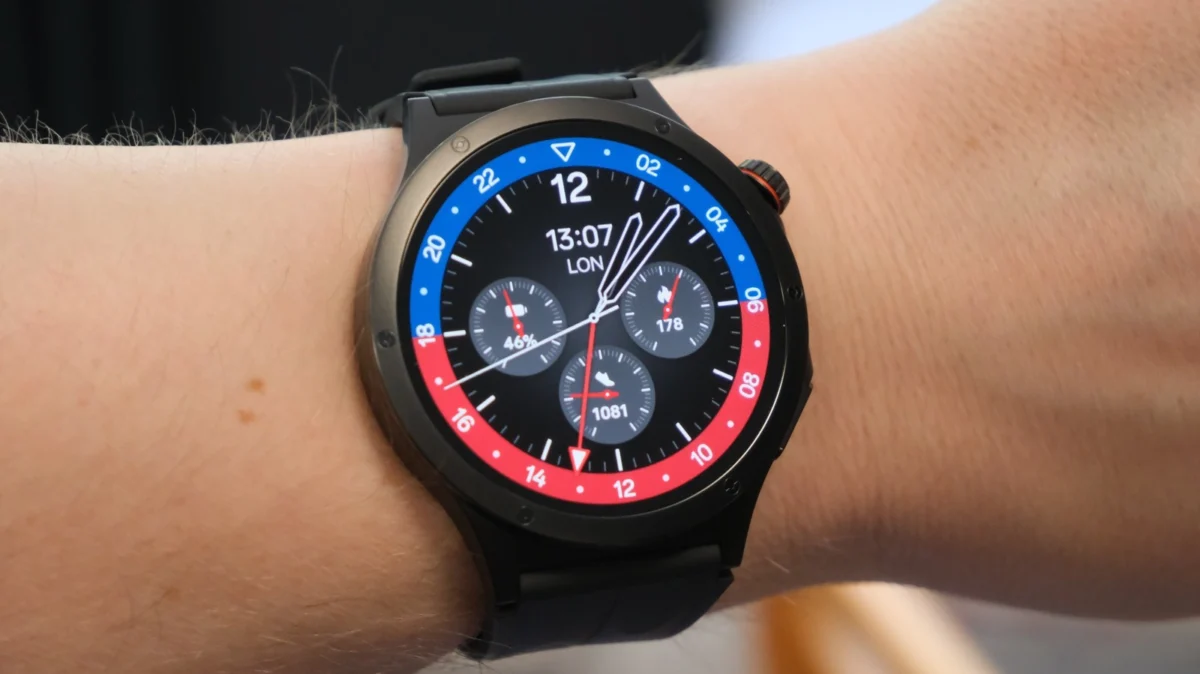
In the crowded landscape of modern wearables, most manufacturers have reached a silent consensus: sacrificing battery longevity for the sake of thin profiles and "lifestyle" aesthetics is a price consumers are willing to pay. Oppo, however, has decided to break that mold. With the launch of the Watch X3, the company is positioning itself as the champion of the "battery-first" philosophy, offering a device that outlasts its high-profile rivals from Samsung and Google while maintaining a premium, durable build.
Boasting a massive 646mAh battery and a robust titanium chassis, the Watch X3 is not just an incremental update; it is a direct challenge to the incumbents. While it faces hurdles—most notably its limited availability in the North American market and some lingering inconsistencies in its fitness tracking suite—it stands as one of the most compelling Wear OS 6 devices currently on the market.
Main Facts: Hardware and Specifications
At first glance, the Watch X3 feels remarkably familiar—and for good reason. It bears a striking resemblance to the OnePlus Watch 3. Given that Oppo and OnePlus share a common parent company, this overlap is perhaps unsurprising, especially amidst industry rumors that OnePlus may be shifting its focus away from western markets in favor of Oppo’s more established global footprint.
Technical Foundations
The hardware specifications suggest a high-performance pedigree:
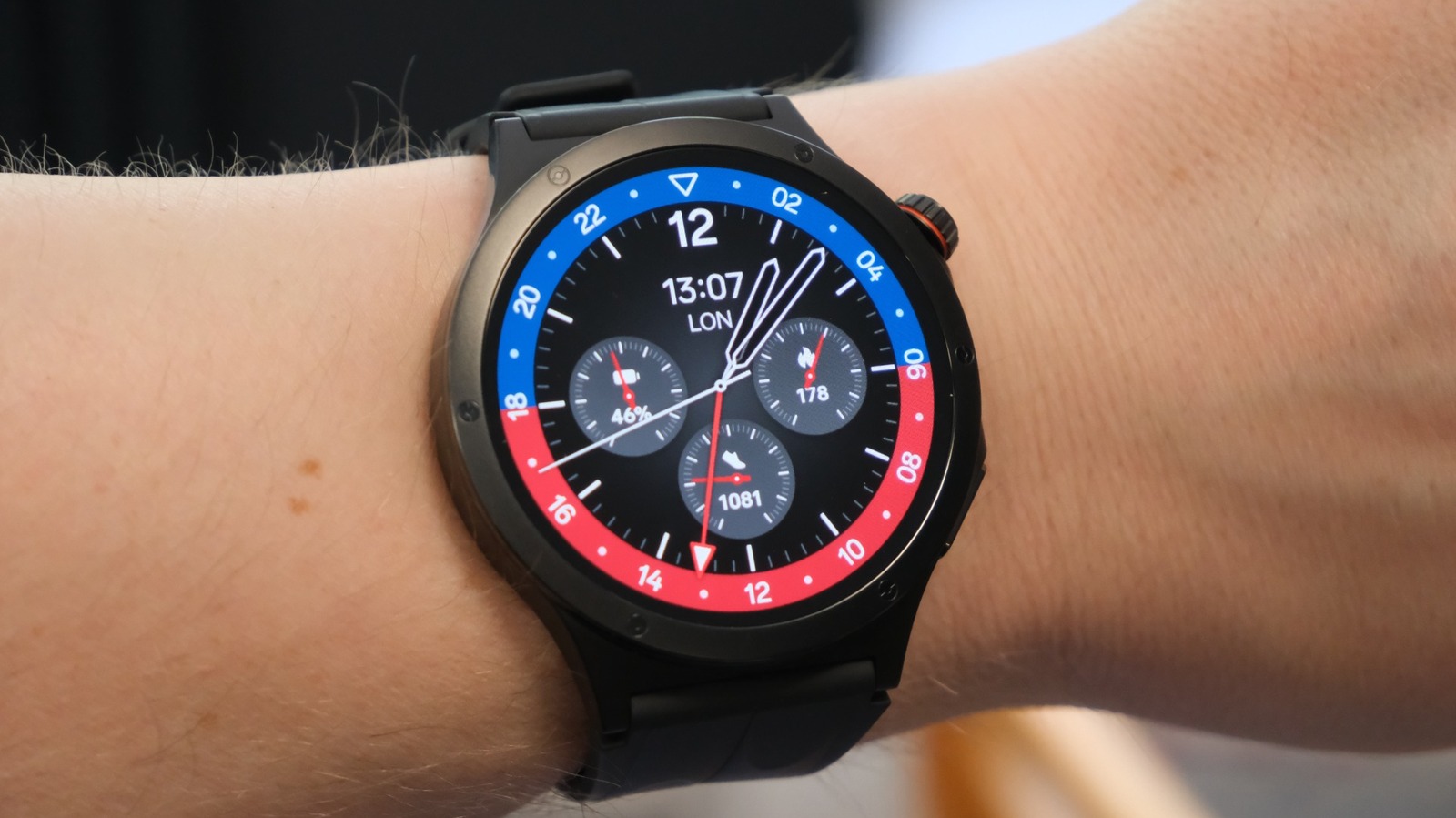
- Display: 1.5-inch 466 x 466 LTPO AMOLED screen, offering crisp visuals and deep blacks.
- Processor: A dual-processor configuration pairing the Snapdragon W5 for heavy lifting with a custom BES2800BP chip for efficient, low-power background tasks.
- Memory/Storage: 2GB of RAM and 32GB of internal storage, ensuring smooth multitasking and ample space for offline music and apps.
- Battery: A 646mAh cell with 10 percent silicon content, dwarfing the competition.
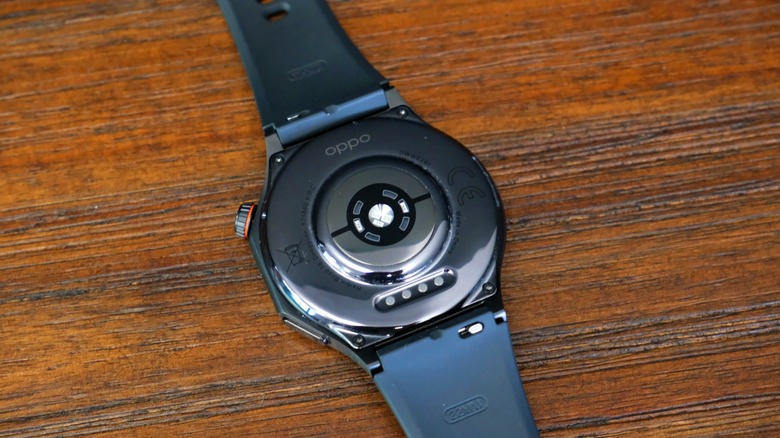
- Build: A 47mm titanium case, featuring a right-shoulder mounted crown and a secondary action button.
Unlike the diver-inspired aesthetic of the OnePlus Watch 3, the X3 opts for faux rivets around the bezel. This design choice gives it a rugged, utilitarian look that feels closer to the Garmin aesthetic, appealing to users who prefer a "serious" watch over the softer, more fashion-forward designs seen in the Apple Watch or Pixel Watch lines.
Chronology of the Testing Experience
To truly evaluate the Watch X3, I subjected the device to a two-week "rough and tumble" testing period, intentionally moving away from the "babying" approach often seen in light-use reviews.
Phase 1: Durability Testing
Over the first week, the watch was exposed to the rigors of manual labor, including heavy landscaping and soil excavation. Despite these conditions, the titanium case and screen crystal remained pristine. There were no chips, scratches, or dents, suggesting that the X3 is built for users who prioritize longevity and physical resilience.
Phase 2: Endurance and Battery Benchmarking
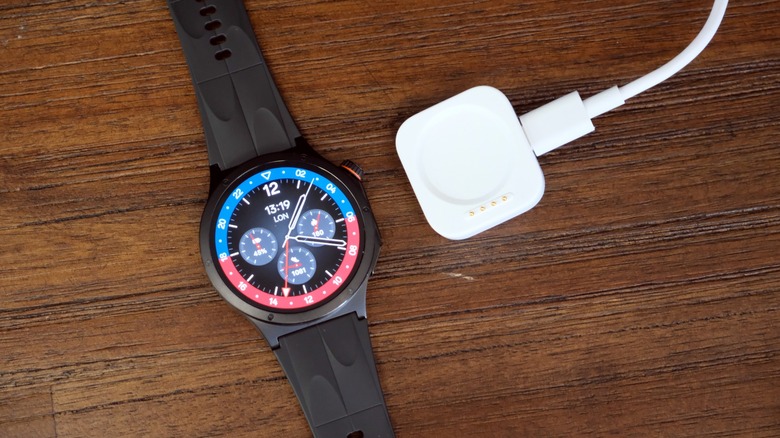
The most impressive metric was the battery life. In daily use with the Always-On Display (AOD) active from 8:00 AM to 9:00 PM, the watch consistently delivered three full days of performance. By disabling the AOD and relying on wrist-raise detection, that endurance extended to nearly five full days. This is a massive departure from the daily-charging cycle required by the Galaxy Watch 8 or the Pixel Watch 4.
Phase 3: Software and Interaction
The user experience, powered by Wear OS 6, proved snappy and fluid. Switching between apps was seamless, with no noticeable lag. However, the software isn’t without its growing pains. Initial setup issues included an accidental early-morning alarm due to an improperly configured sleep mode, and occasional UI bugs where watch faces would switch spontaneously.
Supporting Data: Fitness and Performance Metrics
The fitness tracking suite on the Watch X3 presents a mixed bag. While the hardware is top-tier, the software interpretation of activity data remains inconsistent.
Automatic Workout Detection
The automatic tracking is a tale of two extremes. During a walk, the watch was impressively accurate, retroactively capturing the start of the exercise perfectly. However, during high-intensity manual labor (such as digging), the watch failed to register the activity, despite recording elevated heart rates and significant caloric burn.
Comparative Health Metrics
When compared to dedicated health trackers like the Oura or Ultrahuman rings, the X3’s health data felt less refined. Specifically:
- Sleep Tracking: The X3 consistently overestimated sleep duration compared to the rings.
- Heart Rate Variability: There was a notable variance in resting heart rate and peak heart rate data, suggesting that while the X3 is great for general monitoring, it may lack the clinical-grade precision desired by fitness enthusiasts.
The "Gemini" Integration
The watch’s integration with Google’s Gemini AI allows for voice-based queries directly from the wrist. While the built-in speaker can sound "tinny" and prone to distortion at high volumes, the inclusion of native Wi-Fi is a major win. It allows for AI interaction even when the user’s phone is out of range, making it a genuinely useful tool for setting timers or managing smart home devices.
Official Responses and Market Context
While Oppo has not released a formal statement regarding the "rebadging" concerns, the industry trajectory is clear. The Watch X3 is being marketed as a premium, durable alternative to the more consumer-centric wearables currently dominating the US market.
The "Short Video Control" feature—which allows users to scroll through TikTok and YouTube Shorts via the watch face—is a niche inclusion that hints at the company’s focus on Gen-Z and social-media-heavy demographics. While some may view it as a gimmick, it underscores Oppo’s willingness to experiment with UI functionality that others simply ignore.
Implications: A Strategic Choice
The primary implication of the Watch X3 is the widening gap between what consumers want and what manufacturers are willing to provide. By prioritizing a 646mAh battery, Oppo has proven that a multi-day Wear OS device is not just a dream—it is a functional reality.
The "US Availability" Problem
The most significant hurdle remains the lack of official distribution in the United States. Potential buyers must source the device through importers, which carries risks regarding warranty support and cellular band compatibility. This creates an "insider" market, where only those willing to navigate the complexities of international tech imports can access what is arguably the most capable Android-compatible smartwatch on the market.
Final Assessment
The Oppo Watch X3 is a triumph of hardware engineering. It successfully bridges the gap between a high-end, rugged sports watch and a sleek, modern smartwatch. While the fitness tracking algorithms need refinement and the software requires more granular customization, the device succeeds where it matters most: it respects the user’s time by requiring less of it at the charging dock.
For the user who is tired of the "daily charge" cycle and wants a device that feels like a tool rather than a piece of delicate jewelry, the Watch X3 is not just an option—it is the new gold standard for the Wear OS ecosystem. If you are willing to jump through the hoops of importing one, you will find a device that offers a superior experience to the mainstream competition.