The landscape of artificial intelligence is shifting rapidly from passive conversational interfaces to active, task-oriented agents. In a significant move that underscores this evolution, SpaceXAI has officially launched the early public beta of "Grok Bot," a sophisticated agent platform designed to act as a digital teammate. Unlike traditional chatbots that merely generate text, Grok Bot is engineered to interface directly with your professional software ecosystem—including Gmail, LinkedIn, and Salesforce—to execute complex, multi-step workflows on your behalf.
As businesses and power users look for ways to automate the drudgery of administrative labor, Grok Bot emerges as a compelling, albeit experimental, solution. However, navigating the current AI ecosystem can be confusing, particularly given the naming conventions within the SpaceXAI and Cursor product families.
Main Facts: What is Grok Bot?
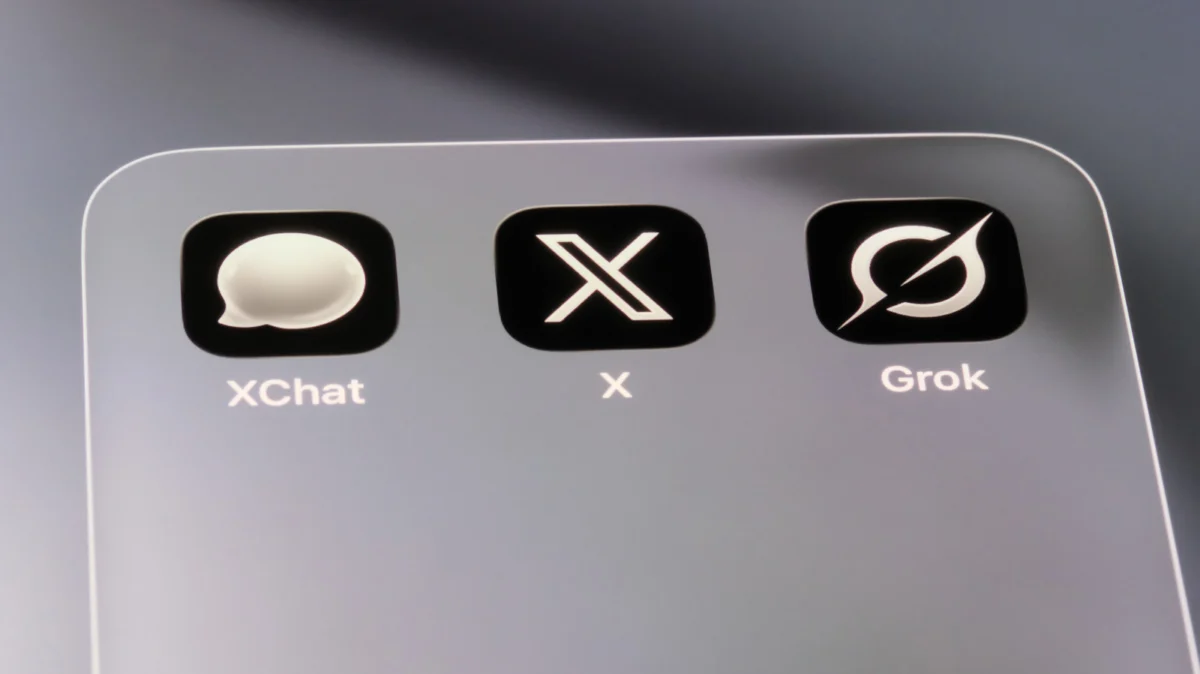
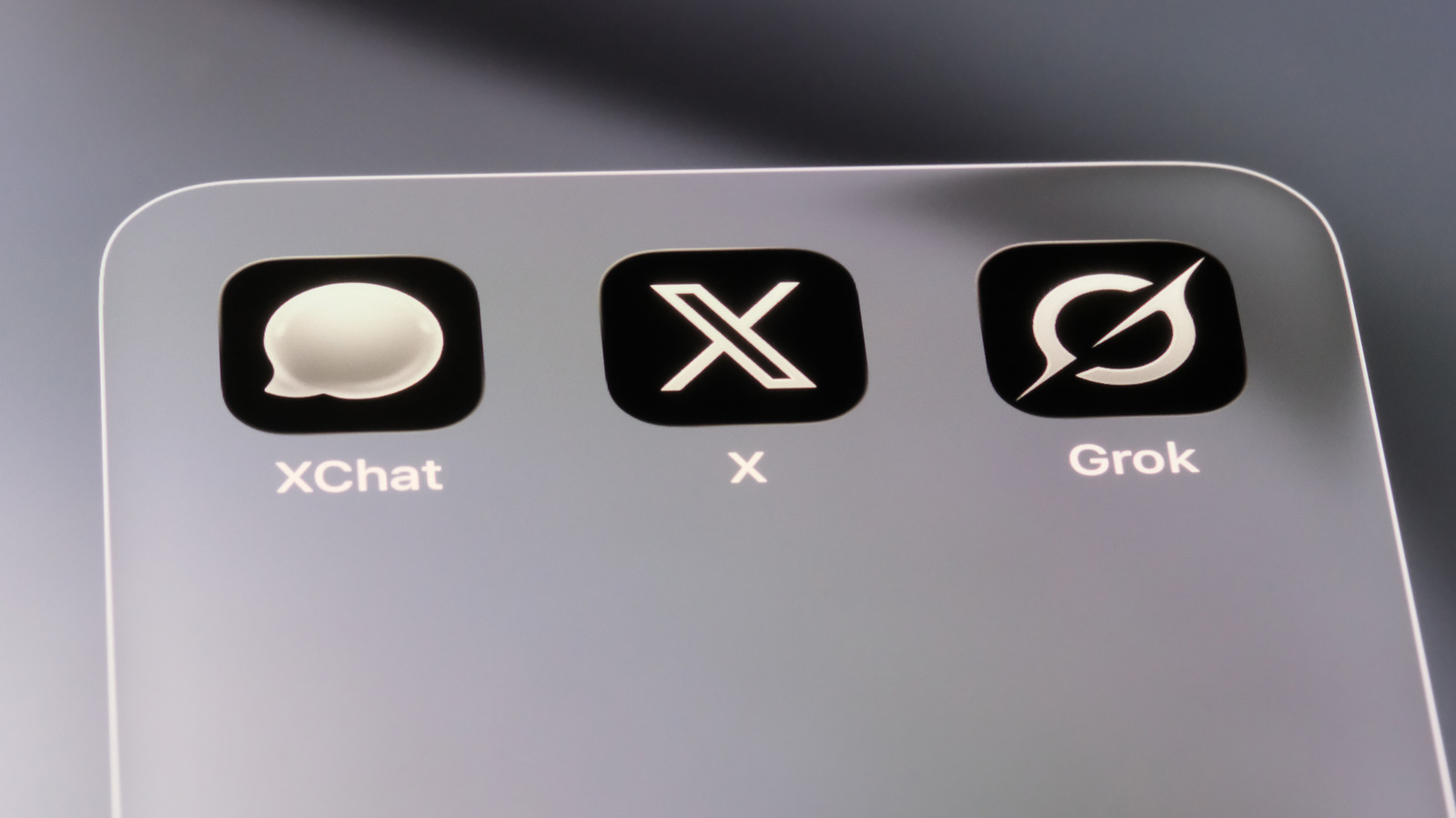
At its core, Grok Bot is a specialized agent designed for delegation. While the name "Grok" has become synonymous with the chatbot integrated into the X social media platform, Grok Bot represents a distinct technological leap.
Distinguishing the Ecosystem
To understand Grok Bot, one must differentiate it from its siblings:
- "Regular" Grok: A conversational assistant primarily used for querying information and generating text-based responses.
- Grok Build: A dedicated coding agent that operates within a terminal environment, capable of writing, editing, testing, and deploying software.
- Grok Bot: A versatile, autonomous work assistant. It functions as an agent that can be assigned specific operational tasks.
Grok Bot was originally developed by the AI startup Cursor—previously known by the internal codename "Sand"—and now benefits from the robust compute infrastructure provided by SpaceXAI. Users can deploy one or multiple bots, all of which run on a shared cloud environment. These bots are capable of working asynchronously, continuing to process tasks even while the user is offline or engaged in other work.
Chronology: From Cursor to Public Beta
The trajectory of Grok Bot reflects the broader trend of consolidation in the AI industry.
- Pre-Acquisition Phase: The underlying technology was nurtured by Cursor, a company focused on AI-driven development environments. The project, then codenamed "Sand," was designed to bridge the gap between AI reasoning and real-world application execution.
- Strategic Integration: Following the acquisition of Cursor by SpaceXAI, the technology was folded into the broader SpaceXAI product suite. This integration allowed the agent platform to tap into more powerful models and a wider cloud infrastructure.
- August 2024 Launch: SpaceXAI formally opened the early public beta of Grok Bot. This release marked the transition from internal testing to external user feedback, signaling the company’s intent to compete directly in the "agentic" AI space.
- Current State: As of late 2024, the platform remains in a "beta" status. This is a critical designation, as it implies that the software is undergoing rapid iteration, with features, security protocols, and reliability metrics subject to frequent change.
Supporting Data: Eligibility and Access
Access to this early beta is currently gated behind specific premium subscriptions. SpaceXAI has tiered access to ensure that the early user base is composed of "power users" who can provide high-quality feedback.
Who Can Participate?
To activate a Grok Bot instance, users must hold one of the following active subscriptions:
- SpaceXAI Plans: SuperGrok Plus or SuperGrok Heavy.
- Cursor Plans: Cursor Pro+, Cursor Ultra, Cursor Teams Standard, or Cursor Teams Premium.
The software is cross-platform, featuring native support for macOS, Windows, iOS, and Android. The primary entry point for users is the official x.ai/bot portal, which detects the user’s operating system to provide the appropriate installer. For users operating across multiple platforms, a "More Downloads" section provides access to alternative installers.
Official Responses and Development Philosophy
SpaceXAI’s approach to the development of Grok Bot is defined by a "learning by observing" philosophy. According to company documentation, the bots are designed to learn workflows by watching the user complete tasks in real-time. By observing the sequence of clicks, data entry, and navigation, the agent builds a "routine" that it can later replicate, adjust, and optimize.
The company emphasizes that this is not a finished product. The "early beta" label is not merely a formality; it is a warning. SpaceXAI has been transparent about the fact that early users will encounter bugs, login inconsistencies, and shifting subscription requirements. The goal of this phase is not just to provide a utility, but to gather the telemetry and user-behavior data necessary to refine the agent’s decision-making logic.
Implications: The Future of Delegation
The arrival of Grok Bot signals a fundamental shift in how we interact with digital tools. We are moving from an era of "command-line interaction" to an era of "intent-based delegation."
The Promise of Efficiency
The primary value proposition of Grok Bot is the elimination of "context switching." For an employee, the need to jump between a CRM like Salesforce, an email client, and a social media management tool is a major source of cognitive load. By delegating these tasks to an agent, users can focus on high-level strategy while the agent handles the execution.
The Security and Ethical Frontier
However, this convenience comes with significant risks. Grok Bot, by design, requires access to sensitive environments. It can read your inbox, manage your social media presence, and manipulate professional data.
SpaceXAI and the industry at large are facing a "trust deficit." To mitigate this, developers are advised to:
- Start Small: Begin with low-risk tasks like summarizing documents or organizing research notes.
- Maintain Human-in-the-Loop (HITL): Keep approval mechanisms enabled. For any action that involves sending messages, altering records, or exposing screen recordings, the bot should be required to pause and await manual confirmation.
- Audit Permissions: Regularly review the "digital footprint" of your agents. Ensure they only have access to the specific tools they need to perform their designated functions.
The Competitive Landscape
SpaceXAI is not alone in this race. With major tech players like OpenAI, Microsoft, and Google all vying to build the "definitive" AI agent, the market is becoming crowded. The success of Grok Bot will likely depend on two factors: its ability to integrate seamlessly with third-party software and the reliability of its reasoning engine in "unscripted" scenarios.
If the agent can consistently handle the nuances of a complex work environment without hallucinating or taking unauthorized actions, it could redefine productivity for millions of professionals. Conversely, if the early beta is plagued by instability or security concerns, it may serve as a cautionary tale about the limits of current AI autonomy.
Conclusion
Grok Bot is a bold, experimental step into the future of autonomous agents. By bridging the gap between conversational AI and functional task execution, SpaceXAI is betting that the next great productivity tool won’t just talk—it will do. While it is currently limited to a select group of power users and is prone to the unpredictability of early-stage software, its potential to fundamentally change the way we approach daily work is undeniable. As the beta matures, the industry will be watching closely to see if Grok Bot can fulfill its promise of being the first truly reliable, cross-platform digital teammate.