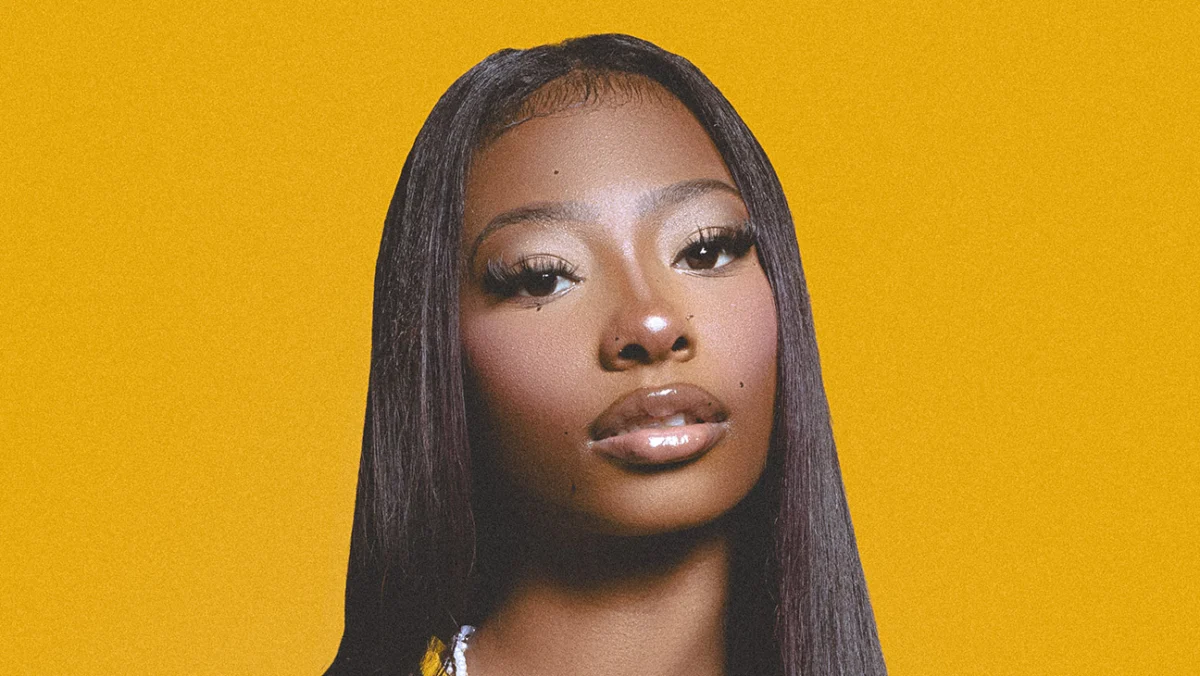
The landscape of reality television stardom is shifting, and Trinity Tatum is at the forefront of this evolution. Fresh off a historic victory on Peacock’s Love Island USA, the Newport News, Virginia native has secured representation with the powerhouse talent agency WME. This strategic partnership marks more than just a standard post-show management deal; it represents a calculated effort by one of Hollywood’s top agencies to harness the massive, digitally native influence of reality TV’s newest breakout stars.
The Main Facts: A Strategic Power Play
Following her triumphant win alongside partner Bryce Dettloff in the eighth season of Love Island USA, Trinity Tatum has officially joined the ranks of WME’s high-profile client roster. The move, announced shortly after the season finale, positions the model and influencer to pivot from a television personality into a multifaceted brand.
Tatum, who captured the hearts of millions and walked away with a $100,000 cash prize, is now setting her sights on long-term career sustainability. Under the guidance of WME, she is expected to expand into diverse verticals, including high-fashion modeling, television hosting, digital content creation, and curated brand partnerships. For WME, the signing is a testament to the changing value of the "reality influencer"—a category of talent that brings a built-in, highly engaged audience that traditional stars often spend years cultivating.
Chronology: From Newport News to Global Stardom
To understand the gravity of Tatum’s rise, one must look at the timeline of her trajectory.
- Pre-Villa Era: Before entering the Love Island villa, Tatum had already established herself as a formidable force in the digital space. Her ability to cultivate a following of 6 million across Instagram and TikTok provided the foundation for her reality TV success.
- The Season 8 Run: Premiering on June 2, the eighth season of Love Island USA proved to be a ratings juggernaut. With the return of fan-favorite host Ariana Madix—who brought her own "scandal-to-stardom" cachet to the franchise—and the sharp, witty narration of Iain Stirling, the show reached new cultural heights.
- The Finale: Tatum and Dettloff navigated the complexities of the villa, ultimately emerging as the fan-voted winners. Their chemistry, coupled with Tatum’s undeniable screen presence, made them the clear breakout stars of the season.
- The Post-Villa Pivot: Immediately following the finale, the industry began its race to claim the season’s top talent. Tatum’s signing with WME stands as the most significant deal of this cycle, signaling that her team is looking toward a long-term professional trajectory rather than a quick cash-grab.
Supporting Data: The Influencer-to-Agent Pipeline
The decision by WME to sign Tatum is backed by clear market trends. Reality TV contestants are no longer viewed as "15-minute" curiosities; they are now seen as essential assets in the modern attention economy.
Tatum’s 6 million social media followers provide her with a direct-to-consumer platform that is invaluable to brands. In an era where traditional media reach is fragmented, a talent who can move product and drive social conversation with a single post is a goldmine for agencies.
Furthermore, the industry is seeing a "gold rush" for Love Island talent. Fellow contestant Jen Terry’s recent signing with Motive underscores this shift. Hollywood talent agencies, once hesitant to touch reality TV stars, are now actively poaching them as soon as the cameras stop rolling. This reflects a broader industry belief that the Love Island demographic—primarily Gen Z and younger Millennials—is the most coveted consumer base in the world.
The "Exclusivity" Hurdle: Navigating the Fine Print
Despite the excitement surrounding the signing, Tatum and WME must navigate the complex legal and contractual landscape that governs reality television. As is standard for the Love Island franchise, participants are subject to a one-year exclusivity period.
This clause acts as a buffer, preventing stars from jumping onto competing reality formats or television projects that might dilute the Love Island brand. While this can sometimes be seen as a constraint, for a talent like Tatum, it provides a much-needed "incubation" period.
Industry experts suggest that this year of exclusivity is actually a strategic blessing. It allows talent to focus on building their personal brands, negotiating long-term fashion deals, and developing digital content strategies without the pressure of jumping into another high-stakes television production. WME’s strategy, sources say, is to spend this year "brand-building" so that when the exclusivity window lifts, Tatum is ready to launch into a permanent role in scripted media or major broadcast hosting.
Implications: The New Definition of "Reality Star"
The signing of Trinity Tatum to WME serves as a case study for the professionalization of reality TV fame.
1. The Death of the "Flash in the Pan"
In the past, reality stars often struggled to translate their televised popularity into legitimate careers. Today, with the integration of personal social media platforms, the "career" exists independently of the show. Tatum’s ability to leverage her massive TikTok and Instagram following means that her career is not tethered to a television network’s whims.
2. The Agency’s Role as Incubator
WME is no longer just "booking" talent; they are acting as business incubators. By working with Tatum to curate her voice and influence, the agency is effectively turning her into a media company. We should expect to see her name attached to everything from sustainable fashion lines to digital production studios, moving far beyond the stereotypical "Instagram brand ambassador" trope.
3. The "Ariana Madix Effect"
The presence of Ariana Madix as host is not incidental. Madix, who successfully transformed her own reality TV experience into a broader career in theater and hosting, serves as the ultimate blueprint for the current class of Love Island contestants. Her success has provided a roadmap for others, proving that a reality platform can be a launchpad for legitimate professional longevity.
Looking Ahead
As Trinity Tatum begins her journey under the WME umbrella, the eyes of the industry will be watching to see how she balances her reality TV roots with her aspirations for mainstream media dominance.
The strategy is clear: focus on authentic engagement, prioritize high-value brand partnerships, and build a creative voice that transcends the "Islander" label. While the one-year exclusivity period may limit her television appearances, it is likely that the coming months will see Tatum’s influence grow in the worlds of high fashion and digital media.
For the talent agency, the investment is low-risk and high-reward. For Tatum, it is the transition from "contestant" to "client"—a move that cements her status as one of the most bankable stars to emerge from the Love Island villa to date. As the industry continues to evolve, one thing remains certain: the days of the reality TV star being an afterthought in Hollywood boardrooms are officially over. Trinity Tatum is not just winning a competition; she is winning the long game.