For over a decade, Silent Hill: Downpour has existed in a state of digital purgatory. Released in 2012 for the Xbox 360 and PlayStation 3, the title—developed by Vatra Games—remains one of the most polarizing entries in Konami’s legendary psychological horror franchise. While it lacked the refined mechanical polish of the original Team Silent classics, it introduced a semi-open world structure and an array of evocative sidequests that helped it carve out a dedicated, albeit niche, cult following.
For years, the only way to experience Murphy Pendleton’s journey through the fog was to dust off aging console hardware or rely on the hit-or-miss performance of emulators like RPCS3. However, a dedicated modder going by the handle "Indie_RU" is currently working to change that. By spearheading a native PC port, this project promises more than just compatibility; it aims to be the definitive version of the game, featuring restored content that was left on the cutting room floor over twelve years ago.
The Facts: A Native Resurrection
The project, currently showcased in a series of development trailers, is a ground-up effort to port the game’s engine to Windows. Unlike simple "wrapper" mods that force an old game to run on modern DirectX APIs, a native port involves translating the game’s underlying code so that it communicates directly with PC hardware.
The benefits are substantial. Players can expect:
- Uncapped Framerate: Eliminating the stutters and sluggish performance that plagued the original console releases.
- High-Resolution Support: Native 16:9 and ultrawide support, allowing the oppressive, fog-drenched environments to shine on modern high-definition monitors.
- Content Restoration: The most significant draw for series veterans. The port is actively reintegrating deleted cutscenes, notes, and dialogue lines that were excised during the game’s original development cycle.
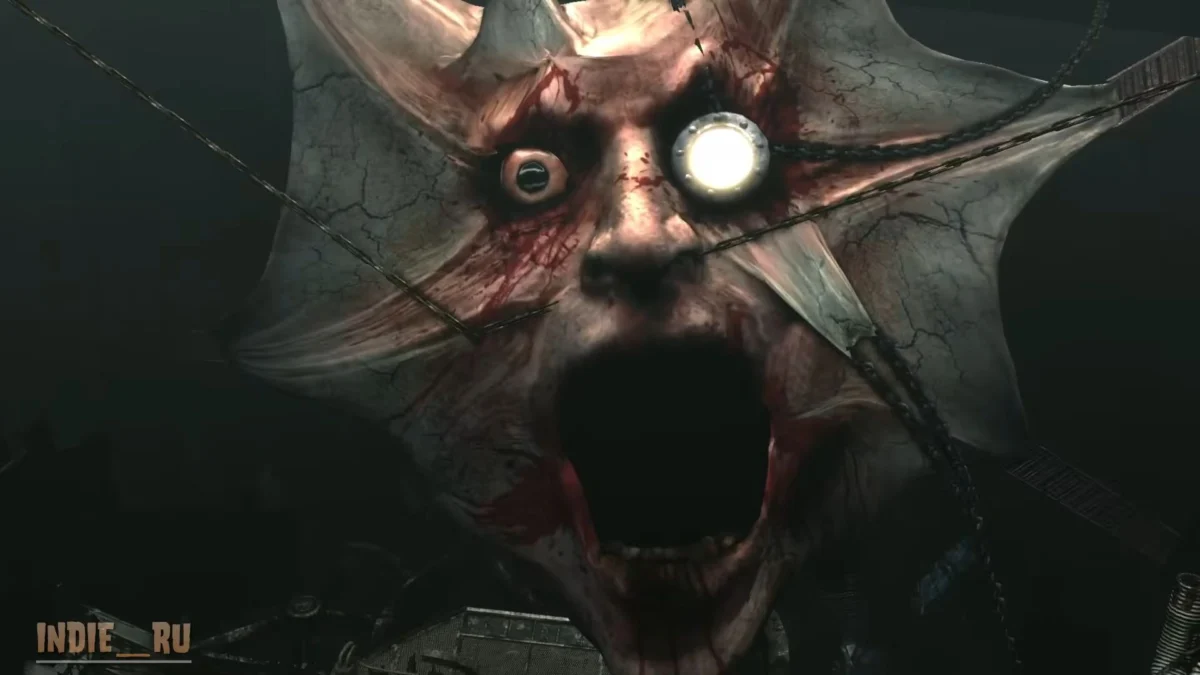
Perhaps most exciting for fans is the inclusion of previously unseen gameplay elements. Reports confirm the inclusion of the "Monocle Man"—a boss encounter that appeared in early promotional materials but was relegated to a mere cameo in the final retail version. Additionally, players will finally have access to the Bogeyman’s hammer, a weapon previously unavailable in the base game.
A Chronology of Conflict: Silent Hill’s Western Era
To understand the significance of this port, one must understand the tumultuous history of the Silent Hill series during the 2000s and 2010s. Following the dissolution of the internal "Team Silent" in Japan, Konami shifted the franchise’s development to Western studios.
The Era of Experimentation (2007–2012)
- Silent Hill: Origins (2007): Developed by Climax Studios, this PSP title was a functional, if safe, prequel.
- Silent Hill: Homecoming (2008): Double Helix Games attempted to modernize the combat, resulting in a title that many felt strayed too far into action-oriented tropes, losing the series’ signature vulnerability.
- Silent Hill: Shattered Memories (2009): A reimagining of the first game, celebrated for its unique "psychological profile" system but criticized for its lack of traditional combat.
- Silent Hill: Downpour (2012): Vatra Games’ entry. It attempted to synthesize the open-world exploration of Shattered Memories with the combat mechanics of Homecoming. While the plot—centering on an escaped convict confronting his past—was criticized for treading well-worn ground established by Silent Hill 2, the side-content was widely praised for its atmosphere and world-building.
The Long Silence (2013–2022)
After the cancellation of Hideo Kojima’s Silent Hills (P.T.) in 2015, the mainline series entered a decade-long hiatus. During this time, Downpour became increasingly difficult to acquire, as it was never ported to PC or modern consoles, and was eventually removed from digital storefronts due to licensing issues.
Supporting Data: The Value of Restoration
Why go through the effort of porting a game that was met with mixed critical reception? The answer lies in the "lost" nature of the game’s sidequests.
While the main narrative of Downpour was frequently derided for its derivative nature, the optional content offered some of the most haunting storytelling in the series. One notable quest, which tasks the player with following color-coded ribbons to uncover the fate of a missing child, serves as a masterclass in environmental storytelling.
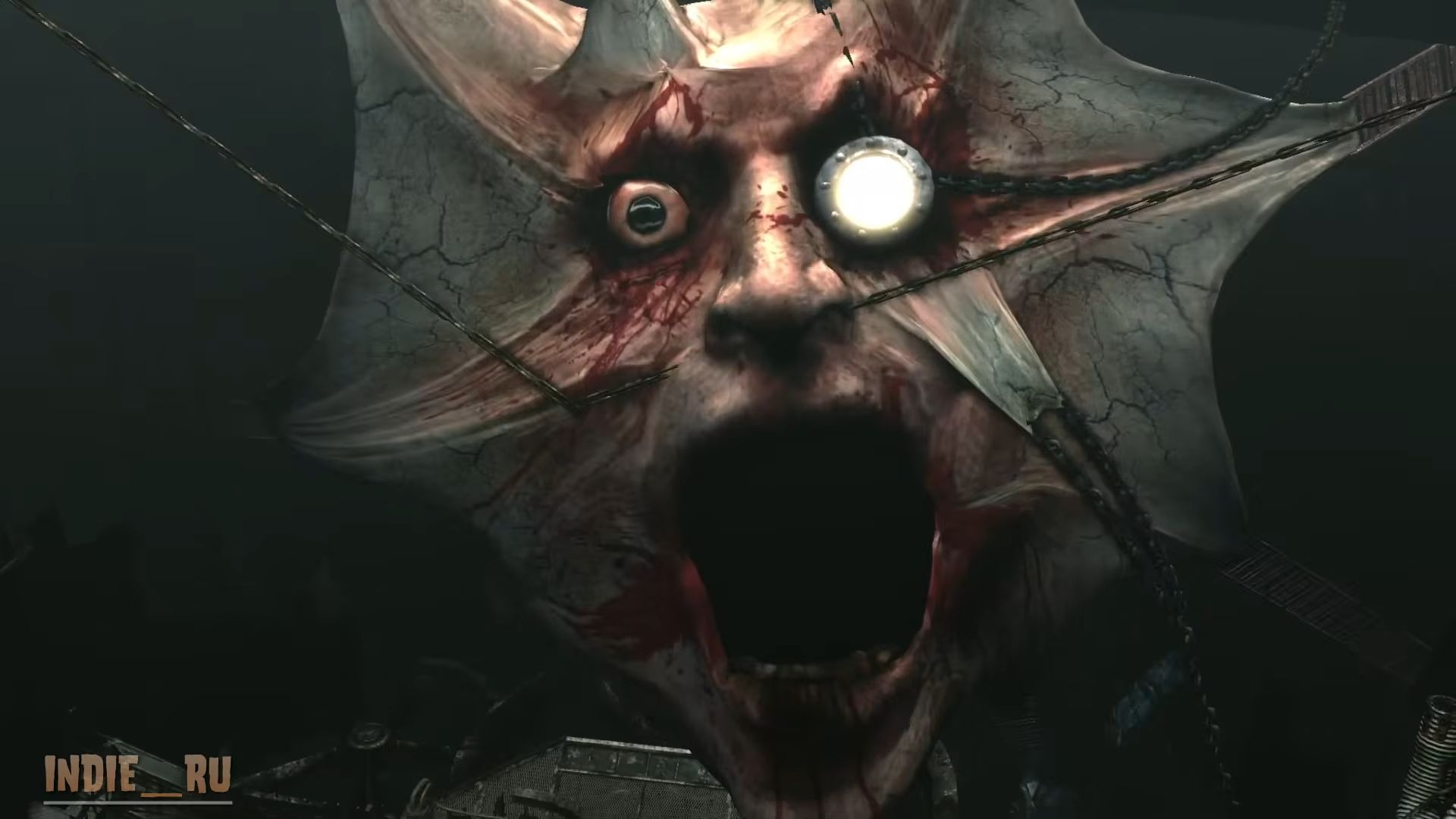
Indie_RU’s project effectively acts as a "Director’s Cut." In game development, the "crunch" period often leads to the removal of fully modeled assets and scripted events to meet release deadlines. By restoring the "Monocle Man" boss battle, the developer is not just fixing bugs; they are providing a glimpse into the original vision Vatra Games intended to ship. This creates a historical record, allowing researchers and fans alike to see how the game’s design evolved from concept to shelf.
Official Responses and Industry Context
Konami has remained largely silent regarding the fan-made port, a position consistent with their general stance on community-driven projects. While the company has recently revitalized the franchise with the Silent Hill 2 remake by Bloober Team and the announcement of Silent Hill: Townfall, their focus remains firmly on internal and licensed professional projects.
Industry analysts suggest that fan-made ports occupy a legal "grey area." As long as the project does not charge for the game and requires the user to own the original assets, companies like Konami have historically allowed them to proceed. However, the presence of these projects often highlights a "legacy gap"—a failure by major publishers to preserve their back catalogs for modern platforms.
Screen Burn Interactive’s upcoming Silent Hill: Townfall is expected to be a radically different, more experimental take on the series. With the community currently focused on this new direction, the Downpour PC port serves as a bridge, allowing the old guard of the franchise to remain relevant while new stories are told.
Implications: The Future of Preservation
The Silent Hill: Downpour native PC port is a testament to the power of the "modding" community. It represents a shift in how we view game preservation. Rather than relying on official re-releases—which are often subject to botched remasters or subscription-locked services—the community is taking the preservation of gaming history into its own hands.
The Impact on Modern Horror
The success of this port could influence how smaller horror titles are treated in the future. By demonstrating that there is a viable, high-quality way to play legacy games on PC, it puts pressure on publishers to either authorize these ports or provide their own high-quality remasters.
Looking Ahead: The September/October Window
The project is tentatively scheduled for release between September and October of this year. This timing is significant, as it aligns with the anticipated release of other Silent Hill content. The industry is currently watching to see if this surge in Silent Hill content—both official and fan-made—can breathe new life into the franchise.
For now, the fog remains thick, but for the first time in over a decade, there is a clear path forward for Murphy Pendleton. The work of Indie_RU serves as a reminder that even the most flawed games can find redemption, provided they are given the chance to exist on the right hardware, in their most complete form. As the community waits for the final build, the anticipation is a clear sign: the town of Silent Hill still holds a powerful grip on the imaginations of players, regardless of how many years have passed.