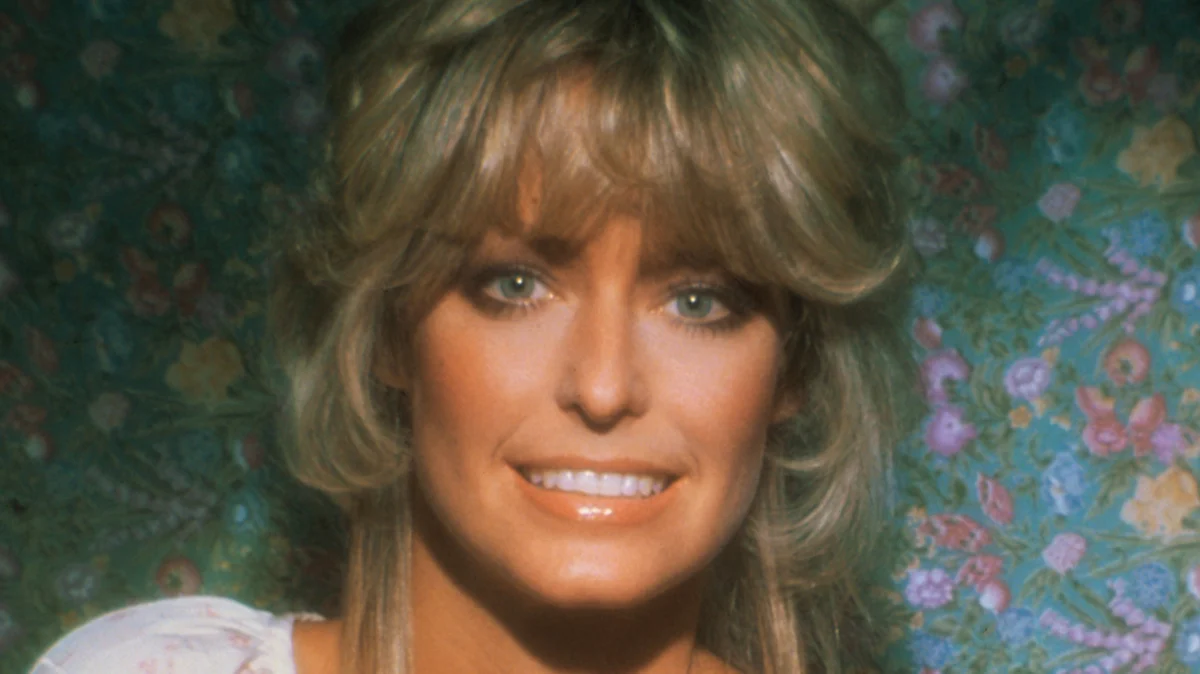
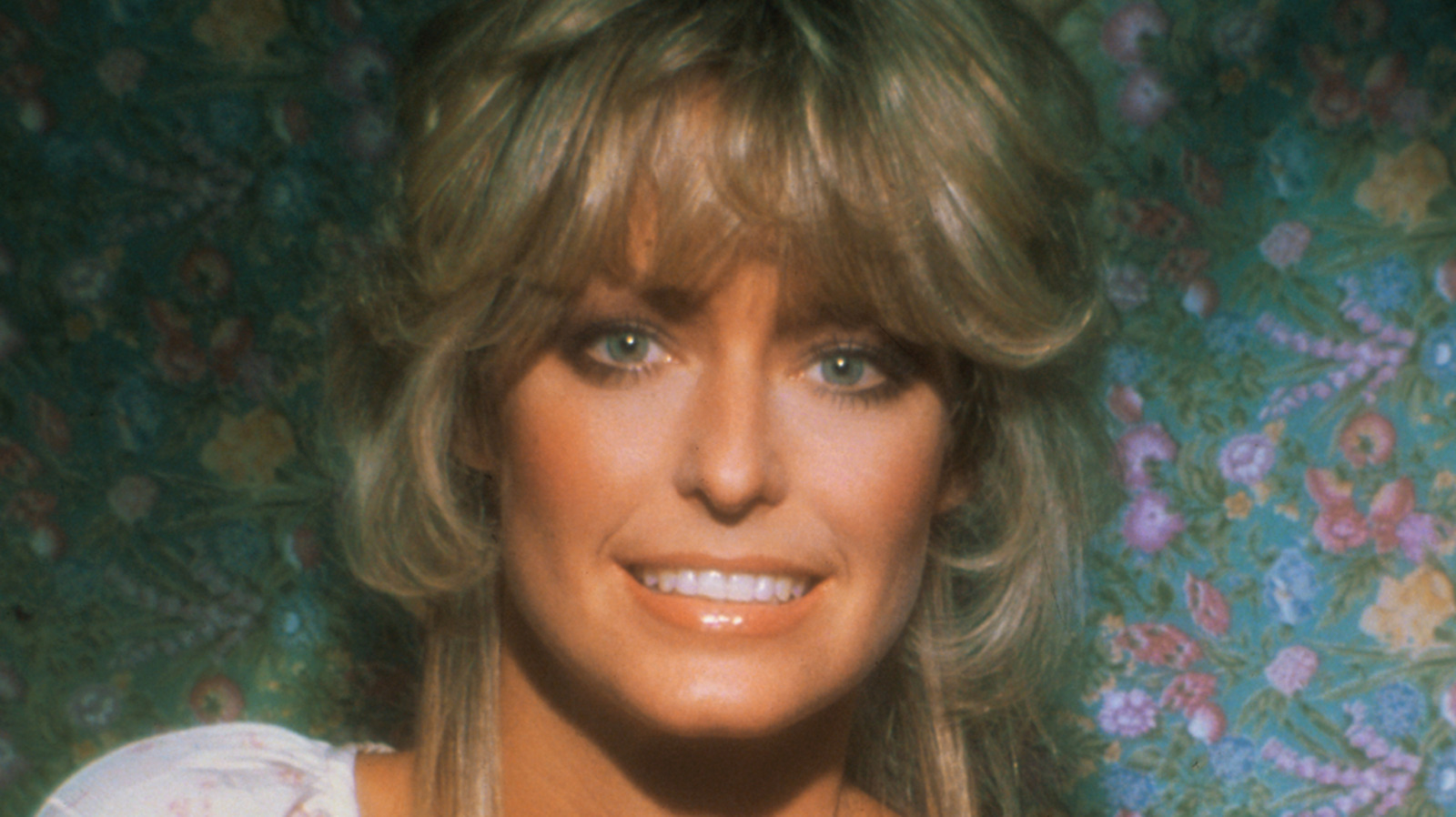
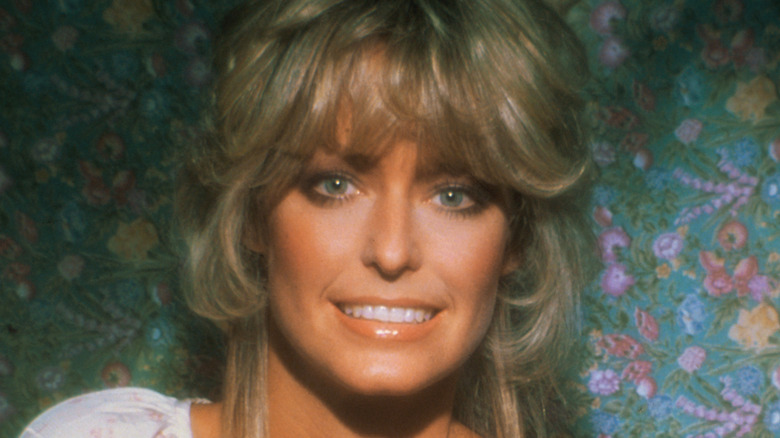
Half a century ago, a television phenomenon was born that would permanently alter the landscape of American pop culture. Fifty years ago today, the cultural touchstone known as Charlie’s Angels officially premiered on ABC, on September 22, 1976. This milestone follows the successful 90-minute movie pilot that had aired earlier in March of that same year. Created by Ivan Goff and Ben Roberts and executive produced by Aaron Spelling and Leonard Goldberg, the series focused on three brilliant, independent female private investigators who took orders exclusively from an unseen, mysterious billionaire boss named Charlie Townsend.
The original trio—comprising Farrah Fawcett as Jill Munroe, Kate Jackson as Sabrina Duncan, and Jaclyn Smith as Kelly Garrett—was an instant, meteoric success with audiences. The show became the number one program of its season, captivating millions of households across the nation. At the epicenter of this craze was Farrah Fawcett. Although she had worked in the industry for years and was already married to The Six Million Dollar Man star Lee Majors, Charlie’s Angels propelled Fawcett into a stratospheric level of global fame. Her iconic persona as the ultimate 1970s blond bombshell, cemented by the legendary red swimsuit poster published by Pro Arts in 1976 that sold millions of copies worldwide, turned the show into a merchandising juggernaut and a defining emblem of the decade.
Despite its phenomenal success and cultural footprint, the original lineup was short-lived. Fawcett shocked the entertainment industry by departing the series after only a single season, triggering legal battles, a famous casting replacement, and a lasting legacy that has spanned cinematic reboots, failed revivals, and five decades of pop culture fascination.
Chronology of the Charlie’s Angels Phenomenon
To understand the seismic impact of Charlie’s Angels, it is essential to trace the timeline of its creation, explosion into the cultural zeitgeist, and the rapid evolution of its cast:
March 1976: ABC airs the 90-minute Charlie’s Angels television movie pilot. Starring Farrah Fawcett, Kate Jackson, and Jaclyn Smith, the pilot introduces the concept of the Townsend Agency and instantly hooks viewers, proving that a weekly action series led by women could dominate prime-time television.
September 22, 1976: The official weekly series premieres on ABC. It quickly becomes the undisputed number-one show of the television season, making household names of its three leads and turning Fawcett into an international icon.
1976–1977: Pro Arts publishes Farrah Fawcett’s iconic red swimsuit poster. It shatters global sales records, selling millions of copies and cementing her image as the defining pin-up icon of the 1970s.
Spring 1977: At the conclusion of Season 1, Farrah Fawcett makes the controversial decision to leave the series, citing creative stifling and overwhelming, uncontrolled merchandising.
1977–1978: Executive producer Aaron Spelling files a breach-of-contract lawsuit against Fawcett. The legal battle is eventually resolved when Fawcett agrees to make guest appearances in six episodes across future seasons. Meanwhile, Cheryl Ladd is introduced in Season 2 as Jill Munroe’s younger sister, Kris Munroe, successfully maintaining the show’s ratings momentum.
1978–1981: As the series progresses through subsequent seasons, ratings gradually begin to decline despite various cast changes (including the later addition of Shelley Hack and Tanya Roberts).
1981:Charlie’s Angels officially concludes its run after five seasons and 110 episodes.
2000s & Beyond: The franchise experiences a massive revival through two major Hollywood feature films starring Cameron Diaz, Drew Barrymore, and Lucy Liu, followed by a short-lived 2011 ABC television reboot, and a 2019 feature film reboot directed by Elizabeth Banks.
Supporting Data and Cultural Metrics
The enduring legacy of Charlie’s Angels is not merely anecdotal; it is backed by staggering television ratings, merchandising records, and cultural ubiquity:
Ratings Dominance: During its debut 1976–1977 television season, Charlie’s Angels ranked among the top-rated programs on television, regularly drawing audience shares that modern network executives can only dream of. At its peak, the show attracted upwards of 23 million households per week.
The Poster Phenomenon: The Pro Arts red swimsuit poster of Farrah Fawcett is widely recognized as the best-selling poster in history. Estimates suggest that more than 12 million copies were sold during its initial run, hanging on the bedroom walls of teenagers across the globe and single-handedly generating massive promotional momentum for the show.
The Merchandise Empire: Beyond the poster, the show birthed an unprecedented wave of tie-in merchandise, including lunchboxes, board games, bubblegum cards, dolls, and, much to Fawcett’s chagrin, branded bedsheets. This commercial exploitation foreshadowed the modern multi-billion-dollar merchandising strategies utilized by today’s cinematic universes.
Cast Longevity and Turnover: While Fawcett departed after Season 1, Kate Jackson remained for three seasons before leaving in 1979, and Jaclyn Smith stood as the only original Angel to appear in all five seasons of the show’s run.
Official Responses and Behind-the-Scenes Perspectives
The friction between sudden, overwhelming fame, creative ambitions, and contractual obligations defined the early years of Charlie’s Angels. Looking back through memoirs and historical interviews, the key players involved provided candid insights into why Fawcett walked away from the most popular show on television.
Speaking candidly to The Dallas Times Herald in 1979, Fawcett explained the core reasons behind her abrupt exit:
"I left Charlie’s Angels because I felt creatively stifled. I think what has bothered me the most was all of the merchandising. Things over which I had no control: the bedsheets and things like that. I didn’t like any of that, but there wasn’t much that could be done about it."
The network and producers, however, viewed her departure as a significant business disruption. Legendary executive producer Aaron Spelling detailed the intense behind-the-scenes legal battles in his memoir, writing:
"She was very important to the show, and we tried hard to enforce her contract into question. We went to court over the issue, and settled when she agreed to appear in six Charlie’s Angels episodes over a two-year period."
Despite the legal fallout, Spelling also acknowledged the unprecedented nature of Fawcett’s overnight ascension, noting that she handled a level of fame that few human beings have ever experienced with remarkable grace. Her return for guest appearances as Jill Munroe served as a bridge for viewers, helping ease the transition for her replacement, Cheryl Ladd.
Implications and Lasting Legacy
Fifty years after its broadcast debut, the impact of Charlie’s Angels continues to reverberate throughout the entertainment industry. When the series premiered, television executives were deeply skeptical about whether an action-drama starring three female leads could sustain a mainstream audience. By proving the skeptics overwhelmingly wrong, Charlie’s Angels smashed television glass ceilings and paved the way for decades of female-led action and detective ensembles.
Furthermore, the show revolutionized how Hollywood viewed celebrity branding and multimedia marketing. The overnight transformation of Farrah Fawcett into a global icon demonstrated the profound power of television combined with print merchandising. It laid the groundwork for the modern celebrity-industrial complex, where an actor’s image, fashion, and personal brand can eclipse even the material they star in.
While the original television series concluded in 1981, its DNA has lived on through multiple generations. The turn-of-the-millennium feature film adaptations starring Cameron Diaz, Drew Barrymore, and Lucy Liu proved that the property could be successfully reinvented as high-octane, self-aware action-comedy blockbusters. Although subsequent reboots—such as the 2011 television attempt and the 2019 cinematic feature directed by Elizabeth Banks—met with varying degrees of critical and commercial success, they underscore the timeless appeal of the core concept: three capable, stylish women working together to fight crime on their own terms.
As we celebrate the golden anniversary of Charlie’s Angels, we remember not only the glitz, the feathered hair, and the red swimsuits of the 1970s, but also a pioneering television milestone that changed the face of popular culture forever.