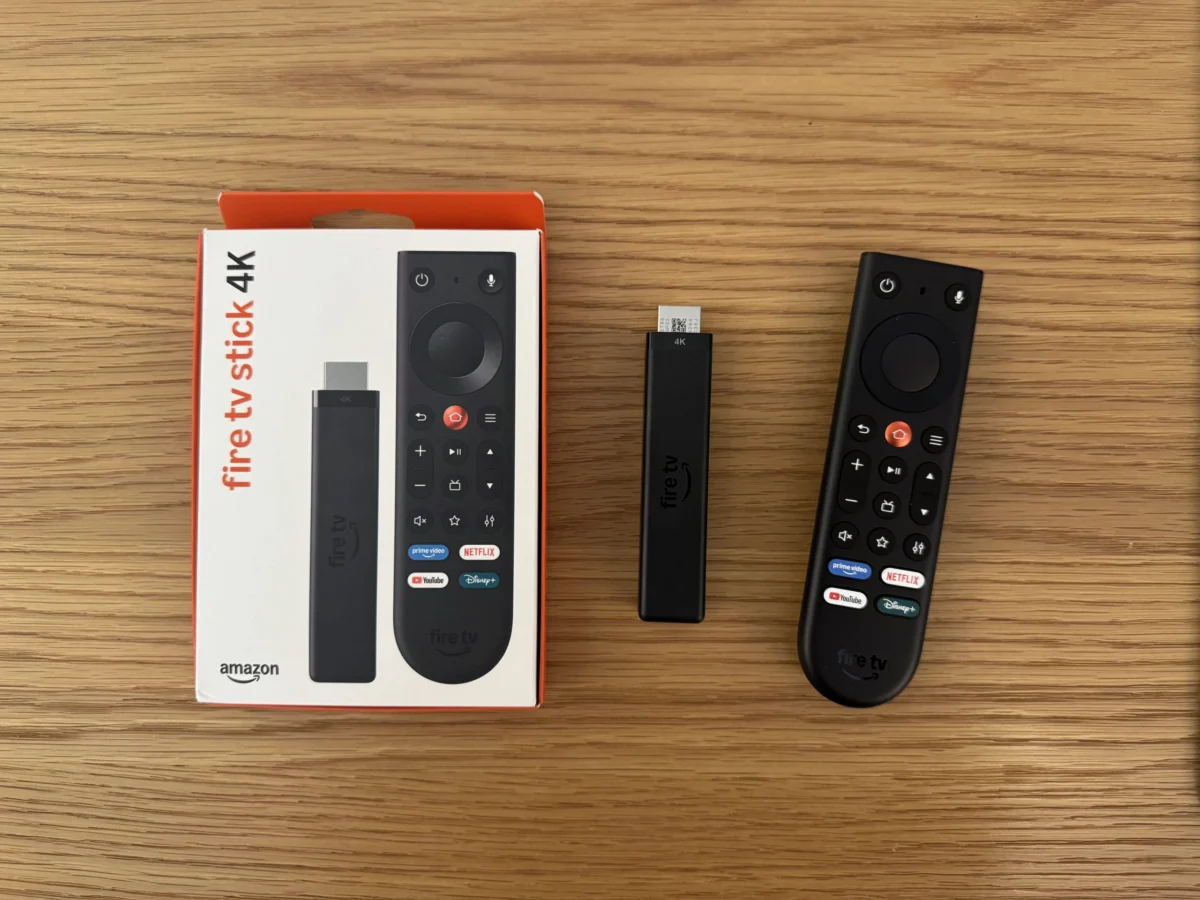
In the rapidly evolving landscape of home entertainment, Amazon’s Fire TV Stick once stood as the undisputed titan of the streaming dongle market. Affordable, versatile, and powered by a familiar Android-based architecture, it became a household staple for millions. However, a seismic shift is currently underway. Amazon’s transition to its proprietary "Vega OS"—a Linux-based operating system—has sparked a firestorm of consumer backlash, technical failures, and growing skepticism regarding the company’s long-term commitment to its hardware division.
As the new Fire TV Stick 4K reaches consumers, the reception has been nothing short of dismal. With a staggering 53% of customer reviews currently hovering at a single star, the platform is facing an identity crisis. Once praised for its plug-and-play simplicity, the Fire TV experience is now being characterized by users as "drunk," laggy, and fundamentally broken.
The Technical Breakdown: Why Vega OS Is Struggling
At the heart of the controversy is the migration from the long-standing Fire OS to the new, restrictive Vega OS. While Amazon positions this transition as a move toward a more "focused" and performant experience, the reality on the ground paints a different picture.
Performance and Stability Issues
The promise of "speed" touted by Amazon’s marketing materials has failed to materialize in real-world testing. Users report significant input lag, stuttering interfaces, and a general lack of fluidity that makes navigating simple menus an exercise in frustration. The hardware, while theoretically capable of handling 4K output, often fails to deliver the seamless experience expected of a modern streaming device.
The "Gray Box" Phenomenon
One of the most jarring bugs to plague early adopters was the emergence of generic gray boxes where app icons—such as YouTube and Hulu—should have appeared. This visual glitch rendered the home screen sterile and unnavigable for many, turning a premium 4K device into a confusing, broken interface.
The Sideloading Controversy
Perhaps most damaging to the power-user demographic is the loss of "Developer Options." Historically, the Fire TV Stick’s appeal was rooted in its flexibility, allowing users to sideload third-party applications and customize their experience. Vega OS effectively walls off this capability. By removing the ability to sideload apps, Amazon has signaled a pivot toward a "walled garden" approach, alienating the enthusiasts who once served as the primary evangelists for the platform.
Chronology of the Decline
The trajectory of the Fire TV’s decline did not happen overnight. It is a story of incremental changes leading to a sudden loss of consumer trust.
- Q1–Q2 2026: Initial reports emerge of "testing" Vega OS on select entry-level devices. Early feedback is mixed, with complaints about interface sluggishness appearing on enthusiast forums.
- Q3 2026: Amazon begins a wider rollout of Vega OS to the core Fire TV Stick 4K line. The public release is met with immediate technical hurdles, including the aforementioned app icon display bugs.
- Late 2026: Consumer sentiment reaches a breaking point. Review platforms on Amazon’s own site begin to see a surge in one-star reviews, highlighting the lack of Dolby Vision/Atmos support and the inability to pin non-sponsored apps to the home screen.
- Current Status: Amazon remains in "damage control" mode, issuing software patches to address the most glaring bugs while maintaining its commitment to the Vega OS roadmap.
Supporting Data: The Voice of the Consumer
The frustration is not merely anecdotal. A deep dive into user sentiment reveals a recurring list of grievances that suggest a fundamental disconnect between Amazon’s engineering team and its user base.
1. Feature Parity and Missing Standards
One of the most baffling omissions in the new hardware is the inconsistent support for Dolby Vision and Dolby Atmos. For a device branded as a "4K" player, the failure to reliably output high-end audio and video formats is a significant downgrade. Users who invested in home theater systems specifically for the Fire TV ecosystem are finding their hardware obsolete.
2. The "Sponsored Content" Hegemony
Navigation has become increasingly difficult as Amazon prioritizes its own ecosystem and sponsored content over user-preferred apps. Users have expressed intense frustration over the inability to pin services like HBO Max, Peacock, or Paramount+ to the main navigation bar. While Amazon has recently provided "instructions" on how to manage the home screen, the UI remains unintuitive, often reverting to its default, ad-heavy layout.
3. The "Fire TV Stick Non-Vega" Search Trend
Perhaps the most telling piece of data is the search behavior within Amazon’s own store. When users type "Fire TV" into the search bar, the predictive text "fire tv stick non vega" frequently appears. This indicates that consumers are actively searching for older, legacy hardware to avoid the new operating system, signaling a complete lack of confidence in the current product roadmap.
Official Responses and Remediation
In response to mounting pressure, Amazon has moved to address specific technical failures. Regarding the "gray box" app icon issue, an official company update stated:
"This affected only a limited subset of devices, and a fix was deployed last week. Users are encouraged to install the latest system update. The full row of applications should display correctly within 10 to 20 minutes once the update has fully synced with the cloud."
Additionally, regarding the concerns over interface customization, Amazon has provided internal guidance to users on how to pin favorite apps, though critics argue that such processes should be intuitive by design, rather than requiring specialized instructions from customer support. Despite these fixes, the fundamental complaints regarding speed, sideloading, and the "half-baked" nature of the Alexa integration remain largely unaddressed.
Implications: The Future of the Fire TV Brand
The implications of this strategy are profound. By forcing a transition to an operating system that offers fewer features and less flexibility, Amazon risks a mass exodus of its most loyal users.
Market Share and Competitive Pressure
The streaming hardware market is more competitive than ever. With Roku and Onn (Walmart’s house brand) continuing to provide stable, user-friendly experiences that remain compatible with a wide range of third-party needs, the "stickiness" of the Fire TV ecosystem is evaporating. If the Fire TV Stick 4K Max—the last holdout running the more capable Fire OS—is also converted to Vega, it will likely mark a turning point for the product line.
The Loss of Influencer Trust
The impact extends beyond the casual viewer. Industry influencers, tech reviewers, and even power users who purchase hundreds of devices annually for gifts and giveaways are publicly stating they will move to competing platforms. When those who drive the market sentiment begin to view a product as "one of the worst experiences on the market," the brand equity takes a hit that is difficult to recover from.
Is Amazon Exiting the Hardware Business?
There is a growing theory among industry analysts that Amazon is intentionally sunsetting its high-end streaming hardware aspirations to focus exclusively on a proprietary, locked-down environment that prioritizes advertising revenue over user utility. By treating the Fire TV Stick as a glorified "ad-delivery vehicle" rather than a premium media player, Amazon may be prioritizing short-term data collection at the expense of long-term customer loyalty.
Conclusion
The transition to Vega OS represents a significant gamble for Amazon. While the company may be looking to streamline its development and increase its control over the user interface, it has ignored the primary reason the Fire TV became successful in the first place: it was an open, fast, and reliable portal to the world of streaming content.
If Amazon does not reverse its course—or at least offer a more robust, feature-rich version of its OS that respects the needs of its power users—it risks turning its most successful hardware product into a relic. The message from the market is clear: consumers want performance, transparency, and freedom. If Amazon refuses to provide these, the market will undoubtedly look elsewhere, leaving the Fire TV brand to burn out rather than thrive.