The landscape of television has shifted dramatically since the 1960s, yet the foundational DNA of the American sitcom remains rooted in that golden era of broadcast. While the industry is currently obsessed with IP-driven content, there is a curious paradox: many of the most beloved sitcoms from the 1960s—shows that fundamentally shaped global pop culture—have yet to receive a faithful, long-term revival that resonates with contemporary sensibilities.
While some genres of the era, such as war-themed comedies, have aged poorly and lost their relevance, the family-centric and high-concept fantasy sitcoms of the 1960s possess a timeless quality. These shows offered a blueprint for humor, character dynamics, and social commentary that, if adapted with precision, could thrive in the 2020s.
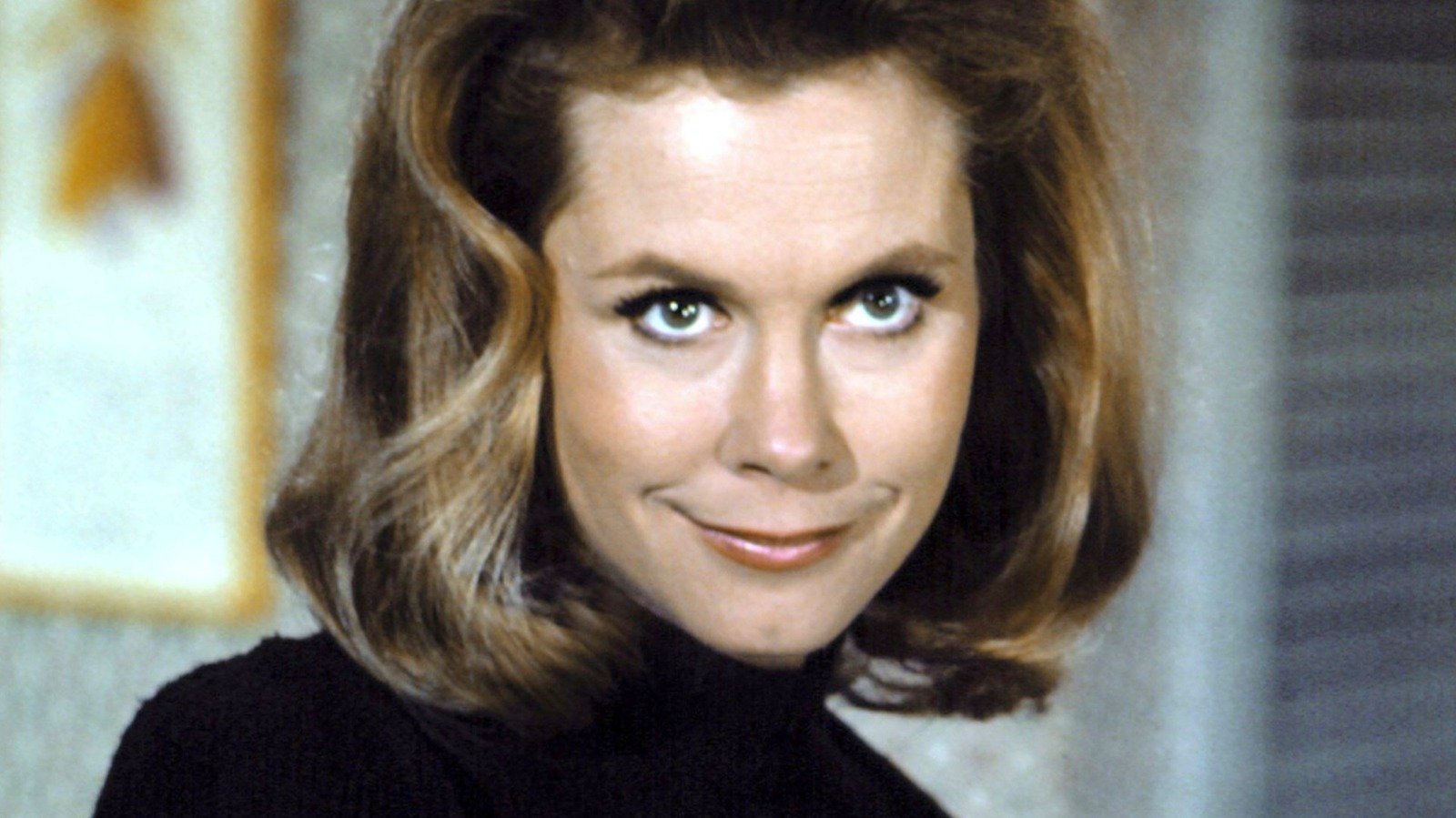
The Cultural Chronology: Why Now?
The 1960s was a decade of transition for the medium of television. It moved from the rigid, theatrical structures of the 1950s into an era of experimentation. From the gothic whimsy of The Addams Family to the espionage satire of Get Smart, these shows were not just entertainment; they were cultural milestones.
However, the 21st-century approach to these properties has often been scattershot. We have seen big-budget feature films, animated features, and gritty reboots that often lose the "sitcom" heart of the original. The current television market, dominated by streaming services hungry for "brand-name" recognition, is uniquely positioned to revisit these classics, provided the approach balances nostalgia with the realities of modern social dynamics.
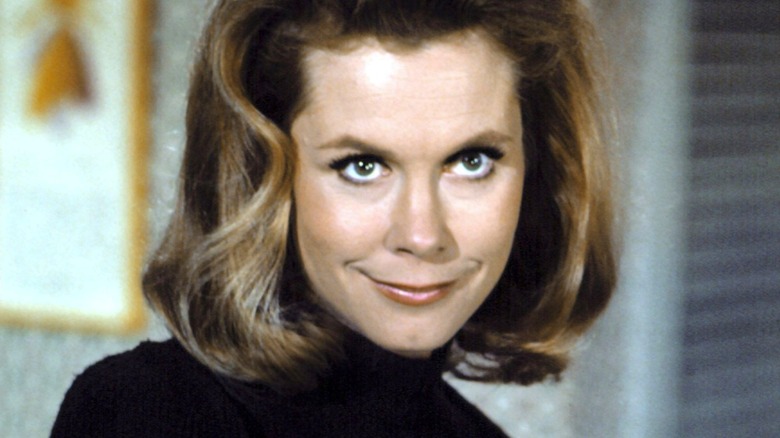
1. The Addams Family: A Return to Mirth
Despite the recent massive success of Netflix’s Wednesday, there remains a significant gap in the market for a faithful, live-action ensemble sitcom based on Charles Addams’ original characters.
- The Original Context: Running from 1964 to 1966, the original Addams Family was a masterclass in satire. It wasn’t about horror; it was about the "culture clash" of a deeply loving, eccentric family navigating a suburban society that was far more judgmental than they were.
- The Problem with Modern Takes: Contemporary adaptations, including the recent animated films and the Wednesday series, have leaned heavily into either juvenile humor or dark, YA-oriented gothic drama. They have largely ignored the fundamental joy and "mirth" that made the 1960s version a classic.
- The Opportunity: A modern, single-camera sitcom focused on the Addams family navigating the era of social media, smart homes, and modern political polarization would be a comedic goldmine. Seeing Gomez and Morticia grapple with their children’s digital footprint while maintaining their gothic aesthetic would provide the perfect blend of satire and heart.
2. Get Smart: The Case for Silly Espionage
In an era where spy thrillers have become increasingly grim, gray, and humorless, the return of Maxwell Smart feels like a necessity rather than a luxury.
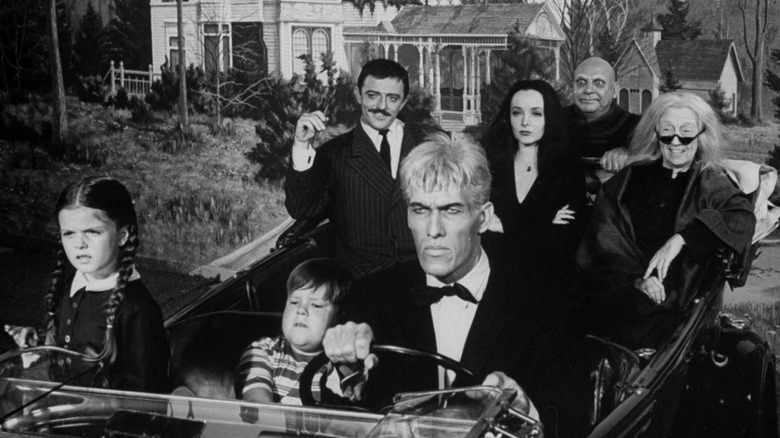
- Supporting Data: Created by Mel Brooks and Buck Henry, Get Smart remains the gold standard for espionage parody. The 2008 Steve Carell film proved there is still significant financial appetite for the property, grossing over $230 million worldwide.
- The Market Gap: Modern television lacks a truly "silly" spy comedy. With John Mulaney currently attached to a new film project, the brand is primed for a resurgence. A television reboot—which allows for the slow-burn character development and running gags that defined the original—would allow for a sharper, more episodic parody of today’s high-tech surveillance state.
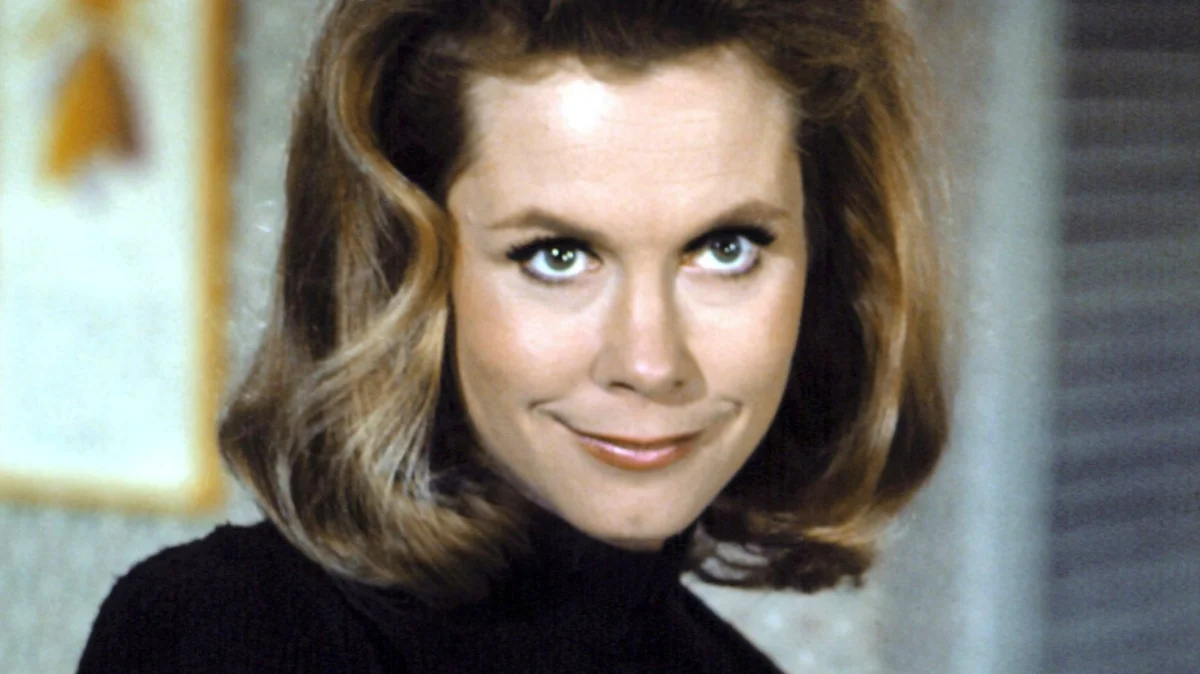
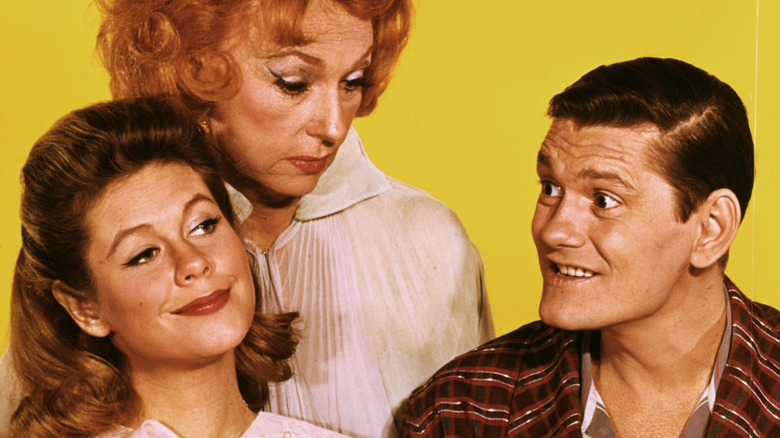
3. Bewitched: The Modern Domestic Dynamic
Bewitched was never just about magic; it was an allegory for the compromises of marriage and the struggle to balance identity with domestic expectation.
- Implications: The premise of a powerful witch hiding her abilities to live a "normal" life with her mortal husband, Darrin, was a radical concept in the 1960s. Today, that dynamic could be evolved to explore gender roles, career ambition, and the "power couple" archetype in a way that feels fresh.
- Developmental Hurdles: While various iterations have been attempted—including a recent project helmed by Judalina Neira for Fox—the goal should be a return to the sweet, chaotic silliness of the original. A reboot shouldn’t be an hour-long drama about the trauma of magic; it should be a light-hearted, high-concept comedy about a modern family trying to keep their supernatural secrets hidden from their increasingly intrusive smart-home neighbors.
4. The Beverly Hillbillies: Satire for a Divided Nation
Few shows are as synonymous with "culture clash" as The Beverly Hillbillies. The premise—a family from the rural Ozarks striking oil and moving to the posh enclave of Beverly Hills—is arguably more relevant now than in 1962.
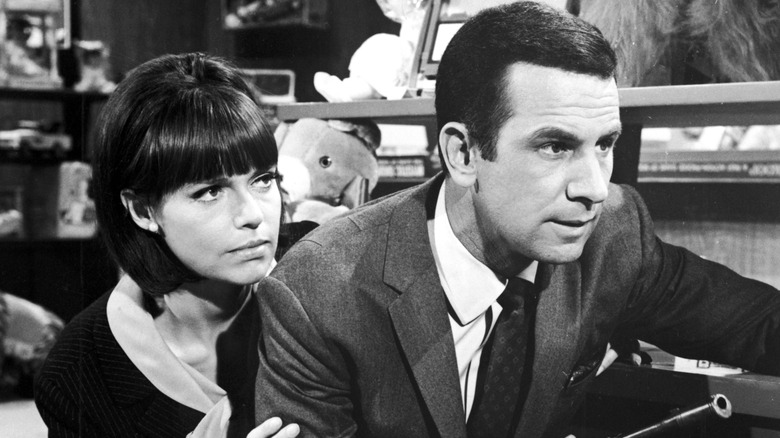
- Official Stance on Modernization: To succeed today, a remake would need to move past the dated, sometimes derogatory stereotypes of the original. The modern version would need to employ "equal opportunity satire."
- The Social Implication: The United States is currently experiencing a profound urban-rural divide. A modern Hillbillies could function as a bridge, humanizing both the "coastal elites" and the "rural outsiders." By focusing on the shared humanity of the Clampetts and their neighbors, the show could address modern political tensions through a lens of genuine, wholesome humor.
5. The Brady Bunch: The Modern Blended Family
As a cultural touchstone, The Brady Bunch remains untouchable. It pioneered the concept of the blended family on television, though it famously glossed over the complexities that come with such an arrangement.
- Structural Evolution: In the 1960s, the show avoided the "messy" reality of ex-spouses and custody battles. A 2020s version, however, could lean into the reality of modern co-parenting.
- The Potential: Projects like the proposed 2012 Vince Vaughn reboot, which explored the involvement of ex-spouses, proved that there is a desire to see a more "realistic" version of the Brady structure. By keeping the heart, the optimism, and the iconic architectural aesthetic of the original, but populating it with the complex, multi-layered family dynamics of the modern age, a new Brady Bunch could become the definitive family sitcom of this decade.
Conclusion: The Path Forward for Studios
The common thread among these five properties is their ability to reflect the human condition through a specific, heightened lens. The failure of many past reboots has been a tendency to "deconstruct" these shows—turning comedies into dramas or stripping them of their charm in favor of cynicism.
For a 1960s sitcom to succeed in the modern era, creators must respect the original intention: to offer a safe, funny, and comforting look at the world, even when that world is filled with witches, secret agents, or eccentric millionaires. Audiences are currently signaling a fatigue with the "grimdark" aesthetic of modern prestige TV. The success of these five titles lies in their ability to provide a "warm hug" of nostalgia while offering a sharp, modern mirror to the absurdity of our own lives.
The stage is set. The intellectual property is waiting. All that remains is for the right creative vision to bridge the gap between 1965 and 2025.