In the high-stakes world of cryptocurrency, where speed and accessibility are the primary drivers of growth, security represents the ultimate vulnerability. On October 29, 2026, the global digital asset ecosystem was shaken to its core when Binance, the world’s largest cryptocurrency exchange, suffered a catastrophic security breach. Hackers successfully siphoned approximately $6.3 billion from the platform’s hot wallets, marking what is widely considered the largest and most audacious theft in the history of decentralized finance.
The incident was not merely a technical failure; it was a profound stress test of corporate governance, crisis management, and the fragility of public trust. As the dust settles on the aftermath, the case of the 2026 Binance hack offers a masterclass for public relations professionals and corporate leaders on how to navigate a catastrophic event in the digital age.
The Anatomy of the Attack: Chronology of a Crisis
The breach began under the radar, but its escalation was rapid and devastating. By the time the security teams at Binance identified the anomaly, the hackers had already secured a massive foothold.
- October 29, 2026: The breach is detected. Binance immediately initiates emergency protocols, suspending all withdrawals to prevent further liquidity drainage. The crypto community reacts with immediate panic, as social media channels erupt with speculation.
- October 29, 2026 (One hour later): Binance issues its first public statement on X, acknowledging the "security incident." By providing immediate, albeit limited, information, the company manages to curb the absolute worst of the misinformation, though the market remains volatile.
- October 30 – November 1, 2026: The "Dark Days." With withdrawals frozen, the company faces intense scrutiny. Binance utilizes a multi-channel communication strategy: Telegram and X serve as real-time update hubs for retail users, while LinkedIn is leveraged to reassure institutional partners and regulators.
- November 2, 2026: Withdrawals are partially reopened. The company reports a significant, yet controlled, outflow of funds, signaling that the panic is subsiding.
- November 3, 2026: Binance releases a comprehensive, transparent technical report detailing the attack vector. Co-CEOs Richard Teng and Yi He conduct interviews with major financial news outlets, taking full accountability for the failure.
The Breach Vector: A Human Element
Perhaps the most startling revelation of the incident was the simplicity of the entry point. The technical report published on November 3 revealed that the hack did not begin with a brute-force assault on the exchange’s firewall, but rather with a sophisticated social engineering campaign.
North Korean-linked hackers, acting as professional recruiters on LinkedIn, lured a Binance engineer into a series of fake job interviews. Under the guise of a technical assessment, the hackers convinced the engineer to download a seemingly benign document, which contained malicious software. This "Trojan Horse" provided the attackers with the necessary credentials to pivot through the company’s internal network and gain access to the keys protecting the hot wallets.

This serves as a sobering reminder for cybersecurity experts: even the most robust technical infrastructure is only as strong as its weakest human link. For PR professionals, this revelation presented a unique challenge—explaining how a "technical giant" could be felled by a simple phishing-style scheme without appearing incompetent.
The Financial Safety Net: The Power of Proactive Commitment
Binance’s ability to prevent a total collapse of confidence was largely attributed to its rapid financial commitment. Within four hours of the breach, the company publicly promised to cover all user losses, pledging to draw from its own reserves and the Secure Asset Fund for Users (SAFU), an emergency insurance fund established in 2018.
By November 3, the company announced that it had replenished 98% of the affected tokens. This move was a stroke of strategic brilliance in crisis communication. In a crisis, words of reassurance are cheap; capital, however, is concrete. By tethering their apology to a tangible financial guarantee, Binance shifted the narrative from "we have been robbed" to "we are making you whole."
Official Responses and Strategic Communication
The management team’s response was characterized by a departure from the traditional, sterile "corporate speak" that often alienates users during a crisis.
The Shift to Executive Transparency
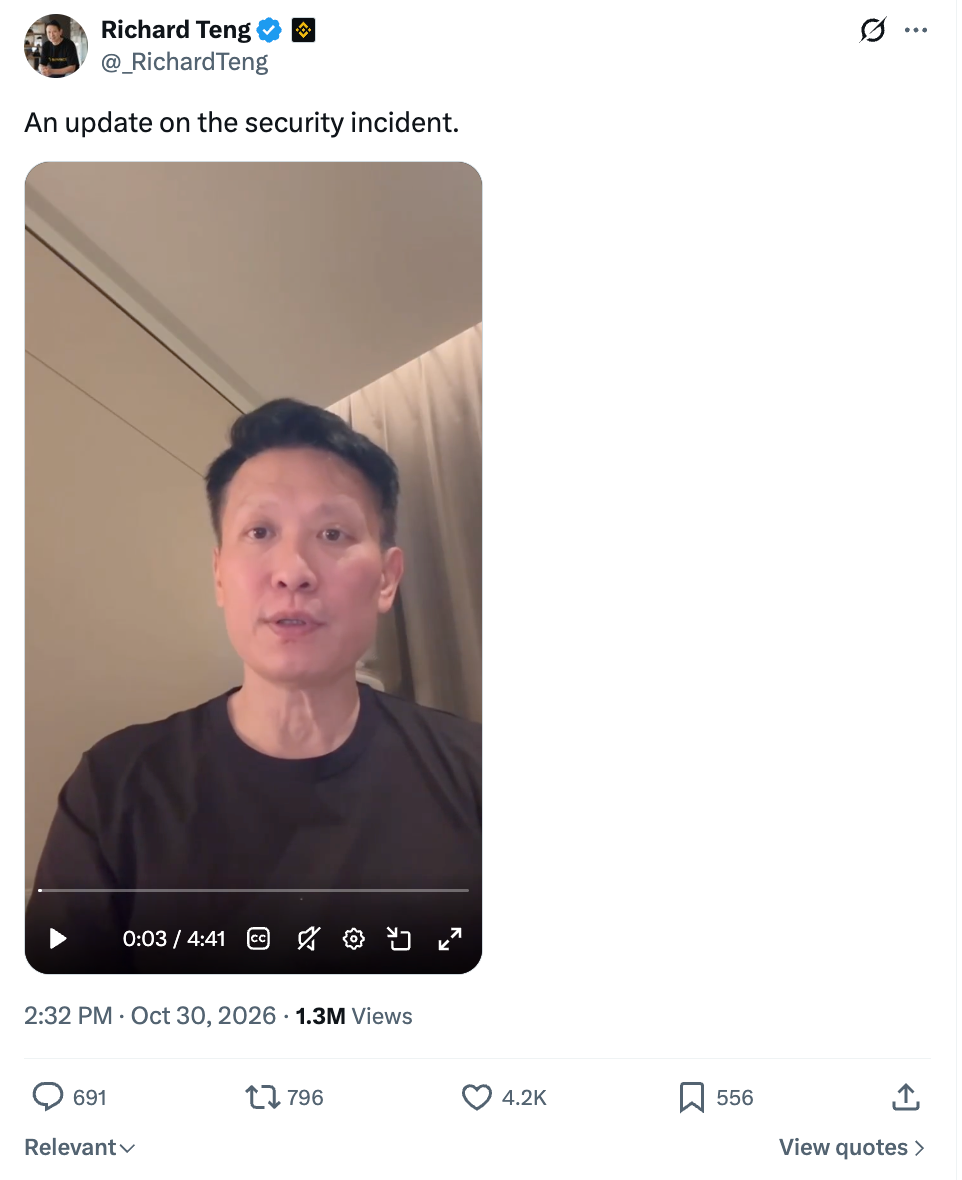
Rather than delegating the response to a faceless PR department, Co-CEOs Richard Teng and Yi He took center stage. Teng’s recorded video message on X was raw and direct, acknowledging the breach with a level of vulnerability rarely seen in executive leadership. When he appeared on CNBC and Fox Business later that week, his consistent messaging—"This should not have happened"—prevented the media from painting the company as dismissive or defensive.

Multi-Channel Truth
Binance utilized a "hub-and-spoke" model for its communication. The official security update on the company’s website served as the "single source of truth." Every post on X, every update on Telegram, and every comment provided in a media interview linked back to this central document. This prevented the "telephone game" effect, where different channels inadvertently provide conflicting information, which often exacerbates panic.
Addressing the "Why": The Challenge of Suspended Access
A major point of friction during the crisis was the question of accessibility. Binance insisted that "user funds were safe," yet users could not withdraw their assets. This created a logical paradox in the minds of customers: If my money is safe, why can’t I touch it?
Binance had to pivot its messaging quickly. Instead of simply repeating "your funds are safe," they shifted to explaining the necessity of the freeze as a protective measure. Yi He’s statement, "Our top priority right now is to ensure the environment is secure, after which users can withdraw," reframed the suspension of services from a "blockage" to a "security barrier." This subtle shift in framing was essential to maintaining trust.
The Trust Test: Measuring Impact Through Outflows
The true measure of a crisis management plan is the behavior of the stakeholders when the "pause" button is lifted. When withdrawals resumed, the market was braced for a bank run.
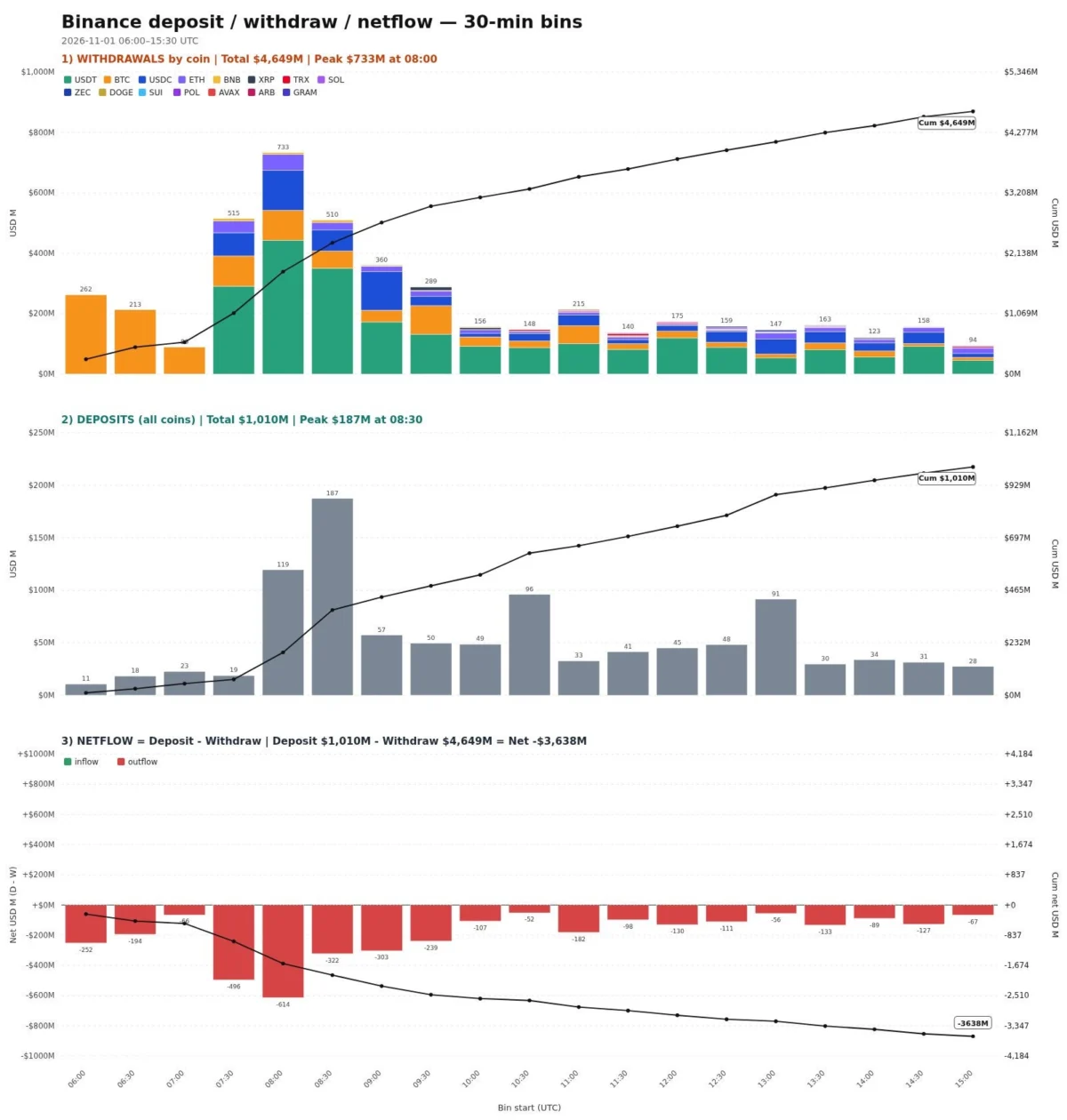
In the first 9.5 hours, users withdrew $3.64 billion. By the following morning, that number hit $4.7 billion. While these figures appear staggering, they represented less than 4% of the platform’s total assets. Data provided by the company showed that while outflows were significant, they stabilized quickly. The fact that the majority of users remained on the platform suggested that the communication strategy had successfully preserved the core of the business.
Five Takeaways for PR Professionals
The 2026 Binance crisis provides a blueprint for managing a corporate catastrophe. For those in the communications field, the following lessons are critical:
- Own the Narrative Immediately: The first hour is the most important. Acknowledging a problem before it is "found" by the media allows the company to set the tone of the conversation.
- The "Single Source of Truth": In a digital crisis, misinformation travels faster than the truth. A central, constantly updated landing page for all information is mandatory.
- Humanize the Leadership: In an era of skepticism, customers want to hear from the people in charge. Executive presence—provided it is authentic—is the most effective tool for calming a panicked market.
- Tangible Commitments Outweigh Promises: If a company can offer a concrete financial resolution, it should do so as quickly as possible. Actions speak louder than press releases.
- Acknowledge the "Unknowns": Using the Krebs Framework, communicate what you know, what you don’t know, and when you will provide the next update. This prevents the perception of a cover-up when later, more complete, facts emerge.
Conclusion: The Long Road to Restoration
Binance survived the $6.3 billion hack not because the attack didn’t happen, but because of how they managed the aftermath. The crisis began with a simple, human error and transformed into a test of institutional resilience.
Restoring operations is fundamentally a technical task, and compensating customers is a financial one. However, rebuilding trust is a communication challenge that requires clarity, consistency, and, most importantly, honesty. The 2026 incident proves that while a cyberattack can compromise a company’s systems, it does not have to compromise its future—provided the company is willing to be fully transparent about the price of its recovery.
As we look toward the future of digital finance, the Binance case will likely remain the definitive case study in how to navigate the storm when the foundation of a brand is under fire. The question for any organization is not if a crisis will strike, but whether they have the communication infrastructure in place to endure it.