The communications landscape is shifting beneath the feet of modern practitioners. Whether it is the high-stakes pressure of an aviation crisis, the existential challenge of measuring the effectiveness of AI-integrated PR, or the need for creative, tangible cause marketing, the role of the communicator has never been more multifaceted.
This week’s industry roundup examines three critical developments: Josh Earnest’s candid breakdown of United Airlines’ crisis strategy at the WSJ CMO Council Summit; the unsettling reality of measurement metrics in the age of Muck Rack’s latest industry report; and the innovative, experiential approach of The Farmlink Project’s latest pop-up initiative.
Part I: The Crisis Playbook – Lessons from United Airlines
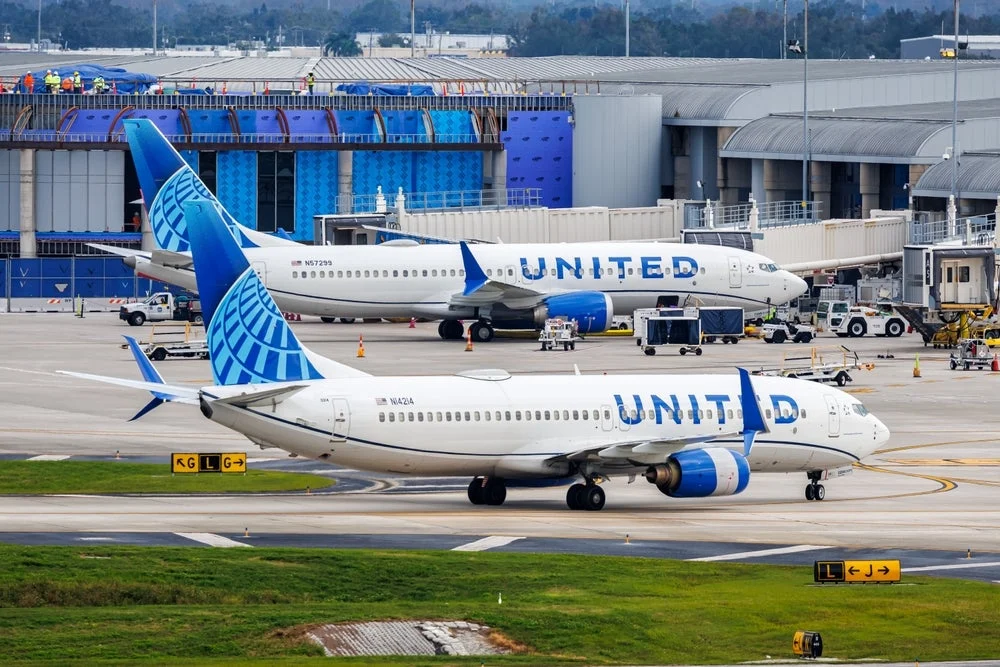
At the recent WSJ CMO Council Summit in New York City, Josh Earnest—the former Obama White House press secretary and current Executive Vice President of Communications and Advertising at United Airlines—offered a masterclass in modern crisis management. His insights arrived at a critical juncture for the aviation giant, which recently found itself in the eye of a public relations storm following back-to-back operational outages.
The Chronology of the "Vortex"
The primary test for United’s communications team occurred on November 13, when an FAA groundstop triggered the cancellation of approximately 1,800 flights. While the crisis was industry-wide, the public eye turned squarely toward the carriers.
Earnest explained that in the heat of the moment, the objective was not to provide exhaustive answers that did not yet exist, but to shift the power dynamic in favor of the customer. "There’s an innate tension between ‘I don’t have all the information I need’ and ‘tell me now what’s going on, what are you hiding,’" Earnest noted. "The ability to effectively manage that tension is the essence of managing a crisis."
The following Monday, a smaller, United-specific outage delayed 120 flights. While the impact was significantly less severe, it landed during a heightened news cycle, creating a "vortex" of negative attention. Earnest’s team had to manage the narrative, ensuring the public understood the distinction between a widespread systemic failure and a routine operational hiccup.
Operational Infrastructure and Strategic Transparency
United’s response was orchestrated through a virtual Emergency Operations Council. This "war room" model aggregated real-time data from disparate departments—including crew scheduling, flight safety, and communications—to ensure a unified response.
The strategy focused on three pillars:
- Empowerment: Offering refunds and waiving change fees to give customers agency over their travel plans.
- Channel Control: Leaning heavily on the United mobile app to push direct, reliable information, thereby bypassing the volatility of social media speculation.
- Internal Alignment: Leveraging the airline’s 120,000-strong workforce as brand ambassadors.
Implications: The Future of AI and Brand Trust
Earnest also addressed United’s controversial move to block unauthorized third-party AI booking agents. While the decision drew scrutiny, Earnest framed it as a necessary precaution regarding data privacy and regulatory compliance. "Is there a world where agents eventually help people interact with United Airlines? Absolutely," he stated. "But as it’s currently structured, there are too many problems."
Perhaps most notably, Earnest advocates for the total integration of PR and marketing. By dissolving the silos between these departments, United has achieved a level of nimbleness that allows for faster decision-making, which is the ultimate currency in a modern crisis.
Part II: The Measurement Paradox – Trust in the Age of LLMs
While United focuses on operational transparency, the broader PR industry is facing a crisis of confidence in its own data. According to the 2026 State of PR Measurement report by Muck Rack, there is a widening chasm between the metrics communicators are reporting and the metrics they actually believe are meaningful.
The Data Dilemma
The report reveals that while PR professionals are rapidly adopting AI-driven measurement tools to track LLM (Large Language Model) visibility, they are simultaneously grappling with the pressure to report legacy metrics that may no longer be relevant.
Key Challenges Identified:
- Pressure-Driven Reporting: Nearly two-thirds of PR professionals admit to reporting metrics they do not fully trust. This is rarely a failure of technical ability; rather, it is a response to the institutional pressure to provide quantitative data to leadership, even when qualitative impact is the more accurate measure.
- The Rise of GEO: Generative Engine Optimization (GEO) has moved from a fringe concern to a central strategic pillar. Over 50% of PR teams are now actively tracking how their brands appear in AI-generated search results, marking a fundamental shift in how "visibility" is defined.
Bridging the Trust Gap
Raina Lazarova, VP of Global Insights at Muck Rack, suggests that the solution lies in pragmatism rather than perfection. "Build a set of prompts that reflect what your audience actually asks, and test them regularly," she advises.
For the modern communicator, the implication is clear: stop waiting for an industry-standard framework. Instead, pressure-test internal data against tangible business outcomes like web traffic, conversion rates, or lead generation. The goal is to evolve from being a "reporter of numbers" to a "translator of impact."
Part III: Experiential Purpose – The Farmlink Project
In contrast to the abstract nature of digital measurement, The Farmlink Project is proving that some of the most effective communication is rooted in physical, human-centric experiences. On November 24, the nonprofit teamed up with 260 Sample Sale to transform a Manhattan retail space into a pop-up apple orchard.
The Mission: Connecting Surplus to Scarcity
The Farmlink Project’s model is based on a simple but powerful premise: surplus produce in the agricultural sector often goes to waste, while food insecurity remains a persistent national crisis. By giving away 35,000 farm-fresh apples, the event provided food for approximately 3,000 families while creating a high-visibility platform to discuss food equity.
Kate Nelson, Head of Brand Partnerships at The Farmlink Project, notes the strategic brilliance of the activation: "New Yorkers know 260 Sample Sale as a place to go for overstock fashion, but surplus exists in food too."
Why This Communication Strategy Works
This activation succeeds where traditional campaigns often fail because it utilizes:
- Tangibility: By creating a physical "orchard" in the middle of Manhattan, the nonprofit makes an abstract concept—food rescue—real and immediate.
- Strategic Partnerships: The collaboration with established brands like 260 Sample Sale, Sweetgreen, and Levi’s provides a non-forced, authentic narrative that amplifies the mission without feeling like a standard corporate sponsorship.
- Emotional Resonance: By hosting the event just before a major holiday, the campaign taps into the season’s focus on abundance, creating a natural hook for media and community engagement.
Conclusion: The Path Forward for Communicators
The themes of this week—the crisis response at United Airlines, the measurement anxiety identified by Muck Rack, and the experiential advocacy of The Farmlink Project—point toward a singular truth: modern PR is moving away from "managing the message" and toward "managing the experience."
1. The Integration of Comms and Marketing: As demonstrated by Josh Earnest, the lines between communication, advertising, and operations must blur to ensure speed and consistency. When these teams work as one, they are inherently more resilient to the "vortices" of modern news cycles.
2. The Evolution of Accountability: The data from Muck Rack serves as a wake-up call for the profession. Communicators must find the courage to challenge outdated measurement mandates. If a metric does not track business outcomes, it should not be the cornerstone of a PR report.
3. Purpose as a Performance Indicator: The Farmlink Project’s success demonstrates that cause marketing is most effective when it moves beyond a press release and into the physical world. When communicators can facilitate a real-world connection between their brand and a community need, the brand loyalty that follows is organic and durable.
As we look toward the end of 2026, the mandate for the industry is clear: embrace the complexity of AI, maintain a relentless focus on operational alignment, and never lose sight of the power of a tangible, human connection. The tools may change, but the core of the profession remains the same—building trust in an increasingly uncertain world.