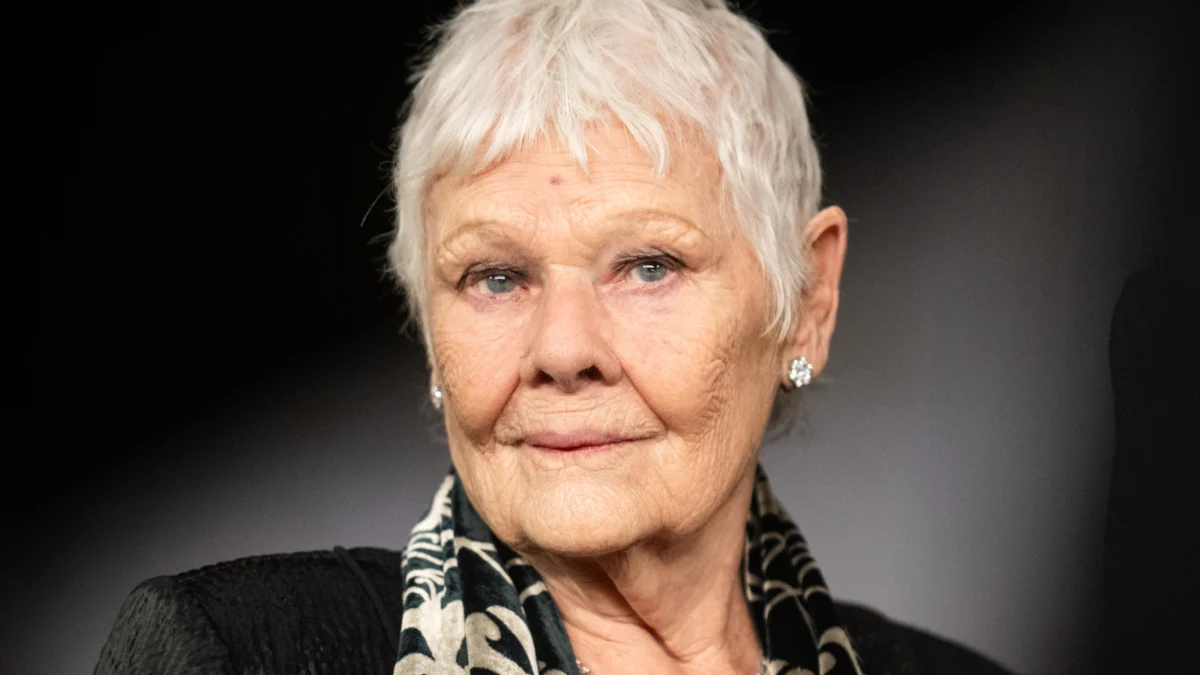
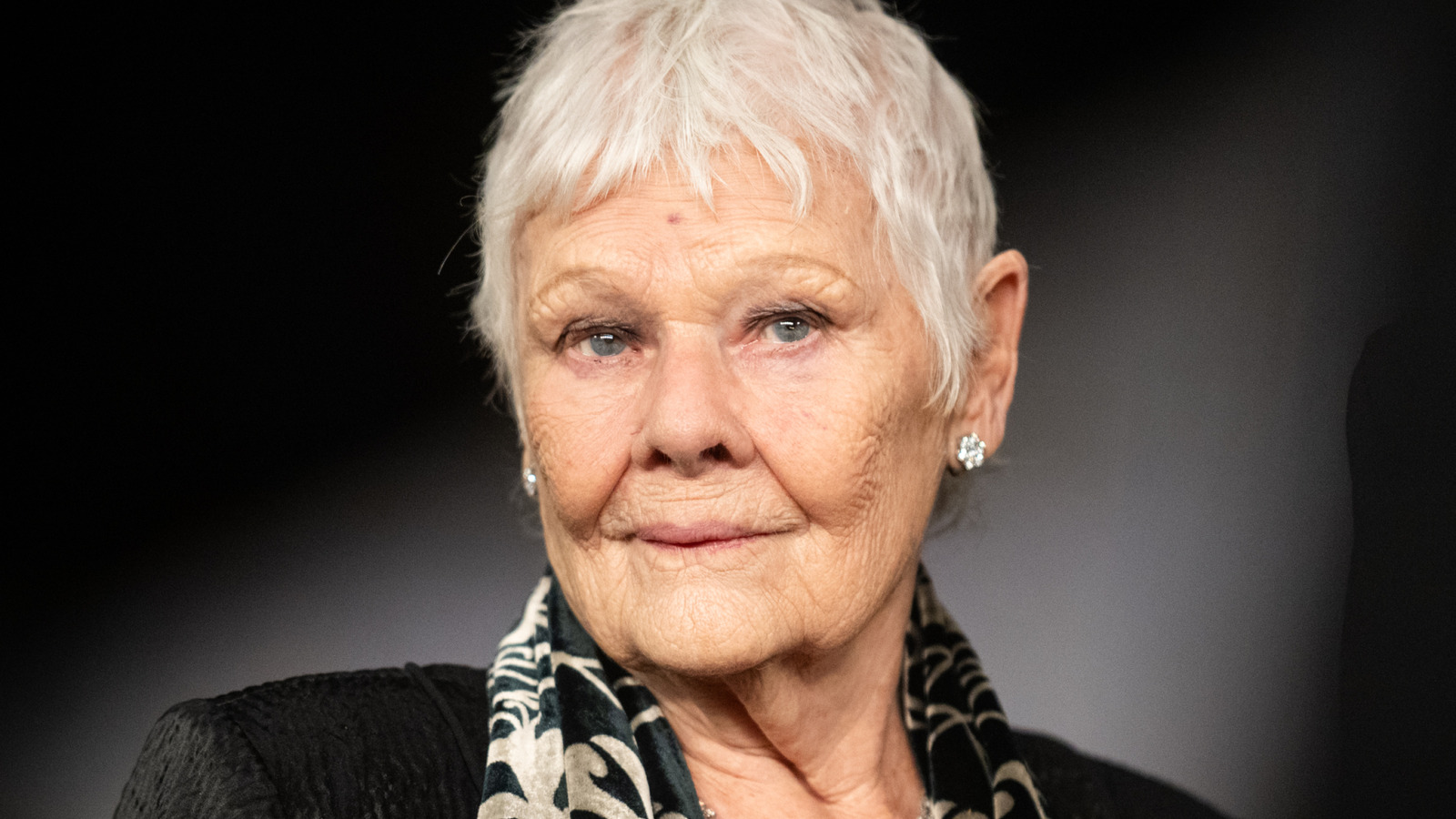
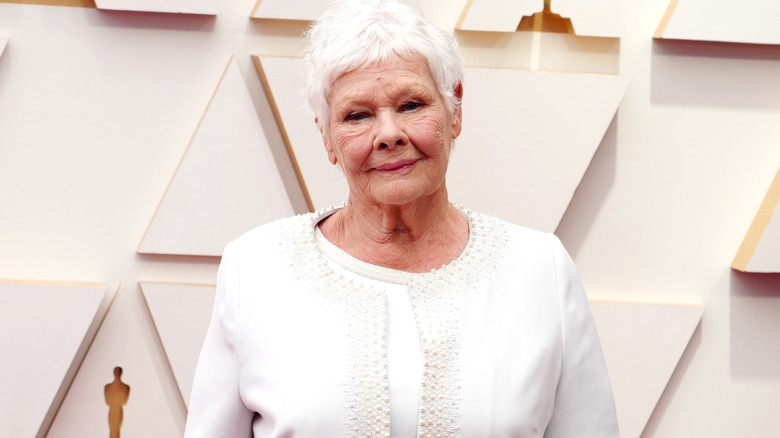
Dame Judi Dench, one of the most celebrated and versatile actors of the modern stage and screen, has long embodied the pinnacle of artistic excellence. With a career spanning over six decades, Dench’s name is synonymous with prestige, grace, and unmatched emotional depth. From her Academy Award-winning portrayal of Queen Elizabeth I in Shakespeare in Love to defining an era of British espionage as "M" across eight James Bond films—beginning with GoldenEye in 1995 and concluding with Spectre in 2015—her footprint on global entertainment is indelible.
Yet, beyond her glowing accolades—which include a Tony Award, two Golden Globes, six BAFTAs, and a record seven Olivier Awards—Dench maintains a refreshing humility. Central to her philosophy on life and art is a relentless drive for curiosity. In a widely cited interview with The Talks, Dench offered a profound perspective on personal growth:
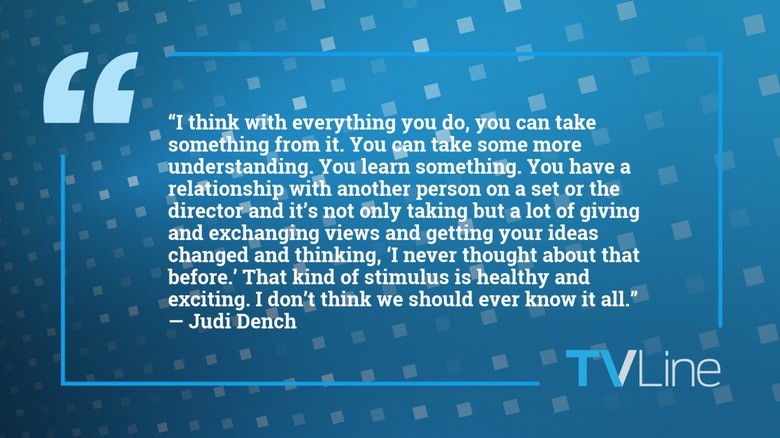
"I think with everything you do, you can take something from it. You can take some more understanding. You learn something. You have a relationship with another person on a set or the director, and it’s not only taking but a lot of giving and exchanging views and getting your ideas changed and thinking, ‘I never thought about that before.’ That kind of stimulus is healthy and exciting. I don’t think we should ever know it all."
This quote captures the essence of Dench’s enduring appeal. Far from resting on the laurels of her legendary status, the veteran actor views every project, every colleague, and every day as an opportunity to expand her worldview.
Chronology: A Storied Legacy Built on Evolution
To understand the weight of Dench’s words, one must look at the remarkable trajectory of her professional journey, which transitioned seamlessly from classical theater to global cinematic superstardom.
The Early Stage Roots (1950s–1970s)
Dench’s career began on the stage. She made her professional debut in 1957 with the Old Vic Company, playing Ophelia in Hamlet. Throughout the 1960s and 1970s, she cemented her reputation as one of Britain’s premier classical actresses, working extensively with both the National Theatre Company and the Royal Shakespeare Company. Her performances in Shakespearean tragedy and comedy alike showcased an intuitive grasp of human psychology—an early indicator of the collaborative, listening-based actor she would become.
Television Acclaim and Household Recognition (1980s–1990s)
While theater built her foundation, television and film expanded her reach. British audiences fell in love with her comedic timing and emotional resonance in television projects such as A Fine Romance (co-starring her late husband, Michael Williams) and As Time Goes By. However, international superstardom arrived later in life. In 1995, at the age of 60, Dench took over the traditionally male role of M in the James Bond franchise. Her fierce, uncompromising authority revitalized the character and introduced her to a massive, global demographic.
The Academy Award and Global Prominence (1998–2010s)
Just a few years after joining 007, Dench delivered a masterclass in economy of performance in Shakespeare in Love (1998). Despite appearing on screen for a mere eight minutes as Queen Elizabeth I, she commanded the frame entirely, securing the Academy Award for Best Supporting Actress.
This era was marked by a dazzling array of cinematic hits, including Chocolat, Iris, Pride & Prejudice, Notes on a Scandal, and the television masterwork Cranford. Through it all, Dench’s collaborative spirit on set remained legendary, winning the affection of directors such as Kenneth Branagh, Stephen Frears, and Joe Wright.
Supporting Data: An Unrivaled Body of Work
Dench’s career metrics underscore an artist who refuses to slow down, driven forward by the exact curiosity she preaches:
Academy Award Nominations: 8 (with 1 win for Shakespeare in Love).
BAFTA Awards: 6 competitive wins out of numerous nominations, alongside the prestigious BAFTA Fellowship awarded in 2001.
Olivier Awards: A record 7 competitive wins for her theatrical work in London’s West End.
James Bond Apparitions: 8 live-action feature films as "M," spanning two decades (1995–2015).
Literary & Critical Acclaim: Numerous honorary degrees and the title of Dame Commander of the Order of the British Empire (DBE), bestowed upon her in 1988.
Despite these staggering numbers, Dench treats her art not as a destination reached, but as an ongoing dialogue.
Official Responses and Insights: The Philosophy of Everyday Learning
In her 2017 interview with The Talks, Dench elaborated on how this mindset operates on a day-to-day basis. When asked if acting had helped her find humor in life, she turned the conversation toward the mutual exchange of ideas that occurs when creative minds collide. She emphasized that a healthy set is one where hierarchies dissolve in favor of shared intellectual exploration.
"You have a relationship with another person on a set or the director, and it’s not only taking but a lot of giving and exchanging views and getting your ideas changed," she noted.
Dench took this philosophy a step further by sharing her personal daily ritual: actively seeking out new knowledge, no matter how trivial or eccentric.
"I want to learn something new every day, and I try to do that," Dench revealed. "For example, today I learned a word: anatidaephobia … It’s the irrational fear of being stared at by a duck."
While delivered with her characteristic tongue-in-cheek humor, this anecdote reveals a profound truth about her longevity. By maintaining a childlike wonder about the world, Dench avoids the creative stagnation that often plagues veterans in the entertainment industry.
"I get different ideas every day about the things I have left to do and explore in life," she added, emphasizing that curiosity is the ultimate antidote to cynicism and fatigue.
Implications: Why Dench’s Approach Matters Today
In an era dominated by hyper-specialization, rapid digital consumption, and the pressure to project absolute certainty, Judi Dench’s philosophy offers a counter-cultural blueprint for fulfillment.
1. The Death of Ego in Creative Collaboration
Dench’s insistence on "getting your ideas changed" highlights a vital lesson for modern workplaces: true innovation requires intellectual vulnerability. When veteran artists are willing to listen to younger directors, crew members, or co-stars, projects elevate in quality. Dench proves that status should never be a barrier to listening.
2. Sustaining Longevity Through Adaptation
Many performers find themselves typecast or outdated as cultural landscapes shift. By remaining endlessly curious and open to new interpretations—whether tackling Shakespearean classics or modern historical dramas like Belfast (2021)—Dench has remained remarkably relevant. Her adaptability is a direct byproduct of her refusal to believe she "knows it all."
3. Cultivating Joy in the Mundane
By finding fascination in everyday trivia (like the fear of ducks) and embracing the humor inherent in human interactions, Dench demonstrates that a vibrant inner life is accessible at any age. Her outlook challenges the narrative that aging must be accompanied by a narrowing of horizons; instead, for Dench, the horizon continues to expand.
Ultimately, Dame Judi Dench remains a masterclass not only in acting, but in the art of being human. Through her commitment to lifelong learning, she reminds us that the most exciting chapter of understanding is always the one we haven’t written yet.