As the digital marketing ecosystem continues to mature, modern content creators, founders, and enterprises are being forced to rethink traditional playbooks. The era of chasing one-off viral hits is rapidly giving way to structural optimization, long-term audience retention strategies, and AI-driven workflow integration.
In this comprehensive roundup, we examine the critical insights, platform updates, and strategic shifts defining the marketing industry today. From resurrecting dormant LinkedIn newsletters using basic search engine optimization to navigating major ecosystem updates across YouTube, Meta, TikTok, and X, here is your definitive guide to staying ahead of the curve.

1. Main Facts: The Shift Toward Structural Optimization and Ecosystem Integration
Recent developments across major digital channels point to a singular, overarching trend: platforms are rewarding sustainable, long-tail engagement over ephemeral virality.
- Dormant Asset Revitalization: Marketers are discovering that archives are not graveyards. By optimizing SEO fields on older, high-authority digital assets—such as archived LinkedIn newsletters—creators can generate thousands of organic views with zero fresh promotional spend.
- The Death of the One-Off Viral Hit: Video strategists emphasize that modern social algorithms increasingly favor series-style content. Building repeat viewership, emotional resonance, and buyer trust matters far more for founders and personal brands than catching lightning in a bottle once.
- Cross-Platform Commerce & Automation: Major players like Amazon, Meta, and YouTube are breaking down silos. Amazon has officially integrated into the YouTube Shopping Affiliate program, while Meta continues to test automated comment-to-DM workflows and streamline native logins.
- AI as an Operational Co-Pilot: Artificial intelligence is no longer just a novelty for writing social copy; it is becoming deeply embedded into native platform analytics (such as X’s new Model Context Protocol servers) and natural-language recommendation feeds (like YouTube’s custom prompt-based feeds).
2. Chronology: Key Industry Developments and Platform Rollouts
Over the past few weeks, a rapid succession of feature releases and platform shifts has altered how brands approach lead generation, video distribution, and data management:

- August 24: YouTube updates its core measurement metrics, officially standardizing view counts across all video formats—including long-form, podcasts, and livestreams—to register from the moment playback begins.
- Late August: Meta opens its updated "Login with Facebook" developer experience, deploying one-tap sign-in options on Android and web, alongside enhanced iOS authentication frameworks.
- Recent Weeks: TikTok expands its "Out of Phone" digital-out-of-home (DOOH) advertising program across six major European markets (UK, France, Belgium, Spain, Italy), placing creator content onto physical screens in gyms, transit systems, and retail centers.
- Early September: X launches native Lead Gen Ads globally, alongside the introduction of its Ads MCP server, allowing marketers to connect campaign analytics directly to AI agents like Grok and Claude. Simultaneously, Instagram rolls out "First Draft" globally to automate initial Reels edits in under 10 seconds.
3. Supporting Data & Insights: What the Numbers Tell Us
Data gathered from recent industry surveys and platform case studies underscore how professionals are adapting to these technological shifts:
- 15,000+ Views: According to marketing strategist Judi Fox, updating the SEO metadata on newsletters aged two to four years old yielded over 15,000 additional organic views within twelve months, entirely without supplementary promotion.
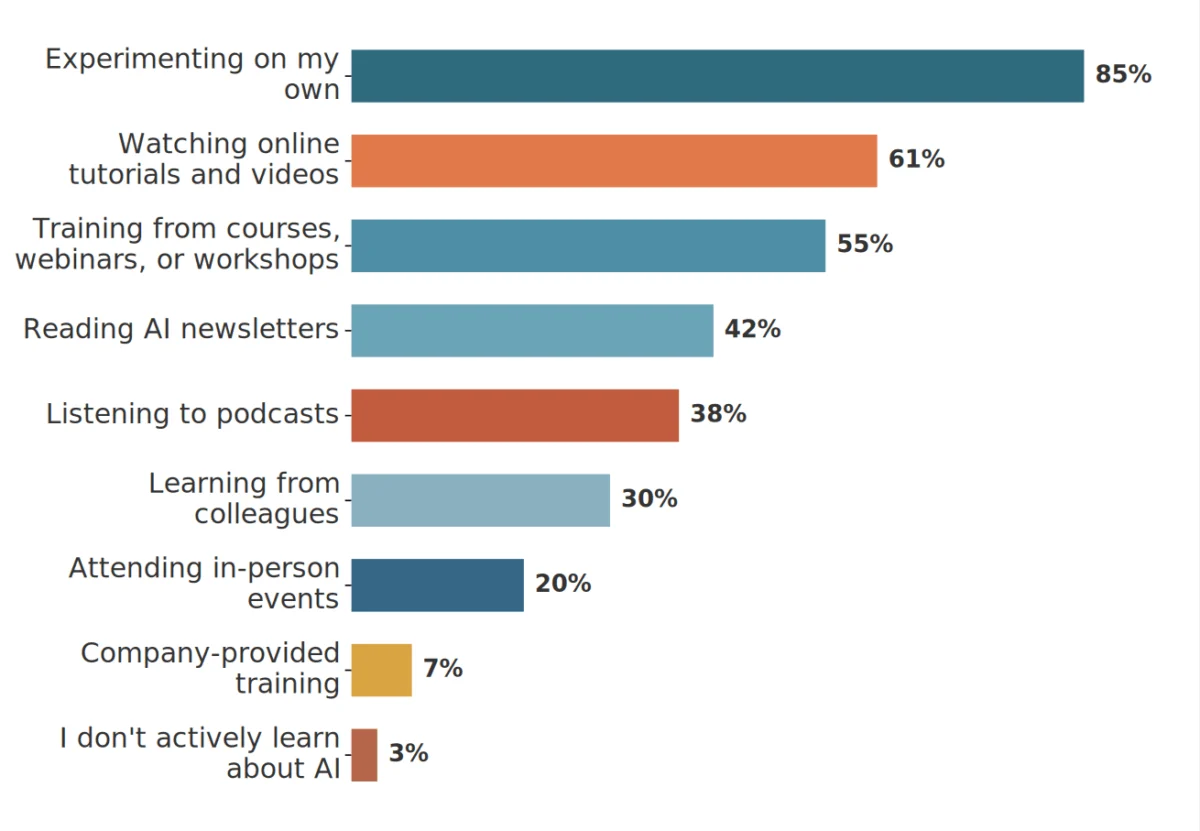
- 85% Independent AI Adoption: Recent findings from the AI Marketing Industry Report reveal that 85% of marketers are forced to learn artificial intelligence through independent experimentation. Only 7% receive structured company-sponsored training, and over half out-of-pocket fund their own software stacks.
- Unified Metrics: YouTube’s shift to exposure-based view counting for long-form content brings it in line with short-form metrics, giving creators a clean, universal metric to present to enterprise brands and media buyers.
4. Official Responses and Platform Statements
As platforms roll out these complex integrations, spokespeople and industry leaders have weighed in on the philosophy behind the changes:

- On LinkedIn Newsletter Optimization: Judi Fox, speaking at Social Media Marketing World, noted that your past newsletters sit inside a high-authority digital channel that search engines and AI engines have already indexed. "A single optimization pass turns dormant content into a long-term discovery engine," Fox explained, emphasizing the importance of re-inserting active booking and website links into older publications.
- On Video Series Strategy: Writers Guild Award winner and video strategist Daryn Strauss argues that creators must shift their psychological framework away from comparison syndrome. By establishing a clear character archetype and utilizing structured, four-part educational storytelling frameworks, founders can stop chasing vanity metrics and build sustainable, binge-worthy series.
- On YouTube’s Standardized Views: YouTube representatives confirmed that while public view counts will now register from the first second of exposure across all formats, core monetization metrics, click-through rates (CTR), and audience retention calculations remain safely anchored to "engaged views."
5. Implications for Marketers, Brands, and Creators
What do these rapid shifts mean for your day-to-day marketing operations? The implications stretch across content strategy, lead capture, and technological integration:
Turn Your Archives into Discovery Engines
Stop letting your historical content collect digital dust. If you publish newsletters, white papers, or long-form blogs, run an audit of your back catalog. Update meta descriptions, check that call-to-action (CTA) links point to active landing pages or current booking calendars, and let search engines and AI indexers drive continuous, passive traffic to your business.
Pivot from Viral Chasing to Serialized Storytelling
If your video strategy relies on hoping a random clip goes viral, it is time to pivot. Platforms reward watch time and session duration. Adopt Daryn Strauss’s four-part storytelling framework to construct educational video series that build genuine trust, introduce narrative tension across episodes, and guide viewers naturally down the conversion funnel.
Capitalize on Native Commerce and Lead Gen Tools
Friction is the enemy of conversion. With Amazon integrating natively into YouTube Shopping, Meta testing automated keyword-to-DM triggers for Instagram Ads, and X rolling out native Lead Gen Forms with CRM integrations, brands must minimize the steps a user takes to buy or inquire. Set up these native pathways now to capture high-intent traffic without forcing users off the platform.

Embrace AI-Powered Analytics Workflows
With 85% of marketers navigating the AI landscape alone, leveraging tools that reduce guesswork is paramount. Whether you are using X’s new Ads MCP server to prompt your campaign data through AI agents, or joining structured groups like the AI Business Society to refine your brand’s unique voice, the winners of the next digital era will be those who combine human authenticity with intelligent automation.