The landscape of professional sports broadcasting has undergone a seismic shift, moving away from the ubiquity of traditional linear television toward a fractured, platform-exclusive digital ecosystem. Nowhere is this more apparent than in the National Football League’s recent push into global streaming. However, as the league seeks to expand its footprint, a glaring friction point has emerged: the disconnect between modern digital rights strategies and the reality of the public viewing experience.
The Public Viewing Gap: A Case Study in Inconvenience
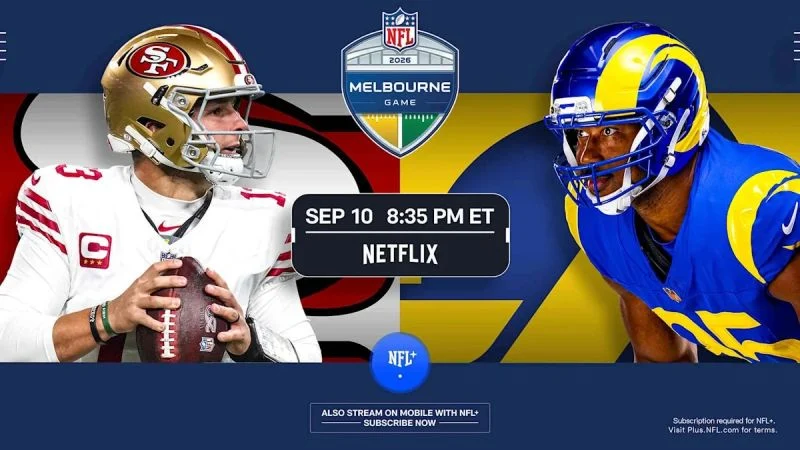
The modern sports fan, particularly the road warrior, is finding that the "convenience" promised by the streaming revolution is a fallacy. A recent experience at a Hilton hotel serves as a microcosm for this broader issue. Despite the hotel’s bar and lobby being equipped with eight high-definition television screens, tonight’s exclusive Netflix NFL game—broadcast live from Australia—was nowhere to be found.
For the average consumer, the shift to exclusive streaming platforms like Netflix, Peacock, or Amazon Prime means that the traditional "sports bar" model is effectively broken. When games are sequestered behind digital paywalls and app-based interfaces, public venues struggle to facilitate the communal experience that has defined NFL fandom for decades. It is no longer enough to have a cable subscription; businesses must now navigate a labyrinth of platform-specific apps, high-speed bandwidth requirements, and hardware compatibility issues just to show a game.
The Technical Reality: Quality of Experience (QoE)
Even for those who successfully access these games, the transition to streaming has introduced a host of technical variables that did not exist in the era of coaxial cable. During testing of the Australian-based game via a Fire TV Stick—supported by a stable 78 Mbps download speed—the video quality was generally acceptable at 1080p, though it lacked the premium HDR finish many fans have come to expect from modern live sports.
More concerning, however, were the significant audio sync issues and inconsistent mix levels. Social media platforms were quickly flooded with anecdotal reports from viewers across the globe encountering similar Quality of Experience (QoE) challenges. While these are often dismissed as "isolated incidents" by stakeholders, they represent a recurring theme in major streaming events. When Netflix handles the rights for a game spanning over 200 countries, the technical burden is immense, and any hiccup in the delivery chain is magnified by the massive, simultaneous nature of the audience.
Chronology of a Shift: From Broadcast to "Most Streamed"
To understand how we arrived at this moment, one must look at the recent history of the NFL’s digital experimentation. In 2025, the Lions/Vikings game was branded by Netflix as the "most streamed NFL game in history." However, this label obscures more than it clarifies.
The industry’s reliance on "Average Minute Audience" (AMA) figures, often sourced from Nielsen, has become a point of contention. These metrics frequently aggregate out-of-home viewing, local market broadcast data, mobile web traffic, and NFL+ streaming data into a single, nebulous number.
The chronology of these claims reveals a marketing strategy rather than a transparent data set:
- 2024: Netflix began its aggressive push into NFL holiday games, setting the stage for global exclusivity.
- 2025: The Lions/Vikings game serves as the primary benchmark for the "most streamed" narrative, yet analysts struggle to isolate what percentage of that audience actually originated from the Netflix platform versus traditional broadcast or mobile alternatives.
- 2026: The current season marks a deepening of the reliance on streaming, with global rights experiments like the Australia game testing the limits of infrastructure and consumer patience.
Supporting Data: The Measurement Quagmire
The lack of transparency in viewership numbers is not just a nuisance for journalists; it is a fundamental problem for the industry. Netflix, like many of its streaming peers, does not break out viewership numbers exclusive to its platform. This makes it impossible for advertisers or analysts to determine the true reach of an exclusive game compared to a traditional broadcast.
Furthermore, when comparing these events to the top 10 largest streaming events globally, NFL games under the current streaming model rarely crack the top tier. The methodology for measuring success is changing year over year, rendering longitudinal studies of viewership nearly impossible.
Consider the recent pivot by NBC Sports. For the 2026/2027 season, the network moved away from its proprietary "Total Audience Delivery" figures—which combined Nielsen Big Data with Adobe Analytics—in favor of a standardized Nielsen methodology. This shift proves that even the giants of the industry are struggling to define what "success" looks like in a digital-first world. When the industry cannot agree on a metric, the numbers themselves become suspect.
Official Responses and Industry Implications
The NFL and its streaming partners maintain that the move to digital is driven by "fan engagement" and the desire to meet the audience where they are—on their devices. However, the disconnect between this narrative and the practical application—where games are unavailable in common areas or suffer from intermittent audio issues—is widening.
The implications for the industry are profound:
- Fragmentation of the Fan Base: As games migrate to different platforms, fans are forced to pay for multiple subscriptions. This risks alienating casual viewers who are not willing to maintain four to six different streaming memberships.
- The Death of the Communal Experience: The "neighborhood bar" culture is under threat. If a business cannot easily air a game, the traditional gathering spots for football fans will eventually disappear, replaced by isolated, individual viewing experiences.
- Measurement Volatility: As long as streaming platforms refuse to release granular data, the "most streamed" marketing claims should be viewed with extreme skepticism. The lack of standardized reporting is not just an accident; it is a feature of a competitive landscape where companies prefer to frame their own success rather than submit to objective measurement.
Conclusion: The Road Ahead
The current state of NFL streaming is an experiment in progress. While the league sees global growth, the consumer is being asked to bear the burden of technological growing pains. Until platforms can guarantee a seamless, high-quality, and accessible experience—and until the industry can agree on a transparent method for reporting viewership—the promise of a "digital revolution" will continue to ring hollow for many.
For the fan in the hotel room, or the group of friends in a local pub, the game should be the focus. Instead, the focus has shifted to the platform, the app, the bandwidth, and the frustration of a fragmented broadcast system. If the NFL is to continue its global expansion, it must reconcile its digital ambitions with the reality that, at its heart, football is a communal, accessible, and increasingly fragile experience. Until then, the "most streamed" game in history may well be the most frustrating one to watch.