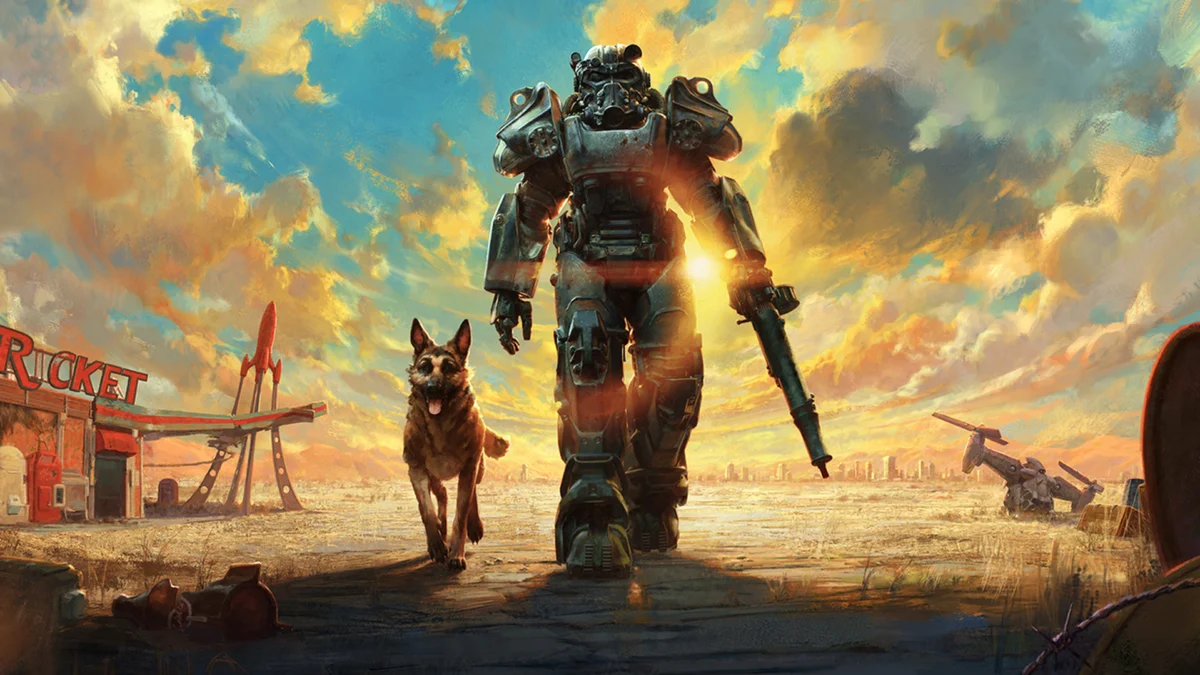
The wasteland is a place of enduring decay and perpetual rebirth, a sentiment that perfectly captures the current state of Bethesda Game Studios’ most iconic franchise. Despite the immense success of the Fallout television series and the continued longevity of Fallout 76, the mainline single-player series remains in a state of suspended animation. Bethesda has officially confirmed that Fallout 5 is in active development, yet the project remains a distant silhouette on the horizon—a title that fans know is coming, but one that will not arrive until the studio completes its current slate of gargantuan RPG projects.
The Current State of Development: A Shift in Strategy
Bethesda Game Studios has long operated on a "one-at-a-time" development cycle, typically focusing the full weight of its creative engine on a single title from start to finish. However, as of July 2026, that paradigm has undergone a significant shift. The studio has confirmed that Fallout 5 is officially in the pre-production phase, running on the proprietary "Creation Engine 3."
This new iteration of their technology is being touted as a "shared platform" designed specifically to allow multiple massive-scale projects to exist in the development pipeline simultaneously. By decoupling the engine’s evolution from the release cycle of a single game, Bethesda aims to shrink the often-decadal gaps that have plagued their recent history. While Fallout 5 is currently categorized as being in pre-production—meaning it is more than just a conceptual "one-pager" but far from a playable build—the move to Creation Engine 3 suggests a more streamlined workflow intended to prevent the need for "reinventing the wheel" between The Elder Scrolls 6 and the next trip to the wasteland.

Chronology: A Timeline of Anticipation
To understand the timeline for Fallout 5, one must look at the studio’s internal roadmap. The hierarchy of releases is firmly established: The Elder Scrolls 6 holds the priority position.
- 2021: Todd Howard reveals that a "one-pager" document exists for Fallout 5, confirming the game is on the studio’s long-term radar.
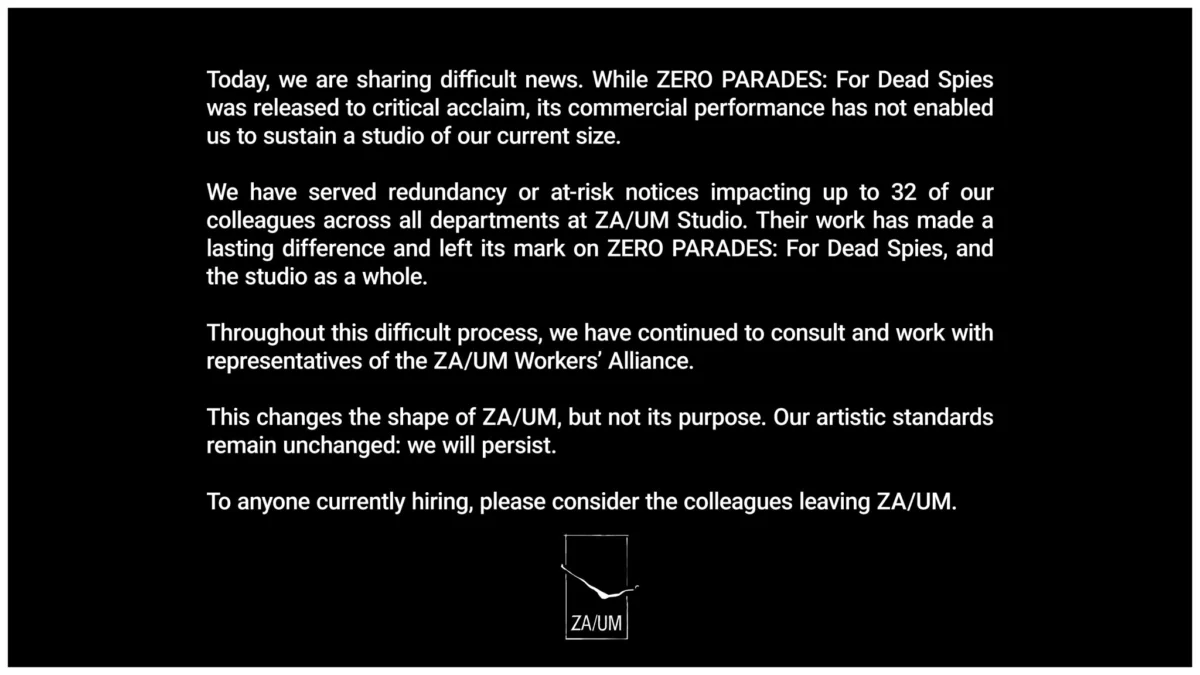
- 2023–2024: The industry faces massive shifts, including the Microsoft-led layoffs that affected Bethesda and ZeniMax. These organizational changes cast a shadow of uncertainty over the studio’s internal culture and project scope, leaving fans to wonder how the "vision" for the next game might have evolved under new corporate pressures.
- July 2026: Bethesda officially confirms that both The Elder Scrolls 6 and Fallout 5 are being built on the new Creation Engine 3, signaling a departure from the studio’s traditional sequential development model.
- Present Day: Fallout 5 remains in the early pre-production stages, with no projected release window.
The interval between Fallout 4 (2015) and the eventual release of Fallout 5 is already poised to become one of the longest gaps in franchise history. Even with the efficiencies promised by the new engine, the studio’s commitment to The Elder Scrolls 6 means that the next Fallout experience is likely years away, potentially pushing its release into the latter half of the decade.
Supporting Data: The Impact of Industry Flux
The development of Fallout 5 does not exist in a vacuum. The recent, well-documented layoffs across the gaming industry—and specifically within the ZeniMax and Bethesda ecosystem—have fundamentally altered the landscape. While Bethesda maintains that the game is moving forward, analysts and industry observers remain skeptical about how these personnel changes have impacted the studio’s "tribal knowledge."

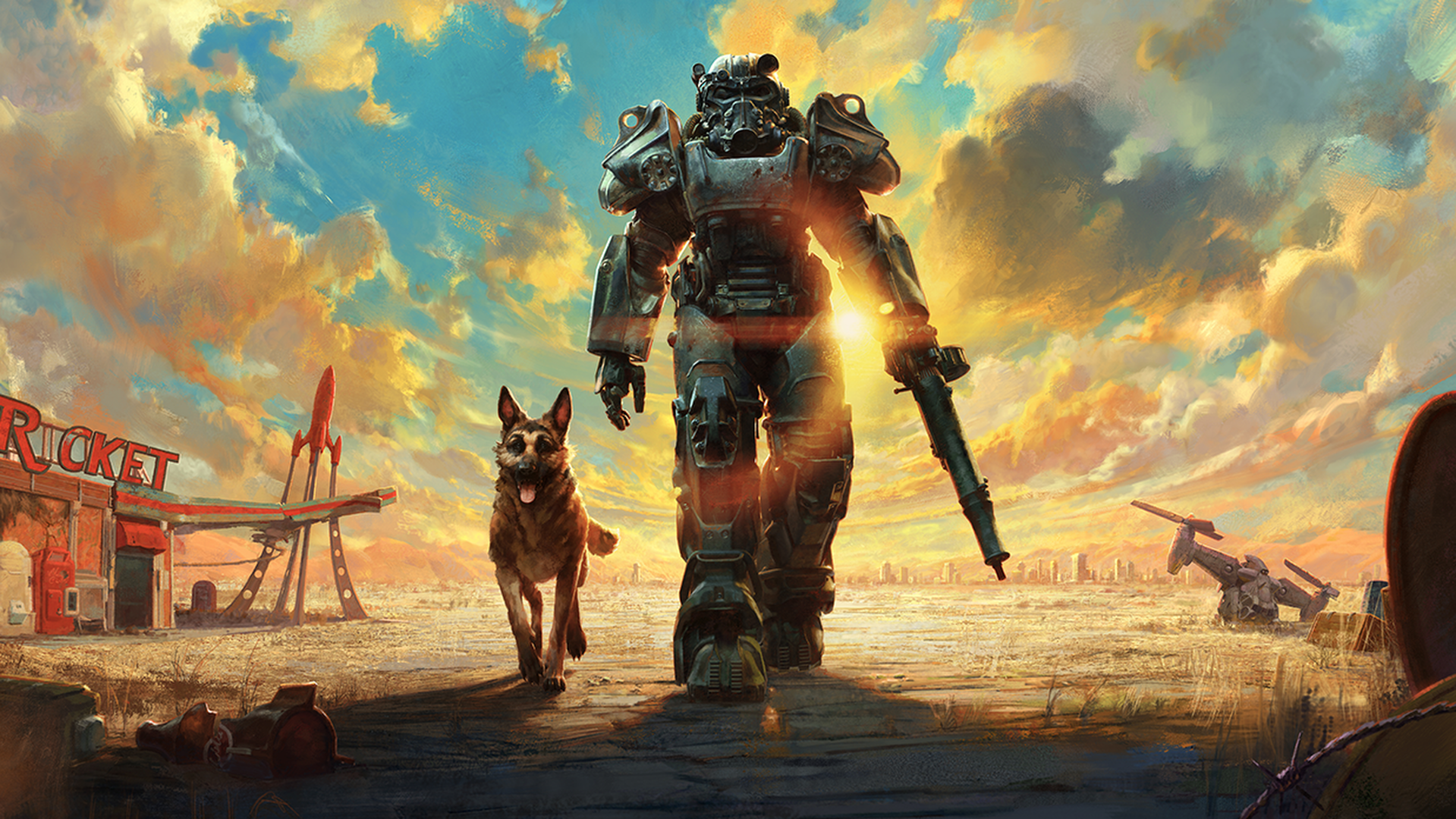
When a studio loses senior developers, leads, and technical artists, the "DNA" of a project often changes. Fallout is a series defined by a very specific, tonal balance—the juxtaposition of 1950s Americana optimism with the grim, irradiated reality of nuclear collapse. There is a palpable concern within the community that the current iteration of Bethesda may lean too heavily on surface-level aesthetic tropes—sassy robots, the Brotherhood of Steel’s power armor, and iconic vault suits—without capturing the satirical, dark, and often philosophical depth that defined earlier entries in the series.
Official Responses and Studio Philosophy
Todd Howard has been consistent in his messaging: Fallout is inextricably linked to the "Americana naivete" of the 20th century. This philosophy essentially rules out international settings like the much-discussed Fallout: London (which exists as a fan-led project) for the mainline games. The core of Fallout is the subversion of the American Dream, and according to Bethesda, the setting must remain within the borders of the United States.
Furthermore, the studio’s decision to move to a unified tech platform suggests that they are acutely aware of the criticism regarding their slow development cycles. By creating a modular, scalable engine, they are attempting to address the technical debt that has historically slowed them down. Whether this translates to a higher quality of life for the development team or simply faster content iteration remains to be seen, but the intent to bridge the gap between their two flagship IPs is clear.
Implications: Where Will the Wasteland Go Next?
Speculation regarding the setting of Fallout 5 has become a hobby for the community. With the East Coast (D.C., Boston) and West Coast (California, Nevada) having been heavily explored in previous titles, many fans are looking toward the American Midwest or the Pacific Northwest for a fresh perspective.
The Case for the Midwest
Detroit, as an industrial hub, offers a compelling backdrop for a story centered on the decline of American manufacturing, corporate malfeasance, and the collapse of the automotive empire. Such a setting aligns perfectly with the franchise’s penchant for industrial decay.
The Appeal of the Northern Frontiers
Alternatively, areas like Montana or the border regions of Canada (which, in the Fallout timeline, was annexed by the U.S. prior to the Great War) offer distinct aesthetic possibilities. Fallout 76 proved that players are interested in regional folklore and unique geographical features, such as the mountainous terrain of Appalachia. A northern setting could provide a stark, survival-focused aesthetic that differentiates itself from the dry, desert-heavy visuals of the earlier games.

Avoiding the Tropes
One of the most significant challenges for Fallout 5 will be avoiding "setting fatigue." As Grand Theft Auto 6 prepares to dominate the Florida-inspired landscape, and with various mods already tackling locales like Miami, Bethesda must ensure their chosen location feels distinct. The goal should be to find a location that allows for a new "vibe"—something that matches the historical weight of Boston or the sheer scale of the Mojave, without retreading the same factional dynamics that have dominated the series for years.
Conclusion: A Cautiously Optimistic Future
The confirmation of Fallout 5 is both a promise and a burden. It is a promise that the franchise will continue, but it is also a reminder of the long wait ahead. For the millions of players who found their way to the series through the recent television adaptation, the wait for the next mainline entry will be an exercise in patience.
As Bethesda moves forward, the primary question is not just when the game will arrive, but what it will represent for a studio in transition. The success of Fallout 5 will ultimately depend on whether the developers can reconcile the high-fidelity expectations of modern gaming with the series’ roots in deep, choice-driven narrative and environmental storytelling. Until then, the wasteland waits, quiet and irradiated, for the next generation of vault dwellers to step out into the light.